
Tools
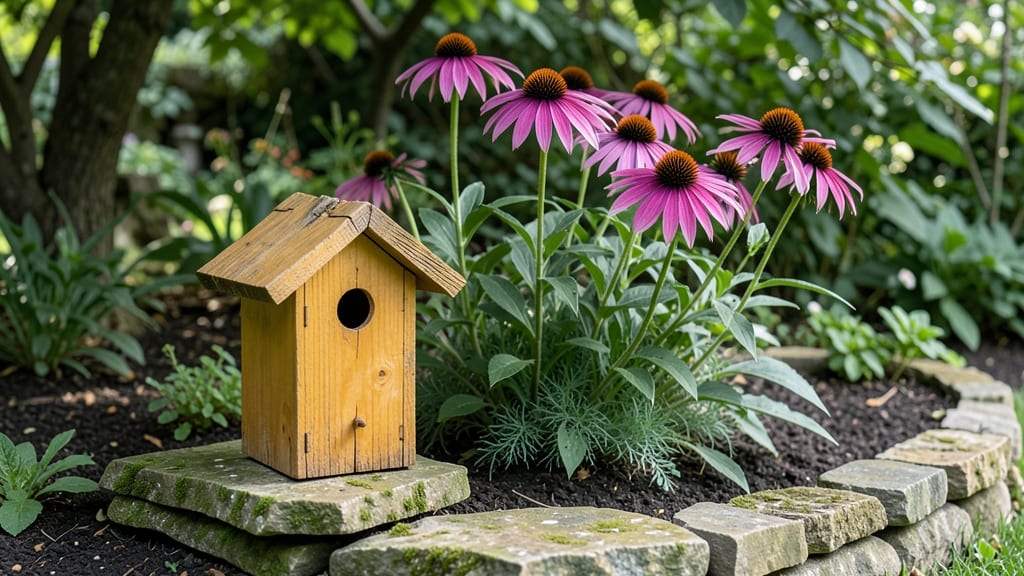
Creating a backyard wildflower garden starts with a single patch of sunlight and a handful of native seeds—no fancy tools or endless weeding required.
I still remember the first time I saw monarch butterflies fluttering through my meadow-style plot after just one season, their wings dusted with pollen from the very flowers I'd planted. The magic isn't in the effort but in the letting-be: wildflowers thrive on neglect, not nurturing.
Native wildflowers are the secret weapon here—pick species like black-eyed Susans, coneflowers, or milkweed that already love your climate and soil.
A simple soil prep of tilling in compost (or just scratching the surface) gives roots a fighting chance, and within weeks, you'll have a patchwork of colors that changes with the seasons. The best part? These plants handle drought, frost, and even deer better than most ornamentals.
By summer's end, your "zero maintenance" garden will hum with life—bees, hummingbirds, and beneficial insects all moving through the blooms you've provided. The air smells like honey and sunshine, and the view shifts from week to week as different flowers take center stage.
This isn't just a garden; it's a living ecosystem that keeps giving back with every passing season.
Whether you're working with a full sun yard or a shady corner, wildflowers adapt—just adjust your seed mix. Start small with a 3x3-foot plot, then expand as confidence grows. The only rule? Let the plants do the work after you plant them. Your backyard will become the neighborhood's quietest superpower.
📚 In This Guide
- What you need
- Instructions
- Tips and common mistakes
- Wrapping up and next steps
What you need
- ● Wildflower seeds: Choose native, pollinator-friendly varieties (e.g., Black-eyed Susan, Coneflower, or Milkweed). Aim for 1–2 lbs per 100 sq ft.
- ○ Garden soil or compost: 2–3 inches of nutrient-rich soil or compost to amend existing dirt (optional but recommended).
- ● Garden rake: A sturdy, medium-sized rake to loosen soil and remove debris.
- ○ Handheld seeder or scatter: For even seed distribution (optional but helpful for precision).
- ● Watering can or hose with a gentle spray nozzle: Essential for initial watering and maintenance.
- ● Garden gloves: Protect your hands from prickly plants and rough soil.
- ○ Mulch (optional): Straw or shredded leaves (1 inch thick) to retain moisture and suppress weeds.
- ● A sunny spot in your yard (most wildflowers thrive in 6+ hours of sunlight daily).
- ● An area free of weeds or invasive plants (or willingness to clear them first!).
- ● Access to water (a hose or watering can nearby).
- ● Patience! Wildflowers may take 2–3 weeks to germinate and 1–2 seasons to reach full bloom.
How to create a low-maintenance backyard wildflower meadow
Here's how to transform your yard into a buzzing pollinator haven that thrives on nature's own schedule.
Choose Your Planting Site and Clear Existing Vegetation
Select an area with full sun to partial shade—most wildflowers thrive with at least 6 hours of sunlight daily. Avoid low-lying spots where water pools after rain, as soggy soil invites fungal diseases. I like to start with a 4-foot by 4-foot patch for my first meadow, but you can scale up as you gain confidence.
Clear the area of grass and weeds by hand or with a sod cutter. The deeper the roots, the more likely they'll regrow. If you're working with established turf, consider smothering it first with cardboard or thick layers of newspaper for 4-6 weeks before planting. This gives you a clean slate without tilling, which disrupts soil ecosystems.
Prepare the Soil for Wildflower Success
Wildflowers are tough plants, but they still perform best in loose, well-draining soil. Loosen the top 4-6 inches of soil with a broadfork or garden fork, breaking up compacted layers without turning the soil over completely. This preserves beneficial soil organisms while improving aeration for new roots.
Skip the fertilizer—wildflowers prefer lean soil. If your area has heavy clay, mix in 2-3 inches of compost or well-aged manure to improve structure. For sandy soils, work in a thin layer of peat moss to help retain moisture. The goal is to create a welcoming environment without creating nutrient-rich conditions that encourage weeds.
Select and Plant Native Wildflower Seeds
Choose a native wildflower seed mix suited to your region and sunlight conditions. Native plants require less water, support local pollinators, and establish more reliably. I typically scatter seeds in late summer or early fall when soil temperatures are cooling—this timing mimics natural seed dispersal patterns and gives seeds a head start.
Spread seeds evenly by hand or with a seed spreader, aiming for about 1/8 pound of seed per 100 square feet. Lightly rake the area with a fine-toothed rake to press seeds into the soil without burying them too deeply. Most wildflower seeds need light to germinate, so keep the soil disturbance minimal. Water gently but thoroughly to settle seeds into the soil surface.
Establish and Maintain Your Wildflower Meadow
Water lightly every 2-3 days for the first 2-3 weeks to keep the soil surface moist but not soggy. Once seedlings appear, reduce watering to once a week unless you experience a prolonged dry spell. Wildflowers develop deep root systems that make them drought-tolerant once established.
Resist the urge to weed—wildflowers are slow to establish but will outcompete weeds once they reach 6-12 inches tall. When you see first blooms in the second year, you'll know your meadow is thriving. At this point, maintenance becomes truly minimal: just mow once a year in late fall or early winter to remove dead plant material and encourage new growth.
Tips & tricks for perfect backyard wildflower meadows
Real talk: The secret to a thriving wildflower meadow isn't complicated—it's about working with nature, not against it. These small adjustments make all the difference between a patch of weeds and a vibrant pollinator paradise.
Site Selection Savvy: That 6 hours of sunlight is non-negotiable, but here's what nobody tells you—microclimates matter. If your yard has areas where sunlight hits differently (like near a fence or tree), test them first. I've seen "full sun" spots that actually get only 4 hours of direct light—plant a fast-growing annual there first to confirm. Also, avoid spots that stay wet after rain; wildflowers hate soggy feet.
Soil Prep Shortcut: The 4-6 inch soil loosening in Step 2 doesn't need to be perfect—wildflowers are tough. But if you're working with heavy clay, here's my game-changer: After loosening, walk on the soil with your boots to break up any remaining clumps. This mimics natural disturbance and actually helps with seed-to-soil contact later. For sandy soils, mix in that peat moss in thin layers—too much can create water repellency.
Timing That Actually Works: Late summer or early fall planting is ideal, but don't stress if you miss that window. I've had great success planting in spring too, though you might need to water more frequently during establishment. The key is planting when soil temperatures are cooling—this prevents seeds from drying out too quickly. If you're in a hot climate, consider a light shade cloth for the first week after planting to protect those delicate seedlings.
Watering Wisdom: Those 2-3 weeks of frequent watering can be tricky—you want moist but not soggy. Here's how I do it: Water in the morning so any excess evaporates during the day, and use a gentle sprinkler or watering can that delivers a fine mist. Think "damp sponge" not "swamp." Once seedlings appear, let the soil dry slightly between waterings—this toughens them up for the real world.
Pro Tips for Backyard Wildflower Garden
- Real talk: The secret to a thriving wildflower meadow isn't complicated—it's about working with nature, not against it.
- Site Selection Savvy: That 6 hours of sunlight is non-negotiable, but here's what nobody tells you—microclimates matter.
- Soil Prep Shortcut: The 4-6 inch soil loosening in Step 2 doesn't need to be perfect—wildflowers are tough.
Frequently asked questions
Got questions about creating your own backyard wildflower garden? You’re not alone—many gardeners want to dive in but need a little extra guidance. Here are answers to the most common queries to help you get started with confidence!
What’s the best time of year to plant wildflowers?
For most regions, late summer to early fall (August–October) is ideal—wildflowers establish roots before winter and bloom vigorously the next spring. In warmer climates, winter planting (November–January) also works. Avoid planting in extreme heat or frost.
Will wildflowers attract pests like mosquitoes?
Nope! Wildflowers repel pests by attracting pollinators (bees, butterflies) that naturally control mosquitoes. Just avoid stagnant water sources nearby. Plus, their fragrant blooms deter many garden pests—it’s a win-win!
How often do I need to water a wildflower garden?
Once established (after 2–3 months), wildflowers are drought-tolerant and need very little water. Water deeply once a week during the first growing season, then let nature take over. Overwatering can harm their delicate roots!
Can I grow wildflowers in containers or small spaces?
Use raised beds, window boxes, or deep pots (at least 6–12 inches deep) with well-draining soil. Dwarf varieties like black-eyed Susans or meadow blazes thrive in tight spaces. Just ensure they get full sun (6+ hours daily).
What do I do if weeds take over my wildflower garden?
Wildflowers compete naturally with weeds over time—don’t pull them all! Hand-pick aggressive weeds (like crabgrass) early on, then let wildflowers spread. Mulch lightly with straw or leaves to suppress weeds without smothering blooms.
Do I need to deadhead wildflowers for more blooms?
Not necessarily! Many wildflowers self-seed and thrive without deadheading. However, snipping spent blooms of annuals (like cosmos) encourages longer, fuller blooms. For perennials, let some seed heads stand—they’re wildlife snacks in winter!
Wrapping up and next steps
Creating a backyard wildflower garden is more than just a low-maintenance project—it’s a gift to nature and your local pollinators! 🌸 With the right seeds, a sunny spot, and a sprinkle of patience, you’ll transform your space into a thriving haven for bees, butterflies, and birds.
The best part? Zero fuss, all reward.
Ready to dive in? Start small—even a 4’x4’ patch makes a difference—and watch your garden (and the ecosystem) flourish. Your next step: Grab your seeds, sketch a simple layout, and let the magic begin! 🌱