
Lawn
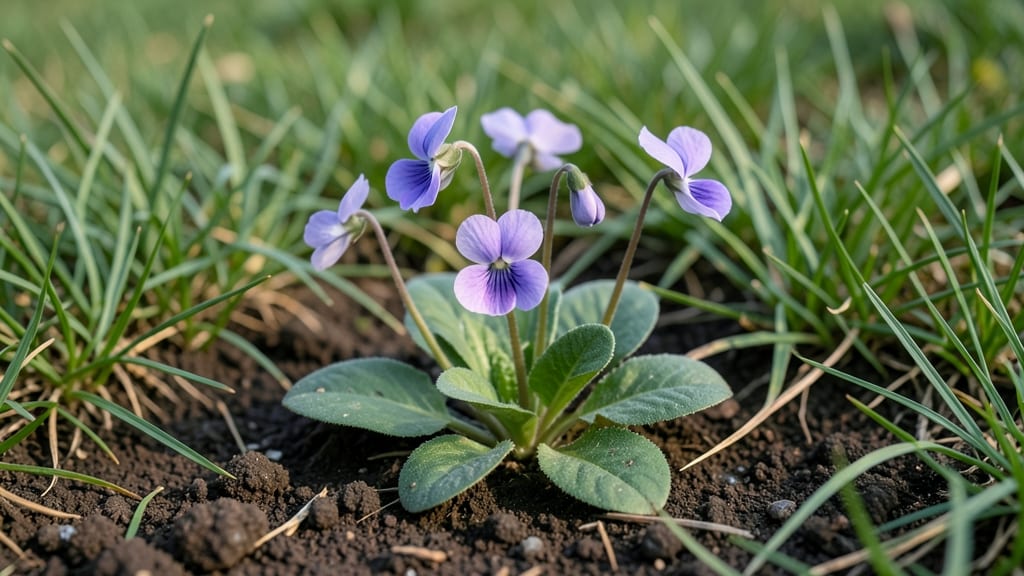
Those small purple flowers sprouting in your grass aren’t just pretty—they’re likely chickweed, henbit, or purple deadnettle, and they spread faster than you’d think. 🌱 I've spent years pulling these stubborn weeds by hand, only to see them creep back within weeks.
The key isn't brute force but smart timing and the right approach.
Most of these weeds thrive in cool weather and thin grass, so they're actually an indicator your lawn needs attention. You'll need gloves, a sharp hoe or dandelion digger, and either vinegar spray (for natural removal) or a targeted herbicide (for tough spots).
The good news? They're not harmful to grass, but they'll outcompete it if left unchecked.
With the right method, you can clear them in just 2-3 weeks of consistent effort, leaving your grass thick and healthy. I've seen lawns transform from patchy and flowery to lush green after one focused treatment season. The secret is acting before they go to seed.
For long-term results, overseeding in fall and improving soil health will crowd them out naturally. If your lawn stays thin, consider clover or creeping thyme as low-maintenance alternatives. Let's get those weeds under control for good.
📚 In This Guide
- What you need
- Instructions
- Tips and common mistakes
- Wrapping up and next steps
What you need
- ● Hand trowel or weeding knife – A sharp, sturdy tool for precision removal (choose one with a serrated edge for tough roots).
- ● Garden gloves – Heavy-duty, nitrile-coated gloves (size medium or large) to protect your hands from prickles and dirt.
- ○ Garden fork or dandelion digger – For deep-rooted weeds (optional but helpful for stubborn invaders).
- ● Garden hose or watering can – To dampen soil before pulling (makes weeds easier to extract!).
- ● Trash bag or bucket – A 13-gallon bag or 5-gallon bucket for disposal or composting.
- ● Vinegar (20-30% acetic acid) – 1 gallon for natural weed killer (mix with 1 tbsp dish soap for adhesion).
- ○ Boiling water – Optional but effective for spot treatment (use cautiously near desirable plants).
- ● Pre-emergent herbicide – Apply in early spring to prevent regrowth (follow label instructions!).
- ● Mulch (straw or wood chips) – 2-3 inches to suppress future weed growth.
- ● Magnifying glass – For close inspection of tricky ID (e.g., distinguishing chickweed from clover).
- ● Kneeling pad – Because comfort matters when you’re on your hands and knees!
Step-by-Step guide to removing purple-flowered weeds in lawns
Here’s how to spot, pull, and prevent those stubborn purple blooms from taking over.
🌿 Step 1: Identify the Weeds Accurately
Start by getting close—purple-flowered weeds in grass are often clover, chickweed, or henbit. Clover has three leaflets and grows low to the ground, while chickweed has smooth, oval leaves with tiny star-shaped purple flowers. Henbit has square stems and clusters of small purple blooms.
I like to pull a few samples and check their roots. If they’re shallow with fibrous roots (like clover), they’re easier to remove. If they have deep taproots (like dandelions), you’ll need a different approach. Grab a small trowel to dig carefully—this helps you spot the full root structure without damaging your lawn.
Timing matters too. Early morning or late afternoon is best—weeds are more pliable then, and you’ll avoid the midday sun making your work miserable. If you’re unsure, snap a photo and compare it to a weed identification app or local extension service guide.
✂️ Step 2: Pull or Cut Weeds at the Right Time
For shallow-rooted weeds like clover or chickweed, hand-pulling works best when the soil is moist. Water the area lightly the night before—this loosens the soil and makes weeds easier to remove. Grab the weed at the base, near the soil line, and pull upward with steady pressure. You’ll know you got the whole root when the plant comes out cleanly.
If weeds are widespread, use a lawn edger or string trimmer to cut them at ground level. This prevents them from seeding and spreading. I’ve found that weekly mowing keeps many purple-flowered weeds from blooming—just set your mower blade to 3 inches high to shade out new growth.
For persistent weeds like henbit, repeat the process every 5-7 days until they disappear. If you see new sprouts, that means you missed some roots or seeds. Don’t skip this step—consistency is key to stopping regrowth.
💧 Step 3: Prevent Regrowth with Smart Lawn Care
After removing the weeds, water deeply but infrequently—this encourages deep grass roots that outcompete weeds. Aim for 1 inch of water per week, either from rain or irrigation. Shallow watering keeps weeds happy by keeping the topsoil moist.
Next, fertilize your lawn in early spring or fall with a slow-release, high-nitrogen fertilizer. Healthy grass crowds out weeds naturally. I’ve had the best luck with a 16-4-8 formula—just follow the package rates for your lawn size. Avoid over-fertilizing, though; it can burn grass and create conditions weeds love.
Finally, reseeding bare spots with a shade-tolerant grass mix (if your lawn gets little sun) or a sun-loving mix (for full sun areas) fills gaps where weeds take hold. Spread seed evenly with a broadcast spreader, then cover lightly with ¼ inch of soil or straw to protect it until germination.
Tips & tricks for perfect weed removal in lawns
Here's what nobody tells you about tackling those stubborn purple blooms for good.
Root Inspection Tip: In Step 1, when you're checking roots, look for the "V" shape at the base of the weed—this is where the root system branches. For clover and chickweed, the roots should pull out cleanly with gentle pressure. If you feel resistance, you've missed part of the root, and it'll regrow. Use a small trowel to carefully expose the full root structure before pulling.
Timing Secret: The 5-7 day interval mentioned for persistent weeds like henbit is critical because that's how long it takes for new sprouts to appear from remaining roots or seeds. Mark your calendar or set phone reminders—consistency beats intensity when dealing with weeds. I've found that doing this on Mondays and Thursdays keeps me on track without overwhelming my weekend schedule.
Prevention Strategy: When reseeding bare spots in Step 3, consider adding a thin layer of mulch after spreading seed. This helps retain moisture and protects the seeds from drying out. I use straw because it breaks down naturally and adds organic matter to the soil. Just avoid thick layers—¼ inch is perfect for keeping seeds moist without smothering them.
Equipment Upgrade: If you're dealing with a large lawn, invest in a dandelion weeder tool for those deep-rooted purple-flowered weeds. The long handle lets you dig deeper without straining your back, and the forked end helps loosen stubborn roots. It's especially useful for henbit that might have deeper roots than expected.
Pro Tips for Weeds Small Purple Flowers In Grass
- Here's what nobody tells you about tackling those stubborn purple blooms for good.
- Root Inspection Tip: In Step 1, when you're checking roots, look for the "V" shape at the base of the weed—this is where the root system branches.
- Timing Secret: The 5-7 day interval mentioned for persistent weeds like henbit is critical because that's how long it takes for new sprouts to appear from remaining roots or seeds.
Frequently asked questions
Got questions about those pesky small purple-flowered weeds popping up in your lawn? You’re not alone! Here are the most common questions—and straightforward answers—to help you tackle them like a pro.
What are the most common weeds with small purple flowers in grass?
Chances are you’re dealing with henbit, chickweed, or purple deadnettle. These annuals thrive in cool weather and often appear in early spring or fall. Henbit, in particular, has square stems and tiny purple flowers that resemble forget-me-nots. For a quick ID, snap a photo and compare it to local weed databases like Purdue’s Weed Guide.
When is the best time to pull or treat these weeds?
Timing is everything! Target these weeds before they seed—typically in early spring (March–April) or fall (September–October). Pre-emergent herbicides (like pendimethalin) work best applied in late winter to block seeds from germinating. For existing weeds, hand-pulling or spot-treating with vinegar-based herbicides (for organic lawns) or glyphosate (for non-organic) is most effective on damp, cool mornings.
What’s the fastest way to remove them without harming my grass?
For small patches, hand-pulling with a weeding tool (or even your fingers!) works best—especially after rain when soil is soft. Use a dandelion digger to extract roots fully and prevent regrowth. For larger areas, apply a selective herbicide like 2,4-D (safe for most turfgrasses) or a corn gluten meal pre-emergent in fall. Mulching with thick grass clippings or compost also smothers seedlings naturally.
Why do these weeds keep coming back even after I treat them?
Persistent weeds usually mean one (or more) of these issues:
- Seeds in the soil: Many purple-flowered weeds produce thousands of seeds per plant. Repeated treatments or overseeding your lawn can help exhaust the seed bank.
- Poor lawn health: Thin grass = easy entry for weeds. Test your soil and fertilize with high-nitrogen (like 16-4-8) to crowd out intruders.
- Wrong herbicide: Non-selective sprays (like glyphosate) kill everything. Use grass-specific herbicides or spot-treat only the weeds.
Are there natural alternatives to chemical herbicides?
Try these eco-friendly methods:
- Boiling water: Pour directly on weeds (avoid desirable plants!).
- Salt/vinegar mix: Combine 1 gallon vinegar + 1 cup salt + 1 tbsp dish soap in a spray bottle. Test on a small patch first!
- Corn gluten meal: Apply 20 lbs per 1,000 sq ft in early spring or fall to prevent germination.
- Sheep or chicken grazing: If you have livestock, they’ll happily munch these weeds down.
Wrapping up and next steps
Spotting those weeds with small purple flowers in grass doesn’t have to be a headache—now you’ve got the tools to identify, tackle, and prevent them like a pro! 🌱 Whether it’s chickweed, henbit, or purple deadnettle, early action keeps your lawn lush and weed-free.
Remember: consistency is key, so stay vigilant with regular checks and maintenance.
Ready to reclaim your yard? Grab your gloves, hit the garden center for the right supplies, and start small—one patch at a time! Your dream green lawn is just a few steps away. 🌿✨