Lawn
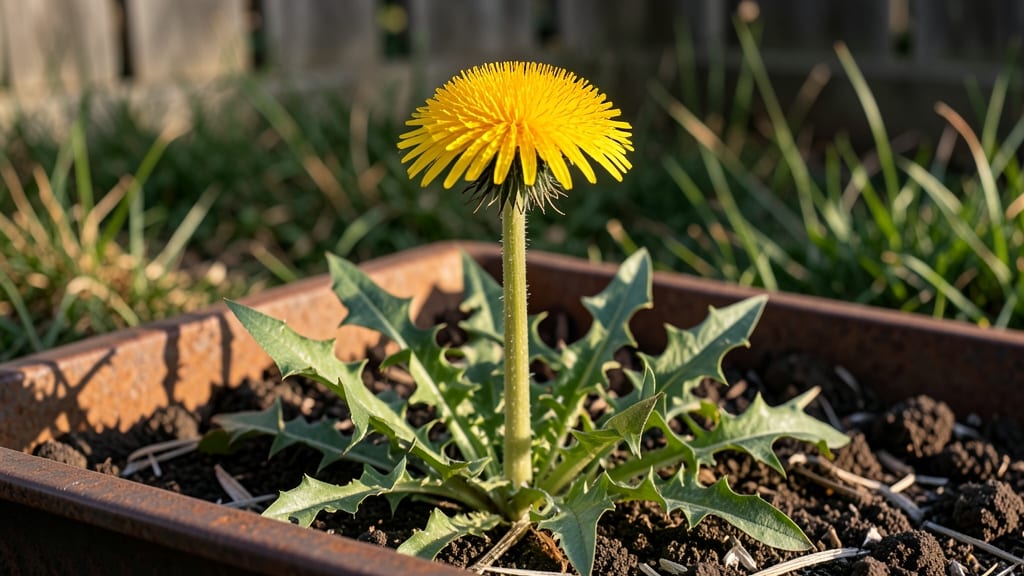
That stubborn yellow-flowered weed in your grass isn’t just an eyesore—it’s your lawn’s cry for help, and I’ve learned the tricks to outsmart it. 🌱 brute force but smart timing and targeted methods. Most store-bought sprays miss the mark by killing grass too, but there’s a better way.
The good news? You don’t need harsh chemicals to reclaim your lawn. Manual removal works for small patches, while vinegar-based sprays (applied carefully) tackle stubborn weeds without harming your grass. The secret lies in pulling weeds before they seed—once those yellow blooms turn to fluff, you’re fighting a losing battle.
I’ve seen lawns transform in just two seasons with consistent effort.
What you’ll end up with is a lawn that stays green longer, resists future invaders, and needs less maintenance. The grass thickens naturally, outcompeting weeds for space and sunlight.
Plus, you skip the chemical residue that can linger in soil and water. This method even works for shady spots where most lawns struggle—just adjust your approach.
Whether you’re dealing with dandelions along the driveway or clover creeping into your play area, the same principles apply. The Pacific Northwest’s damp climate means weeds grow fast, but so does thick grass—if you give it the right support.
Let’s get your lawn back to looking like the lush carpet it should be.
📚 In This Guide
- What you need
- Instructions
- Tips and common mistakes
- Wrapping up and next steps
What you need
- ● Hand Trowel or Weeding Tool: A sturdy, stainless steel or ergonomic trowel (e.g., Fiskars or Radiah brands) for precise removal.
- ● Garden Gloves: Heavy-duty, waterproof gloves (e.g., GlovesUSA or Workrite) to protect your hands from thorns and chemicals.
- ● Garden Pruners or Shears: Bypass pruners (e.g., Felco or Corona) for cutting stubborn roots or larger weeds.
- ● Lawn Rake: A metal-tined rake (e.g., Amico) to loosen soil and remove debris after weeding.
- ○ Pre-Emergent Herbicide (Optional but Helpful): A Pacific Northwest-approved herbicide like CornGluten Meal (organic) or Preen Garden Weed Preventer (synthetic) to prevent regrowth.
- ● Post-Emergent Herbicide (Spot Treatment): Glyphosate-free options like Vinegar + Dish Soap Spray (3:1 ratio) or Natural Armor for targeted kills.
- ● Garden Hose with Nozzle: For rinsing tools and spot-treating weeds with herbicides.
- ● Bucket or Spray Bottle: A 5-gallon bucket for mixing herbicides or a 1-gallon spray bottle for vinegar solutions.
- ● Soil or Weed Bag: A heavy-duty trash bag (30-gallon) to collect pulled weeds and debris.
- ● Knee Pads or Stool: For comfort during long weeding sessions (e.g., Gorilla Grip pads).
- ● Mulch or Compost: To replenish soil after weeding (e.g., shredded bark or grass clippings).
- ● Lawn Fertilizer: A balanced NPK (10-10-10) fertilizer to strengthen grass post-treatment.
- ● Weed Torch: For large infestations (use cautiously in dry conditions!).
- ● Labelled Spray Bottles: To avoid mixing herbicides accidentally.
Step-by-step instructions for identifying and removing yellow flowered grass weeds
Here's how I tackle those stubborn yellow bloomers in lawns—without harming your grass.
🌱 Step 1: Identify the Weed Before Pulling
First, get on your knees and examine the weed closely. Yellow-flowered grass weeds in the Pacific Northwest are often dandelions, buttercups, or creeping charlie. Notice the leaf shape: dandelions have deeply lobed leaves while buttercups have rounded, scalloped edges. Creeping charlie leaves are smooth and heart-shaped with a glossy texture.
Look at the root structure too—dandelions have long, thick taproots while buttercups have fibrous roots. This helps determine the best removal method. I always pull a few samples first to confirm what I'm dealing with before treating the whole lawn.
✂️ Step 2: Remove by Hand or Tool for Small Patches
For isolated weeds, grab a hand weeder or garden fork and dig down until you reach the root. Dandelions need their taproots completely removed—any piece left behind will regrow. Buttercups can be pulled by hand when the soil is moist, as their roots come out more easily.
Work in small sections to avoid missing any roots. I like to pull weeds on a cloudy day when the soil is naturally damp. This makes the roots easier to extract and reduces the chance of breaking them off. Never pull weeds when the ground is frozen or waterlogged.
💧 Step 3: Apply Targeted Herbicide for Large Areas (Optional)
If the infestation covers more than a few square feet, consider a selective herbicide designed for broadleaf weeds in lawns. Look for products containing 2,4-D or triclopyr, which are effective against dandelions and buttercups without harming grass. Always follow label instructions carefully.
Apply the herbicide on a calm day when rain isn't forecasted for at least 48 hours. This ensures the chemical has time to work before being washed away. I've found that early morning applications work best, as cooler temperatures reduce the risk of burning the grass.
☀️ Step 4: Prevent Regrowth with Lawn Care Practices
After removal, focus on strengthening your grass to outcompete weeds. Mow your lawn at 3-4 inches tall to shade out weed seeds and encourage thick grass growth. Water deeply but infrequently—1-1.5 inches per week—to promote deep root development in your grass.
Apply a slow-release nitrogen fertilizer in early spring and fall to keep your lawn healthy. I also recommend overseeding with a mix that includes fine fescue or perennial ryegrass, which are shade-tolerant and crowd out weeds naturally.
Tips & tricks for perfect yellow flowered weed removal
Here's what I've learned after years of battling these stubborn weeds in Pacific Northwest lawns.
Identification is Key: Don't guess—get down and examine those leaf shapes closely. Dandelions have jagged, lobed leaves while buttercups have rounded, scalloped edges. Creeping charlie's glossy, heart-shaped leaves are a dead giveaway. I keep a small notebook with photos of each type to compare against my lawn weeds. This prevents wasting time on the wrong removal method for each plant.
Timing for Hand-Pulling: The instructions mention pulling on cloudy days when soil is damp, but I've found that early morning is even better. Dew makes the soil moist without needing rain, and the cooler temperatures prevent the grass from drying out too quickly. Work in small sections—your hands will thank you when you're not fighting stiff, dry soil halfway through.
Root Removal Strategy: For dandelions, I use a screwdriver to twist out those taproots—it gives me better leverage than my fingers. For buttercups, I pull when the soil is moist but not soggy. The 48-hour herbicide window is critical: check your weather forecast before applying, and if rain is predicted within two days, wait it out. Even a light rain can wash away the chemical before it works.
Lawn Maintenance Boost: After removal, I've found that mowing at 3-4 inches creates a natural weed barrier by shading the soil. The 1-1.5 inches of weekly watering might sound like a lot, but it encourages deep grass roots that crowd out weeds naturally. I've seen lawns go from weed-infested to lush in just one growing season with this approach.
Pro Tips for Yellow Flowered Weed In Grass
- Here's what I've learned after years of battling these stubborn weeds in Pacific Northwest lawns.
- Identification is Key: Don't guess—get down and examine those leaf shapes closely. Dandelions have jagged, lobed leav...
- Timing for Hand-Pulling: The instructions mention pulling on cloudy days when soil is damp, but I've found that early...
Frequently asked questions
Got questions about that pesky yellow-flowered weed popping up in your Pacific Northwest lawn? You’re not alone! Here are the most common concerns—and straightforward answers—to help you tackle it like a pro.
What is the yellow-flowered weed in my grass?
Most likely, you’re dealing with dandelions (Taraxacum officinale) or yellow oxalis. Dandelions thrive in sunny lawns and have bright yellow blooms, while yellow oxalis has clover-like leaves and a more aggressive spread. Both are common in PNW climates.
When is the best time to remove it?
Spring (March–May) and fall (September–October) are ideal for removal. Dandelions are easiest to pull when the soil is soft after rain, while yellow oxalis spreads quickly—so act fast! Pro tip: Mow high (3–4 inches) to shade out weeds naturally.
Will vinegar or other natural remedies work?
Yes! A 1:1 vinegar-water mix with dish soap (as a surfactant) can kill weeds on contact. For yellow oxalis, spot-treat in early morning to avoid damaging nearby grass. Repeat every 1–2 weeks until gone. Avoid harsh chemicals if kids/pets play in the area.
Why does it keep coming back after I remove it?
Weeds like dandelions have deep taproots (up to 12 inches!)—pulling only the top leaves leaves the root intact. Use a dandelion digger tool or a screwdriver to extract the entire root. For yellow oxalis, dig up the whole plant (including rhizomes) to prevent regrowth.
How can I prevent it from spreading?
Start with healthy grass: Overseed thin areas in fall and fertilize regularly. Mow high (3–4 inches) to block sunlight, and water deeply but infrequently to discourage weed seeds from germinating. Pro tip: Apply corn gluten pre-emergent in early spring to stop weed seeds.
Wrapping up and next steps
Dealing with a yellow-flowered weed in your Pacific Northwest lawn doesn’t have to be a headache! With the right tools, timing, and techniques—like targeted herbicides, manual removal, or vinegar solutions—you can reclaim your grassy oasis. Remember, consistency is key, and patience will pay off as your lawn thrives.
Ready to take action? Start small—tackle one patch at a time, and soon your lawn will be weed-free and lush. 🌱 Grab your gloves, and let’s get growing!