
Tools
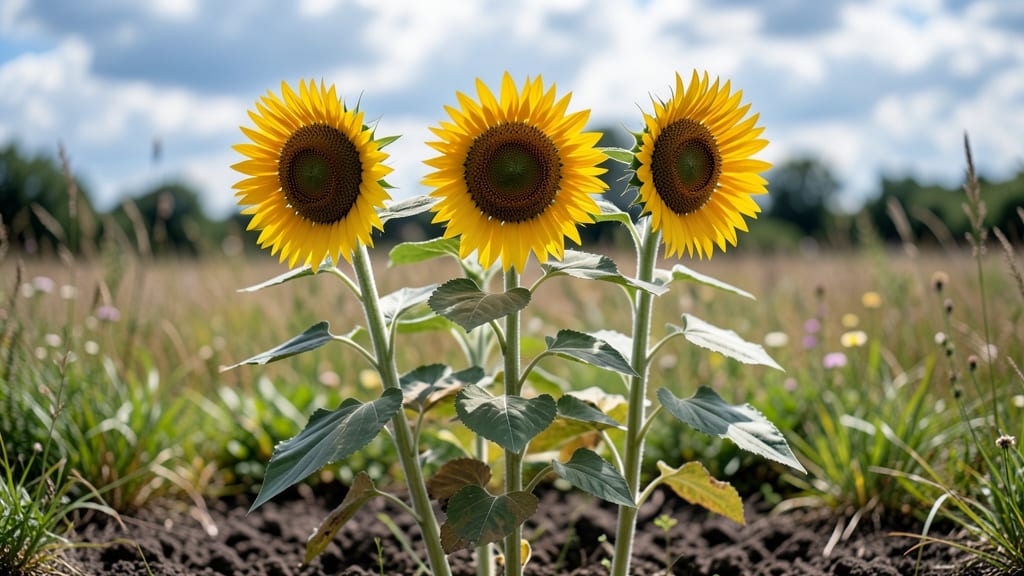
A backyard sunflower garden isn’t just a summer statement—it’s a living pollinator hotel that hums with bees and butterflies by mid-July. I designed my first one last year after watching monarchs flutter through my neighbor’s patch of towering ‘Moulin Rouge’ sunflowers, their petals dusted gold in the afternoon light.
The secret isn’t fancy planning; it’s mixing heights, colors, and companion plants to create a vertical feast that keeps blooming from June through frost.
Start with a 5-foot-tall centerpiece like ‘Autumn Beauty’ surrounded by shorter varieties—‘Teddy Bear’ (3 feet) and ‘Lemon Queen’ (4 feet)—to layer texture and sunlight. Add purple coneflowers and black-eyed Susans at the base to fill gaps when sunflowers finish blooming, and toss in basil or dill to repel pests naturally.
A simple 5-gallon bucket of compost mixed into your soil ensures those first stems shoot up in 10-14 days, not weeks.
By August, your garden will look like a golden watercolor painting—velvety petals swaying in the breeze, buzzing wings darting between stems, and seed heads that feed birds through winter. The best part?
You’ll harvest dozens of sunflower seeds for next year’s planting, turning a one-time project into a self-sustaining display. Even my black-thumb cousin nailed this design on her first try.
Works in full sun or partial shade (just expect shorter stems), and scales from a 10-foot-square patch to a full backyard border. The only rule? Plant in early May for maximum height before summer storms. Ready to turn your yard into a pollinator paradise?
📚 In This Guide
- What you need
- Instructions
- Tips and common mistakes
- Wrapping up and next steps
What you need
- ● Sunflower seeds: 50–100 seeds (choose varieties like Mammoth or Autumn Beauty for height and color).
- ● Potting soil or garden soil: 1–2 cubic yards (amend with compost for nutrients).
- ● Watering can or hose: With a gentle spray nozzle for seedlings.
- ○ Fertilizer (optional): Balanced 10-10-10 or organic compost tea for a boost.
- ● Garden space: Full sun (6+ hours/day) and well-draining soil.
- ● Garden trowel or shovel: For digging holes (6–12 inches deep).
- ○ Gloves (optional): To protect hands while planting.
- ○ Mulch (optional): Straw or shredded leaves to retain moisture.
- ○ Stakes or trellis (optional): For tall varieties like Russian Giant.
Step-by-Step instructions for designing a backyard sunflower garden
Here's how to create a vibrant sunflower haven that thrives with minimal fuss.
🌱 Step 1: Select and Prepare Your Planting Site
Sunflowers need full sun—at least 6-8 hours daily—so choose an open, sunny spot with well-draining soil. Clear any weeds or grass from a 4-foot by 4-foot area (or larger, depending on your design). Sunflowers have deep roots, so avoid rocky or compacted soil where roots can't penetrate easily.
Loosen the top 6-8 inches of soil with a garden fork or tiller to improve aeration. If your soil is heavy clay or sandy, mix in 2 inches of compost to enrich it. Sunflowers are drought-tolerant once established, but they grow best in soil that drains well but retains some moisture. A simple scratch test—digging a small hole and filling it with water—will tell you if drainage is adequate.
🌿 Step 2: Choose and Plant Sunflower Varieties
For a pollinator-friendly garden, select a mix of tall varieties (6-12 feet) like 'Moulin Rouge' and shorter varieties (3-5 feet) like 'Teddy Bear' or 'Sunspot'. Space tall varieties 18-24 inches apart and shorter ones 12-18 inches apart to allow airflow and prevent disease. Plant seeds 1 inch deep—they don’t need light to germinate, so you can sow them directly outdoors after the last frost.
Drop 2-3 seeds per hole and thin to the strongest seedling once they sprout. Water gently after planting to settle the soil around the seeds. Sunflower seeds germinate best in soil temperatures above 55°F, so if your spring is cool, consider using a row cover to warm the soil. You’ll see sprouts in 7-14 days, depending on conditions.
☀️ Step 3: Maintain Water and Support for Healthy Growth
Water sunflowers deeply once a week during dry spells, aiming for 1 inch of water per week. Overwatering can lead to weak stems, so let the soil dry slightly between waterings. Mulch around the base with 2-3 inches of straw or wood chips to retain moisture and suppress weeds. Avoid piling mulch against the stems, as this can cause rot.
Tall sunflower varieties may need staking or support as they grow, especially in windy areas. Install bamboo stakes or cages early—once the stems are 3-4 feet tall—to prevent bending. Prune lower leaves occasionally to improve airflow, but avoid heavy pruning, as sunflowers rely on their foliage for energy. Watch for aphids or spider mites, which can attack stressed plants, and treat with neem oil if needed.
✂️ Step 4: Encourage Pollinators and Harvest Seeds
Sunflowers are a magnet for bees, butterflies, and birds, so let some flowers bloom fully to support pollinators. If you want to harvest seeds for next year, leave the largest, healthiest heads on the plant. Once the back of the flower turns yellow and the petals drop, cut the head and hang it upside down in a dry, well-ventilated space to dry completely.
To prolong blooming, deadhead spent flowers by cutting the stem just below the flower head. This redirects energy to new buds, extending the season. If you’re growing sunflowers for cut flowers, harvest them when the back of the flower is fully yellow but the petals are still tight. Place them in water immediately to extend their vase life.
Tips & tricks for perfect backyard sunflower garden
Creating a thriving sunflower garden doesn't require green thumbs—just these strategic approaches to maximize your sunflower's potential.
Sunlight Optimization: While the instructions call for at least 6-8 hours of daily sun, I've found that positioning your garden in the western part of your yard captures the most intense afternoon sunlight—critical for those towering varieties like 'Moulin Rouge'. If your space gets afternoon shade, consider planting shorter varieties like 'Sunspot' in those spots instead. The difference in height and bloom quality is remarkable.
Soil Preparation Secret: The 6-8 inches of soil loosening in Step 1 is non-negotiable, but here's what nobody tells you: mix in a handful of wood ash when amending clay soil. It raises the pH slightly and provides trace minerals sunflowers love. For sandy soils, add a bit of peat moss to help retain moisture without suffocating the roots. This small adjustment can mean the difference between wilting plants and thriving giants.
Planting Strategy: When planting those 2-3 seeds per hole, I recommend spacing them slightly closer than the final 18-24 inches—about 12 inches apart initially. This gives you flexibility to thin later based on actual germination rates. Pro tip: Plant seeds in a slight depression rather than a hole. This creates a natural water reservoir that helps maintain moisture during the critical germination period (those 7-14 days can be tough if your spring is dry).
Pollinator Boost: For maximum pollinator impact in Step 4, I suggest planting a few 'Autumn Beauty' sunflowers alongside your main varieties. These bicolor flowers attract an incredible diversity of pollinators and extend your blooming season by several weeks. The key is to plant them slightly later than your other varieties—about 2-3 weeks after your initial planting—to create a staggered bloom time that keeps pollinators visiting throughout the season.
Pro Tips for Backyard Sunflower Garden
- Creating a thriving sunflower garden doesn't require green thumbs—just these strategic approaches to maximize your sunflower's potential.
- If your space gets afternoon shade, consider planting shorter varieties like 'Sunspot' in those spots instead.
- Soil Preparation Secret: The 6-8 inches of soil loosening in Step 1 is non-negotiable, but here's what nobody tells you: mix in a handful of wood ash when amending clay soil.
Frequently asked questions
Got questions about growing a backyard sunflower garden?
You’re not alone! Here are answers to the most common queries to help you cultivate a thriving, pollinator-friendly patch with ease.
When is the best time to plant sunflowers?
Sunflowers are hardy and fast-growing! Plant seeds after the last frost in spring (when soil is at least 55°F) for the best results. For a fall harvest, try sowing in late summer (8–10 weeks before your first frost). They thrive in warm weather and can even handle light frost—just avoid planting if nighttime temps dip below 40°F.
Do sunflowers attract bees and butterflies?
Absolutely!
Sunflowers are a magnet for pollinators like bees, butterflies, and even hummingbirds. Their bright blooms provide nectar, while their seeds feed birds later in the season. For extra buzz, plant diverse varieties (like dwarf and giant types) to extend the blooming season and keep pollinators visiting all summer long.
How often should I water sunflowers?
Sunflowers are drought-tolerant once established, but consistent moisture is key for young seedlings. Water deeply 1–2 times per week (about 1–2 inches total) during dry spells. Avoid overhead watering to prevent fungal diseases—water at the base instead. Once stems thicken, reduce frequency but keep soil moist (not soggy) for optimal growth.
Can I grow sunflowers in containers or small spaces?
Yes! Dwarf varieties (like ‘Teddy Bear’ or ‘Moulin Rouge’) thrive in containers 12+ inches deep or raised beds. For small yards, plant in clusters near patios or fences. Just ensure full sun (6+ hours daily) and well-draining soil. Pro tip: Mix in compost to boost nutrients—container sunflowers may need more frequent watering than ground-planted ones.
What should I do if my sunflowers get pests or diseases?
Common issues include aphids, powdery mildew, or stem borers. For pests, spray with neem oil or introduce ladybugs. Improve airflow to prevent mildew (avoid overcrowding). If stems weaken, cut open affected areas to check for borers—remove infested stems immediately. Healthy soil and rotation (if replanting annually) can prevent many problems!
Wrapping up and next steps
Creating a backyard sunflower garden is more than just a rewarding hobby—it’s a vibrant, low-maintenance way to support pollinators while adding beauty to your space.
With just a few seeds, some sunlight, and a little patience, you’ll soon enjoy towering blooms that bring joy to both you and local wildlife. 🌻✨
Ready to take the next step? Start small—plant a few seeds this weekend—and watch your garden grow into a sunlit haven. Your future self (and the bees!) will thank you.