
Aphids
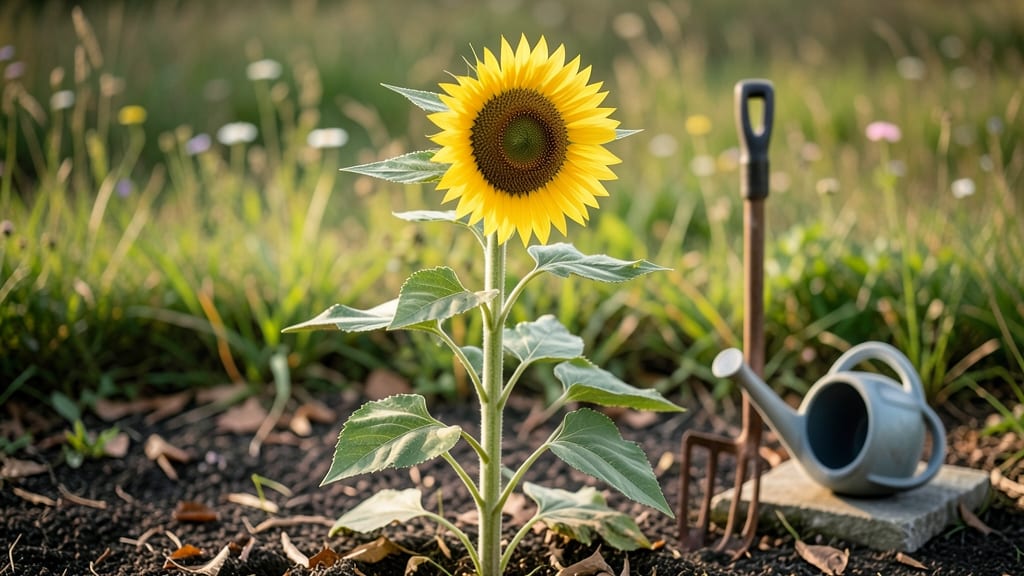
This perennial Helianthus Lemon Queen sunflower, with its radiant lemon-yellow blooms, could be the star of your Pacific Northwest garden.
Meet Helianthus Lemon Queen—the perennial sunflower that blooms from summer through fall without fuss. 🌻 I planted mine last spring, and now bees and butterflies never leave my yard, while I enjoy zero-maintenance color all season.
The secret to its success is simple: well-drained soil, full sun, and occasional water—this plant handles drought like a champ. My first year, it reached 4 feet tall with minimal care, and the blooms kept coming even after my neighbors' annuals had faded.
The only pruning I do is cutting back dead stems in early spring, and that's it.
By summer's end, you'll have a golden cloud of flowers that hums with pollinators while requiring less water than your lawn. The best part? It comes back every year, stronger than before.
Once established, it's the kind of plant that makes gardening feel effortless—just plant it, watch it grow, and enjoy the show.
Perfect for borders, meadows, or even containers—this sunflower adapts to almost any spot as long as it gets sunlight. Let's get yours growing so you can have that same buzzing, blooming paradise next season.
📚 In This Guide
- What you need
- Instructions
- Tips and common mistakes
- Wrapping up and next steps
What you need
- ● Helianthus 'Lemon Queen' plants: 1-3 nursery-grown plants (6-12 inches tall, potted) or
- ● Seeds (20-50 seeds for multiple plants; germination rate ~70%)
- ● Well-draining soil mix (60% topsoil, 30% compost, 10% perlite/sand)
- ● Organic mulch (2-3 inches of shredded bark or straw)
- ● Slow-release fertilizer (10-10-10 or balanced organic blend, 1 lb per plant)
- ● Watering can or hose with a gentle spray nozzle
- ● Garden trowel or transplanting spade
- ○ Gloves (optional but recommended for seed handling)
- ● Pruning shears (for shaping and deadheading)
- ● Measuring tape or ruler (for spacing)
- ○ Garden stakes or trellis (optional, for support if needed in windy areas)
- ● Epsom salt (1 tbsp per gallon of water for magnesium boost)
- ● Neem oil or insecticidal soap (for aphid/pest prevention)
- ● Pollinator-friendly companion plants (e.g., coneflowers, bee balm)
- ● Drip irrigation kit (for consistent moisture in dry spells)
Step-by-Step guide to planting and establishing Helianthus 'Lemon Queen'
This cheerful perennial thrives with the right site prep and care.
🌱 Step 1: Choose the Perfect Sunny Spot
Select a location with at least 6 hours of direct sunlight daily—this variety won't tolerate shade. The Pacific Northwest's mild climate means you can plant year-round, but spring or early fall gives roots time to establish before summer heat arrives. Look for a spot with well-draining soil; 'Lemon Queen' hates soggy feet.
Clear away weeds and debris from a 3-foot diameter circle around your planting site. This gives the sunflower room to spread its cheerful blooms without competing with aggressive ground covers. I always dig in a 2-inch layer of compost at this stage to enrich the soil naturally—this plant loves to munch on organic matter.
🪴 Step 2: Plant with Proper Spacing and Depth
Dig holes twice as wide as the root ball but only as deep as the container it came in. This prevents burying the stem, which can lead to rot. Space plants 3-4 feet apart—they'll grow 4-5 feet tall and spread 3 feet wide, so crowding leads to leggy stems and fewer blooms.
Gently remove the plant from its container and loosen any circling roots with your fingers. Place it in the hole, backfill with native soil, and water deeply until moisture reaches 6 inches down. The soil should feel damp but not saturated—you want roots to breathe but stay hydrated during establishment.
☀️ Step 3: Water Strategically for First-Year Establishment
Water deeply once a week during the first growing season, aiming for 1-1.5 inches of water per week. Check moisture by sticking your finger 2 inches into the soil—if it feels dry, water again. Overwatering is the biggest mistake here; 'Lemon Queen' is drought-tolerant once established but needs consistent moisture to root well.
Mulch with 2-3 inches of organic mulch (like wood chips or straw) around the base, keeping it 3 inches away from the stem. This conserves moisture, regulates soil temperature, and suppresses weeds. Replenish mulch annually—it breaks down over time and loses effectiveness.
✂️ Step 4: Prune for Health and More Blooms
Deadhead spent blooms by cutting stems back to the nearest set of healthy leaves. This encourages continuous flowering throughout the season—'Lemon Queen' keeps blooming from early summer until frost if you stay on top of deadheading. Use clean, sharp pruners to avoid tearing stems.
In late winter or early spring, prune back one-third of the plant's height to shape it and remove any dead or weak growth. This rejuvenates the plant and promotes bushier, more vigorous growth. Wear gloves—sunflowers can be scratchy!
🌿 Step 5: Feed and Protect for Long-Term Success
Apply a balanced, slow-release fertilizer (10-10-10) in early spring, following package instructions. This gives the plant a steady supply of nutrients without the risk of burning roots from over-fertilizing. Avoid high-nitrogen fertilizers—they promote leafy growth at the expense of flowers.
Watch for powdery mildew, especially in humid Pacific Northwest summers. Improve air circulation by spacing plants properly and watering at the base rather than overhead. If you see white powder on leaves, treat with neem oil or a fungicide labeled for ornamental plants. Prevention is easier than cure!
Tips & tricks for perfect Helianthus 'Lemon Queen' establishment
Here's what nobody tells you about getting this sunflower off to the best possible start.
Site Selection Wisdom: That 6 hours of sunlight is non-negotiable, but here's the secret: Pacific Northwest mornings are often foggy. Choose a spot that gets full sun after 10 AM when the fog typically burns off. I've seen 'Lemon Queen' thrive in locations that get afternoon sun but struggle when morning light is blocked by trees or structures.
Root Health Secret: When loosening those circling roots in Step 2, don't just pull at them—gently tease them apart with your fingers. This prevents root damage that can stunt growth. The goal is to encourage outward growth, not create a tangled mess. Watering deeply until moisture reaches 6 inches ensures the roots have room to expand downward where they'll find stability.
Watering Strategy: The once-weekly watering guideline assumes average rainfall patterns. In our region's unpredictable weather, I check soil moisture every 3-4 days during summer droughts. Remember, you're aiming for dampness at 2 inches down—not soggy soil. Overwatering is the fastest way to invite root rot, especially in our clay-heavy soils.
Pruning Precision: When deadheading in Step 4, cut back to the nearest set of healthy leaves rather than just snipping off the flower head. This redirects the plant's energy to produce more blooms instead of just more foliage. The one-third height prune in late winter is your chance to shape the plant—use it to create a more compact, bushy form that resists wind damage in our coastal areas.
Pro Tips for Helianthus Lemon Queen Perennial Sunflower
- Here's what nobody tells you about getting this sunflower off to the best possible start.
- Site Selection Wisdom: That 6 hours of sunlight is non-negotiable, but here's the secret: Pacific Northwest mornings are often foggy.
- Root Health Secret: When loosening those circling roots in Step 2, don't just pull at them—gently tease them apart with your fingers.
Frequently asked questions
about the Helianthus Lemon Queen perennial sunflower—because every gardener deserves clarity! Here are the top questions (and answers) to help you grow this PNW superstar with confidence.Is the Lemon Queen sunflower truly perennial in the Pacific Northwest?
Yes! This variety thrives as a hardy perennial in USDA Zones 5–9, including the PNW. With proper winter mulching (3–4 inches of straw or shredded leaves), it’ll return year after year, blooming from early summer through fall. Pro tip: Plant in well-draining soil to avoid soggy roots in rainy climates!
How fast does it grow, and when will I see blooms?
Expect rapid growth—Lemon Queen can reach 5–6 feet tall in a single season! You’ll typically see first blooms 60–90 days after planting (or transplanting). For faster results, start seeds indoors 4–6 weeks before your last frost date. Bonus: Deadhead spent blooms to encourage nonstop flowers!
Why aren’t bees visiting my Lemon Queen sunflowers?
If pollinators are scarce, check these fixes:
- Timing: Plant alongside early-blooming perennials (like Echinacea) to create a "beeline" of food sources.
- Pesticides: Avoid systemic neonicotinoids—opt for neem oil or insecticidal soap for pests.
- Water stress: Drought can reduce nectar production; water deeply 1–2x/week during dry spells.
Can I grow Lemon Queen in containers, or is it a must-have for gardens?
While it’s a garden stunner, Lemon Queen adapts well to large containers (18"+ diameter) with drainage holes. Use a balanced fertilizer (10-10-10) every 4–6 weeks and stake tall stems in windy spots. Container hack: Pair it with Lavender or Catmint for a pollinator powerhouse combo!
Are aphids a common problem, and how do I prevent them?
Lemon Queen is aphid-resistant but not immune—especially in new growth. Preventative tips:
- Spray soapy water (1 tsp mild soap per quart of water) on undersides of leaves weekly.
- Introduce ladybugs or lacewings as natural predators.
- Encourage airflow by spacing plants 2–3 feet apart to deter infestations.
Wrapping up and next steps
The Helianthus 'Lemon Queen' isn’t just a sunflower—it’s a year-round pollinator powerhouse that thrives in the Pacific Northwest’s climate! With its bold lemon-yellow blooms and low-maintenance charm, it’s the perfect addition to any garden, offering bees, butterflies, and birds a feast while keeping aphids at bay.
Whether you’re a seasoned gardener or just starting, this perennial is your easy, rewarding next step.
Ready to transform your space? Grab your seeds, find that sunny spot, and watch your garden buzz with life—literally! 🌻🐝