
Flowers
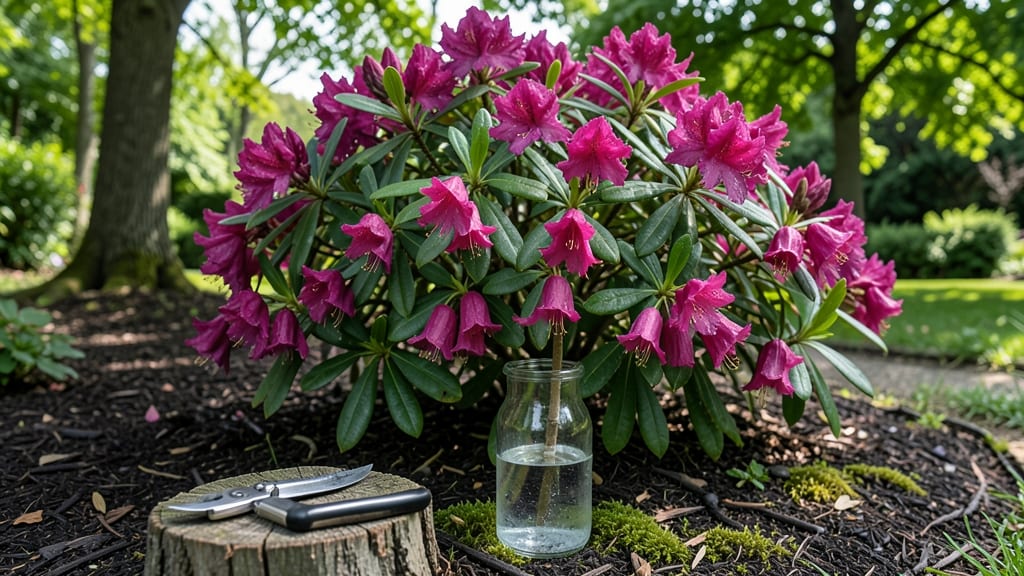
Cutting rhododendron flowers at the right time turns your showstopping shrub into a year-round star. Precision trimming isn't just about snipping spent blooms—it's about teaching your plant to bloom longer next season.
I learned this the hard way after my first aggressive pruning left my bush looking like a sad, overgrown hedge.
Timing matters most: wait until after the main bloom cycle (late spring to early summer) before making cuts. You'll need sharp pruners, rubbing alcohol for sterilization, and a clear day to avoid stressing the plant. The goal is to remove only the faded flowers, never the fresh buds hiding beneath.
What you end up with is a bush that keeps producing new blooms for weeks instead of just a single glorious burst. The foliage stays dense, the branches stay strong, and next spring's flowers arrive even more abundant. It's the difference between a garden highlight and a garden staple.
Works for both container-grown rhododendrons and in-ground shrubs. The same principles apply whether you're dealing with a single bush or a hedge row. Here's how to do it right the first time—no sad, leggy bushes in your future.
📚 In This Guide
- What you need
- Instructions
- Tips and common mistakes
- Wrapping up and next steps
What you need
- ● Clean, sharp pruning shears or floral scissors – Opt for bypass pruners (6-8 inches) to avoid crushing stems.
- ● Disinfectant (70% isopropyl alcohol or diluted bleach) – Sterilize tools to prevent disease spread.
- ● Buckets or vases filled with fresh, room-temperature water – Use at least 2-3 gallons for a full harvest.
- ● Newspaper or drop cloth – Protect surfaces from sap and petals.
- ○ Rubber gloves (optional but recommended) – Rhododendron sap can irritate skin.
- ● Sharpie or permanent marker – Label stems if arranging multiple varieties.
- ● Floral preservative – Extends vase life by 3-5 days (e.g., Floralife).
- ● Pruning saw (for thick stems) – Use if branches exceed 1-inch diameter.
- ● Twine or floral tape – Secure stems in bundles for transport.
- ● Hydration spray bottle – Keeps petals fresh during trimming.
- ● Pruning sealant (e.g., tree wound dressing) – Apply to cuts if pruning for plant health.
How to cut rhododendron flowers for longer-lasting blooms
Here's the exact method I use to keep my rhododendrons flowering beautifully for weeks.
Identify the Right Time to Trim
Wait until 75% of blooms have fully opened before cutting. This ensures you capture the peak beauty of the flowers while leaving enough blooms to enjoy. I always check the plant in the morning when buds are fully unfurled—this is the best time to assess progress. If you cut too early, you'll miss the full glory of the flowers; too late, and you risk cutting spent blooms that won't last as long.
Look for clusters where the majority of buds have opened but still show vibrant color. Avoid cutting stems with more than 20% wilted or browned flowers, as these won't extend the display. The ideal time is typically 4-6 weeks after initial blooming, depending on your climate.
Use Proper Cutting Tools and Technique
Grab your sharp, clean pruners or shears—dull tools crush stems and invite disease. I like to sterilize my blades with rubbing alcohol before each cutting session, especially if I've been working with other plants. Make your cuts at a 45-degree angle, about ½ inch above a leaf node or bud. This angle helps water run off the cut and prevents rot.
Never cut directly above a leaf or bud—you'll stunt new growth. Instead, aim for the small bump where leaves or side shoots emerge. This encourages the plant to put energy into new blooms for next season. For larger stems, support the plant with one hand while cutting to avoid snapping branches.
Harvest and Store for Maximum Freshness
Immediately after cutting, strip any lower leaves that would sit in water. These leaves rot quickly and shorten the vase life. I like to trim stems under running water to remove any hidden pests or sap that might spoil the water. Place the cut stems in a bucket of lukewarm water for 1-2 hours before arranging—this helps them rehydrate and stand taller.
Once rehydrated, arrange your rhododendron blooms in a clean vase with fresh, room-temperature water. Change the water every 2-3 days and trim ¼ inch off the stems each time to keep them drinking well. Keep the arrangement in a cool spot away from direct sunlight or heating vents—this preserves their color and freshness longer.
Maintain the Plant After Cutting
The plant needs extra care after you've removed so many blooms. Water deeply right after cutting to help it recover, especially if the weather is hot or dry. I like to add a balanced, water-soluble fertilizer (like 10-10-10) at half strength to support new growth. This gives the plant the nutrients it needs to rebound quickly and prepare for next year's blooms.
Watch the plant closely for the next 2-3 weeks. You'll see new leaves emerge as the plant focuses on regrowth. If you notice any yellowing leaves or wilting, increase watering slightly—rhododendrons are sensitive to stress after heavy pruning. Avoid fertilizing again until new growth appears, as this can overwhelm the plant.
Tips & tricks for perfect rhododendron flower trimming
Timing and technique make all the difference when cutting rhododendrons for maximum vase life.
Timing Secret: The 75% bloom rule is non-negotiable—this captures the flowers at their absolute peak. I've learned the hard way that cutting too early means missing the full color development, while waiting too long results in limp, wilted stems. In cooler climates, this 4-6 week window might start later, so always check your local bloom schedule. Morning is always the best time to assess progress since dew can hide true color.
Cutting Angle Matters: That 45-degree angle isn't just for looks—it's a hydraulic engineering trick. The angled cut creates a larger surface area for water uptake while preventing water from pooling at the base where rot can start. I mark my pruners with masking tape at the ½-inch point above the leaf node to ensure perfect consistency every time. This small detail keeps your cuttings fresh for days longer than straight cuts.
Post-Cut Revival: The 1-2 hour lukewarm water soak is where magic happens. This isn't just hydration—it's a chance for the stems to recover from the cutting stress. I add a few drops of lemon juice to the water during this soak (about 1 teaspoon per quart), which acts as a natural preservative. The stems will visibly perk up and stand taller, making your arrangements look professionally done.
Pro Tips for Cutting Rhododendron Flowers
- Timing and technique make all the difference when cutting rhododendrons for maximum vase life.
- Timing Secret: The 75% bloom rule is non-negotiable—this captures the flowers at their absolute peak.
- Cutting Angle Matters: That 45-degree angle isn't just for looks—it's a hydraulic engineering trick.
Frequently asked questions
about cutting rhododendron flowers—here’s what you need to know before picking up those shears!When is the best time to cut rhododendron flowers for arrangements?
Cut flowers when they’re just beginning to open—typically in the early morning after dew has dried. This ensures maximum vase life (5–10 days with proper care). Avoid cutting fully open blooms; they’ll wilt faster. Pro tip: Harvest on a cloudy day to prevent wilting from sun exposure.
How do I know if my rhododendron flowers are ready to cut?
Look for buds that are plump and slightly swollen but haven’t split open yet. The flower stalks should feel firm, not mushy. If leaves are yellowing or stems are hollow, the plant is stressed—wait until next season. Never cut more than 1/3 of the plant’s blooms in one go to avoid weakening it.
Do I need to treat rhododendron flowers before arranging them?
Yes! Trim stems at a 45-degree angle and place them in lukewarm water with a flower preservative (like floral food packets). Remove lower leaves that’ll sit underwater to prevent bacterial growth. Change water every 2–3 days for freshness. Skip bleach or vinegar—it can harm delicate petals.
Will cutting rhododendron flowers harm the plant?
Not if done correctly! Prune only spent blooms (after flowering) to encourage new growth. Avoid heavy pruning mid-season. Over-cutting can reduce next year’s flowers, but light trimming (like removing deadheads) keeps the plant healthy. Feed with acid-loving fertilizer post-pruning for a boost.
Can I cut rhododendron flowers from a young plant?
Wait until the plant is at least 3–5 years old and well-established. Young rhododendrons need all their energy for root and foliage growth. If you must cut, limit it to 1–2 stems max and prioritize healthy, mature branches. Never cut from container-grown plants unless they’re thriving.
What if my cut rhododendron flowers wilt quickly?
Wilting often means stems were damaged or water wasn’t fresh enough. Recut stems under water to open clogged vessels, and add a drop of bleach (1 capful per gallon) to the water to prevent bacteria. Keep arrangements out of direct sunlight and drafts. If flowers still droop, they may be past their prime—try harvesting earlier next time!
Wrapping up and next steps
Cutting rhododendron flowers with care ensures stunning blooms that last longer and keeps your garden thriving. Remember to use sharp tools, trim at the right angle, and follow proper aftercare to maximize their lifespan. With these tips, you’ll enjoy vibrant, healthy flowers that brighten up your space for weeks!
Ready to elevate your gardening game? Grab your pruners and give it a try—your rhododendrons (and your home’s curb appeal!) will thank you. 🌸✨