
Flowers
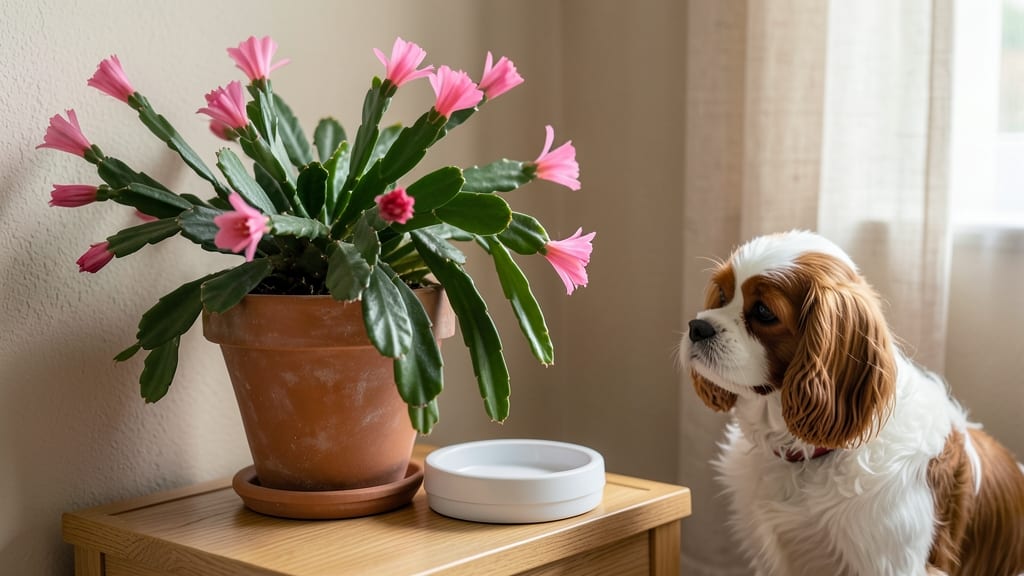
The Christmas cactus (Schlumbergera spp.) flowers are not poisonous to dogs, which makes them a safe holiday plant for pet owners. ✨ I’ve had mine for years, and my curious pup has never had an issue—though I still keep an eye on him during blooming season just to be sure.
According to the ASPCA, these plants are non-toxic, meaning your furry friend can sniff, lick, or even nibble the flowers without worry. The real concern comes from other common holiday plants like lilies or poinsettias, which can cause serious problems.
That said, it’s always smart to monitor pets around new plants, even safe ones.
If you’re looking for pet-friendly alternatives, consider calatheas, spider plants, or African violets—all non-toxic and great for adding greenery indoors. The key is choosing plants that won’t tempt your dog to chew, especially if they’re prone to nibbling.
For extra peace of mind, keep plants out of reach of eager paws, and always double-check new additions with the ASPCA’s toxic plant list. A little caution goes a long way in keeping your holiday season happy and healthy for everyone!
📚 In This Guide
- What you need
- Instructions
- Tips and common mistakes
- Wrapping up and next steps
What you need
- ● Christmas Cactus Plant – At least one specimen (preferably in a pot for easy relocation if needed).
- ● Pet-Safety Reference Guide – ASPCA’s Toxic & Non-Toxic Plants List (printed or saved on your phone).
- ○ Pet-Friendly Alternatives (Optional but Recommended) – Pre-approved non-toxic plants like Spider Plants, Boston Ferns, or African Violets (1–3 plants, depending on space).
- ● Gloves – Nitrile or latex-free (1 pair) for handling plants and cleaning up pet-safe zones.
- ○ Pet Monitoring Tools – Timer or pet camera (optional but helpful for tracking furry friends’ curiosity).
- ● Pet-Safe Fertilizer – Organic, dog-safe fertilizer (e.g., fish emulsion or compost tea) for non-toxic plants.
- ● Childproofing Supplies – Baby gates or plant stands (to keep toxic plants out of reach).
- ● Emergency Vet Contact Info – Saved in your phone and printed near your pet’s first-aid kit.
- ● Pet Distraction Toys – Chew toys or snuffle mats to redirect attention from plants.
Step-by-step guide for keeping Christmas cacti safe around dogs
Here's how to enjoy your holiday plant without risking your pup's safety.
🌿 Step 1: Identify the Plant's Toxicity Level
The Christmas cactus (Schlumbergera) is generally considered non-toxic to dogs, unlike many other holiday plants. However, the ASPCA confirms that while ingestion may cause mild stomach upset, it's not a severe threat like lilies or poinsettias. That said, always monitor your dog's behavior around new plants—curiosity can lead to nibbling.
Watch for these signs if your dog does take a bite: drooling, vomiting, or lethargy. These are more likely from plant fibers than actual toxins. Keep the plant out of reach until you've confirmed your dog's reaction—some pups are more sensitive than others.
💧 Step 2: Create a Safe Display Area
Place your Christmas cactus in a spot where your dog can't reach it—high shelves, hanging planters, or behind baby gates work well. I like to position mine on a tall bookshelf where my dog can see it but not access it. If your pup is a determined jumper, consider a window ledge with a decorative barrier.
Use the 4-foot rule: Keep the plant at least 4 feet above ground level where most dogs can't reach. This prevents accidental ingestion while still letting you enjoy the festive blooms. A sturdy, wide planter adds stability—nothing worse than a toppled plant during holiday excitement.
☀️ Step 3: Teach Your Dog to Avoid the Plant
Redirect your dog's attention with a positive reinforcement approach. If you catch them sniffing the plant, calmly say "no" once, then immediately offer a treat or toy. Consistency is key—reward good behavior every time they walk away. I use a clicker for my dog to mark the exact moment they obey.
Create a dog-friendly alternative nearby—a chew toy or a separate, safe plant like spider plants (which are non-toxic). The goal is to make the Christmas cactus less interesting than the approved options. Most dogs learn within 3-5 days of consistent training.
✂️ Step 4: Monitor and Maintain Plant Health
Healthy plants are less tempting to chew. Water your Christmas cactus when the top inch of soil feels dry—overwatering causes root rot, which can make the plant more appealing to dogs (they love the smell of decaying organic matter). I use a moisture meter to avoid guesswork.
Deadhead spent flowers promptly to encourage reblooming and remove any wilted stems that might attract your dog. A well-maintained plant looks more appealing to you and less interesting to them. Keep the area around the plant clean—dropped leaves or stems can become chew toys overnight.
🪴 Step 5: Prepare for Holiday Gatherings
If you're hosting guests, place the Christmas cactus in a designated pet-free zone during parties. Curious hands (both human and canine) can lead to accidents. I use a decorative screen to create a visual barrier that still lets the plant shine.
Educate your guests about the plant's safety status—many assume all holiday plants are toxic. A simple sign near the plant ("Safe for Dogs!") puts everyone's mind at ease. Keep a pet first-aid kit handy just in case, even for mild reactions.
Tips & tricks for pet-friendly holiday decor
Here's what I've learned from years of keeping Christmas cacti safe around curious pups—these little tricks save holiday stress.
Monitoring Made Easy: Set a timer for 15-minute check-ins during the first few days after bringing the plant home. This is when dogs are most curious about new additions. I keep a small notebook nearby to track my dog's behavior around the plant—note which times of day they show interest and redirect then.
Alternative Distraction Strategy: Place a dog-safe chew toy directly below the Christmas cactus on a low shelf where your pup can easily reach it. The idea is to create a visual and physical cue that says, "This toy is better than that plant!" I've found that within a week, most dogs instinctively gravitate toward their approved chew rather than the cactus.
Visual Barrier Upgrade: For determined jumpers, add a decorative lattice screen around the plant's display area. This creates an invisible barrier that still lets the blooms shine while preventing access. I use one with a holiday pattern that blends seamlessly with my decor—no one notices it's there, but it works wonders for curious pups.
Holiday Party Prep: Create a pet-free zone in your home using removable room dividers or even a baby gate during gatherings. This gives your dog a safe space away from both people and plants. I always keep a special treat stash in this area to reward them for staying out of trouble during parties.
Pro Tips for Are Christmas Cactus Flowers Poisonous To Dogs
- Here's what I've learned from years of keeping Christmas cacti safe around curious pups—these little tricks save holiday stress.
- Monitoring Made Easy: Set a timer for 15-minute check-ins during the first few days after bringing the plant home.
- Alternative Distraction Strategy: Place a dog-safe chew toy directly below the Christmas cactus on a low shelf where your pup can easily reach it.
Frequently asked questions
Got questions about keeping your pup safe around Christmas cactus blooms?
Here are answers to the most common concerns—so you can enjoy the holidays without worry!
Can my dog eat just a tiny bite of Christmas cactus?
Even small amounts of Christmas cactus (Schlumbergera) can cause mild stomach upset in dogs. The plant contains calcium oxalate, which irritates the mouth, throat, and digestive tract. If your dog nibbles, watch for drooling, vomiting, or pawing at their mouth—contact your vet if symptoms appear.
What should I do if my dog ingests Christmas cactus?
Stay calm and act fast: call your vet or the ASPCA Poison Control Center (888-426-4435) immediately. Don’t induce vomiting unless instructed—some cases may require IV fluids or meds to ease symptoms. Keep plant debris handy (if safe) to show the vet.
Are Christmas cactus leaves safer than the flowers?
Nope! While flowers are the most tempting (and toxic), all parts of the Christmas cactus—leaves, stems, and blooms—contain irritants. The good news? Dogs usually avoid the prickly, bitter-tasting plant unless desperate. Still, keep it out of reach during holidays when curiosity spikes!
What are pet-safe holiday plants I can use instead?
Swap your cactus for these dog-friendly alternatives:
- Spider plants (non-toxic, even if chewed)
- African violets (safe for pups and pretty!)
- Sunflowers (edible stems/leaves, fun for dogs)
- Peperomia (low toxicity, great for hanging baskets)
How long do symptoms last after ingestion?
Mild reactions (drooling, vomiting) usually resolve in 24–48 hours with vet care. Severe cases (difficulty swallowing, swelling) may need emergency treatment. Monitor your dog closely and keep the vet’s number handy—better safe than sorry!
Wrapping up and next steps
While Christmas cactus flowers are not toxic to dogs, their leaves can cause mild stomach upset if ingested in large amounts. Keep your furry friend safe by placing the plant out of reach and monitoring their curiosity—especially during the festive season! 🌟
Now that you’re armed with knowledge, take a deep breath and enjoy your holiday decor without worry. Ready to make your home pet-friendly? Check out our guide on dog-safe holiday plants to create a cozy, worry-free space for both you and your pup!