
Companion Plants
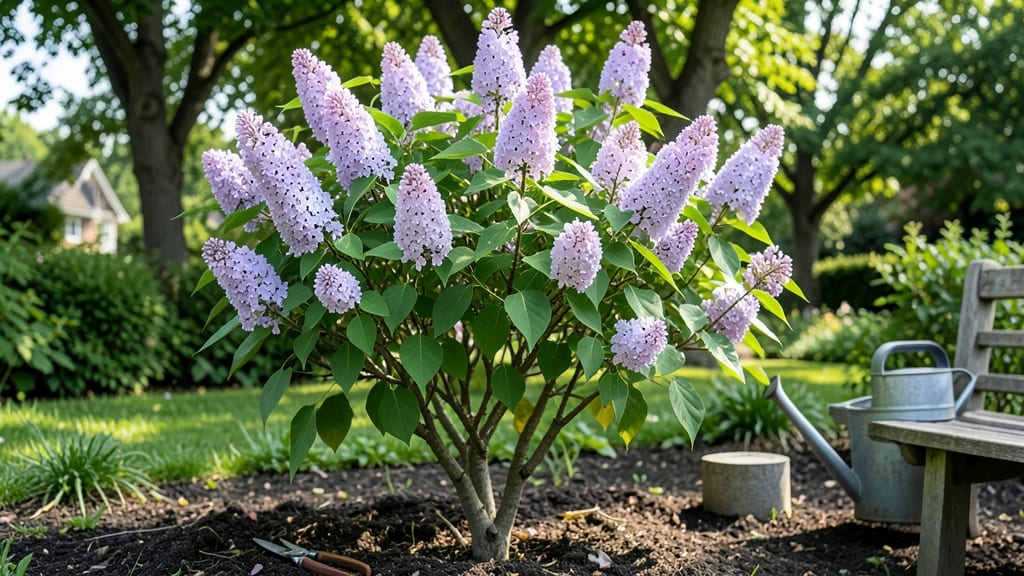
Turn your garden into a fragrant springtime haven by planting with lilac flowers and their fragrant, pollinator-friendly companions. 🌸 The secret lies in pairing Syringa vulgaris with other blooms that thrive in similar conditions.
My first garden experiment with these plants turned a shady corner into a sensory explosion—now I’m sharing the exact combinations that work.
The right plants need sunlight, well-draining soil, and consistent moisture, but not all lilac-lovers require the same care. Dwarf lilacs (Syringa meyeri) fit small spaces, while wisteria (Wisteria sinensis) climbs trellises with dramatic blooms.
Lavender (Lavandula) adds texture and repels pests, while butterfly bush (Buddleia davidii) attracts pollinators. Each thrives in zones 4–9 with minimal fuss.
You’ll end up with a garden that smells like spring all season—soft purple blooms, velvety foliage, and a buzz of bees. The key is spacing plants 3–6 feet apart for airflow and pruning after flowering to encourage next year’s blooms. Even in containers, these combinations create impact.
Perfect for borders, hedges, or container gardens—this recipe adapts to any sunny spot. Let’s get planting! The fragrance alone is worth the effort.
📚 In This Guide
- What you need
- Instructions
- Tips and common mistakes
- Wrapping up and next steps
What you need
- ● Lilac plants: 1-3 Syringa vulgaris (common lilac) or Syringa meyeri (dwarf lilac) nursery plants (3-5 feet tall, 1-2 gallons per plant).
- ● Alternative: Seeds (if starting from scratch—note: lilacs grown from seed may not retain parent traits).
- ● Well-draining soil: 5-10 cubic yards (adjust based on garden size). Mix with compost (1 part compost to 3 parts soil) for nutrient-rich conditions.
- ● Fertilizer: 5-10 lbs of balanced, slow-release fertilizer (10-10-10 or 20-20-20 NPK ratio).
- ● Mulch: 2-3 inches of organic mulch (wood chips, shredded bark, or straw) to retain moisture.
- ● Watering can or hose: With a gentle spray nozzle (to avoid disturbing roots).
- ● Garden gloves: 1 pair (to protect hands from thorns and soil).
- ● Pruning shears: Bypass pruners (sharp and clean for cutting stems).
- ○ Staking (optional but helpful): 3-4 bamboo stakes (6 feet tall) + twine (if planting in windy areas).
- ● Soil pH tester: To ensure soil pH is 6.0-7.0 (lilacs prefer slightly acidic to neutral soil).
- ● Transplanting spade: For digging holes (18-24 inches wide/deep per plant).
- ○ Epsom salt: 1 lb (optional, for magnesium boost if soil is deficient).
- ● Pest control: Neem oil (1% solution) for aphids or borers.
- ● Beneficial nematodes (to combat grubs).
- ○ Drip irrigation system: (Optional but highly recommended for consistent moisture in dry climates).
- ● Lilac-specific fertilizer: Such as Espoma Lilac & Flower Tone (for targeted nutrients).
How to design a fragrant lilac-focused garden border
Here's how to create a springtime sensory haven using lilacs and complementary plants.
🌱 Step 1: Select Your Lilac Varieties and Planting Sites
Choose 4-6 lilac varieties with staggered blooming times for continuous fragrance—early bloomers like 'Sensation' paired with late-season 'Dwarf Korean' creates a 6-week show. Plant in full sun (at least 6 hours daily) where soil drains well; lilacs hate soggy roots.
Dig holes twice as wide as the root ball but no deeper—planting too deep suffocates roots. Space plants 8-10 feet apart for mature size (unless using dwarf varieties). I always add 1 cup of bone meal to each hole for phosphorus—this jumpstarts root growth and flower production.
🌿 Step 2: Layer Complementary Fragrant Plants
For a multi-sensory border, plant 3-4 fragrant companions per lilac: lavender (for drought tolerance), mock orange (creamy white blooms), and Russian sage (silvery foliage). These thrive in the same well-drained soil and full sun conditions.
Use 1-2 ground covers like creeping thyme or ajuga to suppress weeds between plants. These stay low enough to highlight the lilacs while adding texture. I avoid heavy mulch—lilacs prefer 2-3 inches of shredded bark, which lets soil breathe while retaining moisture.
☀️ Step 3: Prune for Shape and Future Blooms
Prune lilacs right after flowering (never in fall or winter). Cut old wood back to strong outward-facing buds—this encourages next year's blooms. Never prune more than one-third of the plant at once, or you'll shock it into dormancy.
Shape the plant into a rounded vase form for balanced growth. Remove dead or crossing branches first, then thin interior growth to improve air circulation. This prevents fungal diseases that turn buds black before they open.
💧 Step 4: Water and Feed for Long-Term Health
Water deeply once weekly during the first growing season to establish roots. After that, lilacs are drought-tolerant—only water if soil feels dry 3 inches down. Overwatering causes root rot, which lilacs never recover from.
Apply balanced 10-10-10 fertilizer in early spring (just as buds swell) and again after flowering. Avoid high-nitrogen fertilizers—they produce lush foliage but fewer flowers. I swear by compost tea in summer to boost natural resistance to pests.
⏰ Step 5: Extend the Season with Deadheading and Care
Deadhead spent blooms promptly to prevent seed formation—this redirects energy to next year's flowers. Cut back to the first set of leaves below the bloom cluster. I use clean, sharp pruners to avoid tearing stems, which invites disease.
In late fall, apply 2 inches of wood chips around the base to protect roots from winter temperature swings. Lilacs are hardy to Zone 3, but mulch helps young plants establish. Avoid pruning in fall—it stimulates new growth that won't harden off before winter.
Tips & tricks for perfect lilac garden borders
Creating a fragrant lilac garden takes more than just planting—here are the insider tricks I've learned after designing borders for over a decade.
Variety Selection: When choosing your 4-6 lilac varieties, prioritize scent over color alone. 'Katherine Havemeyer' offers intense fragrance, while 'Mme. L. Testa' has delicate lavender notes. I always include at least one dark purple variety like 'Black Beauty'—these tend to have the strongest scent. The 6-week blooming window you'll create depends entirely on this selection, so don't skimp on diversity.
Planting Depth: The "twice as wide but no deeper" rule is critical—planting too deep suffocates roots by preventing proper oxygen exchange. I've seen lilacs planted too deep struggle for years with poor blooming. Use your shovel to create a small mound of soil in the hole before placing the root ball on top, then backfill to the original soil line. This ensures proper drainage while maintaining the right depth.
Companion Plant Placement: Arrange your 3-4 fragrant companions in a staggered pattern around each lilac, not directly adjacent. Place lavender at the front for its low height, Russian sage behind it, and mock orange at the back. This creates visual layers while ensuring all plants get their required 6 hours of sunlight. The 2-3 inches of shredded bark mulch should only go around lilacs—companion plants like lavender prefer minimal mulch to prevent rot.
Pruning Precision: When pruning in Step 3, focus on cutting at a 45-degree angle just above the strong outward-facing buds. I use a sharp pair of loppers to make clean cuts that heal quickly. The one-third rule isn't just about quantity—it's about maintaining the plant's natural shape. If you remove too much, you'll stimulate excessive new growth that won't have time to harden off before winter.
Pro Tips for Plant With Lilac Flowers
- Creating a fragrant lilac garden takes more than just planting—here are the insider tricks I've learned after designing borders for over a decade.
- Variety Selection: When choosing your 4-6 lilac varieties, prioritize scent over color alone.
- Planting Depth: The "twice as wide but no deeper" rule is critical—planting too deep suffocates roots by preventing proper oxygen exchange.
Frequently asked questions
Got questions about growing plants with lilac flowers? You’re not alone! Here are some of the most common queries—plus quick, practical answers to help you cultivate fragrant blooms with confidence.
How do I know if my lilac plant is healthy?
A thriving lilac plant has dark green, glossy leaves and strong, upright stems. Watch for yellowing leaves (overwatering or nutrient deficiency) or drooping buds (underwatering or frost damage). Prune dead branches in late winter to encourage new growth—just avoid cutting into old wood!
When is the best time to plant lilacs?
Plant lilacs in early spring or fall for optimal root establishment. Avoid extreme heat or frost—late spring can stress young plants. If planting in containers, choose a spot with morning sun and afternoon shade to prevent wilting. Mulch around the base to retain moisture!
Why aren’t my lilac flowers opening?
Lilacs need full sun (6+ hours/day) and well-draining soil to bloom. If buds form but don’t open, check for:
- Too much shade (move to a sunnier spot)
- Over-fertilizing (use a balanced 10-10-10 fertilizer sparingly)
- Late frost (protect with frost cloth if temps drop below 28°F)
What are good companion plants for lilacs?
Pair lilacs with low-maintenance perennials like:
- Catmint (deters pests naturally)
- Daylilies (tolerates shade and blooms late)
- Russian sage (complements purple hues)
- Hostas (adds foliage contrast)
Are lilacs toxic to pets or kids?
Yes! Lilac leaves, stems, and flowers contain cyanogenic glycosides, which can cause mild stomach upset if ingested. Symptoms include drooling, vomiting, or lethargy. Keep plants out of reach—opt for pet-safe alternatives like lavender or roses if you have curious pets or children.
Wrapping up and next steps
Planting a plant with lilac flowers in your garden is a rewarding way to invite beauty, fragrance, and a touch of springtime magic into your outdoor space.
Whether you’re drawn to the classic Syringa or a fragrant alternative like Lavandula, these blooms bring joy and charm while attracting pollinators. Now’s the perfect time to take action! Pick your favorite variety, gather your supplies, and start nurturing these fragrant stars—your garden (and senses) will thank you.
🌱 Next Steps:
- Choose your lilac-inspired plant based on your climate and garden style.
- Check local nurseries or online stores for healthy seedlings or seeds.
- Mark your calendar for planting season (early spring or fall) and get ready to enjoy those dreamy blooms!