
Flowers
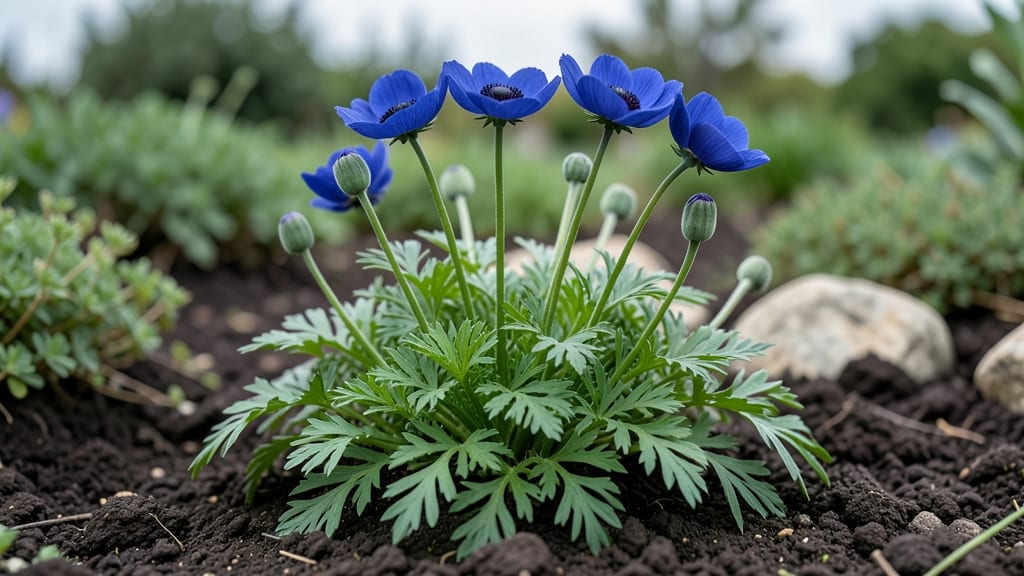
The flower availability of anemones in the Pacific Northwest hinges on timing—these delicate blooms only pop up reliably in late spring and summer, with tubers arriving in fall for planting.
I’ve learned the hard way that waiting too long for spring stock means missing out on the best varieties, while fall tubers need to be in the ground before the first frost. The right timing turns a frustrating hunt into a stunning garden display.
In the Pacific Northwest, anemones thrive in zones 5-9, so local nurseries and seasonal markets are your best bet for fresh stock. I’ve found that specialty bulb shops often carry a wider selection than big-box stores, and their staff can guide you toward varieties that handle our famously wet springs.
Fall is the prime window for tubers, while spring brings potted blooms—both worth planning ahead for.
What you’ll get right is a garden that bursts with color from May through July, with varieties like ‘Honorine Jobert’ and ‘De Caen’ standing out in soft pinks and blues. The key is acting fast when stock appears—these beauties sell out quicker than you’d think.
Once planted, they’ll naturalize and return year after year, making the timing worth every bit of patience.
For those outside the PNW, online retailers like Bare Root Plants or Terrain ship tubers year-round, but local climate matters—check your zone to match bloom cycles. Whether you’re a seasoned gardener or just starting, knowing when to buy means never missing another chance to grow these ethereal flowers.
📚 In This Guide
- What you need
- Instructions
- Tips and common mistakes
- Wrapping up and next steps
What you need
- ● Garden or Nursery Guide: A seasonal bloom calendar or PNW-specific gardening app (e.g., Gardenate or Proven Winners)
- ● Digital Tools: Smartphone or tablet with internet access
- ● GPS or maps app (for locating local nurseries or wild blooming spots)
- ● Field Supplies (for foraging or visiting gardens): Notebook + pen (to log bloom times, locations, or species)
- ○ Camera (optional but helpful for documenting finds!)
- ● Comfortable walking shoes + weather-appropriate layers
- ● Local Nursery Contacts: List of PNW-based nurseries specializing in perennials (e.g., Swansons Nursery, Bare Root Nursery)
- ● Seed Starting Supplies: Seed trays or small pots (if propagating anemones from seed)
- ● High-quality seed-starting mix (sterile and well-draining)
- ● Grow lights or sunny windowsill (for indoor seedling care)
- ● Community Resources: Access to local gardening Facebook groups or forums (e.g., Pacific Northwest Gardeners)
- ● Membership to botanical gardens (e.g., Portland Japanese Garden, Seattle’s Washington Park Arboretum)
- ● Knowledge of anemone species common to the PNW (e.g., Anemone hupehensis, Anemone canadensis, or Anemone nemorosa)
- ● Awareness of local regulations (e.g., foraging laws or protected areas)
- ● Flexibility to plan trips around seasonal bloom cycles (typically late summer to early fall in the PNW)
How to track and maximize Anemone flower availability in the Pacific Northwest
Timing is everything when it comes to enjoying these delicate blooms in your region.
Identify the Two Key Anemone Bloom Seasons
Anemones in the Pacific Northwest bloom in two distinct waves, each with its own varieties. The first wave arrives in late spring to early summer (May–June), featuring hardy species like Anemone nemorosa (wood anemone) and Anemone blanda. These early bloomers thrive in cooler temperatures and partial shade, making them perfect for woodland gardens or shaded borders.
Watch for the first delicate white or blue-green buds pushing through the soil in early May. These are your signal that the season has truly begun. The second wave, featuring taller, showier varieties like Anemone hupehensis and Anemone × hybrida (hybrid anemones), emerges in late summer to fall (August–October). These later bloomers often reach 2–3 feet tall and produce bold, papery flowers in shades of pink, purple, and white.
Scout Local Nurseries and Wild Areas for Availability
Anemones aren’t widely available year-round in Pacific Northwest nurseries, so plan your purchases around their natural bloom cycles. Start checking local specialty nurseries in early spring (March–April) for potted wood anemones (Anemone nemorosa) and spring-blooming varieties. These are often sold as dormant tubers or small plants, ready to be planted in moist, well-drained soil.
For late-season anemones, visit nurseries again in early summer (June–July). Look for established plants or tubers of Anemone hupehensis and hybrids, which are typically sold in 4-inch pots. Wild areas, such as forest edges and meadows, are also great spots to observe natural blooming patterns. The Mount Rainier and Olympic Peninsula regions are known for dense wild anemone populations, particularly in shaded, moist environments.
Plan for Long-Term Availability Through Division and Seed Collection
Since anemones aren’t always in stock, extend their availability in your garden by dividing mature clumps every 3–4 years. This is best done in early spring (March–April) or early fall (September–October), when the plant is dormant but roots are still active. Dig up a clump, separate it into smaller sections with 3–5 shoots each, and replant immediately in prepared soil.
For a more hands-off approach, collect seeds from late-season blooms in September–October. Allow the seed heads to dry on the plant before harvesting. Store seeds in a cool, dry place until spring planting. Anemones grown from seed may take 2–3 years to bloom, but this method ensures you’ll always have a fresh supply of native varieties tailored to your microclimate.
Extend the Season with Strategic Planting
To enjoy anemones year-round, layer your garden with a mix of early, mid, and late-season varieties. Plant **wood anemones (Anemone nemorosa) in fall (October–November) for early spring blooms, while taller hybrids can be planted in early spring (March–April) to flower in late summer. This staggered approach ensures continuous color from May through October.
Mulch newly planted anemones with 2–3 inches of organic mulch** (like shredded bark or compost) to retain moisture and regulate soil temperature. This helps young plants establish roots quickly, so they’re ready to bloom on schedule the following season. Avoid heavy mulch in winter, as it can suffocate dormant tubers.
Tips & tricks for perfect Anemone bloom timing
These practical tips will help you maximize your Pacific Northwest anemone season without missing a beat.
Seasonal Observation: The two bloom waves I mentioned in Step 1 actually overlap slightly in transition months. Early May can bring both wood anemones and the first hybrid varieties if your microclimate is particularly warm. I've seen this happen in sheltered garden spots near Puget Sound—watch for those early bloomers and mark your calendar accordingly.
Nursery Timing Strategy: When visiting nurseries in March-April for spring varieties, arrive early—these sell out fast! I recommend calling ahead to confirm stock of Anemone nemorosa tubers, as they're often the first to go. For late-season varieties, June-July shopping is best, but don't wait until August if you want established plants—they'll need time to establish before fall blooming.
Division Technique: When dividing clumps every 3-4 years as mentioned in Step 3, focus on keeping those 3-5 shoots per section. I've learned the hard way that smaller divisions struggle to establish—each section needs enough energy to regrow. Also, replant immediately after dividing rather than storing, as the roots dry out quickly even in cool Pacific Northwest conditions.
Pro Tips for Anemone Flower Availability
- These practical tips will help you maximize your Pacific Northwest anemone season without missing a beat.
- Seasonal Observation: The two bloom waves I mentioned in Step 1 actually overlap slightly in transition months.
- Nursery Timing Strategy: When visiting nurseries in March-April for spring varieties, arrive early—these sell out fast!
Frequently asked questions
about anemone flower availability—especially in the Pacific Northwest—can help you plan your garden or bouquet purchases with confidence! Here are some common queries answered:When is the best time to find anemones in the PNW?
Anemones typically bloom in late spring to early summer (May–July), with some varieties extending into fall. In the Pacific Northwest, Anemone hupehensis and Anemone coronaria (popular for cut flowers) peak in June. Check local nurseries for seasonal stock updates!
Where can I buy anemones if local stores don’t have them?
If garden centers are sold out, try online florists (like Bloomscape or Etsy for rare varieties), specialty bulb shops, or even Facebook Marketplace for PNW-based sellers. Pro tip: Order early—popular colors (like deep red or blue) sell fast!
How long do cut anemones last in a vase?
With proper care, cut anemones last 7–10 days. Trim stems at an angle, change water every 2 days, and keep them away from direct sunlight or heat sources. Fun fact: Their delicate petals may droop at night—just give them a gentle shake in the morning!
Can I grow anemones from seed, or should I buy bulbs?
Most anemones (especially Anemone coronaria) are best grown from bulbs or tubers, not seeds, due to slow germination. If you’re patient, try cold-stratifying seeds for Anemone nemorosa (wood anemone), but bulbs guarantee faster, showier blooms in the PNW’s mild climate.
Why aren’t my anemones blooming this year?
Common culprits: overcrowded roots, insufficient sunlight (they need 6+ hours/day), or poor soil drainage. Divide clumps every 3–4 years, add compost, and ensure they’re planted in well-draining soil. PNW tip: Mulch in winter to protect tubers from wet, cold springs!
Wrapping up and next steps
From the Pacific Northwest’s lush landscapes to your own garden, anemones bring a burst of color and charm when timed just right! 🌸 Whether you’re a seasoned gardener or a curious beginner, understanding their peak bloom seasons—spring, summer, and fall—will help you snag these beauties at their freshest.
With local nurseries, online retailers, and even wild foraging (when ethical and legal), the options are as diverse as the flowers themselves.
Ready to transform your space? Start by marking your calendar for the next anemone season, then explore regional growers or seed suppliers to bring home your favorites. Happy planting—your garden (and pollinators!) will thank you. 🌿✨