
Flowers
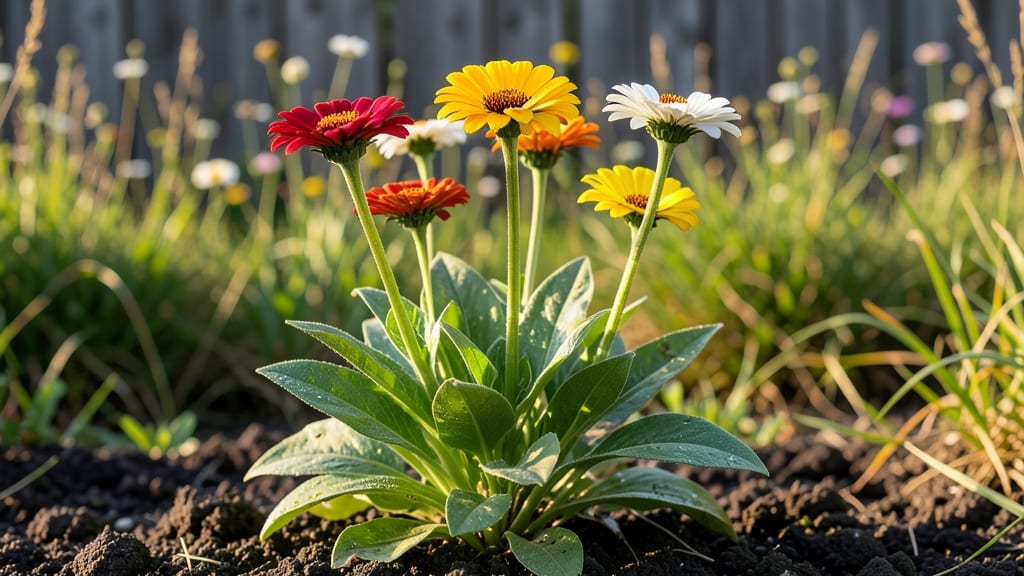
An annual flowers definition reveals plants that burst into life, thrive, and fade in a single season—like my first marigold patch, those fiery oranges popping up like magic from spring to frost. 🌸 clockwork every summer.
Unlike perennials that return year after year, annuals deliver instant color, making them perfect for impatient gardeners or rental spaces where long-term planting isn't possible.
What makes them so popular? Their fast growth and versatility—you can plant them in containers, borders, or even as cut flowers. Common examples like zinnias, petunias, and cosmos thrive in sunlight and bloom nonstop with minimal fuss.
The trade-off? They’ll die when frost hits, but that’s part of their charm: each season feels like a fresh start.
Think of annuals as your garden’s edible confetti—they fill gaps, attract pollinators, and let you experiment with colors and textures without commitment. A well-placed patch of snapdragons or sunflowers can anchor a bed, while trailing nasturtiums spill over edges like nature’s own waterfall.
The key is choosing varieties that match your climate and sunlight, then giving them consistent water and occasional deadheading for longer blooms.
Ready to dive in? Annuals are forgiving for beginners but still reward experienced gardeners with showstopping displays. Next, we’ll cover how to pick the best varieties for your zone and keep them blooming all season long—no green thumb required.
📚 In This Guide
- What you need
- Instructions
- Tips and common mistakes
- Wrapping up and next steps
What you need
- ● Annual flower seeds or seedlings: Choose from sun-loving varieties (e.g., marigolds, zinnias) or shade-tolerant picks (e.g., impatiens, begonias). Quantity: Adjust based on space—typically 10–20 seeds per square foot or 1–2 seedlings per 12-inch pot.
- ● Well-draining potting mix: Opt for a lightweight blend (e.g., 60% peat moss, 30% perlite, 10% compost). Quantity: 1–2 cubic feet for in-ground planting; 1–2 bags (5–10 lbs) for containers.
- ● Containers or garden beds: Containers: 5–12-inch pots with drainage holes (1–2 plants per 6-inch pot).
- ● Garden beds: Loose, fertile soil with 6–12 inches of depth.
- ● Basic gardening tools: Trowel or hand shovel (for transplanting seedlings).
- ● Gloves (to protect hands from soil and thorns).
- ● Watering can or hose with a gentle spray nozzle.
- ● Fertilizer: Slow-release granular (10–10–10 NPK ratio) or liquid bloom booster. Apply: Follow package rates (typically 1 tbsp per sq ft or per gallon of water).
- ○ Mulch (optional): Shredded bark or straw to retain moisture and suppress weeds. Spread: 2–3 inches thick after planting.
- ○ Stakes or cages (optional): For tall varieties like sunflowers or snapdragons to prevent flopping.
- ● Sunlight & water access: Confirm your planting spot gets full sun (6+ hours/day) or partial shade (3–6 hours), depending on your flowers.
How to understand annual flower bloom cycles for year-round garden planning
Here's how to decode their growth patterns and plan for continuous color.
🌱 Step 1: Identify Key Growth Stages of Annuals
Annual flowers complete their entire life cycle in one growing season, from seed to bloom to seed production. The critical stages are germination (5-14 days depending on species), vegetative growth (leaf development), and flowering (typically 6-12 weeks after germination). This rapid progression is why they deliver such vibrant, concentrated blooms.
I always start by researching the specific annuals I want to plant. For example, zinnias may take 10-12 weeks to flower from seed, while sweet alyssum blooms in just 4-6 weeks. This timing determines when to sow seeds indoors versus direct-sowing outdoors. The key is matching the plant's natural rhythm with your climate's frost dates.
☀️ Step 2: Match Planting Time to Local Climate Zones
Annual flowers thrive when planted after the last frost date in your zone, but timing varies dramatically. In Zone 5, I wait until mid-May when soil temperatures reach 55°F, while Zone 9 gardeners can plant as early as February. Use your local frost dates as the baseline, then adjust for heat-loving annuals like marigolds (plant after soil warms to 60°F) versus cool-season types like pansies (tolerate 40°F soils).
Here's the thing—annuals planted too early won't survive frost, and those planted too late may bolt before flowering. I always calculate backward from my first fall frost date, subtracting the plant's days-to-maturity. For example, a 60-day annual like cosmos needs to be in the ground by July 15th in my Zone 6 garden to bloom before frost.
💧 Step 3: Create Continuous Bloom Sequences
The secret to nonstop color is layering annuals with staggered bloom times. Start with early bloomers like snapdragons (60-70 days to flower) followed by mid-season types like petunias (70-80 days), then late-season performers like sunflowers (80-90 days). I plant 3-4 different annual varieties in each bed to ensure something's always in bloom.
Don't forget about succession planting. After your first wave of blooms fades, pull up spent plants and sow quick-growing annuals like cosmos or zinnias in their place. This creates a natural progression where one plant's decline coincides with another's peak. The visual effect is seamless color transitions throughout the season.
✂️ Step 4: Extend the Season with Deadheading and Care
Annuals reward consistent care with prolonged flowering. Deadhead spent blooms regularly to encourage new flower production—this simple act can extend bloom time by 3-6 weeks. I always carry small pruners in my gardening tote and make deadheading part of my weekly garden routine. For annuals like geraniums and salvias, I also pinch back leggy growth to promote bushier, more compact plants.
Watering strategy matters too. Most annuals need 1-1.5 inches of water weekly, but mulching with 2-3 inches of organic mulch helps retain moisture and prevents soil temperature swings that can stress plants. I've found that annuals in well-mulched beds handle heat waves better and continue blooming when unmulched plants wilt.
Tips & tricks for mastering annual flower bloom cycles
Understanding annual flower bloom cycles transforms your garden from seasonal color bursts to year-round beauty. Here's how to maximize their potential without the guesswork.
Species-Specific Timing: The 5-14 day germination window is your first critical marker—test seeds in small pots before committing to full beds. I've learned that zinnias (10-12 weeks to bloom) and sweet alyssum (4-6 weeks) behave completely differently, so I always research each variety's exact timeline before planning. This prevents wasted space when early bloomers finish before late-season stars appear.
Soil Temperature Secrets: Those 55°F soil temperature thresholds aren't arbitrary—they're when most annuals' metabolic processes kick into gear. I use a soil thermometer to verify conditions before planting, especially for heat-lovers like marigolds (60°F minimum). For cool-season pansies, I plant when soil hits 40°F—any warmer and they'll bolt prematurely. Pro tip: Black plastic mulch can raise soil temps by 5-10°F faster than bare ground.
Succession Planting Strategy: The 3-4 variety layering technique works best when you stagger plantings every 2-3 weeks throughout the season. After your snapdragons (60-70 days) finish, I replant with cosmos (80-90 days) that will bloom just as the first frost approaches. This creates that magical "something's always blooming" effect without requiring constant planting.
Deadheading Discipline: That 3-6 week bloom extension from regular deadheading is real—but timing matters. Remove only the spent flowers, not the entire stem, to preserve leaf production. For geraniums, I use a "thirds rule": when one-third of blooms are spent, it's time to prune back leggy growth. This keeps plants compact while encouraging new flowers to form at the base rather than just the tips.
Pro Tips for Annual Flowers Definition
- Understanding annual flower bloom cycles transforms your garden from seasonal color bursts to year-round beauty.
- Species-Specific Timing: The 5-14 day germination window is your first critical marker—test seeds in small pots before committing to full beds.
- Soil Temperature Secrets: Those 55°F soil temperature thresholds aren't arbitrary—they're when most annuals' metabolic processes kick into gear.
Frequently asked questions
Got questions about annual flowers? You’re not alone! Here are some of the most common queries—plus quick, practical answers to help you garden with confidence.
What’s the difference between annuals and perennials?
Annuals complete their life cycle in one growing season—from seed to bloom to seed production—then die. Perennials, however, return year after year from the same root system. Annuals offer vibrant, seasonal color but require replanting, while perennials provide long-term beauty with less upkeep.
How long do annual flowers typically bloom?
Bloom duration varies by type, but most annuals flower for 6–12 weeks with proper care. For example, zinnias and marigolds bloom continuously until frost, while petunias may need deadheading (removing spent blooms) to extend their show. Choose varieties labeled “long-blooming” for extended color.
Can annual flowers survive winter?
No—annuals are not frost-hardy and die back in cold weather. However, some tender annuals (like geraniums) can be dug up and overwintered indoors. Most gardeners replant new annuals each spring for fresh blooms. If you love their look, consider tender perennials (like cannas) as a halfway option!
Why did my annual flowers stop blooming?
Common culprits include over-fertilizing (too much nitrogen = leafy growth, no flowers), lack of sunlight, or stress (like drought or pests). Try deadheading, giving them balanced fertilizer (low in nitrogen), and ensuring they get 6+ hours of sun daily. Some annuals, like impatiens, naturally slow down in extreme heat.
Are there low-maintenance annual flowers for beginners?
Start with self-cleaning varieties like cosmos, zinnia, or sunflower—they drop seeds and reseed easily. Marigolds and snapdragons are also forgiving. For containers, try petunias or begonias—they thrive with minimal fuss and brighten up patios effortlessly.
Can I save seeds from annual flowers?
Yes! Many annuals (like hollyhocks, cleome, or nasturtiums) produce seeds you can collect, dry, and store for next year. Let some blooms mature into seed pods, then harvest when dry. Store seeds in a cool, dark place. Pro tip: Label varieties to avoid surprises—some may not grow true to form!
Wrapping up and next steps
Annual flowers bring vibrant color and life to gardens with their one-season magic—quick blooms, easy care, and endless variety! Whether you’re a beginner or a seasoned gardener, understanding their definition and growth cycles unlocks effortless beauty. 🌸
Ready to transform your space? Start small—pick a sunny spot, choose your favorites, and plant with confidence. Your garden’s next masterpiece is just a seed away!