Tools
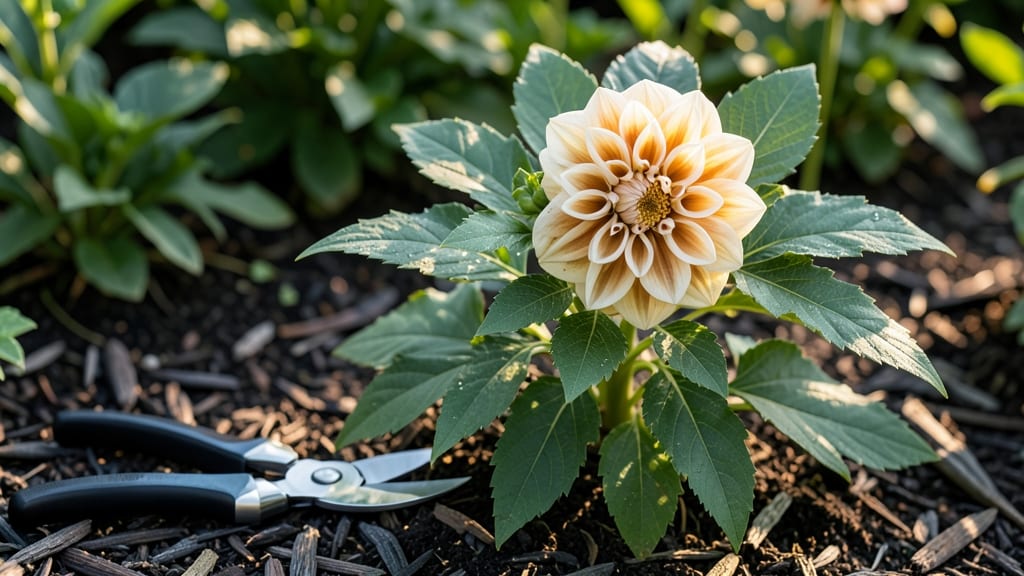
The right flower gardening tools make all the difference—precision cuts mean flowers that bloom longer, stronger, and more reliably—no guesswork, just results. 🌸 I’ve learned the hard way that cheap or mismatched tools lead to frustration, not beauty.
The difference between a garden that thrives and one that struggles often comes down to having the right implements for the job.
Start with the basics: a sharp pair of pruners for clean cuts, a hand trowel for digging small holes, and a long-handled weeder for reaching deep without strain. Add a garden fork for aerating soil and a spray bottle for gentle watering—these five tools solve 90% of flower-garden tasks.
Optional upgrades like a bypass pruner for roses or a soil knife for dividing perennials take your game to the next level.
With the right tools, you’ll see fewer broken stems, healthier plants, and blooms that last from spring through fall. Pruning becomes effortless, deadheading is quick, and even dividing perennials feels like a breeze. The investment pays off in vibrant, low-maintenance gardens that neighbors will envy.
Pro tip: Sharpen blades regularly, clean tools after use, and store them properly to prevent rust. A little care extends their life—and your garden’s productivity—for years. Ready to upgrade your toolkit?
📚 In This Guide
- What you need
- Instructions
- Tips and common mistakes
- Wrapping up and next steps
What you need
- ● Hand Trowel: A sturdy, 6-inch stainless steel trowel for planting, transplanting, and digging small holes.
- ● Pruning Shears: Sharp, bypass-pruning shears (3.5–4.5 inches) for clean cuts on stems and deadheading.
- ● Garden Gloves: Heavy-duty, breathable gloves (e.g., leather or nitrile-coated) to protect hands from thorns and dirt.
- ● Watering Can or Hose: A 1–2 gallon watering can with a rose nozzle or a lightweight hose with adjustable spray settings.
- ● Garden Fork: A 4-tine fork (12–18 inches) for aerating soil and mixing in compost.
- ● Measuring Tape or Ruler: A 6-foot tape for spacing plants accurately.
- ● Soil pH Tester: A digital or liquid kit to check soil acidity/alkalinity (ideal for flower health).
- ● Compost or Fertilizer: Organic compost (e.g., worm castings) or slow-release granular fertilizer (10-10-10 ratio).
- ● Mulch: 2–3 inches of organic mulch (e.g., shredded bark or straw) to retain moisture and suppress weeds.
- ● Kneeling Pad: A cushioned pad for comfort during long gardening sessions.
- ● Garden Kneeler: A foldable seat with a tray to hold tools and soil.
- ● Soil Knife: For slicing through roots or dividing perennials.
- ● Transplant Spade: A flat-edged spade for moving larger plants with minimal root disturbance.
- ● Spray Bottle: For misting seedlings or applying foliar fertilizers.
- ● Garden Journal: To track planting dates, blooming cycles, and notes on flower varieties.
- ● Solar-Powered Lights: For illuminating pathways or garden beds after dark.
Step-by-Step guide to selecting essential flower gardening tools
Here’s how I choose tools that make every pruning, planting, and harvest effortless.
🌱 Step 1: Choose Pruners for Clean, Disease-Free Cuts
Bypass pruners with 5-inch blades are my go-to for flowers—they make sharp, clean cuts that heal faster and reduce disease risk. Avoid anvil pruners; they crush stems and leave jagged edges that invite rot. Look for stainless steel blades that stay sharp longer and resist rust, even after wet seasons.
Test the pruners by cutting a thin stem—if it snaps cleanly without tearing, you’ve got the right tool. I keep a pair dedicated to flowers and another for vegetables to avoid cross-contamination. Store them in a dry place with the blades facing upward to prevent moisture buildup.
🌿 Step 2: Select a Trowel for Precision Planting
A stainless steel trowel with a 6-inch blade is non-negotiable for transplanting flowers. The narrow blade slips between roots without damaging them, and the angled tip helps pop weeds out cleanly. Avoid plastic trowels—they warp over time and don’t hold up to rocky soil.
Dig a hole twice as wide as the root ball and just as deep—this gives roots room to spread without bending. Press the soil firmly around the base to eliminate air pockets, then water deeply. If your soil is clay-heavy, mix in 1 part perlite to improve drainage before planting.
✂️ Step 3: Invest in a Hand Pruner for Deadheading
Deadheading spent blooms keeps flowers producing all season. A small, ergonomic hand pruner with a 3-inch blade lets you snip just above the next set of leaves without disturbing new growth. I reach for mine daily in summer—it’s the secret to continuous blooms from petunias, zinnias, and dahlias.
Cut at a 45-degree angle just above a leaf node to encourage branching. If you’re working with delicate stems like snapdragons, use clean, sharp scissors instead of pruners to avoid crushing. Always sanitize tools with rubbing alcohol between plants to prevent spreading powdery mildew.
🪴 Step 4: Add a Soil Knife for Weed Control
A soil knife with a 12-inch blade is my weapon against weeds. The serrated edge slices through roots cleanly, while the flat side helps scrape mulch into garden beds. Unlike a hoe, it won’t disturb shallow-rooted flowers like pansies or violas.
Work in early morning or late afternoon when soil is moist but not soggy—weeds pull out easier. Slide the knife vertically to sever roots at the base, then pull upward. For stubborn weeds like creeping Charlie, repeat weekly until they’re gone. Store the knife blade-down in a dry tool shed to prevent rust.
☀️ Step 5: Organize Tools for Longevity
Hang pruners and trowels on a wall-mounted rack with hooks to keep blades dry and accessible. Use a tool roll for smaller items like hand pruners and scissors—it protects them from dust and moisture. Label each tool with paint markers if you have multiple sets (e.g., "Flowers" vs. "Vegetables").
Sharpen blades once a month with a file or whetstone—dull tools tear stems and stress plants. After each use, wipe tools down with a damp cloth and apply a thin coat of mineral oil to stainless steel to prevent rust. I schedule a deep clean at season’s end, soaking tools in vinegar and water to remove sap and grime.
Tips & tricks for perfect flower gardening tools
Took me years to figure out these essential tricks—your garden (and your tools) will thank you.
Tool Selection: When choosing bypass pruners, prioritize ergonomic handles for extended use. The 5-inch blade mentioned in Step 1 is ideal for most flowers, but for larger shrubs like roses, consider a 7-inch blade for leverage. Remember, the right tool makes all the difference—don't compromise on quality for your flower garden's health.
Maintenance Strategy: The once-a-month sharpening in Step 5 is non-negotiable, but I've found that after each heavy use (like pruning overgrown roses), a quick wipe with a damp microfiber cloth prevents sap buildup that dulls blades faster. Store tools with silica gel packets in the drawer to absorb moisture between uses.
Planting Precision: For the 6-inch trowel in Step 2, I've discovered that using a rubberized grip version reduces hand fatigue during long planting sessions. When digging holes, mark the depth with a wooden stake—this visual guide prevents over-planting, which can suffocate roots. The twice-as-wide rule works best when you use your trowel to loosen soil in concentric circles around the hole.
Weed Control Technique: The soil knife in Step 4 becomes even more effective when you use it to make 1-inch-deep trenches around flower beds. This creates a natural barrier that weeds can't cross. For stubborn perennial weeds like creeping Charlie, I've found that repeating the vertical cut weekly for three weeks breaks their root systems completely.
Pro Tips for Flower Gardening Tools
- Took me years to figure out these essential tricks—your garden (and your tools) will thank you.
- Tool Selection: When choosing bypass pruners, prioritize ergonomic handles for extended use.
- Store tools with silica gel packets in the drawer to absorb moisture between uses.
Frequently asked questions
Got questions about flower gardening tools?
You’re not alone! Here are answers to the most common queries to help you garden like a pro—no guesswork required.
What are the essential tools every beginner should start with?
Start with a hand trowel (for planting), pruning shears (for clean cuts), a garden glove (protection + grip), and a watering can (precision hydration). A measuring tape and stakes are also handy for spacing. Skip the fancy gadgets—master the basics first!
When is the best time to use pruning tools?
Prune dead or diseased branches anytime, but time other cuts to the season:
- Spring: Trim back perennials after new growth appears.
- Summer: Deadhead spent blooms to encourage more flowers.
- Fall/Winter: Prune shrubs (like hydrangeas) after flowering or before buds swell.
Are expensive tools worth the investment?
Not always! A $15 pair of bypass pruners (like Felco or Fiskars) lasts years, while cheap tools bend or rust quickly. Splurge on durable metals (stainless steel) and ergonomic grips, but skip "garden gadget" trends—focus on versatility. Example: A multi-tool like a hori-hori knife replaces 3+ tools!
How do I clean and store tools to prevent rust?
Rinse tools immediately after use with water, then wipe dry with a cloth. Apply a light coat of mineral oil to metal parts (especially blades) to prevent rust. Store them in a dry, shaded spot—hang pruners or use wall-mounted racks to avoid moisture buildup. Bonus: Disinfect blades with rubbing alcohol to kill bacteria!
My pruners keep getting dull—how do I sharpen them?
Use a file or sharpening stone to maintain edges:
- Hold the blade at a 20° angle and stroke the file away from the handle (3–4 strokes per side).
- Check for even edges—no flat spots!
- Wipe clean and oil afterward.
Wrapping up and next steps
Investing in the right flower gardening tools is like giving your garden a superpower—precision, efficiency, and beauty in every bloom! 🌸 From pruners to gloves, each tool plays a vital role in keeping your plants thriving year-round.
Whether you're a beginner or a seasoned green thumb, the perfect tools make the difference between good and stunning results.
Now that you’re armed with the know-how, it’s time to roll up your sleeves and get growing! Start by picking one or two essential tools from our list, then gradually expand your collection as your garden does. Happy planting—your future blooms will thank you! 🌱✨