
Container Gardens
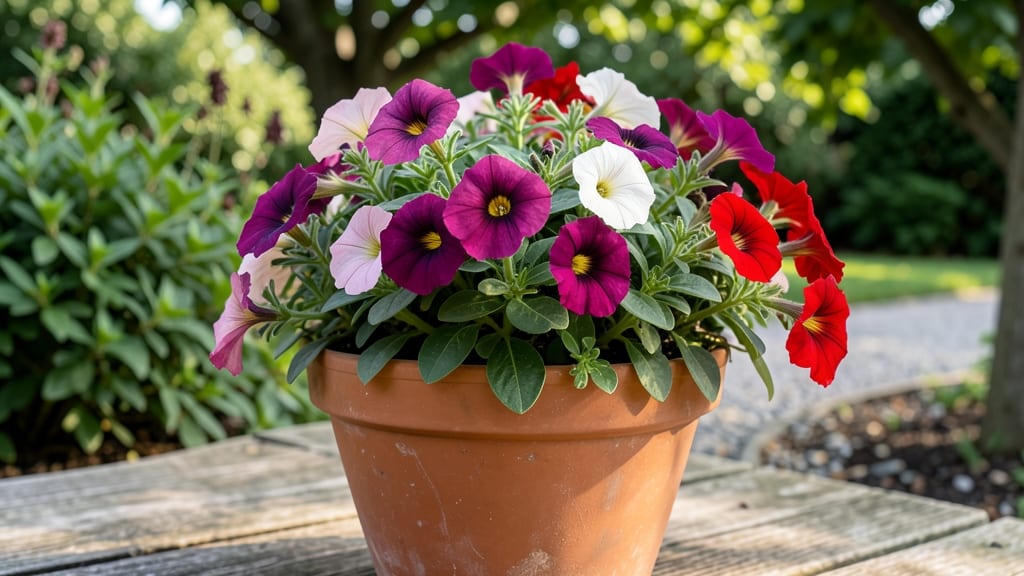
Four-gallon flower pots are the unsung heroes of Pacific Northwest gardens—durable, versatile, and perfect for bold displays that thrive through rain and shade. 🌿 I’ve used them to transform my front porch into a lush, year-round showpiece, and the results speak for themselves: vibrant blooms even in cooler months.
These pots strike the balance between manageable size and serious growing power, making them ideal for everything from patio edges to vertical gardens.
The beauty of four-gallon containers lies in their flexibility. They’re large enough to support deep-rooted perennials like salvia or heuchera, while still being lightweight enough to move when needed. Pair them with drought-tolerant annuals like geraniums or petunias for a pop of color that lasts from spring through fall.
The key is proper drainage—always use pots with holes and a quality potting mix to prevent soggy roots, especially in PNW’s wetter seasons.
You’ll end up with a garden that feels intentional yet effortless: bold colors, structured spacing, and plants that bounce back from rain and wind. Arrange pots in odd-numbered groupings for natural flow, or stack them vertically along fences for a modern look.
The maintenance is minimal—just water consistently and fertilize every 4-6 weeks—and you’ll enjoy a showstopping display with almost no fuss.
Perfect for urban balconies, rural patios, or even as accent pieces in larger garden beds. Whether you’re refreshing an old space or starting fresh, these pots deliver big impact with minimal effort. Let’s get growing!
📚 In This Guide
- What you need
- Instructions
- Tips and common mistakes
- Wrapping up and next steps
What you need
- ● 4-gallon flower pots – 2-4 pots (choose durable, weather-resistant materials like ceramic, fiberglass, or heavy-duty plastic for PNW’s wet winters).
- ● High-quality potting mix – 1 bag (1-2 cubic feet) (look for moisture-retentive, well-draining blends with compost or peat moss for PNW’s acidic soils).
- ● Drainage solution – Pebbles, broken pottery, or mesh drainage discs (prevents root rot—critical in rainy seasons!).
- ● Native or cold-hardy plants – 2-3 per pot (e.g., heuchera, ferns, rhododendrons, or ornamental grasses—thrive in PNW’s USDA Zones 7-9).
- ● Slow-release fertilizer – 1 packet (organic options like fish emulsion or compost tea work wonders).
- ● Garden trowel or small shovel – For digging and planting.
- ● Watering can or hose with a gentle nozzle – Essential for deep, even watering (PNW’s damp climate still needs balance!).
- ● Pruning shears – To trim dead foliage and encourage bushier growth.
- ○ Saucer or tray (optional) – For catching runoff and protecting patios.
- ○ Mulch (optional) – Shredded bark or pine needles to retain moisture and suppress weeds.
- ● ✨ Elevate pots in winter to prevent waterlogging from heavy rains.
- ● 🌡️ Use frost-proof pots if temperatures dip below 20°F.
- ● 🎯 Group pots together for a cohesive, wind-resistant display (PNW’s coastal breezes can be sneaky!).
How to style and maintain 4-Gallon pots for Pacific Northwest blooms
Here’s how to turn those sturdy 4-gallon containers into showstopping displays that thrive through PNW’s wet winters and mild summers.
🪴 Step 1: Choose the Right Pots and Drainage
Select 4-gallon containers with at least four drainage holes—PNW’s frequent rains demand excellent drainage to prevent root rot. I prefer unglazed ceramic or thick plastic because they retain moisture without overheating in summer. If your pots lack drainage, drill holes yourself and line them with landscape fabric to keep soil in place.
For extra stability, place pots on saucers or trays—especially important when filled with water-loving plants like impatiens or ferns. A 6-inch diameter saucer catches overflow while keeping roots dry. Here’s the thing—heavy pots tip over easily when wind gusts hit your patio or deck. Fill them no more than ¾ full with soil to maintain balance.
☀️ Step 2: Position for PNW Light Conditions
The Pacific Northwest’s mix of shade and filtered sun means most container plants thrive in morning sun and afternoon shade. Place your 4-gallon pots where they get 3-6 hours of direct light daily—east-facing spots work perfectly. If you’re growing sun-lovers like geraniums or petunias, move them to a south-facing location but watch for afternoon wilting in summer.
I rotate my pots quarter-turn weekly to prevent leaning toward the light. You’ll notice plants growing straighter and more compact when they’re evenly exposed. For winter, shift pots under bright indoor lights (12-14 hours daily) if you want blooms year-round. A simple LED grow bulb keeps foliage lush even when natural light fades.
🌱 Step 3: Layer Soil and Plants for Year-Round Success
Fill each pot with a mix of 2 gallons potting soil, 1 gallon perlite or orchid bark, and ½ gallon compost to improve drainage and fertility. The extra air space prevents soggy roots during PNW’s rainy seasons. Press the mix down lightly—just enough to eliminate air pockets but not compact it tightly.
For bold displays, pair one thriller plant (like a dwarf fountain grass) with two fillers (such as heuchera or sweet potato vine) and three spillers (like trailing lobelia or fuchsia). This 1-2-3 rule creates visual balance. Water deeply after planting until moisture runs from the drainage holes—this ensures roots settle into the soil without air gaps.
💧 Step 4: Water and Fertilize for PNW’s Unique Climate
Water when the top inch of soil feels dry, which in the PNW could mean every 2-3 days in summer or 5-7 days in winter. A moisture meter helps avoid overwatering, but stick your finger in first—it’s the most reliable test. I use a 5-gallon watering can to soak pots thoroughly, then let excess drain completely.
Feed plants every 4-6 weeks with a balanced liquid fertilizer (10-10-10 or 20-20-20) diluted to half strength. PNW soils often lack nutrients, so don’t skip this step. In winter, switch to a low-nitrogen formula (like 5-10-10) to encourage blooms without promoting leafy growth. Flush the soil with plain water every 3 months to prevent salt buildup from fertilizers.
✂️ Step 5: Prune and Refresh for Seasonal Transitions
Deadhead spent blooms weekly to encourage continuous flowering, especially for annuals like petunias and zinnias. Pinch back leggy growth to promote bushier plants—this is critical for container-grown flowers, which compete for light and space. In late summer, cut back one-third of the foliage to stimulate new growth before fall.
Swap out plants every 2-3 months to keep displays vibrant. Replace summer annuals with cool-season varieties like pansies or violas by September. Mulch the soil surface with ½ inch of shredded bark in winter to insulate roots and retain moisture. This simple step makes all the difference in PNW’s damp, chilly winters.
Tips & tricks for stunning 4-Gallon container gardens
Here's what I've learned after years of perfecting container displays in our damp PNW climate.
Drainage is Non-Negotiable: That ¼ gallon of air space between soil and pot rim is your secret weapon against root rot. If your pot lacks drainage, drill holes in a diagonal pattern—this prevents water pooling at the bottom. I use a ⅜-inch drill bit for optimal flow, and always line with landscape fabric to keep soil from washing out during our frequent downpours.
Soil Mix Matters More Than You Think: The 2:1:½ ratio of potting soil to perlite to compost creates the perfect balance for PNW conditions. For extra insurance against soggy roots, I add ½ cup of coarse sand to each pot—this improves drainage without compacting the mix. Pro tip: Sterilize your potting soil by baking it in the oven at 200°F for 30 minutes before use to kill any fungal spores lurking from previous plantings.
Light Rotation Prevents Lopsided Growth: That weekly quarter-turn you see me doing isn't just about aesthetics—it's essential for even exposure. Plants naturally lean toward light sources, and in our mixed-sun climate, this becomes especially critical. I set a phone reminder every Sunday morning to rotate all my containers. You'll notice the difference in just two weeks when your plants grow upright instead of stretching toward one direction.
Seasonal Plant Swaps Save Your Displays: The 2-3 month rotation schedule in Step 5 is your key to vibrant year-round color. For a seamless transition, I start my cool-season plants indoors 6-8 weeks before the first frost. This gives them time to establish roots before they take center stage in September. Don't forget to harden them off by moving them outdoors for progressively longer periods before their big debut.
Pro Tips for 4 Gallon Flower Pots
- Here's what I've learned after years of perfecting container displays in our damp PNW climate.
- Drainage is Non-Negotiable: That ¼ gallon of air space between soil and pot rim is your secret weapon against root rot.
- Soil Mix Matters More Than You Think: The 2:1:½ ratio of potting soil to perlite to compost creates the perfect balance for PNW conditions.
Frequently asked questions
Got questions about maximizing your 4-gallon flower pots in the Pacific Northwest’s unique climate? Here are some common concerns—and straightforward answers—to help you garden with confidence!
How do I prevent root rot in 4-gallon pots during PNW’s rainy season?
Use pots with drainage holes and a well-draining soil mix (add perlite or sand). Elevate pots on feet or trays to avoid waterlogging. Pro tip: Check moisture weekly—even rain-soaked pots need airflow!
What’s the best drainage strategy for 4-gallon pots in clay-heavy PNW soil?
Amend native soil with compost and coarse sand (50/50 mix) to improve drainage. For pots, layer gravel or broken pottery at the bottom before adding soil. Bonus: Terracotta pots wick moisture, but glazed ceramic holds up better in wet winters.
Can I leave 4-gallon pots outdoors year-round in the PNW?
Yes! Harden off plants in fall, wrap pots in burlap or frost blankets, and use insulating materials (styrofoam cups at the base). Evergreens thrive; tender perennials may need winter protection.
How often should I fertilize plants in 4-gallon pots?
Feed every 4–6 weeks during growing season (spring–fall) with a balanced liquid fertilizer (10-10-10) or slow-release granules. Overwatering dilutes nutrients! Reduce feeding in winter.
What’s a budget-friendly alternative to 4-gallon pots?
Repurpose 5-gallon buckets (drill holes!) or stack whiskey barrels (rustic charm!). For lightweight options, try fabric grow bags—they’re breathable and affordable.
Wrapping up and next steps
Choosing 4-gallon flower pots is a game-changer for Pacific Northwest gardeners—whether you're a seasoned pro or just starting out! These versatile containers balance size and mobility, letting you elevate your space with bold blooms, lush greenery, or even edible herbs year-round.
With the right plants and care, you’ll enjoy stunning curb appeal and a thriving garden that adapts to PNW’s unique climate.
Ready to dive in? Start by picking your pots—terracotta, fabric, or ceramic—and pair them with the perfect plants from your local nursery. Then, watch your garden transform into a vibrant, low-maintenance oasis! 🌸