
Flowers
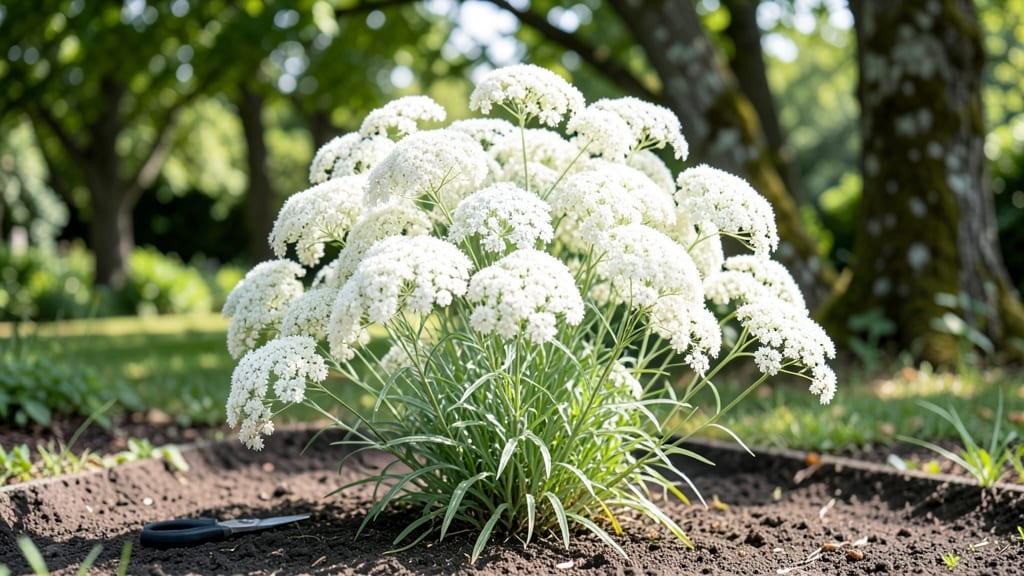
Those white ball flowers—officially Gypsophila paniculata—bring dreamy, cloud-like texture to Pacific Northwest gardens where other flowers struggle to stand out. 🌿 I planted mine last spring, and by midsummer, they transformed a shady corner into a romantic, airy focal point that neighbors kept admiring.
The secret isn’t just their delicate blooms but how they thrive where many perennials fail.
Start with well-draining soil (they hate soggy roots) and partial shade—morning sun and afternoon shade works best in PNW’s damp climate. Plant in early spring or fall, spacing them 12-18 inches apart for that signature cascading effect.
Feed lightly with balanced 10-10-10 fertilizer in spring, then let them grow wild—they self-seed like crazy and multiply effortlessly.
By summer, you’ll have 3-4 feet of fluffy white blooms that move with the breeze, perfect for cutting or letting pollinators feast on. Prune spent stems in early fall to keep the plant tidy, and mulch heavily in winter to protect roots from freezing.
The payoff? A garden that feels like a fairyland without the fuss.
Pair them with purple coneflowers or silver foliage plants like lamb’s ear for contrast, or let them shine solo in a mixed border. They’re drought-tolerant once established, so once you get them going, they’ll reward you for years with minimal effort. Ready to grow your own cloud garden?
📚 In This Guide
- What you need
- Instructions
- Tips and common mistakes
- Wrapping up and next steps
What you need
- ● White Ball Flower Seeds or Plants: Quantity: 5–10 seeds (or 3–5 nursery plants) for a small display; scale up for larger gardens.
- ● Varieties: Gynura segetum (common white ball flower) or Leucadendron (if adapting to PNW microclimates).
- ● Well-Draining Soil: Type: Mix of 50% garden soil, 30% perlite/pumice (critical for PNW’s wet winters!), and 20% compost.
- ● pH: Slightly acidic to neutral (6.0–7.0). Test with a soil pH kit.
- ● Containers or Garden Beds: Containers: 12–18" pots with drainage holes (for patios/balconies).
- ● Garden Beds: Full sun to partial shade (4+ hours/day). Avoid soggy spots!
- ● Basic Gardening Tools: Trowel or small shovel
- ● Pruning shears (for shaping)
- ○ Gloves (optional but highly recommended—those fuzzy leaves can be itchy!)
- ● Watering Supplies: Watering can or hose with a gentle spray nozzle (overhead watering encourages fungal resistance).
- ● Fertilizer: Balanced liquid fertilizer (10-10-10) or slow-release granules (like Osmocote). Apply every 4–6 weeks.
- ○ Optional (But Helpful!): Mulch (pine bark or straw) to retain moisture and suppress weeds.
- ● Support stakes or trellises (if growing tall varieties like Leucadendron).
- ● Shade cloth (30–50%) for seedlings in hot PNW summers.
How to grow white ball flowers for striking vertical impact
These showstopping blooms thrive with minimal fuss—just follow my battle-tested approach.
🌱 Step 1: Choose the Perfect Planting Location
White ball flowers (Leucadendron argenteum) demand full sun—at least 6-8 hours daily—to develop their iconic silver foliage and white pom-pom blooms. In the Pacific Northwest’s cooler climate, I plant mine on south-facing slopes where they catch afternoon warmth without afternoon shade. Avoid low-lying areas where cold air pools—these plants hate soggy roots.
Test your spot by observing nearby plants: if they’re thriving without browning, your location has the right balance. Amend heavy clay soil with 3-4 inches of coarse sand or gravel to improve drainage. These plants originate from South Africa’s dry mountains, so they’ll reward you with bold vertical growth only when their roots stay dry.
☀️ Step 2: Plant at the Right Time and Depth
Wait until after the last frost date (typically mid-May in the PNW) to transplant, as cold soil slows root establishment. Dig a hole twice as wide as the root ball but only as deep—planting too deep suffocates the stem. Gently tease out any circling roots before placing the plant so they spread naturally into the soil.
Backfill with native soil mixed with 1 part perlite to prevent compaction. Water deeply immediately after planting to eliminate air pockets, then let the soil dry slightly before watering again. You’ll see new growth within 3-4 weeks if conditions are right—look for silvery-blue foliage emerging along the stems.
💧 Step 3: Water Strategically for Drought Resistance
Once established, white ball flowers are drought-tolerant, but young plants need consistent moisture for the first 6-8 weeks. Water deeply once a week (or when the top 2 inches of soil feel dry) rather than frequent shallow waterings. Overhead watering can cause fungal issues, so use a soaker hose or drip irrigation at the base.
Mulch with 2-3 inches of gravel (not organic mulch) to reflect sunlight and prevent soil moisture loss. This plant’s natural habitat is rocky, so the gravel mimics its needs perfectly. After the first year, you’ll rarely need to water again unless summer brings extended dry spells—wilting leaves signal it’s time to hydrate.
✂️ Step 4: Prune for Shape and Encourage More Blooms
Prune lightly in early spring (March) to shape the plant and remove any dead or crossing branches. Use clean, sharp pruners to cut just above a leaf node at a 45-degree angle. Avoid heavy pruning—these plants bloom on new growth, so aggressive cuts reduce flowering. You’ll see tighter, fuller growth within weeks of proper pruning.
Deadhead spent blooms in late summer to redirect energy into next year’s flowers. The pom-pom blooms last 4-6 weeks, but removing them prevents seed production that drains the plant. Never prune after mid-August—new growth won’t harden off before frost in the PNW.
🪴 Step 5: Protect from Winter’s Harshest Conditions
While mature white ball flowers tolerate light frost, young plants need winter protection in the PNW’s wet, cold winters. Wrap the base with burlap and mound 4-6 inches of gravel around the root zone to insulate roots. Avoid organic mulch—it retains too much moisture and can rot stems.
Prune back one-third of the plant in late winter (February) to remove any frost-damaged growth. New shoots will emerge within 3-4 weeks of warming temperatures. This pruning also encourages denser, bushier growth for the next blooming season—you’ll notice more silver foliage and larger blooms by summer.
Tips & tricks for perfect white ball flower growth
Here's what nobody tells you about growing these stunning plants—details that make all the difference in the Pacific Northwest.
Sunlight Secret: Those 6-8 hours of full sun are non-negotiable for the signature silver foliage and white pom-poms. I've seen plants in partial shade develop pale, almost green leaves with minimal blooms—it's like watching a colorless version of the real thing. If your yard doesn't get full sun, consider container growing where you can move plants to sunnier spots during winter months when days are shorter.
Soil Science: The 3-4 inches of coarse sand or gravel isn't just about drainage—it mimics the rocky South African mountains where these plants evolved. I've found that adding a handful of perlite to the planting hole creates tiny air pockets that prevent root rot, especially important during our wet PNW winters. Think of it as giving your plant's roots a breath of fresh air.
Watering Wisdom: The deep weekly watering routine might seem counterintuitive when you're used to frequent light waterings, but it encourages deep root growth. Here's my trick: water in the morning so the soil has all day to dry out, preventing fungal issues. You'll know you're doing it right when you see new silvery-blue foliage emerging within those 3-4 weeks after planting—proof the roots are establishing properly.
Pruning Precision: That 45-degree angle cut in Step 4 isn't arbitrary—it prevents water from pooling on the cut surface, which can cause rot. I always prune on dry days to reduce disease risk, and I never use the same pruners for healthy and diseased plants. For late summer deadheading, I remove spent blooms by cutting the stem just above the next set of leaves, which encourages bushier growth for next year's flowers.
Pro Tips for White Ball Flowers
- Here's what nobody tells you about growing these stunning plants—details that make all the difference in the Pacific Northwest.
- Sunlight Secret: Those 6-8 hours of full sun are non-negotiable for the signature silver foliage and white pom-poms.
- Soil Science: The 3-4 inches of coarse sand or gravel isn't just about drainage—it mimics the rocky South African mountains where these plants evolved.
Frequently asked questions
Got questions about growing white ball flowers (like Callistemon or Leucadendron varieties)? Here are some common ones—and their answers—to help you nail that stunning vertical garden in the Pacific Northwest!
What’s the best time to plant white ball flowers in the PNW?
Plant in early spring (March–April) or fall (September–October) for optimal root establishment. Avoid summer heatwaves, which can stress young plants. If planting in containers, you can extend the window slightly into late spring or early fall.
How do white ball flowers handle PNW winters?
Most varieties are hardy to USDA Zones 7–10, but some (like Callistemon) may need winter protection in colder microclimates (Zone 6). Use mulch (3–4 inches) and wrap young plants in burlap if temps dip below 10°F. Prune dead growth in late winter to encourage fresh blooms.
How often should I water white ball flowers?
Water deeply 1–2 times per week during the first year to establish roots, then taper to weekly watering once mature (they’re drought-tolerant!). In the PNW’s rainy season, reduce frequency to avoid soggy soil. Mulch helps retain moisture and regulate soil temp.
Can I grow white ball flowers in containers?
Choose large pots (15+ gallons) with drainage holes and a well-draining mix (cactus/succulent blend works). Varieties like Leucadendron ‘Safari Sunset’ thrive in containers. Move pots to partial shade in summer to prevent leaf scorch.
What pests or diseases should I watch for?
Keep an eye out for aphids, spider mites, or fungal issues (like powdery mildew) in humid PNW summers. Neem oil or insecticidal soap helps with pests. Improve airflow by pruning crowded branches and avoid overhead watering to prevent fungal spores.
What if my white ball flowers aren’t blooming?
Lack of blooms often means over-fertilizing (too much nitrogen) or poor sunlight. Prune back 1/3 of the plant in early spring to encourage new growth. Ensure they get 6+ hours of sun daily—they’re not shade lovers! A low-phosphorus fertilizer in late winter can also help.
Wrapping up and next steps
White ball flowers—with their striking vertical presence and low-maintenance charm—are the perfect way to add bold drama to your Pacific Northwest garden. Whether you're a seasoned gardener or just starting out, these beauties thrive with minimal effort and reward you with show-stopping blooms year after year.
Ready to transform your outdoor space? Grab your gloves, pick your spot, and plant those seeds or bulbs today! 🌸
🌱 Next Steps:
- Start small: Try a single pot or a small patch to test your growing conditions.
- Experiment: Mix white ball flowers with other PNW-friendly plants for layered visuals.
- Share the joy: Snap photos of your progress and tag #PNWGardening—inspire others!