
Pests
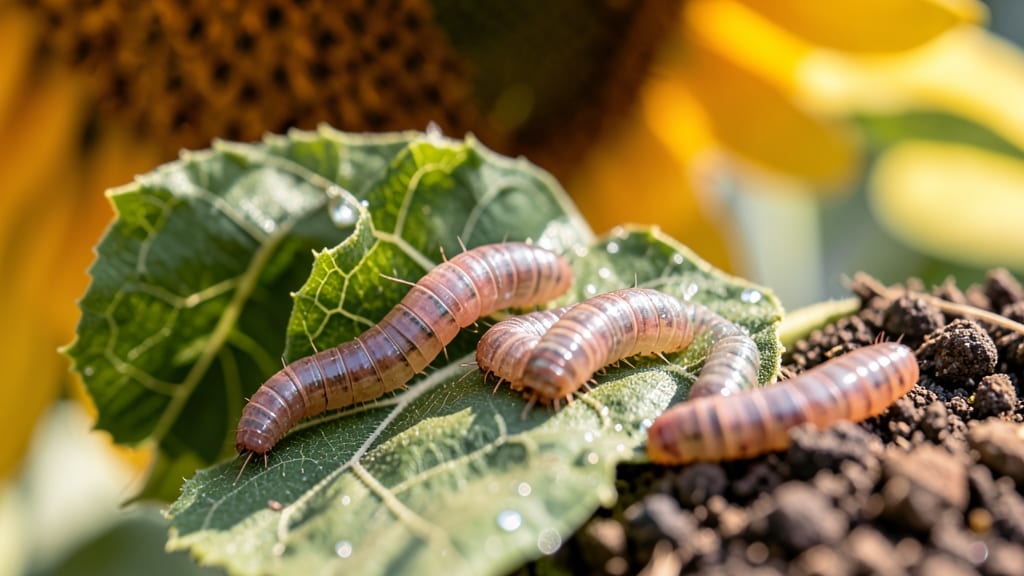
Finding worms in your sunflowers doesn’t mean your garden is lost—it means you’ve got a solvable problem. 🌱 These hungry critters, whether cutworms or sunflower moth larvae, can turn vibrant stalks into sad, chewed-up shadows, but organic control works better than chemicals ever will.
The key is catching them early, when sunflowers are still young and resilient.
Most damage starts with tiny holes in leaves or wilting stems, so I check my sunflowers every few days after planting. You’ll need a flashlight to spot boreholes in stalks, and a simple barrier like cardboard collars around seedlings can stop cutworms before they even start.
The best part? These methods work for all sunflower varieties, from towering giants to petite snack-size blooms.
By the time your sunflowers reach knee-high, you’ll see fewer signs of damage—if you’ve acted early. Healthy plants bounce back fast, and the ones that survive become stronger, with thicker stems and deeper roots.
The result? Sunflowers that stand tall, resist pests naturally, and give you that classic summer joy without a single chemical in sight.
This approach works for gardeners in any zone, from desert climates to humid summers. The secret is consistency: check plants regularly, act fast at the first sign of trouble, and your sunflowers will thrive. Let’s get those worms under control the right way.
📚 In This Guide
- What you need
- Instructions
- Tips and common mistakes
- Wrapping up and next steps
What you need
- ● Healthy sunflower plants (preferably organic or untreated seeds) – 10+ plants per square yard for optimal coverage.
- ● Compost or worm castings – 1-2 gallons per 10 sq. ft. (boosts soil health and deters pests naturally).
- ● Neem oil (100% cold-pressed) – 1 tbsp per gallon of water (spray solution).
- ● Diatomaceous earth (food-grade) – ½ cup per 10 sq. ft. (sprinkle lightly around plant bases).
- ● Beneficial nematodes (Phasmarhabditis hermaphrodita) – 1-2 million per 1,000 sq. ft. (targets cutworms and grubs).
- ● Row covers (floating fabric) – Size: 3’ x 5’ or larger (protects seedlings from pests like cutworms).
- ● Sharp pruners or scissors – For trimming infested leaves or stems.
- ● Garden hose with spray nozzle – For applying neem oil or water sprays.
- ● Hand trowel – For gently moving soil around roots without disturbing worms.
- ● Pyrethrin-based insect spray – (Last resort!) Derived from chrysanthemums; use sparingly.
- ● Beer traps (for slugs/snails) – Small containers filled with beer (bury slightly into soil).
- ● Garden gloves – Protects hands from prickly sunflower stems and soil debris.
- ● pH testing kit – Ensures soil pH is 6.0-7.0 (optimal for beneficial nematodes).
How to encourage beneficial worms in sunflower gardens
Here's how to create a thriving underground ecosystem that naturally deters pests.
🌱 Step 1: Prepare Your Sunflower Soil for Worm Habitat
Sunflowers love deep, loose soil that worms adore too. Before planting, mix in 2-3 inches of compost into the top 12 inches of soil. This mimics their natural habitat—dark, moist, and full of organic matter. Avoid tilling deeply, as worms live just below the surface and need protection from predators like birds and crows.
Water the area thoroughly after amending. Worms need consistent moisture but won't thrive in soggy conditions. Aim for soil that feels like a wrung-out sponge—damp but not dripping. This balance encourages worms to migrate to your sunflower patch naturally. Here's the thing—worms are sensitive to sudden changes, so introduce compost gradually over a few weeks rather than all at once.
💧 Step 2: Create Moisture Retention Zones
Worms need moisture to survive, but sunflowers also need well-draining soil. Spread 2-3 inches of mulch (like straw or shredded leaves) around your sunflower bases. This keeps the soil consistently damp while preventing waterlogging. I like to apply mulch in early spring and again after the first rains—it's a game-changer for worm activity.
Check the soil moisture weekly by digging down 2 inches. If it feels dry, give the area a slow, deep watering. Avoid overhead sprinklers, which can wash away the topsoil layer where worms live. You'll notice more worm activity after consistent moisture—look for tiny mounds of castings (worm poop) on the soil surface. That's your sign the ecosystem is working!
☀️ Step 3: Plant Worm-Friendly Companion Plants
Interplant sunflowers with clover, comfrey, or dill—these attract worms with their deep roots and abundant organic matter. The roots create tunnels that worms use to move through the soil, while the foliage provides shade and moisture retention. I always plant a few rows of clover around my sunflowers; it's like a worm buffet!
Let companion plants flower and self-seed. The extra organic debris from fallen leaves and stems feeds soil microbes, which in turn attract worms. You'll see more earthworms in these areas within 4-6 weeks. Avoid synthetic fertilizers—they can harm worms and disrupt the natural balance you're trying to create.
⏰ Step 4: Monitor and Maintain Worm Activity
After 6-8 weeks, gently dig around your sunflowers (just 3-4 inches deep) to check for worm activity. Look for dark, segmented worms and their castings—these improve soil structure and deter pests. If you find fewer worms than expected, add more compost or mulch. Worms thrive in 60-70°F soil, so in hot climates, water more frequently to keep the soil cool.
Once established, worms will multiply naturally. You'll notice fewer cutworms and other pests because worms aerate the soil and compete with harmful insects for food. Keep an eye out for bird activity—if you see birds pecking at your soil, cover the area with lightweight row fabric temporarily to protect the worms while they establish.
Tips & tricks for thriving worm ecosystems in sunflower gardens
Here's what I've learned after years of watching worms transform my sunflower patches.
Soil Prep Secret: When mixing in that 2-3 inches of compost in Step 1, I like to add a handful of worm castings from my compost pile too. These contain worm eggs and beneficial microbes that jumpstart your ecosystem. Think of it as a worm starter culture—it's like inoculating your soil with the good stuff. The key is working the compost into the top 12 inches gently with a broadfork rather than tilling, which protects those surface-dwelling worms.
Companion Plant Strategy: In Step 3, I go beyond just clover, comfrey, or dill. I also sprinkle alfalfa hay around the base of sunflowers—it's a worm magnet and breaks down slowly, feeding the soil for months. The trick is to apply it lightly (about 1 inch thick) so it doesn't smother sunflower seedlings. You'll see worms moving toward these areas within 2-3 weeks, especially when the hay starts decomposing.
Moisture Monitoring Hack: For that weekly moisture check in Step 2, I use a simple screwdriver instead of digging. Push it 2 inches deep—if soil sticks to the blade slightly but doesn't clump, you're golden. If it falls away like sand, water immediately. This method prevents disturbing worm habitats while giving you instant feedback. Remember, worms need that "wrung-out sponge" feel—too wet and they'll leave, too dry and they'll die.
Bird Protection Tip: When covering areas with row fabric in Step 4, I use shade cloth instead of heavy plastic. It lets in 60-70% light (perfect for worms) while keeping birds out. The bonus? It also reduces soil temperature fluctuations, keeping conditions ideal for worm activity. Just remove it after 2-3 weeks once worms are established—they'll have burrowed deep enough to avoid surface predators by then.
Pro Tips for Worms In Sunflowers
- Here's what I've learned after years of watching worms transform my sunflower patches.
- Soil Prep Secret: When mixing in that 2-3 inches of compost in Step 1, I like to add a handful of worm castings from my compost pile too.
- Companion Plant Strategy: In Step 3, I go beyond just clover, comfrey, or dill.
Frequently asked questions
Got questions about dealing with worms in your sunflowers? You're not alone—many gardeners face this challenge! Below, we’ve rounded up the most common concerns and practical solutions to keep your sunflowers thriving without harsh chemicals.
What types of worms are commonly found in sunflowers?
Sunflowers often host cutworms (young caterpillars that sever stems) and sunflower moth larvae, which burrow into heads. Less common but possible are wireworms (pale, hard-bodied grubs) and root-knot nematodes (microscopic soil pests). Identifying the culprit helps tailor your organic defense strategy!
When is the best time to address worm infestations in sunflowers?
Act fast if you spot wilting stems or holes in flower heads—early intervention is key! Monitor seedlings for cutworms at dusk (they’re most active then). For moth larvae, check flower heads weekly starting in mid-summer. Soil-dwelling worms like nematodes may require pre-planting soil amendments (e.g., neem cake).
Are there organic alternatives to chemical pesticides for sunflower worms?
Try these non-toxic methods:
- Handpick cutworms at night (drop them in soapy water).
- Use neem oil or kaolin clay sprays for larvae.
- Plant marigolds or nasturtiums nearby to repel pests.
- Apply beneficial nematodes (like Steinernema carpocapsae) for soil-dwelling grubs.
- Row covers can block moths during flowering.
What should I do if sunflower heads are already damaged by worms?
Don’t panic! If heads are partially eaten, remove the worst-affected flowers to prevent spread. For cutworm damage, prune stems below the chew marks and stake young plants. If most heads are ruined, consider harvesting seeds from undamaged flowers or replanting fast-maturing varieties (like ‘Moulin Rouge’) for a second crop.
Can worms in sunflowers spread to other plants in my garden?
Some worms, like cutworms, are polyphagous (they eat many plants), so yes—they can migrate to tomatoes, peppers, or even lawn grasses. Isolate infested sunflowers temporarily and use barriers (e.g., cardboard collars) around susceptible seedlings. Beneficial insects like parasitic wasps (e.g., Cotesia spp.) can also help control outbreaks naturally.
Wrapping up and next steps
Dealing with worms in sunflowers doesn’t have to mean reaching for harsh chemicals—nature offers simple, effective solutions! 🌱 By embracing organic methods like companion planting, neem oil treatments, and proper soil care, you can protect your sunflowers while nurturing a healthier garden ecosystem.
Remember, consistency is key, and even small steps make a big difference over time.
Ready to give it a try? Start by inspecting your sunflowers this week and pick one organic method to implement. Your sunflowers—and the planet—will thank you! 🌻✨