
Flowers
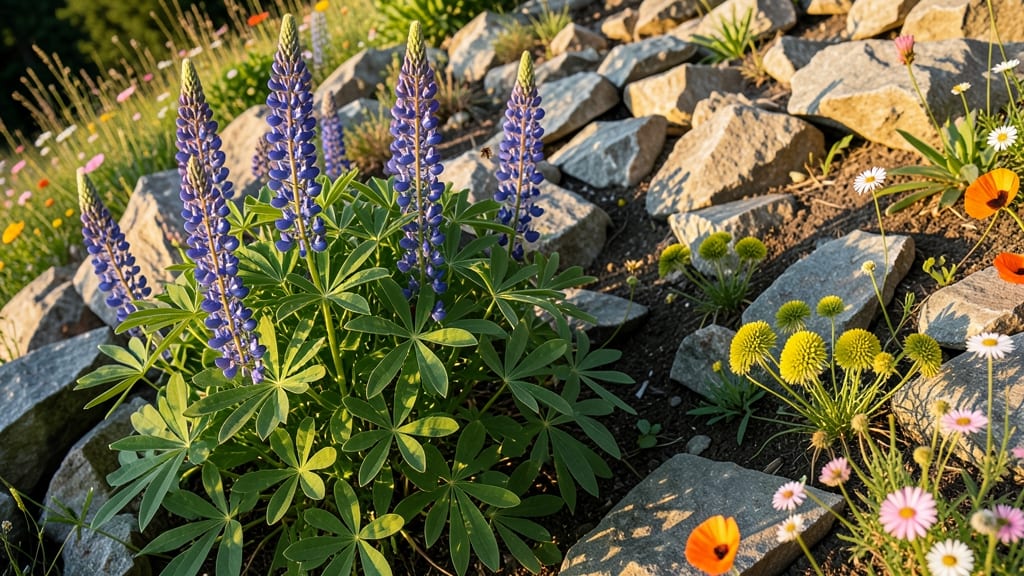
Creating a wildflower hillside in the Pacific Northwest isn’t just about beauty—it’s about crafting a buzzing, blooming ecosystem that thrives on its own. I still remember the first time I saw a sunlit slope covered in purple lupine and golden yarrow, humming with bees and butterflies.
That’s the magic we’re after: a landscape that feels alive, not just decorative.
The key starts with the right plants—native wildflowers like Pacific coast iris, checkerbloom, and Oregon sunshine anchor the design while stabilizing the soil. These tough perennials spread naturally, reducing erosion while creating layers of color that shift with the seasons.
You’ll need minimal watering once established, and the pollinators will thank you for the feast.
Imagine stepping onto your hillside in late spring, where drifts of lavender and salmon-colored blooms cascade down the slope, catching the light through the trees. The maintenance is simple: a light trim in early spring and occasional deadheading to keep the show going.
Even in rainy winters, the structure holds, roots deep and resilient.
This approach works for any sloped space, from a backyard hill to a community meadow. The Pacific Northwest’s mild winters and summer droughts make it perfect for low-maintenance wildflowers that outperform manicured lawns. Let’s bring that pollinator paradise to life—one seed at a time.
📚 In This Guide
- What you need
- Instructions
- Tips and common mistakes
- Wrapping up and next steps
What you need
- ● Native wildflower seeds: Choose a mix suited for your region (e.g., Lupinus, Eschscholzia, Achillea). Aim for 1–2 lbs per 100 sq ft for full coverage.
- ● Seed starter mix or compost: 1–2 cubic yards to enrich soil and retain moisture.
- ● Mulch (straw or wood chips): 2–3 bags to suppress weeds and conserve water.
- ○ Erosion control fabric (optional but helpful for steep slopes): Enough to cover the entire area before planting.
- ● Garden rake: For loosening soil and leveling the hillside.
- ● Handheld or broadcast spreader: To evenly distribute seeds (especially useful for large areas).
- ● Gloves and knee pads: Protect your hands and knees during prep work!
- ● Watering can or hose with a gentle spray nozzle: Critical for consistent moisture.
- ● Pruners or shears: For trimming invasive plants or shaping the hillside.
- ● Sunlight assessment: Ensure your hillside gets at least 6 hours of sunlight daily—most PNW wildflowers thrive in full sun.
- ○ Soil test (optional but recommended): Check pH and nutrient levels; amend if needed (e.g., lime for acidic soil).
- ● Weather check: Plant seeds in early spring or fall to avoid summer drought or winter frost.
How to create a thriving wildflower meadow on a Pacific Northwest hillside
Transforming a hillside into a pollinator haven takes thoughtful planning and native species know-how.
Assess and Prepare the Hillside Terrain
Begin by evaluating your slope's steepness and soil composition. Steeper slopes (over 20% grade) require erosion control measures before planting, while gentler inclines can proceed with direct seeding. Test soil moisture by digging a 6-inch hole—if water pools, you'll need to improve drainage with 1-2 inches of coarse sand mixed into the topsoil.
Clear existing vegetation by hand or with a sod cutter, avoiding herbicides that harm beneficial insects. Scatter 1-2 inches of compost over the area to enrich the soil without compacting it. For slopes over 30% grade, install jute erosion control netting before seeding to prevent runoff from washing away seeds.
Select Pacific Northwest-Native Wildflower Seed Mixes
Choose seed blends adapted to your specific elevation and moisture zone. For dry, sunny slopes, include lupine, yarrow, and checkermallow; for moist, shaded areas, opt for sword fern, salal, and Oregon grape. Avoid non-native species like English daisies—they don’t support local pollinators.
Purchase certified organic wildflower seed from regional suppliers to ensure genetic purity and pollinator compatibility. Mix seeds thoroughly in a wheelbarrow to create an even distribution. For 1,000 sq ft, use 1-2 lbs of seed mix—this ensures dense coverage without overcrowding.
Seed the Hillside Strategically for Erosion Control
Work in small sections to prevent soil disturbance from spreading. Use a seed broadcaster for even distribution, or hand-broadcast seeds across the slope. Lightly rake the area to press seeds into the soil without burying them deeper than ¼ inch—deeper planting reduces germination rates.
For slopes over 35% grade, create contour rows spaced 2-3 feet apart to slow water flow and reduce erosion. After seeding, cover the area with straw mulch (apply 1 inch thick) to protect seeds from wind and birds. Water gently with a mist setting until seeds germinate—2-3 times weekly for the first 4 weeks.
Maintain the Meadow for Long-Term Pollinator Success
Once established, mow the meadow once annually in late summer or early fall to prevent woody plants from dominating. Avoid mowing before July 15th, as this removes early nectar sources for bees. Leave seed heads standing through winter—they provide food for birds and shelter for beneficial insects.
Monitor for invasive species like blackberry or Scotch broom and remove them promptly. In drought years, supplement rainfall with deep watering every 2-3 weeks during the growing season. After 3 years, the meadow will self-sustain with minimal intervention.
Tips & tricks for a thriving Pacific Northwest wildflower meadow
A successful pollinator paradise starts with smart planning and a few strategic adjustments to the standard approach. Here's how to elevate your hillside project from good to exceptional.
Soil Preparation Strategy: When testing soil moisture in Step 1, focus on the top 6 inches of soil where most wildflower roots will establish. If you find compacted layers deeper than 2 inches, consider aerating with a broadfork before adding compost. This creates better root penetration channels for your native species, especially for deeper-rooted plants like Oregon grape that thrive in our region's varied terrain.
Seed Mix Customization: In Step 2, don't be afraid to create your own custom blends beyond the suggested mixes. For example, add 10% native grasses like bluebunch wheatgrass to your dry slope mix—this adds texture and prevents erosion while providing additional habitat. Just ensure your total seed weight stays within the 1-2 lbs per 1,000 sq ft guideline to maintain proper coverage.
Erosion Control Enhancement: For slopes over 35% grade in Step 3, consider using biodegradable coir erosion control blankets instead of just jute netting. These provide better seed-to-soil contact while still preventing erosion. After seeding, lightly mist the area with a 10% seaweed solution (mix 1 cup seaweed extract with 9 cups water) to boost germination rates without altering the 2-3 weekly watering schedule.
Long-Term Maintenance Insight: The annual mowing recommendation in Step 4 works best when done with a scythe or string trimmer rather than a lawnmower. These tools allow you to cut selectively and leave standing seed heads for pollinators. For larger areas, consider hiring a professional with a brush mower—they can handle the uneven terrain while preserving your meadow's structure.
Pro Tips for Wildflowers On Hillside
- A successful pollinator paradise starts with smart planning and a few strategic adjustments to the standard approach.
- Soil Preparation Strategy: When testing soil moisture in Step 1, focus on the top 6 inches of soil where most wildflower roots will establish.
- Seed Mix Customization: In Step 2, don't be afraid to create your own custom blends beyond the suggested mixes.
Frequently asked questions
Got questions about transforming your Pacific Northwest hillside into a wildflower haven?
You’re in the right place! Here are answers to the most common queries—from planting tips to pollinator perks.
What’s the best time of year to plant wildflowers on a hillside?
The ideal window is late summer to early fall (August–September) for established plants, or early spring (March–April) for seeds. This timing lets roots establish before winter rains or summer heat stress. Pro tip: Avoid planting in winter—soil erosion risks rise on slopes!
How do I prevent erosion while planting wildflowers on a steep hillside?
Start with erosion-control blankets or straw mulch to stabilize soil. Plant low-growing ground covers (like creeping thyme) at the base, then layer taller wildflowers upward. Use biodegradable netting for extra support until roots take hold. Bonus: Native grasses like Pacific reedgrass are erosion-resistant powerhouses!
Which wildflowers attract the most pollinators in the PNW?
Top picks for bees, butterflies, and hummingbirds:
- Oregon sunshine (Lomatium triternatum) – Early spring blooms
- Yarrow (Achillea millefolium) – Long-lasting clusters
- Bee balm (Monarda spp.) – Hummingbird magnet
- Lupine (Lupinus spp.) – Nitrogen-fixing superstar
Are wildflowers cheaper than traditional landscaping?
Yes! Wildflower seeds cost $1–$5 per pound (vs. $20+ for nursery plants), and they self-seed annually. Maintenance drops too—no fertilizers or frequent watering needed once established. Trade-off: First-year growth may be sparse, but patience pays off with zero-mow beauty!
How do I handle excessive rain in the Pacific Northwest?
PNW’s wet winters can drown seeds or wash them away. Pre-mix seeds with sand for even distribution, and use erosion-control fabric until sprouts appear. For slopes, terracing (with logs or rocks) creates micro-habitats. Drainage tip: Avoid compacted soil—amend with compost before planting!
Wrapping up and next steps
Transforming a Pacific Northwest hillside into a pollinator paradise isn’t just about beauty—it’s a gift to bees, butterflies, and the entire ecosystem. 🌸 With the right wildflowers and a little effort, you’ve got the power to create a thriving, colorful landscape that supports local wildlife while adding charm to your space.
Ready to take the next step? Start small—plant a few native wildflowers this season, then expand as you learn what thrives best in your microclimate. Your hillside will thank you (and so will the pollinators!).