Propagation
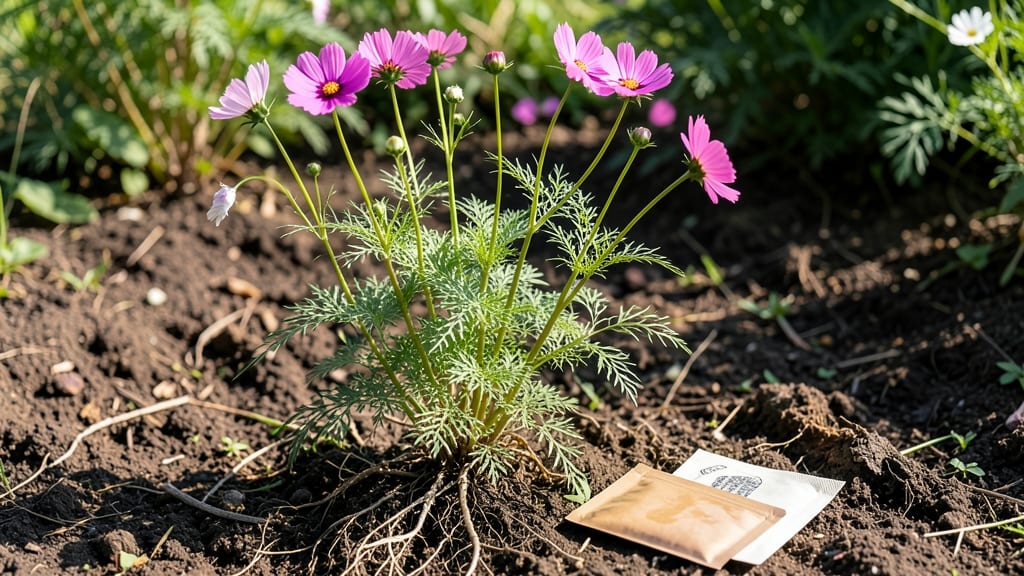
You can just throw those wildflower seeds right on the ground—it works better than you’d think. 🌱 The no-till method skips the digging and still delivers vibrant meadows with minimal effort, though timing and soil prep make all the difference.
I’ve seen bare patches transform into colorful blooms just by scattering seeds in the right conditions, and it’s easier than you’d expect once you know the tricks.
You’ll need a sunny spot with well-draining soil—wildflowers hate soggy roots—and a light rake to press seeds into the top inch. Most seeds germinate best in early spring or fall when temperatures are mild, and a quick watering afterward helps them settle.
The key is patience: some varieties take 6-12 months to fully establish, but once they do, they’ll return year after year with almost no maintenance.
What you’ll end up with is a low-maintenance pollinator paradise—hummingbirds, bees, and butterflies will visit in droves, and the colors will shift season after season. The best part?
No weeding, no tilling, and no fuss. Just scatter, wait, and enjoy the show. Here’s how to avoid the common pitfalls that turn "effortless" into "disappointing."
This method works in fields, along fences, or even between sidewalk cracks—just adjust seed density for your space. Whether you’re restoring a wild patch or adding color to a neglected corner, the no-till approach delivers results without the backbreaking work. Let’s get those seeds planted!
📚 In This Guide
- What you need
- Instructions
- Tips and common mistakes
- Wrapping up and next steps
What you need
- ● Wildflower seeds: Choose a native wildflower mix suited to your climate (e.g., 1–2 lbs for a 100 sq. ft. area). Popular options include cosmos, black-eyed Susans, or milkweed.
- ● Water source: A hose with a gentle spray nozzle or a watering can (aim for 1–2 gallons per 100 sq. ft.).
- ● Garden rake: A lightweight, 12–18-inch rake to loosen soil slightly (if needed).
- ○ Broadcast spreader: A handheld or wheel-type spreader for even seed distribution (optional but saves time!).
- ● Garden gloves: A pair of durable, breathable gloves to protect your hands.
- ○ Mulch (optional): Straw or shredded leaves (1–2 inches thick) to retain moisture and deter weeds.
- ● ✅ A sunny spot (most wildflowers thrive in full sun, 6+ hours/day).
- ● ✅ Minimal soil prep: Wildflowers love poor, rocky, or compacted soil—no tilling required!
- ● ✅ Patience: Germination can take 1–4 weeks, depending on weather.
Step-by-step guide to no-till wildflower planting
Skip the digging—wildflowers thrive when you let nature do the work.
🌱 Step 1: Choose the Right Seeds and Location
Pick a mix of native wildflower seeds designed for your region—non-native varieties often struggle to establish. Look for seed packets labeled "no-till" or "scatter-friendly." I always check the sun exposure requirements on the back of the packet: most wildflowers need full sun to partial shade, but some like black-eyed Susans handle full sun only.
Scan your yard for bare spots, edges of woods, or areas with thin grass. Avoid heavily trafficked areas where seeds might get trampled. The best spots have loose, dry soil where seeds can make direct contact with the earth. If your soil is compacted, lightly rake just enough to break up the surface crust—no need to dig deep.
🌿 Step 2: Scatter Seeds at the Right Time
Timing matters more than technique. For spring blooms, scatter seeds in late summer or early fall when temperatures are cooling. This gives seeds a chance to germinate before winter dormancy. If you want summer blooms, plant in early spring as soon as the ground thaws and can be worked.
I like to scatter seeds on a calm day when winds are light. Toss a handful of seeds and let them land naturally—no need to count or measure. For larger areas, use a seed spreader or even a pie tin with holes poked in the bottom. Press seeds lightly into the soil with your hand or a board to ensure good soil contact, but don't bury them more than ¼ inch deep.
💧 Step 3: Water Gently and Wait Patiently
After scattering, give the area a thorough watering to settle seeds into the soil. Use a gentle spray or a sprinkler set to a fine mist—you want to moisten the soil without washing seeds away. Water lightly every 2-3 days until you see first green sprouts, usually within 2-4 weeks depending on your climate.
Here's the thing—wildflower seeds need consistency, not soaking. Let the top inch of soil dry out between waterings once germination starts. Overwatering smothers tender seedlings. If rain provides enough moisture, you can skip supplemental watering entirely after the initial settling.
☀️ Step 4: Let Nature Take Over
Once seedlings emerge, stop watering unless your area experiences a prolonged dry spell. Wildflowers are tough—they're built to thrive on rainfall alone. You'll notice the first true leaves appear in 3-4 weeks, followed by rapid growth as they establish roots.
Resist the urge to thin or weed. Wildflowers grow best when left undisturbed. If you see weeds popping up, pull them only if they're shading out your wildflowers. Most wildflower mixes include grasses that outcompete weeds naturally. By 6-8 weeks, you'll see vibrant green foliage signaling healthy establishment.
⏰ Step 5: Enjoy and Maintain Lightly
The best part? Once established, wildflowers need almost no maintenance. Deadhead spent blooms in late summer to encourage a second flush of flowers, but this is optional. I usually leave the seed heads for winter interest and to feed birds. In late fall, you can lightly rake the area to remove debris and prepare for next year's seeds.
If you planted in fall, you might see blooms as early as next spring. If planted in spring, expect flowers by midsummer. The key is patience—wildflowers take time to establish, but once they do, they'll reward you with years of colorful blooms with minimal effort.
Tips & tricks for perfect no-till wildflower planting
Took me a while to figure these out, so here goes—these little tricks make all the difference when you skip the digging.
Seed Selection Tip: Native wildflower mixes labeled "no-till" are your best bet—they're pre-blended for your region's climate and soil. I always double-check the sun exposure requirements on the packet. For example, black-eyed Susans need full sun, while others like milkweed tolerate partial shade. This ensures you won't waste seeds on unsuitable spots in your yard.
Timing Secret: The late summer/early fall window for fall planting is actually a critical germination period. I've learned the hard way that planting too early in fall risks seeds sprouting before winter, while planting too late means they won't get enough root growth before dormancy. Aim for when daytime temps are still warm but nights are cooling—usually late August to early October in most regions.
Soil Prep Hack: If your soil is compacted, don't skip the light raking in Step 1—it's the only prep needed. I use a stiff-bristled rake to break up just the surface crust, creating tiny pockets for seeds to nestle into. This mimics natural soil disturbance without heavy digging. For rocky areas, I spread a thin layer of compost first to improve seed contact with soil.
Watering Wisdom: That initial thorough watering after scattering is crucial—it's what settles seeds into their new home. I use a gentle rain setting on my hose or a sprinkler with fine mist to avoid washing seeds away. The key is consistency: water every 2-3 days until germination, but let the top inch dry between waterings once sprouts appear. This prevents overwatering, which can drown tender seedlings.
Pro Tips for Can You Just Throw Wildflower Seeds On The Ground
- Took me a while to figure these out, so here goes—these little tricks make all the difference when you skip the digging.
- Seed Selection Tip: Native wildflower mixes labeled "no-till" are your best bet—they're pre-blended for your region's...
- Timing Secret: The late summer/early fall window for fall planting is actually a critical germination period. I've le...
Frequently asked questions
about tossing wildflower seeds—because even the simplest gardening hacks have their quirks!Do wildflower seeds need soil to grow?
Yes! While you can scatter seeds on bare ground, they’ll thrive best with some soil contact—just a light press with your hand or a rake helps. If seeds land on pavement or thick mulch, they’ll likely fail to sprout. Aim for loose, slightly disturbed soil (like a weed-free patch or bare earth) for the best results.
How long until I see flowers?
Patience is key! Most wildflower mixes take 3–6 months to sprout and 6–12 months to bloom fully, depending on the species and climate. Annuals (like cosmos) may flower faster, while perennials (like coneflowers) take longer but return yearly. Check your seed packet for specifics!
What if it doesn’t rain after planting?
No worries—wildflower seeds are tough! Water them gently (about ¼ inch per week) for the first 2–3 weeks until roots establish. If drought hits later, many species (like black-eyed Susans) are drought-tolerant once grown. A light misting with a spray bottle works for small patches.
Will I get weeds instead of wildflowers?
Possibly! Weeds often sprout faster than wildflowers, but don’t despair. Prevent weeds by:
- Choosing a weed-free area (like bare soil or disturbed ground).
- Using a thin layer of straw (not mulch) to block weeds post-planting.
- Hand-pulling weeds early—wildflowers will outcompete them once established!
Can I plant wildflowers in fall instead of spring?
Fall planting (4–6 weeks before frost) is ideal in many climates—cooler temps help seeds germinate, and they’ll establish roots before winter. In warm zones, plant in late winter to avoid summer heat stress. Just ensure the ground isn’t frozen or waterlogged.
What if my seeds don’t sprout?
Try these troubleshooting steps:
Issue
Fix
Too much shade
Move to a sunnier spot (most wildflowers need 6+ hours of sun).
Seeds too deep
Scatter lightly—wildflowers need light to germinate (no burying!).
Old seeds
Test viability by soaking a few in water; if they sink, they’re likely good. Buy fresh seeds if unsure!
Wrapping up and next steps
So, can you just toss wildflower seeds on the ground? Absolutely—but with a few smart tweaks! 🌱 While no-till planting is low-maintenance, preparing the soil and choosing the right seeds makes all the difference.
Whether you’re reviving a patch of dirt or creating a pollinator paradise, your effort will bloom into vibrant color and life.
Ready to take the next step? Start small—pick a sunny spot, gather your seeds, and give it a try! Watch as nature does the rest, and soon, you’ll be surrounded by a wildflower wonderland. Happy planting! 🌸