
Flowers
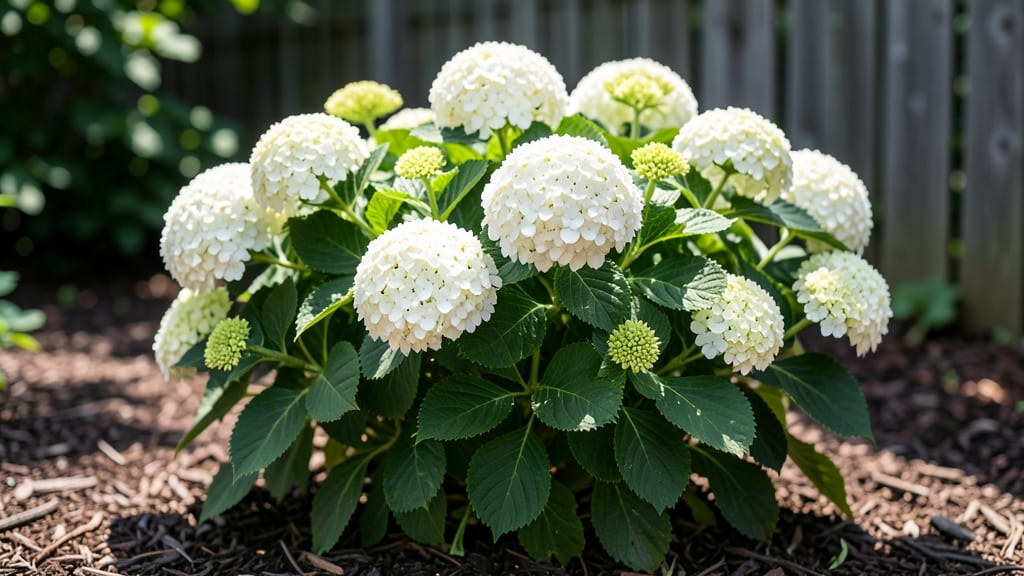
White hydrangea flowers bring a dreamy, frost-resistant elegance to Pacific Northwest gardens that nothing else can match. 🌿 I’ve watched them transform my yard from "just okay" to "wow" with their velvety blooms that hold up through rain and chilly mornings.
The secret isn’t just their hardiness—it’s how they soften modern edges or anchor cottage charm with effortless grace.
Pair them with deep purples like salvia or dusty blues like delphiniums for a romantic garden, or contrast them with bold greens like hostas for a modern look. They thrive in partial shade, making them perfect for under trees or along north-facing walls where other flowers struggle.
The key is giving them consistent moisture—they’ll reward you with blooms that last from summer into fall.
Imagine your garden in late summer: clusters of white hydrangeas catching the light, their petals slightly ruffled from morning dew. They’ll draw in pollinators while adding height and texture to borders or containers.
The best part? Their color shifts subtly with soil pH, so you can tweak it from creamy white to soft blush just by adjusting your amendments.
Whether you’re designing a cutting garden or a low-maintenance border, these hydrangeas adapt beautifully. Start by choosing a spot with morning sun and afternoon shade—then let them take center stage. The Pacific Northwest’s cool climate actually makes them shine, so don’t wait to incorporate them into your next garden plan.
📚 In This Guide
- What you need
- Instructions
- Tips and common mistakes
- Wrapping up and next steps
What you need
- ● White hydrangea plants: Choose frost-resistant varieties like Hydrangea macrophylla (e.g., 'Annabelle' or 'Endless Summer'). Buy 1–3 mature plants (3–5 gallons) for optimal impact.
- ○ Well-draining soil: Mix 2 parts native soil with 1 part compost or peat moss. Optional: Add perlite or sand for extra drainage.
- ● Mulch: 2–3 inches of organic mulch (e.g., wood chips or straw) to protect roots in winter.
- ● Balanced fertilizer: 10-10-10 or 20-20-20 (use sparingly—hydrangeas prefer slightly acidic soil, pH 5.2–6.2).
- ● Pruning shears: Sharp, sterilized shears for shaping and deadheading.
- ● Garden gloves: Heavy-duty for handling thorny stems.
- ● Watering can or hose: With a gentle spray nozzle (hydrangeas love moisture but hate soggy roots).
- ● Sunlight access: Partial shade (4–6 hours of dappled sun) is ideal for PNW climates.
- ○ Water retention crystals (optional): Helps in dry spells—mix 1 tbsp per hole when planting.
- ○ Aluminum sulfate (optional): For blue-tinted blooms (if desired), but white hydrangeas thrive naturally!
Step-by-step guide to planting and caring for white hydrangeas in the Pacific Northwest
Here's how to grow stunning white blooms that thrive in our cool, moist climate.
🌱 Step 1: Choose the Right Location and Soil
White hydrangeas like morning sun and afternoon shade—perfect for Pacific Northwest gardens. Pick a spot that gets 3-6 hours of direct sunlight daily, with protection from hot afternoon rays. Too much sun can scorch leaves, while too little leads to sparse blooms.
Amend your native soil with 3-4 inches of organic compost to improve drainage and fertility. These plants prefer slightly acidic soil (pH 5.5-6.2). Test your soil first—if it's too alkaline, add sulfur or peat moss to adjust. The roots need room to spread, so space plants 4-6 feet apart.
☀️ Step 2: Plant at the Right Time and Depth
Plant your white hydrangeas in early spring or fall when temperatures are mild. Avoid planting in summer heat or winter frost. Dig a hole twice as wide as the root ball but no deeper—planting too deep suffocates roots.
Gently remove the plant from its container and loosen any circling roots. Place it in the hole so the top of the root ball sits 1 inch above ground level. Backfill with native soil mixed with compost, then water deeply to settle everything. You'll see new growth within 2-3 weeks if planted correctly.
💧 Step 3: Water Consistently and Mulch Properly
Water newly planted hydrangeas deeply 2-3 times per week for the first month to establish roots. After that, aim for 1-1.5 inches of water weekly, adjusting for rain. Let the top 2 inches of soil dry out between waterings—consistent moisture prevents flower buds from dropping.
Apply 3 inches of mulch around the base (keep it 3 inches away from the stem) to retain moisture and regulate soil temperature. Use shredded bark or wood chips—never fresh wood chips, which can rob nitrogen from the soil. Replenish mulch annually in early spring.
✂️ Step 4: Prune for Maximum Blooms and Winter Protection
Prune white hydrangeas in late winter or early spring (before new growth starts) to shape the plant and encourage blooms. Cut back old wood by 1/3—look for stems with flower buds already forming. Remove any dead, diseased, or crossing branches first. Never prune in fall, as new growth won't harden off before winter.
In late fall, wrap young plants with burlap or frost cloth if your winters dip below 10°F. Older, established plants usually handle our Pacific Northwest winters fine, but a thick layer of mulch adds extra protection. Prune lightly in early spring to remove any winter damage.
🌿 Step 5: Feed and Monitor for Pests/Diseases
Fertilize in early spring with a balanced 10-10-10 or slow-release granular fertilizer. Avoid high-nitrogen fertilizers—they promote leafy growth at the expense of flowers. Water deeply after applying to prevent root burn. You won't need to fertilize again until next spring.
Watch for aphids, spider mites, or powdery mildew—common issues in our damp climate. Spray plants with neem oil or insecticidal soap at the first sign of pests. For powdery mildew, improve airflow by thinning dense growth and apply a baking soda spray (1 tsp baking soda + 1 quart water + a drop of dish soap) weekly until it clears.
Tips & tricks for Pacific Northwest white hydrangea success
Here's what I've learned after growing these beauties for years in our rainy climate.
Location is Everything: That 3-6 hours of morning sun is non-negotiable for white hydrangeas. I've noticed the biggest blooms come from plants getting sunlight from 8am-11am, then shade after 12pm. If your yard only gets afternoon sun, position them on the east side of structures. The afternoon shade protects those delicate white blooms from drying out in our summer heat waves.
Soil Prep Secret: Don't just add compost—mix in a handful of cottonseed meal (about 1/2 cup per plant) when amending your soil. This boosts nitrogen without overpowering the flowers. I test my soil pH every spring—if it's above 6.2, I add peat moss to keep those blooms vibrant. The right soil acidity makes all the difference in our alkaline Pacific Northwest soil.
Watering Wisdom: Those 2 inches of soil drying between waterings is crucial, but timing matters too. Water in the early morning to prevent fungal issues from our evening moisture. I've found using a soaker hose right at the base delivers water exactly where the roots need it, without wetting the leaves. This keeps powdery mildew at bay in our damp climate.
Pruning Pro Tip: When you're cutting back old wood by 1/3 in late winter, look for stems with those plump flower buds already forming. These are your blooms for next season! I mark them with a paint pen if I'm unsure which are old wood. And here's a trick: if you accidentally prune too much, don't panic—hydrangeas are forgiving and will still produce flowers, just maybe not as many.
Pro Tips for White Hydrangea Flower
- Here's what I've learned after growing these beauties for years in our rainy climate.
- Location is Everything: That 3-6 hours of morning sun is non-negotiable for white hydrangeas.
- Soil Prep Secret: Don't just add compost—mix in a handful of cottonseed meal (about 1/2 cup per plant) when amending your soil.
Frequently asked questions
Got questions about growing and caring for white hydrangea flowers in the Pacific Northwest? You’re not alone! Here are some of the most common queries—and their answers—to help you cultivate stunning blooms with ease.
What’s the best time to plant white hydrangeas in the PNW?
Plant your Hydrangea macrophylla (the classic white hydrangea) in early spring or fall when temperatures are mild. This gives roots time to establish before summer heat or winter frost. Avoid planting in late summer—roots need time to harden off before cold sets in.
Are white hydrangeas truly frost-resistant?
Yes! Most white hydrangeas (like Hydrangea macrophylla) are hardy to USDA Zones 5-9, making them perfect for the PNW’s chilly winters. However, young plants or tender buds may need protection from late frosts. Mulch heavily in fall to shield roots.
Why are my white hydrangea flowers turning brown?
Brown blooms often signal overwatering, underwatering, or fungal issues. Check soil moisture—hydrangeas love consistently moist (not soggy) soil. If leaves also yellow, it could be powdery mildew. Prune affected areas and improve airflow between plants.
Can I change the color of my white hydrangeas?
While true white hydrangeas stay creamy or pale greenish-white, some varieties (like ‘Annabelle’) can shift to blush pink in acidic soil. To test: Soak roots in vinegar or aluminum sulfate (for blue/purple tones) or lime (for pink). Results take 2-3 months!
What’s a low-maintenance alternative to white hydrangeas?
If you want frost-resistant, white blooms with less fuss, try:
- Spiraea (hardy, drought-tolerant, white clusters)
- Weigela (vibrant white/pink flowers, thrives in shade)
- Deutzia (fragrant white blooms, deer-resistant)
Wrapping up and next steps
White hydrangea flowers are the Pacific Northwest’s dream garden star—elegant, frost-hardy, and effortlessly stunning. Whether you’re a seasoned gardener or a curious beginner, their low-maintenance charm and ability to thrive in cool climates make them a must-have.
Ready to transform your outdoor space? Start small with a single plant or go bold with a full border—your garden deserves this timeless beauty! 🌸
Next step:
- Pick your favorite variety (like Annabelle or Endless Summer).
- Check your local frost dates and soil pH.
- Plant with confidence—your white hydrangea haven is just a shovel away! 🌧️✨