
Planting
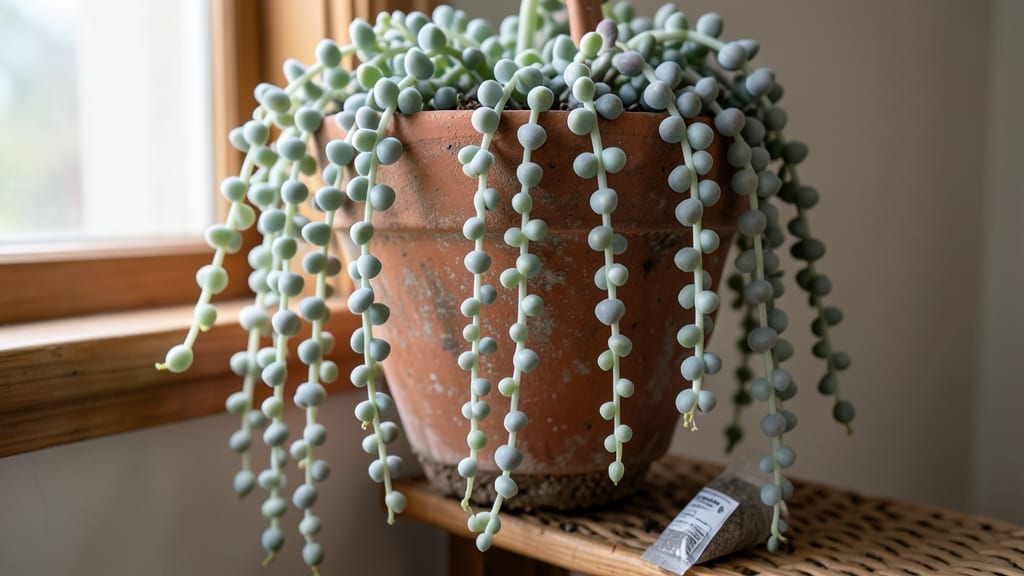
A white flower hanging plant turns any blank wall into a dreamy, fragrant masterpiece. ✨ My first Hoya cascaded down my porch like a living chandelier, and neighbors started asking where I bought it.
These plants aren’t just pretty—they’re the secret weapon for adding soft, romantic texture to patios, balconies, or even indoor nooks.
You’ll want a sturdy hanging planter (think 10-12 inches deep for trailing varieties) and a spot with 4-6 hours of sunlight—morning sun keeps the blooms pristine. Pair them with trailing succulents like String of Pearls for contrast, or let them mingle with ferns for lush layers.
The key is letting them spill naturally; pruning only encourages denser growth.
What you’ll end up with is a vertical garden that feels like a curated gallery. Imagine snow-white Petunia blooms backlit by golden afternoon light, or delicate Begonia flowers catching the breeze.
These plants thrive in hanging baskets, so you can mix heights—some at eye level, others spilling over railings—for a whimsical, layered look that’s impossible to ignore.
Works for small balconies, rustic farmhouse porches, or even urban apartments with a sunny window. The best part? They keep blooming all season with minimal fuss. Let’s pick your perfect cascading star.
📚 In This Guide
- What you need
- Instructions
- Tips and common mistakes
- Wrapping up and next steps
What you need
- ● White Flowering Hanging Plant: 1 mature plant (e.g., Hoya carnosa ‘Compacta’, String of Pearls, or Trailing Lobelia with white blooms).
- ○ Optional: Seedlings or cuttings if propagating from scratch (2–3 cuttings for rooting).
- ● Hanging Planter: 1 macramé hanger, ceramic pot with built-in hooks, or a fabric grow bag (10–14 inches in diameter).
- ● Pro Tip: Ensure the planter has drainage holes! 💡
- ● Potting Mix: 1 bag (5–10 quarts) of well-draining cactus/succulent mix or a light, airy potting soil (amend with perlite or orchid bark for aeration).
- ● Fertilizer: 1 bottle of balanced liquid fertilizer (10-10-10 or 20-20-20, diluted to half-strength).
- ● Alternative: Slow-release granules (follow package instructions).
- ● Basic Tools: 1 pair of pruning shears (sterilized with rubbing alcohol).
- ● 1 small hand trowel or spoon for repotting.
- ● 1 spray bottle (for misting, if your plant prefers humidity).
- ● 1–2 decorative accents (e.g., moss, pebbles, or a hanging charm for aesthetic flair).
- ● 1 plant support (e.g., a small trellis or ring if your plant needs guidance).
- ● 1 self-watering system (e.g., a wick or moisture meter for low-maintenance care).
- ● 1 plant label (to track care tips or blooming cycles).
- ● ✅ A bright, indirect light spot (e.g., near a window with filtered sunlight or under grow lights for 6+ hours/day).
- ● ✅ Moderate humidity (40–60% ideal; misting or a pebble tray helps in dry climates).
- ● ✅ Patience! Some white-flowering plants (like Hoyas) may take months to bloom but reward you with stunning displays. 🌸
Step-by-Step guide for cultivating a stunning white flowering hanging plant
Here's how to coax cascading beauty from delicate vines—no green thumb required.
🪴 Step 1: Select the Perfect Hanging Planter and Location
Choose a 12-16 inch diameter hanging basket with multiple drainage holes—I prefer coconut fiber liners because they wick moisture while preventing root rot. The liner should be 1-2 inches deeper than the basket itself to accommodate root growth. Position your basket where it receives 4-6 hours of morning sun and dappled afternoon shade—this prevents leaf scorch while ensuring vibrant blooms.
Here's the thing—white flowering plants like Hoya carnosa or String of Pearls thrive in bright, indirect light. If you only have a north-facing window, supplement with a grow light positioned 6-12 inches away for 12-14 hours daily. Too much direct sun will bleach petals and crisp leaves, so observe your plant's reaction after a week and adjust accordingly.
🌱 Step 2: Prepare the Soil and Plant Your Specimen
Fill the basket ¾ full with a well-draining potting mix—I blend 50% peat moss, 30% perlite, and 20% orchid bark for aeration. Moisten the mix until it's evenly damp but not soggy, then create a small central hole with your finger. Gently tease the plant's roots apart if they're tightly bound, then place it in the hole so the crown sits just above soil level. This prevents rot from sitting water.
Press the surrounding soil lightly to secure the plant, then add a 1-inch layer of decorative moss on top. This keeps moisture in while adding texture. Water thoroughly until water runs freely from the drainage holes—this ensures the roots settle into their new home. Don't skip this step; uneven moisture distribution leads to root stress and stunted growth.
☀️ Step 3: Establish a Watering and Fertilizing Routine
Water your hanging plant every 5-7 days, checking the top inch of soil—if it feels dry, it's time. I use the "soak and drain" method: water until 20% of the mixture runs out the bottom, then empty the saucer immediately. Overwatering is the fastest way to kill a hanging plant, so resist the urge to water on a schedule. Instead, rely on the weight of the pot—a lighter basket signals it's thirsty.
Feed your plant every 4-6 weeks during spring and summer with a balanced liquid fertilizer (10-10-10 ratio). Dilute it to half-strength—too much salt buildup burns roots. I like to fertilize right after watering so the nutrients distribute evenly. In fall and winter, cut back to once every 8 weeks—white bloomers need a rest period to rebloom vigorously next season.
✂️ Step 4: Prune and Encourage Full, Bushy Growth
Pinch back the tips of new growth when stems reach 4-6 inches long to encourage branching. This creates a fuller, more cascading habit. Use clean, sharp scissors and make cuts just above a leaf node—never leave stubs, as they invite disease. Real talk: if you wait too long, leggy stems will develop, and the plant will look sparse. Prune consistently, and you'll see compact, bushy growth within 6-8 weeks.
When flowers fade, trim the stem ½ inch below the spent bloom to redirect energy to new growth. Deadheading isn't just for looks—it prevents seed production, which drains the plant's resources. I also rotate the basket a quarter turn weekly so all sides receive even light, preventing lopsided growth. This simple habit keeps your plant symmetrical and lush.
🌿 Step 5: Monitor for Pests and Adjust Seasonally
Check the undersides of leaves weekly for aphids, spider mites, or mealybugs—these pests love tender new growth. Wipe leaves with a neem oil solution (1 tsp per quart of water) if you spot any. I've found that preventative sprays every 3 months keep pests at bay without harsh chemicals. Early intervention is key; once pests take hold, they're nearly impossible to eradicate.
In winter, reduce watering to every 10-14 days and move the plant to a cooler location (55-65°F). White flowering plants like Hoya or Trailing Lobelia enter dormancy, so they need less care. Resist the urge to fertilize—this is their time to rest. Come spring, you'll notice new growth within 3-4 weeks as the plant wakes up from dormancy.
Tips & tricks for perfect white flower hanging plant care
Transforming your space with cascading white blooms takes more than just good intentions—here’s how to avoid common pitfalls and elevate your plant’s potential.
Lighting Strategy: The 4-6 hours of morning sun and dappled afternoon shade in Step 1 are non-negotiable for white flowering varieties. If your space lacks natural light, invest in a full-spectrum LED grow light positioned 10-12 inches away for those critical 12-14 hours daily. I’ve seen white petals bleach within weeks when exposed to harsh afternoon sun—trust me, it’s heartbreaking. Use a timer for consistency, especially if you’re supplementing with artificial light.
Soil Science: That 50-30-20 peat moss/perlite/orchid bark mix in Step 2 isn’t just arbitrary—it’s designed to prevent the two biggest killers of hanging plants: suffocation and soggy roots. After planting, press the soil firmly around the roots to eliminate air pockets, then water until 20% runs out the bottom. The decorative moss layer isn’t just for looks; it acts as a moisture reservoir that prevents the topsoil from drying too quickly between waterings.
Pruning Precision: When you pinch those 4-6 inch stems in Step 4, you’re not just shaping the plant—you’re triggering a biological response. The cut stimulates dormant buds at the leaf nodes to wake up and branch out. I learned this the hard way after waiting too long and ending up with a single, leggy vine. Use your fingernail to make the pinch rather than scissors for smaller stems—it’s gentler and reduces stress. And always make your cuts at a 45-degree angle just above the node for maximum regrowth potential.
Seasonal Transition: The shift from summer’s 5-7 day watering schedule to winter’s 10-14 day routine in Step 5 requires more than just adjusting your calendar. Move your plant to that 55-65°F cooler location before the first frost, and notice how the leaves naturally slow their growth. This dormancy period is when your plant stores energy for next season’s blooms. I’ve seen plants that skipped dormancy produce half as many flowers the following year—don’t let that happen to yours.
Pro Tips for White Flower Hanging Plant
- Transforming your space with cascading white blooms takes more than just good intentions—here’s how to avoid common pitfalls and elevate your plant’s potential.
- Lighting Strategy: The 4-6 hours of morning sun and dappled afternoon shade in Step 1 are non-negotiable for white flowering varieties.
- Soil Science: That 50-30-20 peat moss/perlite/orchid bark mix in Step 2 isn’t just arbitrary—it’s designed to prevent the two biggest killers of hanging plants: suffocation and soggy roots.
Frequently asked questions
Got questions about your white flower hanging plant? You’re not alone! Below are answers to the most common queries—from care tips to troubleshooting—so you can keep your cascading beauty thriving.
What’s the best location for a white flower hanging plant?
A bright, indirect spot (like an east- or north-facing window) is ideal for most varieties, such as Hoya carnosa or String of Pearls. Avoid harsh afternoon sun, which can scorch delicate blooms. If outdoors, partial shade works best—just ensure it gets 4–6 hours of filtered light daily.
How often should I water my hanging white-flowering plant?
Water when the top inch of soil feels dry—typically every 1–2 weeks, depending on humidity and temperature. Overwatering is the #1 killer! Use a well-draining pot with holes and let excess water drain away. Pro tip: Mist leaves occasionally to mimic tropical conditions if your home is dry.
Can I grow a white-flowering plant indoors year-round?
Many varieties, like Hoya or Trailing Jasmine, thrive indoors with proper care. Just supplement natural light with a grow light (12–14 hours/day) in winter. Watch for leggy growth (stretched stems)—this signals a need for more light or rotation to encourage bushiness.
Why are my white flowers wilting or dropping?
Wilting or dropped blooms usually mean stress from over/underwatering, temperature swings, or pests. Check for:
- Yellow leaves = Overwatering or root rot.
- Brown edges = Low humidity or fluoride in tap water (use distilled instead).
- Sticky residue = Spider mites or aphids (spray with neem oil).
What are some low-maintenance alternatives to white-flowering hanging plants?
If you want easy-care cascades without flowers, try:
- String of Hearts (Ceropegia woodii) – Trailing, heart-shaped leaves; drought-tolerant.
- Peperomia prostrata – Tiny, round leaves; thrives in shade.
- Pothos (Epipremnum aureum) – Fast-growing, forgiving, and purifies air.
Wrapping up and next steps
Transforming your space with a white flower hanging plant is easier—and more rewarding—than you think! 🌸 From selecting the perfect variety to mastering care tips, you now have all the tools to create a stunning vertical garden that brings serenity and beauty to any room.
Whether you’re a seasoned gardener or just starting, the key is patience and observation—your plant will thrive with love and the right conditions.
Ready to take the next step? Start small:
- Pick a single plant to begin your collection.
- Experiment with placement—sunny windowsills or cozy corners!
- Share your progress with fellow plant lovers for inspiration.