Companion Plants
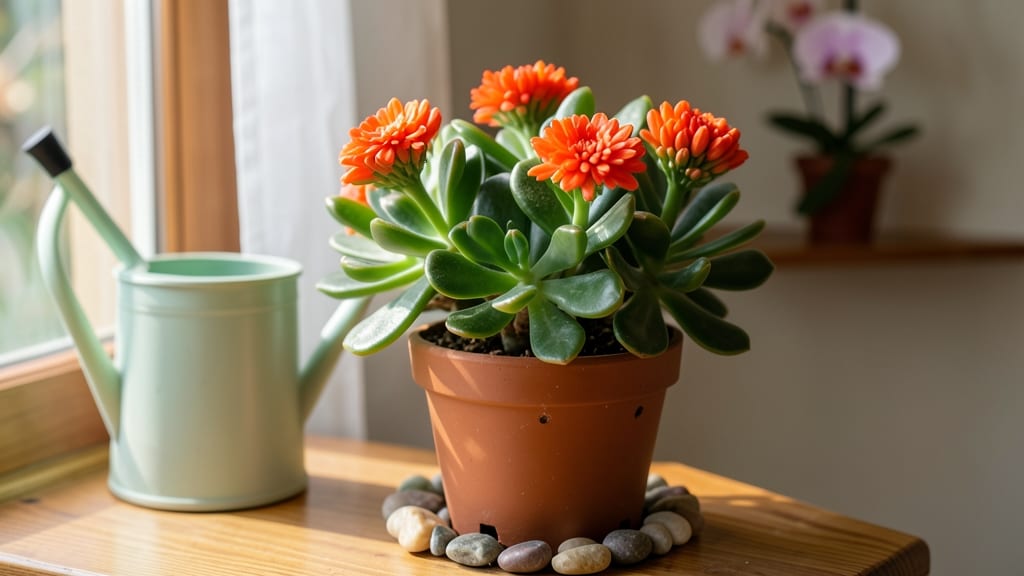
Indoor flowering plants year round aren’t just possible—they’re easier than you think, especially with sun-loving varieties that bloom like clockwork. 🌸 I’ve kept my African violets flowering continuously for over a year by mimicking their natural light cycles, and the secret isn’t complicated: bright indirect light, consistent watering, and a little seasonal tweaking.
Most people overthink it, but the real magic happens when you match the plant’s needs to your home’s conditions.
The trick starts with light—these plants need 6-8 hours of bright, indirect sunlight daily, which means placing them near east or south-facing windows or supplementing with a grow light for 12-14 hours a day.
Watering is next: let the top inch of soil dry out between waterings, and always use room-temperature water to avoid shocking the roots. A well-draining potting mix with perlite or orchid bark keeps roots happy, and fertilizing every 4-6 weeks with a balanced liquid fertilizer keeps blooms coming.
By winter, when natural light fades, you’ll notice a shift—leaves may stretch toward the window, and blooms slow down. That’s when I adjust: I rotate plants weekly to ensure even growth and add a cool-white LED grow light for 6 hours in the evening.
The payoff? Nonstop color—think velvety orchid blooms, delicate African violet clusters, or the bold geraniums that thrive in sunny spots. Your home becomes a living gallery, and the air stays fresh with natural fragrance.
Works for apartments, offices, or sunrooms—just pick the right plants for your light levels. Here’s how to choose the perfect varieties for your space and keep them thriving all year.
📚 In This Guide
- What you need
- Instructions
- Tips and common mistakes
- Wrapping up and next steps
What you need
- ● Sunlight-loving flowering plants: 3–5 varieties (e.g., African Violet, Geranium, Kalanchoe, or Orchids). Choose based on your light conditions (e.g., bright indirect or direct sunlight).
- ● Well-draining pots: 2–4 containers (6–12 inches in diameter) with drainage holes. Terracotta or ceramic works best for airflow.
- ● High-quality potting mix: 1–2 bags of lightweight, well-draining soil (e.g., cactus/succulent mix or orchid bark blend for tropical varieties).
- ● Watering can: 1 with a rose or fine-spray nozzle for gentle hydration.
- ● Fertilizer: 1 bottle of balanced liquid fertilizer (10-10-10 or 20-20-20) or slow-release granules for flowering plants.
- ● Pruning shears: 1 pair of sharp, sterilized shears for trimming dead blooms or overgrowth.
- ○ Grow lights (optional): 1–2 LED full-spectrum bulbs (6000K–6500K) for supplementing low-light areas (6–8 hours/day).
- ● Light source: A south- or west-facing window (6+ hours of sunlight daily) or a grow light setup.
- ● Humidity control: A humidifier or pebble tray (especially for tropical varieties like Orchids).
- ● Temperature range: Keep plants in 65–75°F (18–24°C) for optimal growth.
- ● Patience & consistency: Sunlight-loving plants thrive with regular care—watering, fertilizing, and pruning on schedule!
Step-by-Step guide to selecting and caring for sunlight-loving indoor flowering plants
Here's how to choose and maintain vibrant bloomers that keep flowering indoors year-round.
🌱 Step 1: Choose the Right Varieties for Your Light Conditions
Start with plants that match your space's natural light. For bright indirect light (like an east-facing window), African violets and bromeliads thrive. If you have direct southern sun, geraniums and orchids will reward you with continuous blooms. I always check the plant's native habitat—sun-loving varieties from tropical highlands (like Kalanchoe) do best in 6-8 hours of bright light daily.
Test your light by placing a sheet of paper on the windowsill for a week. If it stays bright, you have direct sun. If it fades, you're in indirect light. This simple check prevents overpromising plants to dim corners. Avoid placing these varieties in north-facing rooms unless you supplement with grow lights.
☀️ Step 2: Position Plants for Optimal Light Exposure
Rotate plants quarter-turn weekly so they grow evenly toward the light source. You'll notice leaves stretching toward the window? That's a sign they need more light or a closer spot. For south-facing windows, place plants 12-18 inches away—too close causes leaf scorch. In west-facing windows, move them back 24 inches to prevent afternoon heat stress.
Use sheer curtains to diffuse harsh afternoon sun, especially in summer. I always group plants by light needs: sun-lovers on the south side, medium-light varieties in east/west, and low-light types near north-facing windows. This prevents overcrowding and ensures each plant gets its ideal conditions.
💧 Step 3: Master Watering for Continuous Blooms
Water when the top 1-2 inches of soil feel dry—this varies by plant but usually means every 5-7 days in winter and 3-5 days in summer. Overwatering is the #1 killer of indoor bloomers, so I always check moisture with my finger before reaching for the watering can. African violets wilt dramatically when thirsty but bounce back quickly with proper care—this is normal and not a sign of distress.
Use room-temperature water and avoid wetting leaves to prevent fungal diseases like powdery mildew. Bottom-watering (placing the pot in a saucer of water for 10 minutes) ensures roots absorb moisture evenly without soggy soil. Drain excess water after 15 minutes to prevent root rot—a silent killer that often goes unnoticed until leaves yellow.
✂️ Step 4: Prune and Fertilize for Long-Term Flowering
Deadhead spent blooms weekly to encourage new flowers. For geraniums, pinch back leggy stems to 3-4 inches in early spring to promote bushier growth. I always use clean, sharp scissors dipped in rubbing alcohol between cuts to prevent disease spread. This isn't just about looks—regular pruning improves airflow, reducing humidity-related issues.
Feed plants every 4-6 weeks with a balanced liquid fertilizer (10-10-10 or 20-20-20) diluted to half-strength. Over-fertilizing causes salt buildup in soil, which you'll see as white crust on the surface. Flush the soil monthly by watering thoroughly until water runs from the drainage holes—this prevents chemical buildup that stunts growth.
🌿 Step 5: Monitor and Adjust for Seasonal Changes
In winter, reduce watering by 30-50% as indoor air dries out from heating systems. You'll notice leaves curling or dropping? That's often a sign of low humidity. Group plants together to create a microclimate or use a pebble tray with water beneath pots to add moisture to the air without soggy soil.
Watch for pests like spider mites (tiny webs on undersides of leaves) or aphids (sticky residue on new growth). Treat infestations immediately with neem oil or insecticidal soap, applying in the evening when bees aren't active. Prevention is key: Wipe leaves monthly with a damp cloth to remove dust, which blocks light absorption and stresses plants.
Tips & tricks for perfect indoor flowering plants
Here's what nobody tells you about keeping these sun-loving beauties thriving all year—details that separate thriving bloomers from struggling survivors.
Light Testing Hack: That paper test in Step 1 is your secret weapon. I've seen people waste money on sun-loving plants only to realize their north-facing windows just don't cut it. For extra accuracy, test during both morning and afternoon—light quality changes dramatically. If your paper fades completely by noon, you've got indirect light; if it stays bright all day, you're in direct sun territory. This simple test prevents costly mistakes when selecting varieties.
Rotation Technique: The quarter-turn weekly rotation in Step 2 isn't just about even growth—it's a built-in growth monitor. If you notice leaves stretching toward the window after just one week, move the plant closer immediately. For south-facing windows, I recommend a 12-inch distance as your starting point, then adjust based on leaf behavior. Remember, plants grow toward light, so if they're leaning, they're telling you something needs to change.
Watering Precision: The 10-minute bottom-watering method in Step 3 works wonders, but here's the pro move: use a timer. Set it for exactly 10 minutes when you place the pot in the saucer, then drain after 15 minutes. This ensures consistent moisture without guesswork. For plants like African violets, I've found that bottom-watering prevents the soil from becoming compacted, which keeps those delicate roots happy and blooms coming.
Fertilizer Timing: That monthly flush in Step 4 is crucial, but don't wait until you see salt buildup—it's often too late by then. I schedule flushes right after fertilizing to prevent chemical accumulation. For extra insurance, use filtered or distilled water for flushing, as tap water minerals can compound the problem. This simple habit keeps your plants healthy and your soil in optimal condition for continuous blooming.
Pro Tips for Indoor Flowering Plants Year Round
- Here's what nobody tells you about keeping these sun-loving beauties thriving all year—details that separate thriving...
- Light Testing Hack: That paper test in Step 1 is your secret weapon. I've seen people waste money on sun-loving plant...
- Rotation Technique: The quarter-turn weekly rotation in Step 2 isn't just about even growth—it's a built-in growth mo...
Frequently asked questions
Got questions about keeping flowering plants blooming indoors all year? You’re not alone—many gardeners want lush, vibrant blooms without seasonal limitations! Here are answers to the most common queries to help you succeed.
Which indoor flowering plants need the most sunlight?
Sunlight-loving varieties like African violets, geraniums, and orchids thrive with 4–6 hours of bright, indirect light daily. Place them near south- or west-facing windows. For deeper hues and more blooms, supplement with a grow light (12–14 hours/day) in low-light spaces.
How do I keep my indoor plants flowering year-round?
Consistency is key! Ensure proper light, water (let soil dry slightly between waterings), and fertilizer (use a balanced formula every 4–6 weeks). Prune spent blooms to encourage new growth, and rotate plants occasionally for even light exposure. Some varieties, like peace lilies, may slow down in winter—adjust care to mimic seasonal changes.
Can I grow flowering plants indoors in winter?
Winter care depends on your plant type. Most tropical varieties (e.g., calatheas, begonias) prefer stable humidity—use a pebble tray or humidifier. For cacti/succulents, reduce watering and avoid drafts. If blooms fade, it’s normal; focus on nurturing foliage for spring reblooms.
What’s the easiest flowering plant for beginners?
Start with African violets or ZZ plants (yes, they bloom!). Both tolerate low light, occasional neglect, and irregular watering. Spider plants (with their tiny flowers) are also forgiving. Avoid finicky varieties like poinsettias unless you’re ready for seasonal care shifts.
Why won’t my indoor plant bloom?
Common culprits: light deprivation (move closer to a window), over-fertilizing (can burn roots), or lack of dormancy. Some plants (like amaryllis) need a rest period—reduce water and light for 6–8 weeks to trigger blooms. Check for pests too!
Still stumped? Drop your plant’s name in the comments—we’re happy to troubleshoot!
Wrapping up and next steps
Bringing indoor flowering plants year-round into your home isn’t just about aesthetics—it’s about creating a vibrant, life-affirming space that thrives no matter the season. 🌸 From sun-loving Gerber daisies to cheerful African violets, these varieties prove that even low-light corners can bloom with color and joy.
The key? A little patience, the right care, and a dash of creativity to match plants with your home’s natural light.
Ready to transform your space? Start small—pick one plant from this list, give it love, and watch it flourish! Then, let your confidence grow as you expand your indoor garden. Happy planting! 🌱