
Aphids
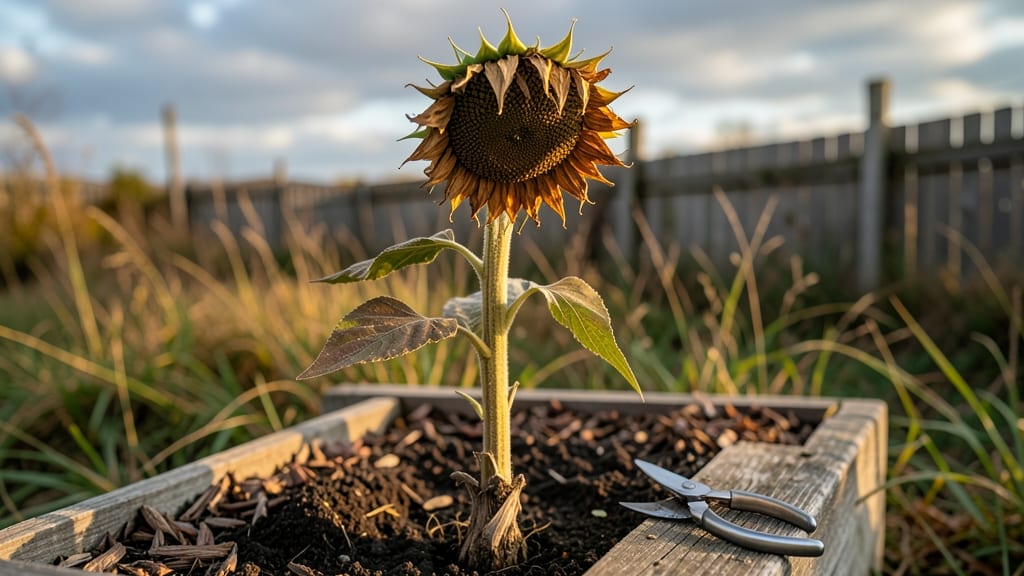
Dead sunflowers don’t mean the end of their usefulness—there’s still so much life left in those towering stems. 🌻 I’ve turned wilted sunflowers into everything from rustic centerpieces to nutrient-rich compost, and you can too without wasting a single part of the plant.
The best part? You don’t need fancy tools or special skills—just a pair of scissors, a bucket for compost, or a little creativity. Save the seeds for next year’s garden, dry the blooms for arrangements, or chop everything into your compost pile to feed future plants.
Every piece has a purpose.
You’ll end up with dried flowers that last all winter, seeds ready to sprout in spring, and soil so rich it’ll make your next sunflower crop even taller. Plus, you’ll cut down on garden waste while keeping your space tidy and productive.
Whether you’re a seasoned gardener or just starting out, these ideas work for any yard or balcony setup. Let’s put those dead sunflowers to work in ways you never expected!
📚 In This Guide
- What you need
- Instructions
- Tips and common mistakes
- Wrapping up and next steps
What you need
- ● Dead sunflower stems and seeds: 1-5 plants (depending on your project scale). Choose fully dried stems for durability.
- ● Pruning shears or sharp scissors: 1 pair (to cut stems cleanly at a 45° angle).
- ● Containers or buckets: 1-2 (for collecting seeds or storing stems). A 5-gallon bucket works well for larger batches.
- ● Newspaper or paper towels: 1-2 sheets (for drying seeds if needed).
- ● Compost bin or bag: 1 (if composting stems—ensure it’s at least 18" deep for proper decomposition).
- ○ Optional adhesive: Hot glue gun or floral tape (for craft projects like wreaths or centerpieces).
- ● Wire or fishing line: 1 spool (for hanging dried sunflowers or creating mobiles).
- ● Paint or markers: Acrylic paint or fabric markers (to decorate stems or seeds).
- ● Clay or resin: Air-dry clay or clear resin (for embedding seeds in jewelry or ornaments).
- ● Fabric or burlap: 1-2 yards (for wrapping stems in boho-style crafts).
- ● Birdseed mix: 1 small bag (if turning seeds into bird feeders).
Creative ways to repurpose dead sunflowers
Here’s how to transform dried sunflowers into functional, beautiful pieces—no gardening skills required.
🌿 Step 1: Harvest and Dry the Stems Properly
Cut stems at a 45-degree angle just above a leaf node to encourage water uptake. Bundle 3-5 stems together with twine and hang upside down in a dry, shaded spot. Avoid direct sunlight—it can cause stems to crack or rot. You’ll know they’re ready when the petals crumble easily and the stems snap cleanly.
If you’re short on time, place stems in a paper bag with a few holes punched in it. The bag traps moisture and speeds up drying in 1-2 weeks. Real talk: Don’t rush this step. Rushed drying leads to moldy stems that won’t hold up for crafts.
✂️ Step 2: Remove Petals and Clean the Stems
Once fully dry, strip off petals by gently pulling them away from the seed head. Save the petals for smaller projects like potpourri or wreaths—they add texture and color. For the stems, use a knife or sandpaper to smooth rough edges. I like to scrape off any remaining leaf debris with a damp cloth to prevent pests.
If stems feel sticky or have sap, soak them in warm, soapy water for 10 minutes to remove residue. Rinse thoroughly and let dry completely. This step ensures your repurposed sunflowers last longer and look polished.
🪴 Step 3: Choose a Repurposing Project
For vases or centerpieces, bundle 3-4 stems together and secure with twine. Place them in a shallow bowl or vase filled with 2 inches of water—they’ll last 1-2 weeks as a dried arrangement. If you’re crafting wreaths, arrange stems in a circular pattern and glue them to a foam base using hot glue. Let dry completely before hanging.
Want something functional? Hollow out the seed heads and use them as candle holders or pen holders. Drill a small hole in the base for drainage if needed. Here’s the thing—sunflower stems are surprisingly sturdy. With a little creativity, they can hold lightweight decor, small plants, or even jewelry for months.
💧 Step 4: Preserve and Store for Future Use
To keep stems from becoming brittle, store them in an airtight container with a silica gel packet or a few drops of essential oil (like lavender) to repel pests. Label the container with the year—older stems lose their structural integrity faster. If you’re storing seed heads, keep them in a mesh bag to allow airflow and prevent moisture buildup.
For long-term projects, like framed art or wall hangings, seal stems with clear varnish to protect them from dust and humidity. A light coat of spray works best—don’t drown them. You’ll love how these natural elements elevate any room without breaking the bank.
Tips & tricks for perfect sunflower upcycling
Here's what nobody tells you about working with dried sunflowers—these little details make all the difference.
Drying Secret: The 1-2 week drying time in a paper bag is your best shortcut, but here's the catch: punch holes that are no larger than a quarter. Larger holes let too much air in, slowing down the process. I mark my bags with a permanent marker to track drying progress—just draw a line where the moisture level should be after 7 days. This keeps you from guessing whether your stems are ready or still too damp.
Stem Prep Pro Tip: When smoothing rough edges with sandpaper, start with medium-grit (120-150) first, then switch to fine-grit (220) for the final pass. This two-step process prevents splintering while giving you perfectly smooth surfaces for gluing. Confession: I skipped this step for years and wondered why my wreaths kept looking rough—turns out, the stems just needed proper prep!
Project-Specific Twine Tip: For vases or centerpieces, use jute twine—it's sturdy and adds rustic charm. But for wreaths or wall hangings, switch to thin, flexible craft wire (like floral wire) so you can bend stems into shapes without breaking them. I keep both on hand because they solve completely different problems in each project.
Preservation Hack: If you don't have silica gel packets, crumple up dryer sheets and place one in your storage container. The fabric softener residue repels pests just as effectively, and you'll already have it on hand. For extra protection, add a bay leaf to the container—its natural oils deter insects while adding a subtle fragrance to your crafts.
Pro Tips for What To Do With Dead Sunflowers
- Here's what nobody tells you about working with dried sunflowers—these little details make all the difference.
- Drying Secret: The 1-2 week drying time in a paper bag is your best shortcut, but here's the catch: punch holes that are no larger than a quarter.
- Stem Prep Pro Tip: When smoothing rough edges with sandpaper, start with medium-grit (120-150) first, then switch to fine-grit (220) for the final pass.
Frequently asked questions
about what to do with dead sunflowers—because even after they’ve lost their bloom, they’ve still got plenty to offer!Can I compost dead sunflowers?
Sunflowers break down quickly in compost piles, enriching your soil with nitrogen and organic matter. Chop the stems into smaller pieces first to speed up decomposition. Avoid composting if the plant was treated with pesticides or herbicides—opt for a pesticide-free alternative instead.
How long does it take for sunflowers to decompose?
Sunflower stems typically decompose in 3–6 months in a well-maintained compost pile, while leaves and smaller debris may disappear in just a few weeks. For faster results, shred the stems or mix them with greener materials like grass clippings to balance carbon and nitrogen.
Are there any downsides to leaving dead sunflowers in the garden?
Leaving them in place can look rustic, but it may attract pests like rodents or insects if seeds remain. If you’re not using them for seed collection, remove them to prevent regrowth or disease buildup. Otherwise, they make great winter interest for your garden’s aesthetic!
Can I regrow sunflowers from dead stems?
Sunflowers can’t regrow from cut stems, but you can save seeds for next year! Harvest the seeds once the flower head dries out, then plant them in spring. For a fun experiment, try sprouting the seeds in water—kids love watching them grow roots in just a few days!
Do dead sunflowers still benefit pollinators?
While live flowers attract bees and butterflies, dead sunflower heads can still provide shelter for beneficial insects like ladybugs or lacewings. Leave a few stems standing if you want to support pollinators year-round. Just avoid cutting them down until late winter or early spring.
Wrapping up and next steps
Dead sunflowers don’t have to mark the end of their story—they’re just waiting for a new purpose! Whether you repurpose them into rustic decor, nourish your soil, or craft something beautiful, every stem and seed holds potential.
Embrace the cycle of growth and creativity, and let your sunflowers inspire your next DIY project.
Ready to transform? Pick one idea from this guide and start today—your garden (or home) will thank you! 🌻✨