
How To
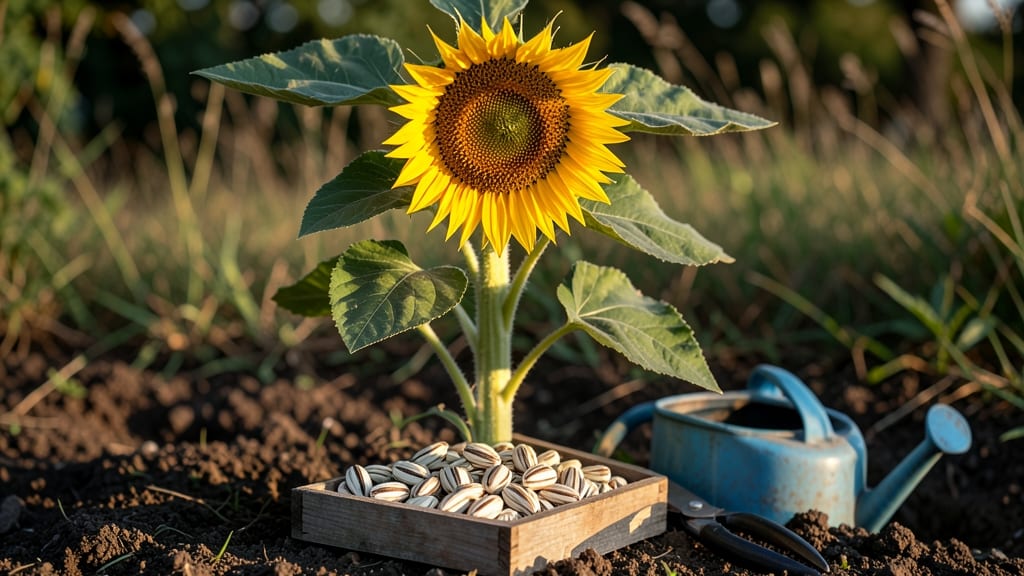
Growing sunflowers from seed is one of the most rewarding gardening experiences—imagine watching those velvety petals unfurl into towering giants in just three months. 🌻 I’ve grown sunflowers for years, and the secret to success starts with the right soil, timing, and a little patience during those early days when nothing seems to happen.
The beauty of sunflowers is that they’re beginner-friendly, but they do demand a few key things: full sun (at least 6-8 hours a day), well-draining soil, and consistent moisture—especially when those first sprouts push through.
Most people overlook how critical the soil temperature is (wait until it’s at least 55°F), which can mean the difference between fast germination and weeks of waiting.
By mid-summer, you’ll be harvesting seeds for next year while enjoying the sight of bees buzzing around your 6-12-foot-tall giants. The best part? Even if you miss a watering day or two, sunflowers bounce back with surprising resilience.
They’re the perfect way to add drama to any garden—whether you’re a first-time planter or a seasoned grower.
Here’s where it gets interesting: those first few inches of growth are the most critical. We’ll cover exactly how deep to plant, when to thin seedlings, and what to do if they take their sweet time sprouting. Trust me, the payoff is worth every minute of waiting.
📚 In This Guide
- What you need
- Instructions
- Tips and common mistakes
- Wrapping up and next steps
What you need
- ● Sunflower seeds: Choose a variety suited to your climate and space (e.g., Mammoth for height, Teddy Bear for compact blooms). Buy 10–20 seeds per plant (or a full packet for multiple plants). Opt for heirloom or organic seeds for better germination.
- ● Well-draining potting soil: 5–10 gallons (for in-ground planting) or 1–2 gallons per container (if using pots). Mix in compost or aged manure (1 cup per 5 gallons) for nutrients.
- ● Fertilizer: Balanced 10-10-10 fertilizer (1 tbsp per plant) at planting time.
- ● Low-nitrogen 5-10-10 fertilizer (1 tbsp per plant) when buds form.
- ● Watering can or hose with a gentle spray nozzle.
- ○ Garden twine or stakes (optional but helpful): 6-foot wooden stakes or bamboo supports (1 per plant) if your variety grows tall.
- ● Mulch: Straw or wood chips to retain moisture and suppress weeds.
- ● Seed-starting trays (if sowing indoors first) with biodegradable pots or peat pellets.
- ● Plant labels: To track varieties and planting dates.
- ● Bird netting: To protect flowers from hungry birds (if you want to save seeds later!).
- ● Pruning shears: For trimming dead leaves or harvesting.
Step-by-step instructions for growing sunflowers from seed
Here's how I transform tiny sunflower seeds into towering summer stars—no green thumb required.
🌱 Step 1: Choose the Right Variety and Plant at the Perfect Time
Sunflowers thrive when planted after the last frost date in your area, when soil temperatures reach at least 50°F. I always opt for dwarf varieties like 'Teddy Bear' (3-4 feet) for containers or giant varieties like 'Mammoth' (10+ feet) for backyard displays. Check your seed packet for days to maturity—most sunflowers reach full height in 90-120 days.
Here's the thing—sunflowers hate being transplanted, so I plant seeds directly in the garden where they'll grow. If you must start indoors, do it 4-6 weeks before the last frost and use biodegradable pots to avoid root disturbance. The key is warm soil, not cold—plant too early and germination slows dramatically.
🪴 Step 2: Prepare the Soil and Plant Seeds Deeply
Sunflowers love rich, well-draining soil with a pH between 6.0 and 7.5. Before planting, mix 2 inches of compost into the top 6 inches of soil for each plant. I dig holes 1 inch deep—deeper than most seeds need—because sunflower seeds have a tough outer shell that benefits from extra warmth and moisture.
Drop 2-3 seeds per hole (they germinate quickly) and cover with soil, pressing lightly to ensure good seed-to-soil contact. Space dwarf varieties 12 inches apart and giants 24-36 inches apart. Water gently but deeply—1 inch of water per week—to prevent seeds from drying out. You'll see sprouts in 7-14 days, depending on soil warmth.
☀️ Step 3: Provide Full Sun and Consistent Care
Sunflowers are sun worshippers—they need 6-8 hours of direct sunlight daily to grow straight and strong. If you notice stems leaning or leaves turning pale, your plants need more light. I stake taller varieties at planting time with 6-foot stakes, tying stems loosely with soft cloth as they grow to prevent damage.
Water at the base of the plant in the morning to reduce fungal risks. Avoid overhead watering once seedlings emerge—wet leaves invite powdery mildew. Fertilize lightly with a balanced 10-10-10 formula when plants reach 12 inches tall, but don't overdo it. Sunflowers are heavy feeders, but too much nitrogen produces leafy growth at the expense of blooms.
✂️ Step 4: Deadhead and Support for Maximum Blooms
When the first flowers fade, snip off the spent blooms with clean pruners to encourage secondary blooms on many varieties. This is the moment that matters: removing dead flowers redirects the plant's energy to new buds. I also pinch off any side shoots that form below the main flower head—this ensures the plant puts all its energy into one stunning display.
Watch for bird activity—sunflower seeds are irresistible to squirrels and finches. If birds become a problem, cover plants with lightweight netting once buds form. For giant varieties, add a second stake at 6 feet to prevent top-heavy stems from snapping in wind or rain. You'll know your sunflowers are thriving when they grow 1-2 inches per day in ideal conditions.
🌿 Step 5: Harvest Seeds and Enjoy the Show
Leave some flowers on the stem until the back of the head turns yellow and the seeds darken. Cut the head off, hang it upside down in a dry, dark place, and let the seeds dry completely. Once fully mature, rub the head gently to release seeds—save some for next year or roast them for snacks. I always leave 2-3 plants to go to seed to ensure a steady supply of homegrown sunflowers.
Don't skip the fun part: arrange freshly cut sunflowers in a vase with 3 inches of water and flower food to extend their vase life. The larger the stem, the longer they'll last—giant varieties can stay fresh for 2 weeks or more. Real talk: there's nothing like watching sunflowers grow from tiny sprouts to towering giants in just three months. You've got this.
Tips & tricks for perfect sunflower growth
These simple but game-changing tricks will help you coax those towering sunflowers from seed to showstopper in no time.
Soil Temperature Secret: The 50°F soil temperature threshold is non-negotiable for germination. I learned this the hard way—planting too early in cool soil can delay sprouting by weeks. Use a soil thermometer to check before planting, especially in spring. If your soil runs cold, consider using black plastic mulch to warm it up faster. This is the difference between seeing sprouts in 7 days versus 21 days.
Planting Depth Hack: Those 1-inch deep holes might seem shallow, but they're perfect for sunflower seeds. The extra depth helps break through the tough seed coat while keeping moisture close to the seed. I press the soil gently around the seeds to ensure good contact—this prevents air pockets that could delay germination. For container growing, use pots at least 12 inches deep to accommodate the full root system.
Sunlight Strategy: Sunflowers need those 6-8 hours of direct sunlight daily, but not all light is equal. If your garden gets afternoon shade, position your sunflowers to catch morning sun instead. I've found that east-facing gardens work beautifully for sunflowers—the gentle morning light helps prevent leaf scorch. Rotate your plants every few days to ensure even growth, especially if you're using containers that can be moved easily.
Watering Wisdom: That 1 inch of water per week guideline is a baseline, but young seedlings need more frequent watering—about ½ inch every 3-4 days until they're established. The key is consistency: let the top inch of soil dry out between waterings, but never let it get bone-dry. I water deeply in the morning to give the soil time to absorb moisture before the heat of the day. Overhead watering after seedlings emerge can spread fungal diseases, so always water at the base.
Pro Tips for Make A Sunflower
- These simple but game-changing tricks will help you coax those towering sunflowers from seed to showstopper in no time.
- Soil Temperature Secret: The 50°F soil temperature threshold is non-negotiable for germination.
- Planting Depth Hack: Those 1-inch deep holes might seem shallow, but they're perfect for sunflower seeds.
Frequently asked questions
Got questions about growing sunflowers? You’re not alone! Here are answers to the most common queries to help you cultivate stunning blooms with confidence.
How long does it take for sunflower seeds to germinate?
Sunflower seeds typically sprout in 7–14 days after planting, depending on soil temperature and moisture. Keep the soil consistently moist (but not soggy) and warm (around 70°F (21°C)) to speed up germination. If you don’t see sprouts in 2 weeks, gently check for seeds—some may have rotted or been buried too deep.
Can I plant sunflower seeds too late in the season?
Sunflowers thrive in warm weather, so plant them after the last frost when soil temps reach 50°F (10°C). For most regions, this means late spring to early summer. If you miss the window, opt for short-season varieties (like ‘Teddy Bear’ or ‘Moulin Rouge’) or start seeds indoors 4–6 weeks before the last frost. Late plantings may yield smaller flowers or seeds.
What if my sunflower seedlings look leggy or weak?
Leggy seedlings usually mean they’re stretching for sunlight. To fix this, thin seedlings to 12–18 inches apart and place them in full sun (6+ hours daily). If growing indoors before transplanting, use a grow light 12–14 inches above them. Avoid overcrowding—sunflowers need space to develop strong stems and blooms.
How do I protect sunflowers from pests like birds or squirrels?
Birds and squirrels love sunflower seeds! Use bird netting or row covers when flowers start forming. For squirrels, try decoy plants (like marigolds) or cage young plants with wire mesh until they’re established. Once mature, sunflowers are less appealing, but harvest seeds early if pests are persistent.
Can I grow sunflowers in containers, and what’s the best pot size?
Sunflowers adapt well to containers if given enough space. Choose large pots (at least 12–18 inches deep and wide) for dwarf varieties (like ‘Little Becka’) or 20+ gallon containers for taller types. Use well-draining potting mix, place pots in full sun, and stake tall varieties to prevent tipping. Dwarf sunflowers are ideal for balconies!
Pro Tip:
For bigger blooms, fertilize sunflowers with a balanced 10-10-10 fertilizer when seedlings are 4–6 inches tall, then again when buds form. Deadhead spent flowers to encourage more blooms, and water at the base (not the leaves) to prevent mildew. Happy growing!
Wrapping up and next steps
Growing sunflowers is a rewarding journey that brings color, joy, and even delicious seeds to your garden in just 90 days! Whether you’re a beginner or a seasoned gardener, these towering beauties are easy to cultivate with the right care—sunny spots, well-draining soil, and patience. 🌻
Now that you’re armed with tips and tricks, take the plunge and plant your seeds! Start small with a few varieties, experiment with heights and colors, and watch your garden transform.
Before you know it, you’ll be harvesting seeds, crafting bouquets, or even sharing your sunflowers with neighbors. Happy growing!