
Orchid Care
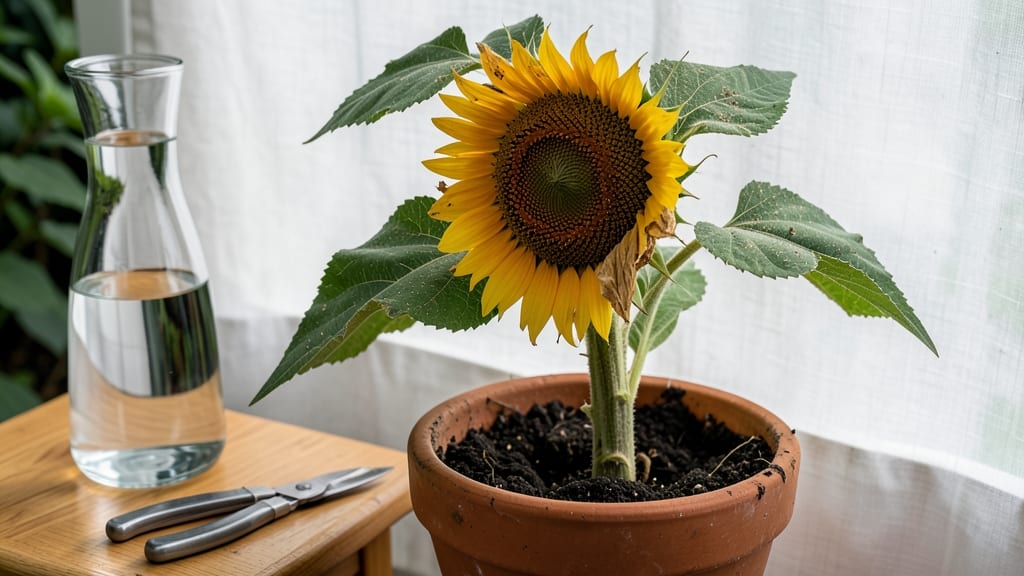
Learning how to care for cut sunflowers the right way could make them last three times longer than you’d think. I’ve turned wilted stems into vibrant centerpieces by mastering the science behind hydration, and you can too.
The secret starts with a sharp knife, a clean snip, and knowing exactly where to slice.
First, trim stems at a 45-degree angle just before arranging them—this increases water uptake by exposing more surface area. Strip lower leaves that would sit underwater (they rot and clog the stem), but leave the top foliage to feed the bloom.
Use room-temperature water or even a splash of bleach (1 part to 4 parts water) to prevent bacterial growth. This simple prep keeps stems drinking efficiently for days.
For maximum vibrancy, change the water every two days and recut the stems—even a fresh nick revives wilting blooms. Add a DIY flower food (1 teaspoon sugar + 1 teaspoon bleach per quart of water) to feed the stems and fight bacteria.
With these tricks, your sunflowers will stay perky for 10-14 days, their petals bright and stems strong.
Troubleshooting is easy once you know the signs: stems bending? They need more water. Yellowing petals? Time to recut and refresh. Moldy water? Clean the vase thoroughly. These fixes keep your sunflowers looking fresh, not faded. Ready to extend their life?
📚 In This Guide
- What you need
- Instructions
- Tips and common mistakes
- Wrapping up and next steps
What you need
- ● Freshly cut sunflowers – Choose stems with at least 3-4 inches of healthy stem (avoid wilted or yellowing blooms).
- ● Clean, sharp scissors or pruning shears – Sterilize with rubbing alcohol before cutting to prevent bacterial buildup.
- ● Fresh, cool water – Room temperature or slightly chilled (never warm or tap water left sitting).
- ● A clean vase or container – Glass is ideal, but any non-porous material (ceramic, plastic) works. Choose one that’s at least 2-3 inches taller than the stems.
- ○ Floral preservative (optional but highly recommended) – Look for commercial products like Flower Food® or DIY mixes (see tips below).
- ● Hydrogen peroxide (3%) or bleach (1 tsp per gallon of water) – For sterilizing water and slowing bacterial growth.
- ● Sugar (1 tsp) + white vinegar (2 tbsp) – DIY preservative booster (adds nutrients and balances pH).
- ● Aluminum foil or plastic wrap – Wrap stems loosely if storing overnight before arranging.
- ● Floral foam or pebble stones – For low-maintenance arrangements (if using a non-traditional vase).
- ● Newspaper or dark paper towels – Line the bottom of the vase to absorb excess moisture and keep water clean.
Step-by-Step guide to extending cut sunflower life
Here’s how to keep those towering blooms fresh for weeks—not just days.
Prepare the Vase with the Right Water and Solution
Start by filling your vase with lukewarm water—cold water can shock the stems and slow uptake. Before arranging the sunflowers, trim 1-2 inches off each stem at a sharp angle using clean pruners. This creates a fresh cut that maximizes water absorption.
For extra longevity, add 1 teaspoon of bleach or floral preservative to the water. This prevents bacterial growth in the vase, which is the #1 reason cut sunflowers wilt prematurely. The solution should be lightly cloudy, not dark or murky—if it looks dirty, refresh the water immediately.
Rehydrate Stems Before Arranging
Place the trimmed stems in a bucket of room-temperature water for at least 1 hour before arranging them in the vase. This step is critical—it helps the stems rehydrate after the initial cut and reduces air bubbles that can block water uptake. You’ll notice the petals perk up noticeably after this soak.
While the stems rehydrate, clean the vase thoroughly with hot, soapy water to remove any residue from previous flowers. Rinse well and dry—soap residue can interfere with water absorption. A squeaky-clean vase ensures the flowers stay fresh longer.
Arrange Stems for Optimal Water Flow
Remove any lower leaves that will sit below the waterline—they’ll rot and create bacteria. Arrange the stems in the vase so they’re not crowded; overpacking blocks water flow and forces stems to compete for hydration. A loose arrangement lets each stem drink freely.
Trim stems again by ½ inch once they’re in the vase to open up the ends for better water intake. Change the water every 2-3 days, even if it doesn’t look dirty. Stagnant water is invisible until it’s too late—this simple habit adds days to their life.
Maintain Temperature and Light Conditions
Keep the vase away from direct sunlight, heating vents, or drafts. Sunflowers wilt fastest in hot, dry air or near cold windows. The ideal spot is a cool, shaded room—think kitchen counter or living room away from appliances. You’ll see stems stay crisp and petals retain their vibrant color.
Mist the blooms lightly with room-temperature water every 2-3 days to keep petals hydrated. Avoid soaking them—just a fine mist on the petals mimics morning dew and prevents drying. This is especially helpful in dry indoor air from heating systems.
Refresh Cuts and Water Regularly
Every 2-3 days, trim ¼ inch off each stem at a fresh angle. This keeps the water flowing and prevents the ends from sealing shut, which cuts off hydration. Discard any stems that feel soft or mushy—these are already compromised by bacteria.
Top off the water with fresh, lukewarm water and a pinch of floral preservative each time you trim. Even if the vase looks full, water levels drop quickly as stems drink. A full vase with fresh water is your secret weapon for long-lasting blooms.
Tips & tricks for perfectly preserved sunflowers
Took me years of experimenting to figure out these little tricks that make all the difference in keeping sunflowers vibrant for weeks—not just days.
Cutting Technique Matters: When you trim those 1-2 inches off each stem in Step 1, use a sharp pair of pruners or a clean knife—dull blades crush the stem fibers, which blocks water uptake. I make sure to cut at a 45-degree angle so more surface area touches the water. This single step can add days to their life by ensuring maximum hydration from the start.
Bacterial Prevention is Key: The 1 teaspoon of floral preservative in Step 1 isn't optional—it's your secret weapon against bacterial growth. If you don't have preservative, plain household bleach works in a pinch (just use 1 teaspoon and dilute in the water). The lightly cloudy appearance means it's working; murky water means bacteria are already winning. Refreshing the water every 2-3 days, as mentioned in Step 3, is non-negotiable for preventing that telltale slimy build-up.
Environmental Control Wins: That cool, shaded room recommendation in Step 4 isn't just about aesthetics—sunflowers are sensitive to temperature fluctuations. I've seen blooms wilt dramatically when placed near heating vents or drafty windows. The ideal spot is actually where your house stays most consistent, like a closed bedroom or hallway. And while you're at it, avoid placing them near ripe fruits—they release ethylene gas, which accelerates wilting.
Visual Cues for Maintenance: Here's what nobody tells you—when you're misting those blooms every 2-3 days (Step 4), look for these signs: petals that feel slightly crisp to the touch need misting, while those that feel soft or droopy are already past their prime. The stems should be firm when you gently squeeze them; any that feel mushy should be removed immediately. These visual checks help you stay ahead of the wilting process rather than reacting to it.
Pro Tips for Care For Cut Sunflowers
- Took me years of experimenting to figure out these little tricks that make all the difference in keeping sunflowers vibrant for weeks—not just days.
- Cutting Technique Matters: When you trim those 1-2 inches off each stem in Step 1, use a sharp pair of pruners or a clean knife—dull blades crush the stem fibers, which blocks water uptake.
- Bacterial Prevention is Key: The 1 teaspoon of floral preservative in Step 1 isn't optional—it's your secret weapon against bacterial growth.
Frequently asked questions
Got questions about keeping your cut sunflowers fresh and fabulous? You’re not alone! Here are some of the most common queries—plus quick fixes to keep those golden blooms looking their best.
How long will cut sunflowers last with proper care?
With the right hydration and trimming, sunflowers typically stay vibrant for 7 to 10 days in a vase. Some varieties, like the Mammoth or Teddy Bear types, may last even longer (up to 2 weeks) if you refresh the water every 2–3 days and recut stems. Avoid overcrowding—leave space for each stem to drink up water!
Do I need to trim the stems at an angle?
Yes! Cutting stems at a 45-degree angle (about 1–2 inches from the base) maximizes water absorption. Use clean, sharp scissors or pruners to avoid crushing the stem. Pro tip: Change the water and re-cut stems every 2–3 days to prevent bacterial bungs that clog the ends.
What’s the best water for sunflowers?
Use room-temperature, filtered, or distilled water to avoid chlorine or chemical buildup. Add a drop of bleach (1 tsp per gallon) or a commercial floral preservative to extend freshness. Avoid tap water sitting in open containers overnight—it can grow bacteria faster.
Why are my sunflowers wilting or drooping?
Wilting usually means thirst or air bubbles blocking the stem. Try these fixes:
- Recut stems under running water to clear blockages.
- Place the vase in a cool spot (avoid direct sunlight or heat sources).
- Check for ethylene gas (from ripening fruit nearby)—move sunflowers away from apples or bananas.
Can I use sunflowers in a bouquet with other flowers?
Sunflowers pair beautifully with dahlias, roses, or eucalyptus, but avoid mixing with flowers that compete for water, like carnations or alstroemeria. Keep stems separate in the vase to prevent overcrowding. Fun fact: Sunflowers release ethylene, which can speed up wilting in sensitive blooms—trim any drooping leaves to slow it down.
Wrapping up and next steps
Caring for cut sunflowers is simpler than you think—just a little love and the right techniques can keep them bright and beautiful for days! Remember to trim the stems, use fresh water, and change it regularly to fight bacteria.
A dash of sugar or flower food can work wonders too. 🌻✨
Now that you’re armed with these hydration hacks, why not try experimenting? Grab a bouquet, follow these steps, and share your sunflower success stories with friends—or even snap a pic for your next Instagram post! The joy of fresh, long-lasting blooms is just a few simple steps away.