
Plants
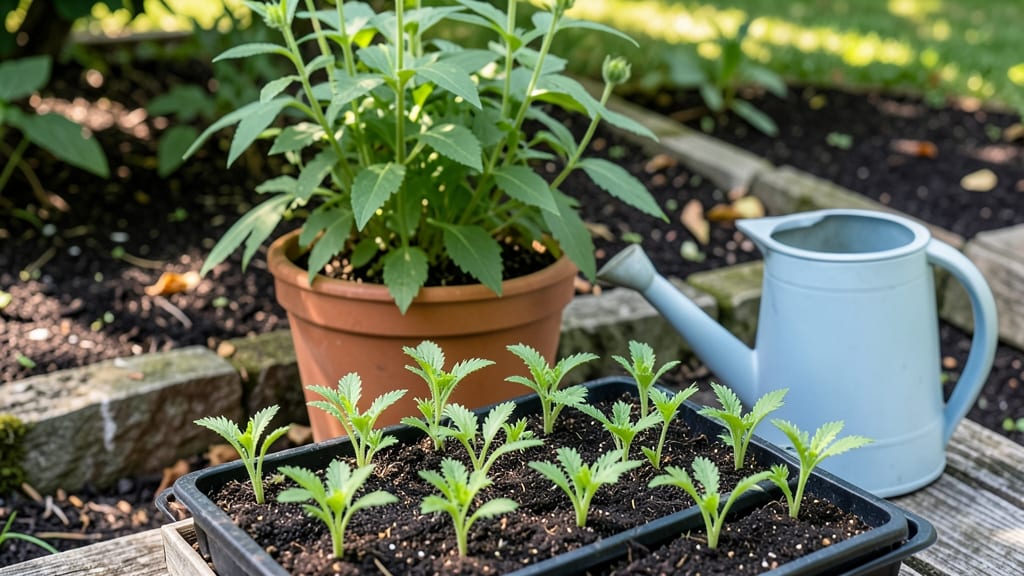
Wildflower sprouts start as shockingly tiny green specks that look like nature’s own confetti—delicate cotyledons (those first baby leaves) unfurling in soft, rounded shapes or slender points. 🌱 They’re often less than 1/4-inch tall, with stems so thin they barely hold their own weight, and colors ranging from pale lime to deep emerald, depending on the species.
Unlike grass or dandelion seedlings, wildflower sprouts rarely grow in neat rows; they sprawl unpredictably, like a child’s first tentative steps.
Most wildflower sprouts share a few telltale traits: hair-thin stems that don’t stiffen overnight, rounded or lobed cotyledons (not the jagged edges of weeds), and a fragile, almost translucent quality when young.
Compare them to chickweed (which has smooth, oval leaves) or purslane (succulent and fleshy)—wildflowers feel lighter, almost papery, and their leaves rarely cling to the soil like weeds do.
The key? Look for the "wow" factor: even at this stage, their potential for vibrant blooms is written in their DNA.
Healthy wildflower sprouts thrive in well-draining soil and gentle sunlight—think dappled shade or morning sun, not scorching afternoon rays. Overwatering turns their stems mushy, while drought makes them wilt faster than weeds.
If you’re still unsure, check your local wildflower guide or seed packet: many list sprouting height and leaf shape. Once you spot these tiny green delights, you’ll start seeing them everywhere—proof that beauty begins at a whisper.
Pro tip: Use a magnifying glass or take close-up photos to compare sprouts side by side. Weeds often have thicker stems or serrated edges, while wildflowers feel like nature’s lace—delicate, intentional, and full of promise.
Soon, those specks will become the jewel-toned blooms you planted for, one tiny leaf at a time.
📚 In This Guide
- What you need
- Instructions
- Tips and common mistakes
- Wrapping up and next steps
What you need
- ● Hand lens or magnifying glass (3x–10x magnification) – Helps examine delicate sprouts and tiny details.
- ● Field guide or plant identification app (e.g., iNaturalist, PlantNet, or a regional wildflower guidebook) – For comparing sprouts to known species.
- ● Notebook and pencil – To sketch sprouts, note colors, leaf shapes, and growth patterns.
- ○ Small trowel or hand shovel (optional but helpful for gently digging up sprouts for closer inspection).
- ● Camera or smartphone with a macro mode – Captures fine details for later reference.
- ● Gloves (lightweight, breathable) – Protects hands from prickly stems or rough terrain.
- ● Water bottle with spray nozzle – A light mist can help highlight leaf structures.
- ● Pruning shears – For safely collecting small samples (if permitted).
- ● Clear plastic bags or press kit – For preserving sprouts for later study.
- ● UV flashlight – Reveals hidden patterns in leaves under blacklight (fun for nighttime spotting!).
- ● Local ecology group or botanist contact – For expert verification or guided outings.
How to identify wildflower sprouts in your garden
Here's how to spot those first delicate signs of wildflower growth.
🌱 Step 1: Watch for the Tiny Cotyledons
Wildflower sprouts begin with cotyledons—those first tiny leaves that emerge from the soil. They're usually round, smooth-edged, and slightly thicker than true leaves. For many wildflowers, these first leaves appear bright green and often have a slightly fuzzy or waxy texture to conserve moisture.
Look for them peeking through the soil surface—they won't pop up like vegetables. Instead, they'll slowly push through, often in pairs. I've seen them as small as 1/8 inch wide, so grab a magnifying glass if needed. These cotyledons are your first clue that germination has succeeded.
🌿 Step 2: Spot the Distinctive Seedling Shape
Wildflower seedlings often have hair-like stems that are thinner than a pencil lead. Unlike vegetable starts, they rarely grow more than 1-2 inches tall at this stage. The true leaves that follow will be lobed, feathery, or deeply divided, depending on the species—think tiny versions of dandelion ferns or milkweed's willow-like leaves.
Here's the thing—wildflower sprouts often grow in clusters because seeds spread easily. You might see 3-5 seedlings emerging from one spot where a seed head exploded. Don't be tempted to thin them yet—many wildflowers benefit from growing together until they're established.
☀️ Step 3: Observe Growth Patterns Under Different Light
Wildflower sprouts show their true nature when exposed to morning sunlight. Their stems will naturally lean toward the light source, creating a slightly curved growth habit. This phototropism is normal—it's how they seek their needed sunlight to develop chlorophyll.
After a few days in good light, you'll notice the true leaves (not cotyledons) begin to unfurl. These will be more complex in shape—some look like tiny ferns, others resemble miniature versions of the mature flower's foliage. For example, black-eyed Susan seedlings develop toothed leaves, while coneflower sprouts show deeply lobed first leaves.
💧 Step 4: Check for Proper Moisture Signals
The healthiest wildflower sprouts will have firm, upright stems that don't wilt when touched. If the soil stays too wet, you'll see yellowing cotyledons or mushy stems—signs of damping-off disease. On the other hand, if the soil dries out too quickly, sprouts may appear stunted or curled as they struggle to reach moisture.
I like to water very lightly in the morning, just enough to keep the soil surface damp but not soggy. You'll know you've got the right moisture level when the soil feels like a wrung-out sponge—damp but not dripping. Wildflower sprouts are tough once established, but they need consistent moisture during this delicate early stage.
⏰ Step 5: Time Your Observations for Best Results
Most wildflower species take 7-14 days to sprout after planting, though some like poppies may take 2-3 weeks, especially in cooler weather. Keep a small notebook by your garden—note when you planted seeds and check daily for those first green hints.
Real talk: Don't expect uniformity. You might see your first sprouts appear on day 10, while others take until day 21. That's normal—wildflowers have built-in variability to ensure some seeds will germinate even in challenging conditions. Once you spot the first few, check nearby areas regularly as others will follow.
Tips & tricks for identifying wildflower sprouts
Here's what nobody tells you about spotting those elusive first signs of wildflower life.
Lighting Matters: The best time to spot wildflower sprouts is on overcast mornings when the light is diffused. Direct midday sun can make the delicate cotyledons hard to see against the soil. I've found that using a small hand lens or even a magnifying glass helps reveal those tiny 1/8-inch leaves that might otherwise blend into the soil. This is especially true for pale-colored sprouts like those from poppies or larkspur.
Growth Habit Clues: Those hair-like stems thinner than a pencil lead are a dead giveaway. Unlike vegetable seedlings that grow straight up, wildflower sprouts often have a slight curve as they lean toward morning sunlight. In Step 3, when you notice this phototropism, you're seeing nature's built-in light-seeking mechanism at work. This curved growth pattern continues until the plant develops true leaves that can photosynthesize efficiently.
Cluster Observation: Don't be surprised to find 3-5 seedlings emerging from a single spot—this is completely normal! Many wildflowers, like black-eyed Susans and coneflowers, release multiple seeds that germinate together. In Step 2, resist the urge to thin them immediately. These clustered sprouts often support each other's growth until they establish stronger root systems, especially in dry conditions.
Moisture Test: The soil moisture test is your secret weapon. After watering lightly in the morning (as mentioned in Step 4), press your finger about 1/2 inch into the soil. If it feels like a wrung-out sponge—damp but not dripping—you're creating the perfect environment. Too much moisture causes yellowing cotyledons, while too little makes stems curl. I've seen wildflower sprouts revive after a light misting if the soil wasn't completely dry.
Pro Tips for What Do Wildflower Sprouts Look Like
- Here's what nobody tells you about spotting those elusive first signs of wildflower life.
- Lighting Matters: The best time to spot wildflower sprouts is on overcast mornings when the light is diffused.
- Growth Habit Clues: Those hair-like stems thinner than a pencil lead are a dead giveaway.
Frequently asked questions
Got questions about spotting wildflower sprouts or nurturing them? You’re not alone! Here are some of the most common queries—plus quick answers to help you identify, grow, and enjoy these tiny green wonders with confidence.
How can I tell if a sprout is a wildflower vs. a weed?
Wildflower sprouts often have delicate, lobed, or fern-like leaves (like clover or dandelion) and slender stems, while weeds tend to grow thicker, faster, or in dense clusters. Look for tiny flowers or buds forming early—wildflowers bloom quickly!
When is the best time to see wildflower sprouts?
Most sprouts appear in early spring (March–May), right after the first warm rains. Cool-season wildflowers (e.g., poppies, violets) may peek through snowmelt, while summer-bloomers (like black-eyed Susans) sprout later. Check soil moisture—damp but not soggy is ideal!
Can I grow wildflower sprouts indoors?
Start with trays of potting mix and scatter wildflower seeds (or collected sprouts with roots). Keep them in bright, indirect light and mist daily. Transplant outdoors once they’re 2–3 inches tall. Pro tip: Use a clear lid to retain humidity until germination!
Why did my wildflower sprouts turn yellow or wilt?
Yellowing often signals overwatering or poor drainage, while wilting can mean underwatering or heat stress. Ensure soil stays moist but not waterlogged and provide light shade if temps exceed 85°F. Fertilizer burns (from over-zealous feeding) can also cause discoloration—stick to organic compost!
Are there any wildflower sprouts that are toxic to pets?
Yes! Larkspur, foxglove, and oleander sprouts are highly toxic to dogs and cats. Even non-toxic varieties (like sunflowers) can cause stomach upset if ingested in large amounts. When in doubt, research your local wildflowers or opt for pet-safe mixes like bachelor’s buttons or cosmos.
Wrapping up and next steps
Identifying wildflower sprouts can feel like unlocking the secrets of nature’s tiny green treasures! 🌱 From their delicate, often lobed leaves to their thin, hair-like stems, these sprouts are a sign of spring’s quiet magic.
Whether you’re a gardener, a nature lover, or just curious, recognizing them connects you to the cycles of growth all around you.
Ready to dive deeper? Grab a magnifying glass and explore your local green spaces—you might just spot your first wildflower sprout! 🌸 Happy hunting!