
Flowers
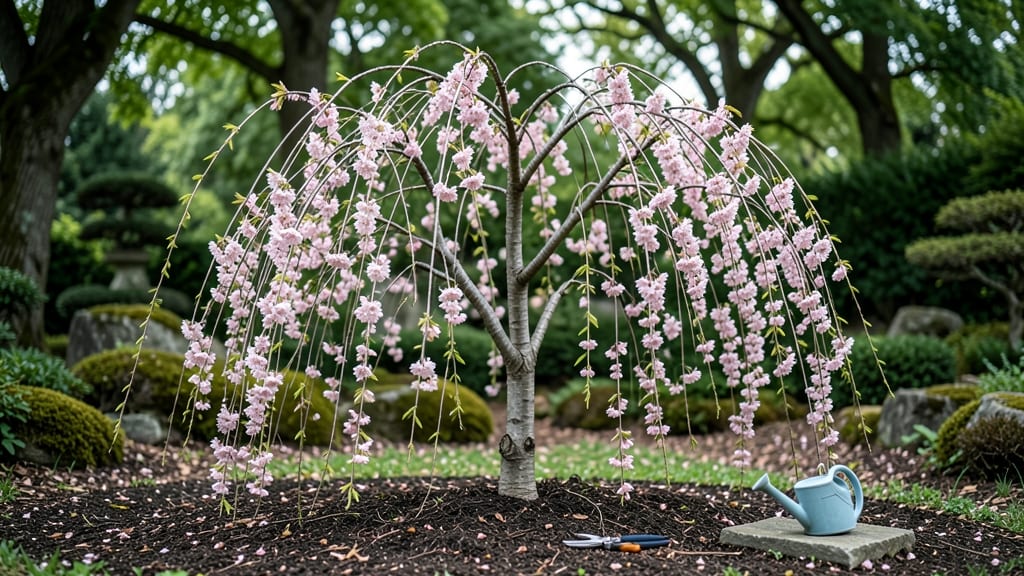
There’s nothing quite like the weeping cherry flowers cascading like pink waterfalls in spring—especially when they thrive through Pacific Northwest winters. 🌸 I’ve watched my own tree transform a dull corner into a year-round spectacle, from delicate blossoms to fiery autumn foliage.
The secret lies in placement: position it where their graceful branches can spill over patios or frame garden paths, creating a living tapestry that changes with each season.
These trees aren’t just pretty—they’re frost-hardy powerhouses that demand little beyond good drainage and occasional pruning. Pair them with shade-tolerant perennials like hellebores or ferns at their base, and you’ll create a layered display that stays lush from spring through fall.
The key? Plant them where their flowers can be seen from multiple angles—whether as a standalone star or anchoring a mixed border.
Imagine waking to petals dusting the ground like confetti, then watching the same branches burst with deep red leaves by October. That’s the magic of weeping cherries: four seasons of interest in one tree.
With the right companions and a little strategic pruning, you’ll have a garden feature that steals the show—and stays stunning year after year.
Perfect for urban yards, cottage gardens, or even large landscapes where their arching branches can frame views. The best part? They grow reliably in zones 5-8, making them the Northwest’s ultimate low-maintenance showstopper. Let’s make yours the envy of the neighborhood.
📚 In This Guide
- What you need
- Instructions
- Tips and common mistakes
- Wrapping up and next steps
What you need
- ● Weeping cherry tree (Prunus serrulata 'Pendula' or similar): 1 mature tree (10–15 ft tall, 15–20 ft spread) for landscaping
- ● OR 1–2 potted saplings (3–5 ft tall) for containers
- ● Well-draining soil: Mix of native soil + compost (60/40 ratio)
- ● Organic mulch: 2–3 inches of wood chips or shredded bark
- ● Slow-release fertilizer: 10-10-10 or acid-loving plant formula (spring/fall)
- ● Watering can or hose with nozzle: For gentle, deep hydration
- ● Garden trowel or spade (for planting)
- ● Pruning shears (bypass, sharp, and sterilized)
- ● Gloves (gardening or work gloves for protection)
- ● Measuring tape (to mark planting depth/spread)
- ○ Optional: Soil pH test kit (ideal pH: 5.5–6.5)
- ● Drip irrigation system (for automated watering)
- ● Tree support stake (if planting young saplings)
- ● Sunlight: Full sun (6+ hours/day) for optimal blooms
- ● Climate: USDA Zones 5–8 (frost-hardy but prefers cool summers)
- ● Space: Minimum 15 ft diameter for mature trees; containers need 5+ gal pots
- ● Patience: 3–5 years for full flowering potential!
How to plant and care for weeping cherry trees in cold climates
Cold-hardy beauty doesn't have to mean boring—here's how to grow these stunning trees that thrive in Pacific Northwest winters.
🌱 Step 1: Choose the Right Location and Planting Time
Weeping cherry trees need full sun—at least 6-8 hours daily—to produce their signature cascading blossoms. In the Pacific Northwest's chilly climate, plant in early spring (March-April) or fall (September-October) when soil temperatures are cool but not frozen. This gives roots time to establish before summer heat or winter freeze.
Here's the thing—these trees hate soggy roots. Pick a site with well-draining soil and avoid low spots where water pools. If your yard has heavy clay, amend with 3-4 inches of compost mixed into the top 12 inches of soil before planting. You'll see the difference in how vigorously the roots spread.
🪴 Step 2: Dig the Proper Hole and Plant Correctly
Dig a hole twice as wide as the root ball but no deeper. The top of the root ball should sit 1-2 inches above ground level—this prevents water from pooling around the trunk. Gently loosen any circling roots with your fingers before placing the tree in the hole.
Backfill with the native soil you removed, firming gently as you go. Don't compact it too hard—you want air pockets for root growth. Water deeply immediately after planting to settle the soil around roots. You'll notice the soil settle about an inch—just add more soil to maintain that 1-2 inch mound at the base.
☀️ Step 3: Water and Mulch for Winter Survival
Water deeply once a week during the first growing season, providing 1-1.5 gallons per inch of trunk diameter. For a 3-inch diameter tree, that's about 3 gallons total. Reduce watering in fall as temperatures drop, but keep soil moist until ground freezes.
Apply 3-4 inches of wood chips or shredded bark mulch around the base, keeping it 3-4 inches away from the trunk. This insulates roots from winter freeze-thaw cycles. In the Pacific Northwest's wet winters, proper mulching prevents root rot while protecting against temperature swings that can stress young trees.
✂️ Step 4: Prune for Structure and Flower Production
Prune in late winter or early spring before buds swell. Remove dead, crossing, or rubbing branches first—these compete with healthy growth. Then, shape the tree by thinning branches to improve airflow, which reduces disease risk. Weeping cherries naturally grow in a graceful weeping form, so minimal pruning is needed beyond maintaining that shape.
Here's what I do: I look for branches growing upward and prune them back to a lateral branch. This encourages the tree to maintain its signature weeping habit. Avoid heavy pruning—these trees flower on old wood, so aggressive cuts reduce next year's blossoms. You'll see the difference in flower density within two years of proper pruning.
⏰ Step 5: Protect Against Late Frosts and Pests
The Pacific Northwest's late spring frosts can damage delicate blossoms. If a 28°F or lower frost is forecast, cover the tree with frost cloth at dusk and remove it when temperatures rise above freezing. This simple step preserves next year's flower buds.
Watch for cherry leaf spot and borers—common pests in weeping cherries. Apply neem oil spray preventatively in early spring. For established trees, a deep watering every 10-14 days during dry spells keeps them resilient against stress. Your tree will reward you with spectacular spring blooms for decades if you maintain this care routine.
Tips & tricks for perfect weeping cherry flowers
These little-known secrets will help your weeping cherry tree become the star of your Pacific Northwest garden—with fewer headaches and more breathtaking blossoms.
Sunlight Strategy: While the instructions mention 6-8 hours of sun, here's the thing: these trees actually thrive with full sun exposure all day—up to 10 hours if possible. In cloudy Pacific Northwest winters, supplement with a south-facing location where the tree can maximize winter sunlight. The more sun, the more vibrant those cascading blossoms will be next spring!
Root Ball Rescue: When planting, don't just loosen circling roots—cut through any that are wrapped tightly around the root ball with clean pruners. I've seen roots completely encircle the ball, which strangles new growth. After cutting, gently spread these roots outward into the planting hole before backfilling. This simple step can double your tree's early growth rate.
Mulch Mastery: The 3-4 inches of mulch recommendation is perfect, but here's what nobody tells you: refresh your mulch annually in late winter. As it breaks down, it compacts and loses insulating properties. Use a rake to fluff the existing mulch before adding a fresh 1-2 inch layer. This keeps roots properly insulated through those brutal freeze-thaw cycles we get in the PNW.
Pruning Precision: When shaping your tree in Step 4, focus on creating an open center rather than just removing dead branches. I target branches growing at angles greater than 45 degrees from the trunk—these often become weak points. By thinning these out, you improve airflow through the canopy, which dramatically reduces the risk of fungal diseases like cherry leaf spot that plague these trees.
Pro Tips for Weeping Cherry Flowers
- These little-known secrets will help your weeping cherry tree become the star of your Pacific Northwest garden—with fewer headaches and more breathtaking blossoms.
- Sunlight Strategy: While the instructions mention 6-8 hours of sun, here's the thing: these trees actually thrive with full sun exposure all day—up to 10 hours if possible.
- Root Ball Rescue: When planting, don't just loosen circling roots—cut through any that are wrapped tightly around the root ball with clean pruners.
Frequently asked questions
Got questions about weeping cherry flowers? You’re not alone! Here are some of the most common queries from gardeners and admirers alike—plus the answers you need to make the most of these stunning trees.
When do weeping cherry flowers bloom, and how long do they last?
Most weeping cherry varieties bloom in late winter to early spring (February–April in the Pacific Northwest), with peak beauty lasting 1–2 weeks. Cooler nights and sunny days extend their show. Prune after blooming to encourage more flowers next year!
Are weeping cherries truly frost-hardy? What zones do they thrive in?
These trees are USDA Zones 5–8 hardy, meaning they handle frost and snow like champs. Their draping branches even shed snow easily, reducing winter damage. Just avoid late spring frosts—young blooms are sensitive!
Can I grow a weeping cherry in a pot, or do I need a yard?
While they’re best planted in gardens (they grow 20–30 feet tall/wide), dwarf varieties like ‘Craveable’ or ‘Snow Fountain’ thrive in large containers (20+ gallons). Use well-draining soil and repot every 2–3 years. Pro tip: Place pots in full sun for maximum blooms!
Why aren’t my weeping cherry flowers opening, or are they sparse?
Sparse blooms often mean over-pruning, nutrient deficiency, or poor sunlight. Feed with acidic fertilizer (like 10-10-10) in early spring, and ensure they get 6+ hours of sun daily. If branches are bare, thin out dense growth to improve airflow.
What’s a great alternative if I can’t grow a weeping cherry?
If space or climate is a concern, try:
- ‘Tie Dye’ weeping tree peony – Dwarf, fragrant, and cold-hardy (Zones 4–8).
- Japanese maple ‘Bloodgood’ – Stunning foliage + compact size (15–20 ft).
- Dwarf flowering almond – Early blooms, low-maintenance (Zones 6–9).
All offer dramatic drapes and seasonal interest!
Wrapping up and next steps
Weeping cherry flowers are more than just a stunning addition to your Pacific Northwest garden—they’re a resilient, frost-hardy symbol of beauty and grace that thrives in the region’s unique climate.
Their delicate blooms and elegant cascading branches create a breathtaking focal point, whether planted as a standalone specimen or woven into a landscape design. 🌸❄️
Ready to bring this charm to your outdoor space? Start by researching the best varieties for your zone, then reach out to local nurseries or garden centers for expert guidance. With a little care, you’ll soon be enjoying the magic of weeping cherry flowers in your own backyard!