
Plants
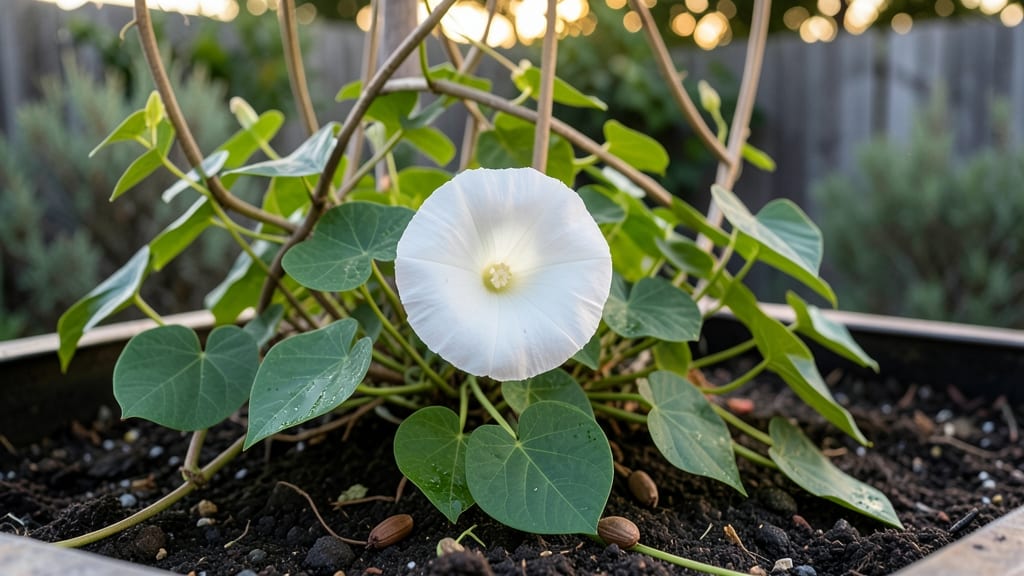
There's nothing like watching your garden come alive under moonlight—the moonflower vine (Ipomoea alba) turns your Pacific Northwest evenings into a dreamy, fragrant spectacle.
I planted mine last summer after seeing those massive white trumpets unfurl at dusk, and now my patio feels like a secret garden after dark. The vines grow fast—up to 10 feet in a season—so they’ll cover trellises, fences, or even pergolas in no time.
Moonflowers thrive in well-draining soil and need at least 6 hours of sun daily, though they tolerate partial shade in hotter zones. Water consistently but let the top inch dry out between waterings—overwatering is their biggest enemy.
The real magic happens at night: those 5-inch blooms open after sunset, filling the air with a sweet, intoxicating scent that hummingbirds and moths adore. Just don’t expect them to last past dawn—they wilt by morning, but new buds form daily.
Pruning keeps them manageable and encourages more blooms. Trim back leggy growth in early summer, and remove spent flowers to redirect energy. Pests like aphids or spider mites are rare, but a strong spray of water usually clears them.
With the right spot, you’ll have nightly blooms from July through frost, making every evening feel like a private show. Let’s get those vines climbing!
Bonus tip: Train them along an arbor or deck railing for instant vertical drama. In cooler PNW summers, they grow slower but still deliver stunning results. The key is patience—these vines reward you with drama you won’t find in daytime gardens. Ready to transform your evenings?
📚 In This Guide
- What you need
- Instructions
- Tips and common mistakes
- Wrapping up and next steps
What you need
- ● Moonflower vine seeds (Ipomoea alba) – 10–20 seeds (or a small packet for a few plants). Choose organic, non-GMO seeds for best results.
- ● Well-draining potting mix – 10–15 lbs (or a 5-gallon bag). Look for a blend with 50% peat moss/compost and 50% perlite or sand for optimal drainage.
- ○ Garden soil (optional but recommended) – If planting outdoors, enrich your native soil with 2–3 inches of compost or aged manure.
- ● Seed trays or small pots – 4–6 biodegradable pots (3–4 inches deep) or a seed-starting tray with cells.
- ○ Planting containers (optional) – 5–10 gallon grow bags or fabric pots for seedlings before transplanting outdoors.
- ● Garden trowel or transplanting spade – For digging and moving seedlings.
- ● Watering can or spray bottle – With a fine mist nozzle for gentle watering.
- ● Garden twine or trellis – A 6–8 foot tall trellis, fence, or obelisk for vertical growth (moonflowers climb 10–15 feet!).
- ● Pruning shears – For trimming vines and encouraging bushier growth.
- ○ Fertilizer (optional) – A balanced, organic fertilizer (10-10-10) or compost tea for a nutrient boost.
- ● Sunlight – A full-sun to partial-shade spot (6+ hours of sunlight daily, but tolerates light shade in hot afternoons).
- ● Warmth – Moonflowers thrive in USDA Zones 9–11, but in the PNW, start seeds indoors 8–10 weeks before the last frost (or wait until late spring for direct sowing).
- ● Patience – These vines grow fast but take 60–90 days to bloom after germination!
Step-by-step instructions for cultivating moonflower vines in the Pacific Northwest
Here's how to coax those enchanting night-blooming flowers from seed to vine.
🌱 Step 1: Start Seeds Indoors at the Right Time
Moonflower seeds need warmth to germinate, so begin them indoors 8-10 weeks before your last frost date. Fill small pots with moistened seed-starting mix (the 1 quart you've prepared) and press 1-2 seeds just beneath the surface—about ¼ inch deep. The seeds contain a natural germination inhibitor, so don't be surprised if they take 10-21 days to sprout.
Place the pots in a warm spot (70-75°F) like on top of your fridge or under a seedling heat mat. Keep the soil consistently moist but never soggy—you'll know it's right when the surface stays damp but doesn't pool water. Once seedlings emerge, move them to a bright window or under grow lights for 12-14 hours daily to prevent leggy growth.
🌿 Step 2: Harden Off and Transplant Young Vines
When seedlings develop 3-4 sets of true leaves (about 4-6 weeks after germination), it's time to harden them off. Start by placing them outside in partial shade for 1-2 hours the first day, gradually increasing their time outdoors over 7-10 days. This slow adjustment prevents shock when they face cooler Pacific Northwest nights.
Transplant your hardened-off seedlings into the garden after all danger of frost has passed. Choose a sunny spot with well-draining soil—moonflowers hate soggy roots. Space plants 6-8 feet apart to give their sprawling vines room to climb. Bury the stem slightly deeper than it was in the pot to encourage stronger root development.
☀️ Step 3: Provide Support and Encourage Vigorous Growth
Moonflowers are fast growers and need strong support—install a 6-8 foot tall trellis, fence, or sturdy pole near each plant before vines take off. As the plants climb, gently weave the tendrils around the structure. Avoid tying them tightly; moonflowers prefer to twine naturally.
Water deeply once weekly during dry spells, aiming for 1-2 inches of water per week. The deep roots appreciate consistent moisture, but avoid overhead watering after dark to prevent fungal issues. You'll know your vines are thriving when they produce large, heart-shaped leaves and begin sending out long, wiry tendrils in search of support.
✂️ Step 4: Prune and Maintain for Maximum Blooms
Regular pruning encourages bushier growth and more flowers. Pinch back the top growth when vines reach 3-4 feet tall to promote branching. Remove any yellowed or diseased leaves immediately to keep the plant healthy. Deadhead spent blooms in the morning to redirect the plant's energy toward producing new flowers.
Moonflowers are annuals in most of the Pacific Northwest, so they'll die back after the first frost. If you want to save seeds for next year, allow 1-2 flowers to mature fully—they'll develop large, pod-like seed heads. Collect seeds when the pods turn brown and dry, then store them in a cool, dry place until spring planting.
Tips & tricks for cultivating moonflower vines
These simple strategies will help you coax the most vibrant moonflowers from seed to vine in the Pacific Northwest.
Germination Patience: Moonflower seeds can take up to 21 days to sprout because of their natural germination inhibitor. Don't be tempted to plant more seeds—stick with the 1-2 seeds per pot as instructed. The wait is worth it for those magical night-blooming flowers. The consistent moisture you maintain (keeping soil damp but not soggy) is crucial during this period—think of it like waiting for a slow-cooker meal to develop its full flavor.
Lighting Secret: After your seedlings emerge, the 12-14 hours of daily light is non-negotiable to prevent leggy growth. I've found that placing my seedling trays on a south-facing windowsill works well during the day, but supplement with a simple LED grow light for those shorter winter days. The key is keeping the light source about 6 inches above the plants to encourage sturdy growth.
Harden Off Gradually: The 7-10 day hardening-off period is where many gardeners rush and end up with shocked plants. Start with just 1-2 hours in partial shade on the first day, then increase by 30 minutes each subsequent day. This gradual adjustment helps the seedlings acclimate to cooler Pacific Northwest nights. I like to place them near my afternoon sun patio where they get gentle breeze exposure.
Support Strategy: When installing your 6-8 foot trellis, bury the posts at least 12 inches deep for stability—especially important in our windy Pacific Northwest conditions. I've learned the hard way that flimsy supports can topple under the weight of these fast-growing vines. Also, position your trellis on the north side of your planting area to create natural shade for the base of the plant during hot afternoons.
Pro Tips for The Moonflower Vine
- These simple strategies will help you coax the most vibrant moonflowers from seed to vine in the Pacific Northwest.
- Germination Patience: Moonflower seeds can take up to 21 days to sprout because of their natural germination inhibitor.
- Lighting Secret: After your seedlings emerge, the 12-14 hours of daily light is non-negotiable to prevent leggy growth.
Frequently asked questions
Got questions about growing moonflower vine in the Pacific Northwest? You’re not alone! Here are some of the most common queries—and their answers—to help you cultivate this enchanting night-blooming beauty with confidence.
When is the best time to plant moonflower vine in the PNW?
The ideal time to plant moonflower vine (Ipomoea alba) in the Pacific Northwest is after the last frost in late spring (May–June). This gives the tender vines time to establish roots before cooler autumn nights arrive. If you’re in a milder zone (like coastal Oregon or Washington), you can even start seeds indoors in March–April for an earlier bloom.
How fast does moonflower vine grow, and how tall can it get?
Moonflower vine is a fast grower—expect 6–12 inches per week in warm weather! With proper support (like a trellis or fence), it can climb 10–15 feet in a single season. In the PNW’s cooler summers, growth may slow, but with consistent moisture and warmth, it’ll still reach impressive heights by late summer.
What if my moonflower vine isn’t blooming? Troubleshooting tips.
No moonflowers? Don’t worry—it’s often fixable! Check these common issues:
- Not enough sunlight: Moonflowers need 6+ hours of direct sun daily. If your vine is in shade, relocate it or prune nearby trees.
- Overcrowding: Thin out competing plants to give your vine space to thrive.
- Cool nights: Blooms open at dusk but close by morning. If nights stay below 60°F (15°C), they may skip opening entirely.
- Lack of water: Keep soil consistently moist but not soggy, especially during dry PNW summers.
Give it time—some vines take 60–90 days to flower after planting!
Can I grow moonflower vine in containers, or does it need a garden?
Yes! Moonflower vine thrives in large containers (15+ gallons) as long as they have:
- Good drainage (use a mix of potting soil and perlite).
- Sturdy support (like a tall trellis or tomato cage).
- Room to sprawl (containers limit root growth, so expect slightly smaller vines).
Place the container in a sunny spot and water regularly. Just be prepared to bring it indoors or protect it from frost in winter.
Are moonflower vines toxic to pets or kids?
Moonflower vine is non-toxic to both pets and humans, making it a safe choice for families and furry friends. However, like any plant, ingesting large amounts may cause mild stomach upset—so it’s best to discourage chewing (especially for curious pups!). If you notice symptoms (vomiting, lethargy), contact your vet.
How do I extend the blooming season in the PNW?
The PNW’s cool, damp climate can shorten moonflower’s bloom time, but these tricks help:
- Choose early varieties: Some cultivars (like ‘Moonlight’) bloom sooner.
- Deadhead spent blooms: Remove faded flowers in the morning to encourage new ones.
- Mulch heavily: Retain soil warmth and moisture with 3–4 inches of mulch.
- Black plastic mulch: Spread it around the base to absorb sunlight and boost soil temps.
With these tweaks, you might enjoy blooms into early fall!
Wrapping up and next steps
The moonflower vine brings a touch of enchanting magic to your Pacific Northwest garden, especially with its stunning night-blooming flowers. 🌙 With the right care—sunlight, support, and patience—you’ll enjoy its fragrant blooms for years to come.
Whether you’re a seasoned gardener or just starting, this vine is a rewarding addition to any outdoor space.
Ready to transform your garden? Start by choosing a sunny spot and give your moonflower vine the love it deserves. Happy planting! 🌱