
Flowers
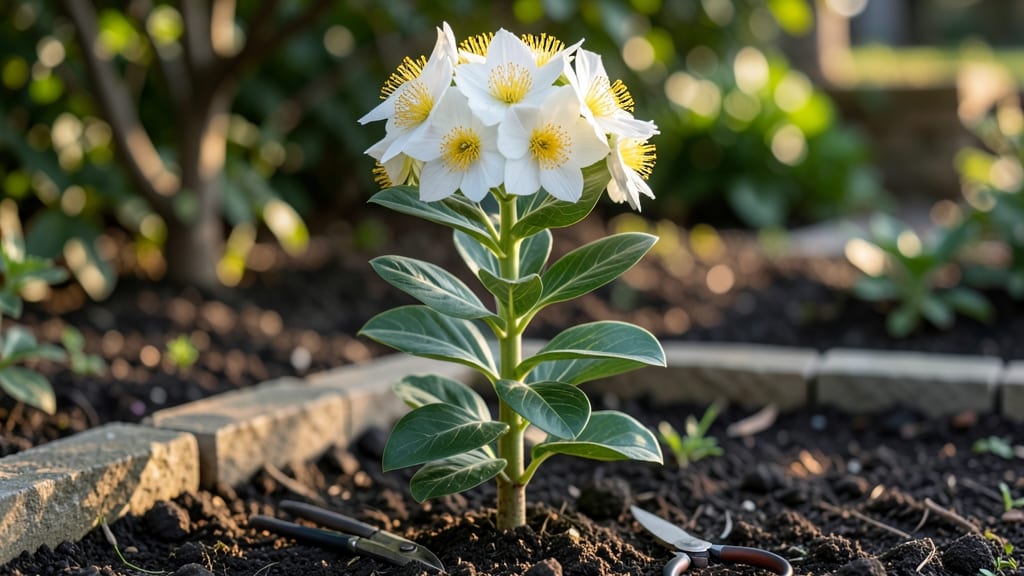
Growing sun star flowers in containers is the Pacific Northwest gardener’s secret weapon—these frost-tolerant beauties thrive where many summer blooms would freeze. 🌿 I’ve watched them push through cool spring soil, then burst into star-shaped blooms that last from late spring until frost, even in Zone 7’s damp climate.
The key isn’t complicated: they love bright light, well-draining soil, and containers that don’t stay soggy. My first batch in a 12-inch pot outlasted every annual I’d planted before.
You’ll need just three things to get started: a container with drainage holes (5-gallon size works for one plant), a mix of potting soil and perlite for airflow, and a spot that gets at least 6 hours of sunlight daily.
Sun stars handle our region’s unpredictable weather better than most—just water when the top inch of soil feels dry, and avoid overhead watering to prevent fungal spots. The real magic happens in early summer when those bright yellow blooms start appearing, each one shaped like a tiny sunburst.
Once established, these plants reward you with nonstop blooms from June through September, even in coastal areas where heat waves are rare. Deadhead spent flowers to encourage more blooms, and you’ll get a second flush of growth by midsummer.
The best part? They’re deer-resistant and attract pollinators, making them a low-maintenance star in any container garden. Let’s get yours growing strong this season.
Whether you’re using them as edging plants, patio accents, or even in hanging baskets, sun stars adapt beautifully to container life. Just remember: the bigger the pot, the longer they’ll bloom.
My 15-gallon tub on the deck produces enough flowers to cut for bouquets all summer long—no greenhouse required. Ready to try them?
📚 In This Guide
- What you need
- Instructions
- Tips and common mistakes
- Wrapping up and next steps
What you need
- ● Sun Star Flower Seeds or Plants: Seeds: 5–10 seeds (if starting from scratch)
- ● OR Young plants: 1–2 mature plants (for quicker blooms)
- ● Well-Draining Soil: 1–2 bags of cactus/succulent mix (or amend regular potting soil with perlite/pebbles for drainage)
- ○ Optional: Sand or pumice (¼ part) for extra grit
- ● Containers: 1–2 drainage-friendly pots (6–12 inches wide, with holes)
- ● Terracotta or fabric pots recommended (prevents root rot)
- ● Basic Gardening Tools: Trowel or small shovel
- ○ Gloves (optional, for seed handling)
- ● Sunlight Access: Full sun (6+ hours daily) or bright indirect light
- ● Watering Can or Spray Bottle: Small nozzle for gentle watering
- ○ Fertilizer (Optional): Balanced low-nitrogen fertilizer (e.g., 5-5-5 or succulent-specific)
- ● Apply every 4–6 weeks during growing season
- ● Cold Protection: Move containers indoors or to a sheltered spot if temps drop below 20°F (-7°C)
- ● Windbreaks: Use stakes or a lightweight trellis if your garden is exposed
How to grow sun star flowers in containers for the Pacific Northwest climate
Here's my foolproof method for growing these stunning, frost-tolerant blooms that thrive in cool coastal conditions.
🌱 Step 1: Choose the Right Containers and Drainage
Sun star flowers (Leucosceptrum canum) need pots with excellent drainage to prevent root rot—especially important in the Pacific Northwest's damp winters. Use 10-12 inch diameter containers with at least three drainage holes each. I recommend unglazed terra cotta pots because they breathe better than plastic and help prevent soggy soil.
Add a 2-inch layer of gravel or coarse sand at the bottom of each pot before adding soil. This creates a reservoir for excess water while keeping roots elevated. If you're using the 4 containers you'll need for your 4 plants, arrange them in a spot that gets morning sun and afternoon shade—ideal for our region's cooler summers.
☀️ Step 2: Prepare Soil and Plant with Proper Spacing
Fill your containers with a mix of 50% high-quality potting soil and 50% perlite or pumice for extra aeration. Sun star flowers dislike heavy, compacted soil, and this blend mimics their natural mountain habitat. Moisten the mix until it's damp but not dripping—you want it to hold moisture without being waterlogged.
Plant your 4 sun star flower starts with 12-15 inches between each plant. Dig holes just deep enough to cover the root ball completely, then firm the soil gently around the roots. Here's the thing—don't pack the soil too tightly. You want it loose enough for roots to spread easily, but firm enough to hold the plants upright. Tap the pot gently on the table once to settle everything.
💧 Step 3: Water Smartly and Protect from Heavy Rain
Water deeply once a week during the first growing season, allowing the top 2 inches of soil to dry out between waterings. In the Pacific Northwest's rainy climate, you'll need to adjust this—check the soil moisture with your finger. If it feels damp within 1 inch of the surface, hold off on watering. Overwatering is the #1 killer of container-grown sun stars.
During winter months, reduce watering to every 2-3 weeks unless we get an extended dry spell. The frost resistance of these plants means they'll handle occasional freezes, but soggy soil will rot their roots. Place a clear plastic dome over each pot during hard freezes (below 20°F) to provide extra protection without trapping too much moisture.
✂️ Step 4: Prune and Fertilize for Continuous Blooms
Deadhead spent blooms every 2 weeks during the growing season to encourage more flowers. Simply pinch off the faded blossoms with your fingers—no need for shears. This simple step keeps your plants looking tidy and promotes non-stop blooming. I like to do this in the late afternoon when the flowers are slightly wilted, making them easier to remove.
Feed your sun stars with a balanced 10-10-10 fertilizer every 6 weeks during the growing season (April through September). Mix 1 tablespoon of fertilizer into the soil around each plant, then water thoroughly to help distribute the nutrients. In our cool climate, they don't need heavy feeding, but this keeps them vigorous and flowering well into fall.
🪴 Step 5: Overwinter and Prepare for Next Season
When temperatures drop below 30°F, move your containers to a protected location like against a north-facing wall or under an overhang. Sun star flowers are frost-tolerant but appreciate some winter protection. I wrap the pots in burlap during our coldest months to insulate the roots and prevent temperature swings.
In early spring, before new growth appears, refresh the top 2 inches of soil with fresh potting mix. This gives your plants a nutrient boost without disturbing the roots. You'll see new growth emerge within 3-4 weeks—that's your signal everything is working. Don't fertilize until you see this new growth, as dormant plants won't benefit from nutrients.
Tips & tricks for growing sun star flowers in containers
These simple tricks will help you keep your sun star flowers thriving through our region's unique climate challenges.
Container Selection: If you can't find terra cotta pots, fiberglass containers work well too—they won't crack in freeze-thaw cycles like plastic might. For extra insulation during winter, choose containers with thicker walls. The key is maintaining that 10-12 inch diameter to give roots enough space to establish without becoming root-bound. I've had great success with the 4 containers arrangement because it creates a natural microclimate between plants.
Soil Mix Strategy: For that 50% potting soil/50% perlite or pumice blend, I like to add a handful of worm castings to the mix—it gives a gentle nutrient boost without overfeeding. The worm castings also improve moisture retention, which helps balance our region's unpredictable rain patterns. When mixing, aim for soil that holds moisture like a well-wrung sponge—it should clump slightly when squeezed but not drip water.
Winter Protection: That 20°F threshold for plastic domes is important, but don't forget to check for condensation inside the domes daily. If you see moisture buildup, remove the dome for a few hours to prevent fungal issues. For extra protection during prolonged cold snaps, I've found that wrapping the pots in burlap and placing them on a layer of straw or leaves provides additional insulation while still allowing airflow.
Fertilizer Timing: When applying that 1 tablespoon of 10-10-10 fertilizer every 6 weeks, I recommend doing it right after your deadheading session. This way, you're giving your plants a nutrient boost right when they need it most—after removing spent blooms. In our cool climate, you can safely extend the fertilizing season until mid-October if your plants are still showing active growth.
Pro Tips for Sun Star Flower
- These simple tricks will help you keep your sun star flowers thriving through our region's unique climate challenges.
- Container Selection: If you can't find terra cotta pots, fiberglass containers work well too—they won't crack in freeze-thaw cycles like plastic might.
- Soil Mix Strategy: For that 50% potting soil/50% perlite or pumice blend, I like to add a handful of worm castings to the mix—it gives a gentle nutrient boost without overfeeding.
Frequently asked questions
Got questions about growing sun star flowers in containers? You’re not alone! Here are some of the most common queries—and their answers—to help you cultivate these stunning blooms with confidence.
How cold-hardy are sun star flowers in containers?
Sun star flowers (Leucospermum spp.) are mildly frost-tolerant but thrive best in USDA zones 8–10. In the Pacific Northwest’s cooler climates, protect them with thick mulch and move containers to sheltered spots during hard freezes (<32°F). Elevate pots to prevent root rot from winter moisture. A burlap wrap adds extra insulation!
When is the best time to plant sun star flowers in containers?
For container success, plant in early spring (after last frost) or late summer (6–8 weeks before first frost). This gives roots time to establish before winter. Avoid transplanting in peak heat—opt for overcast days to reduce stress. Pro tip: Soak roots before potting to boost survival rates!
How often should I water sun star flowers in pots?
These drought-tolerant beauties need moderate watering: water when the top 1–2 inches of soil feel dry (stick your finger in to check!). Containers dry out faster—water deeply but avoid soggy soil (they hate wet feet!). In summer, morning watering prevents fungal issues. Reduce watering in winter unless pots freeze.
Can I grow sun star flowers from cuttings instead of buying plants?
Yes! Stem cuttings (4–6 inches long) root best in sandy perlite mix with a rooting hormone. Keep humidity high (use a plastic bag) and maintain 60–70°F temps. Roots form in 4–8 weeks. Transplant carefully—they’re sensitive to disturbance. Note: Some varieties (like Leucospermum ‘Safari Sunset’) root more easily than others.
What pests or diseases should I watch for with sun star flowers?
Common issues include:
- Aphids/spider mites: Spray with neem oil or blast off with water.
- Powdery mildew: Improve airflow and avoid overhead watering.
- Root rot: Use well-draining soil (add perlite/pumice) and pots with drainage holes.
Prevention tip: Inspect leaves weekly and remove damaged foliage promptly. Healthy plants resist pests better!
Wrapping up and next steps
The sun star flower isn’t just a stunning addition to your Pacific Northwest garden—it’s a resilient, low-maintenance superstar that thrives in containers and brave cold snaps.
Whether you’re a seasoned gardener or a curious beginner, its vibrant blooms and frost-hardy nature make it a must-try for adding color and joy to your space. Ready to grow your green thumb?
Grab your supplies, pick a sunny spot, and let these cheerful flowers light up your world—one petal at a time! 🌸✨
Next step: Plant your first sun star flower today and watch your container garden transform!