
Tools
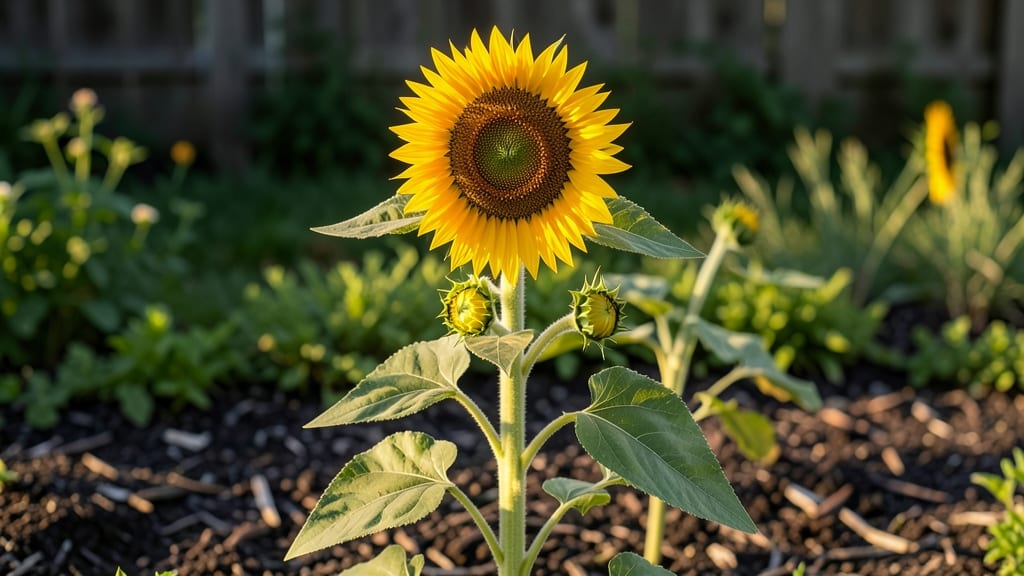
A sunflower garden transforms any space into a sun-drenched spectacle that keeps giving from spring until frost. 🌻 I still remember the first time I planted a single row of Mammoth sunflowers—by summer’s end, they towered over my fence, their golden faces tracking the sun like little mirrors.
The secret isn’t just planting seeds; it’s designing for height, color, and pollinators from day one.
Start with soil that drains well and space plants 12-18 inches apart for air circulation—crowding leads to floppy stems and fewer blooms. Mix in tall varieties like 'Russian Giant' with shorter 'Teddy Bear' types for layered drama, and add perennials like coneflowers or salvia to bridge the gaps between seasons.
The payoff? A garden that feels like a living mural, attracting bees and butterflies while giving you 8-12 weeks of color with minimal fuss.
What makes this garden truly special is how it grows with you. Kids can’t resist planting their own sunflower seeds in the spring, and the vertical accents create natural shade for heat-sensitive plants below.
By late summer, you’ll be harvesting seeds for next year’s patch—or sharing them with neighbors who’ll envy your effortless height. The best part? These giants handle drought once established, so they’re perfect for low-maintenance spaces.
Whether you’re lining a fence, framing a patio, or filling a corner of your yard, sunflowers deliver bold structure and joy without the upkeep of pricier perennials.
The key is balancing varieties, colors, and companion plants to keep the show going from June through October. Let’s get your vertical accent garden started!
📚 In This Guide
- What you need
- Instructions
- Tips and common mistakes
- Wrapping up and next steps
What you need
- ● Sunflower Seeds: Choose varieties suited to your space (e.g., Mammoth, Autumn Beauty, or dwarf types for vertical gardens). Buy 1–5 lbs depending on garden size.
- ● Potting Soil: 10–20 lbs of high-quality, well-draining soil (mix in compost for nutrients).
- ● Containers or Garden Beds: For vertical gardens: 5–10 gallon fabric grow bags or wooden planters (at least 12" deep).
- ● For ground planting: 6–12" deep beds with good drainage.
- ● Stakes or Trellises: 5–10 ft bamboo stakes or metal cages (1–2 per plant for support).
- ● Watering Can or Hose: With a gentle spray nozzle to avoid disturbing seedlings.
- ○ Fertilizer: Balanced 10-10-10 or organic compost tea (optional but recommended).
- ● Mulch: Straw or wood chips to retain moisture and suppress weeds.
- ● Garden Gloves: For easy handling of soil and seeds.
- ● Seedling Heat Mat: (For early starts) to speed up germination.
- ● Decorative Elements: Painted stakes, pebbles, or solar lights for a polished look.
How to create a stunning sunflower garden that blooms all season
Here's how to plant sunflowers that grow tall, strong, and full of color—no matter your yard size.
🌱 Step 1: Choose the Right Location for Maximum Sun
Sunflowers need full sun—at least 6-8 hours daily—to reach their full height and vibrant color. I always pick the sunniest spot in my yard, even if it means moving a few rocks or clearing some weeds. Avoid low-lying areas where cold air settles, as sunflowers struggle in damp, chilly soil.
Test your spot by observing it for a week. If shadows linger past midday, supplement with a reflective surface like a white wall or mirror to bounce extra light onto the plants. The more sun they get, the taller and sturdier they'll grow—think 8-12 feet for standard varieties.
🪴 Step 2: Prepare the Soil for Strong Roots
Sunflowers thrive in well-draining, slightly acidic soil with a pH between 6.0 and 7.5. If your soil is heavy clay or sandy, mix in 2-3 inches of compost to improve texture and fertility. I like to till the top 12 inches of soil to loosen it up—this helps roots spread deep and access nutrients.
Add a balanced fertilizer (like 10-10-10) at planting time, following package instructions. Avoid over-fertilizing, though—sunflowers are heavy feeders but can get leggy if overfed. A light hand now means fewer staking struggles later. Water the soil deeply 24 hours before planting to help roots establish faster.
☀️ Step 3: Plant Seeds at the Right Depth and Spacing
Sow seeds ½ inch deep and 6-12 inches apart for single-stem varieties, or 18-24 inches apart for giant sunflowers. I plant in rows 2-3 feet apart to allow airflow and prevent mildew. If you're planting in clusters, space them 12 inches apart in a grid pattern for a fuller look.
Don’t cover seeds with too much soil—just a light dusting. Press gently to ensure good seed-to-soil contact, then water lightly but thoroughly. You’ll see sprouts in 7-14 days, depending on temperature. If planting in cooler weather, consider using black plastic mulch to warm the soil and speed up germination.
💧 Step 4: Water and Support for Towering Growth
Sunflowers need 1-2 inches of water per week, but they’re drought-tolerant once established. Water deeply at the base rather than overhead to prevent fungal diseases. I use a soaker hose for efficiency—it delivers water slowly and keeps leaves dry. Stop watering 2 weeks before harvest to concentrate sugars in the seeds.
Tall varieties (like Mammoth or Russian Giant) often need staking. Install bamboo stakes or cages when plants reach 3 feet tall, tying stems loosely with soft garden twine. Avoid tight ties—they can restrict growth. Watch for wilting or leaning as signs your plants need support.
✂️ Step 5: Deadhead and Maintain for Continuous Blooms
To encourage all-season blooms, deadhead faded flowers by snipping the stem just below the bloom. This redirects energy to new buds instead of seed production. I do this every 2-3 days during peak bloom season. Cut back brown or damaged stems to the nearest healthy leaf to keep the plant tidy and disease-free.
Fertilize lightly mid-season with a low-nitrogen formula (like 5-10-10) to support flowering. Avoid high-nitrogen feeds—they promote leafy growth at the expense of blooms. Harvest seeds when the back of the flower turns yellow and the petals drop. Hang dried heads upside down in a well-ventilated spot for 2 weeks before shelling.
Tips & tricks for perfect sunflower garden planting
These simple strategies will help you grow sunflowers that reach their full potential and keep blooming all season.
Location Matters: The 6-8 hours of daily sun requirement is non-negotiable for those towering 8-12 foot stalks. I've learned the hard way that even partial shade can stunt growth—test your spot for a full week before planting. If you notice shadows lingering past midday, try a reflective surface like a white wall or mirror to bounce extra light onto your sunflowers. This little trick can make all the difference for those late afternoon rays that push plants to their maximum height.
Soil Prep Secret: When tilling that top 12 inches of soil, don't just scratch the surface—really dig down. Sunflower roots can grow 3-5 feet deep, so loose, aerated soil helps them access water and nutrients. I like to mix in 2-3 inches of compost right when I till, which gives those roots a nutrient boost from day one. And that 24-hour pre-planting watering? It's not just about moisture—it helps settle the soil and creates better seed-to-earth contact for faster germination.
Spacing Strategy: The 6-12 inch spacing for single-stem varieties might seem generous, but trust me—it prevents mildew and gives each plant room to grow strong. For giant varieties at 18-24 inches apart, you're actually creating space for better airflow that keeps stems sturdy. I've found that planting in rows 2-3 feet apart creates natural pathways between plants, making maintenance easier and giving you better access to check on each one. That light dusting of soil over seeds? Use your hand to gently press them in rather than packing down—you want good contact without creating a barrier.
Watering Wisdom: Those 1-2 inches of water per week should go straight to the base using a soaker hose. I've seen too many gardeners water overhead, which can lead to fungal diseases. The key is deep, infrequent watering that encourages roots to grow downward. And that 2-week pause before harvest? It's crucial for concentrating sugars in the seeds—don't skip it if you want flavorful sunflower seeds to collect later. For staking, I wait until plants hit 3 feet tall before installing supports, giving them enough time to develop their own strength first.
Pro Tips for Sun Flower Garden
- These simple strategies will help you grow sunflowers that reach their full potential and keep blooming all season.
- Location Matters: The 6-8 hours of daily sun requirement is non-negotiable for those towering 8-12 foot stalks.
- Soil Prep Secret: When tilling that top 12 inches of soil, don't just scratch the surface—really dig down.
Frequently asked questions
Got questions about creating your dream sunflower garden?
Here are some of the most common ones—and their answers—to help you grow with confidence!
When is the best time to plant sunflowers?
Sunflowers thrive in warm soil, so plant them after the last frost in spring—typically between late April and early June in most U.S. zones. For a fall display, sow seeds 80–100 days before the first frost. Pro tip: If you’re in a short-season area, opt for dwarf varieties (like ‘Teddy Bear’) for earlier blooms!
How long do sunflowers take to grow?
Most sunflowers sprout in 7–14 days and reach full height (4–12 feet!) in 80–120 days, depending on the variety. Dwarf types may bloom in as little as 60 days. Watch for: Leaves unfurling first, followed by a bud that swells into a flower in 2–3 weeks.
Do sunflowers attract pests? How do I protect them?
Sunflowers are generally pest-resistant, but aphids, slugs, and birds may target them. Prevent issues by:
- Using row covers for young plants.
- Planting marigolds or basil nearby to deter pests.
- Handpicking slugs or spraying neem oil for aphids.
Can I grow sunflowers in containers?
Dwarf varieties (under 3 feet)
thrive in 5-gallon pots or larger with drainage holes. Use a lightweight potting mix and place containers in full sun (6+ hours/day). Pro tip: Stake tall varieties in pots to prevent tipping—sunflowers can get top-heavy!
What if my sunflowers aren’t blooming?
Sunflowers may skip blooms due to overcrowding, poor soil, or lack of sunlight. Troubleshoot by:
- Thinning seedlings to 12–18 inches apart (check your variety’s needs).
- Ensuring 6+ hours of direct sun daily.
- Fertilizing with low-nitrogen, high-phosphorus food (like 5-10-10) at planting.
Wrapping up and next steps
A sunflower garden isn’t just a splash of color—it’s a year-round statement of joy, resilience, and natural beauty. Whether you’re drawn to their towering elegance or their effortless charm, these sun-soaked stars bring life to any space, season after season. 🌻✨
Ready to turn your vision into reality? Start small—pick a sunny spot, gather your supplies, and let those golden blooms grow with confidence. Plant your first seeds today, and watch your garden transform into a vibrant, ever-changing masterpiece!