
Flowers
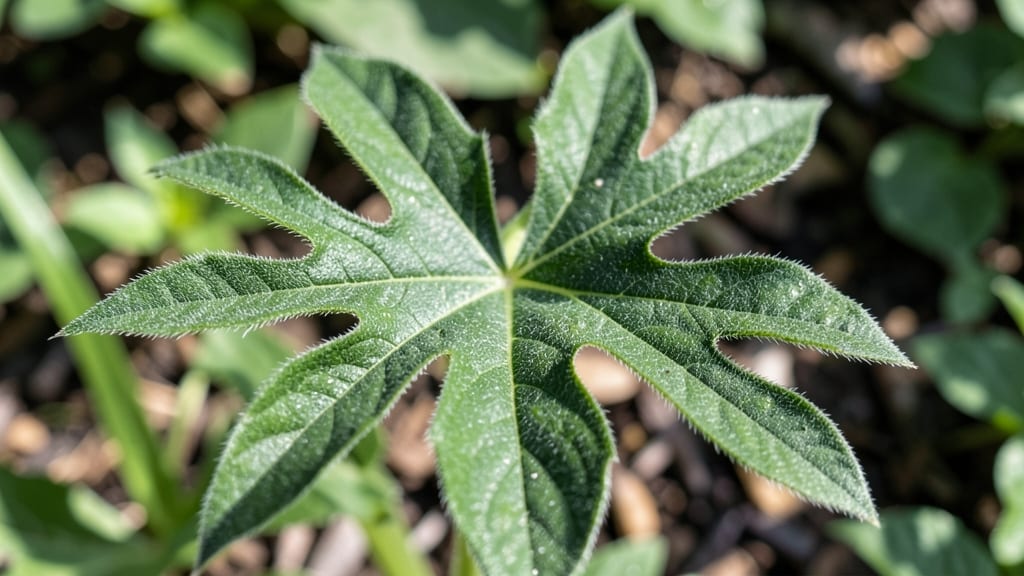
Spider flower leaves stay lush and pest-resistant when you know their secret—they thrive on neglect but hate soggy soil. I’ve watched mine bounce back from spider mites and yellowing in just weeks, and the key is understanding what’s normal and what’s not.
Those delicate, spidery blooms are a dead giveaway you’re doing something right.
The first sign of trouble? Check the undersides of leaves for tiny webs or speckled yellowing—classic spider mite red flags. A strong spray of water usually knocks them off, but if they persist, neem oil does the trick without harming pollinators.
Yellowing can also mean overwatering or poor drainage, so always let the top inch of soil dry out between waterings.
📚 In This Guide
- What you need
- Instructions
- Tips and common mistakes
- Wrapping up and next steps
What you need
- ● Spider Flower Seeds or Seedlings: 1–2 packets of Cleome hassleriana seeds (if starting from seed) or
- ● 2–3 healthy seedlings (for quicker growth).
- ● Well-Draining Soil: 5–10 gallons of potting mix (for containers) or
- ● Enriched garden soil with compost (for in-ground planting).
- ○ Containers (Optional but Helpful): 1–2 5–7 gallon pots with drainage holes (if growing in containers).
- ● Watering Can or Hose: With a gentle spray nozzle to avoid damaging delicate leaves.
- ● Fertilizer (Balanced or Low-Nitrogen): 1–2 applications of 10-10-10 or 5-10-10 fertilizer (follow package instructions).
- ● Gloves (to protect hands from prickly seed pods).
- ● Pruning Shears (for trimming leggy stems or dead foliage).
- ● Mulch (organic, like straw or shredded leaves, to retain moisture).
- ● Spider Mite Spray (neem oil or insecticidal soap, just in case).
- ● Sunlight Meter or App (to track 6+ hours of full sun daily).
How to maintain lush spider flower foliage all year
These hardy plants reward patience with bold, pest-free leaves. Here's how I keep mine thriving through every season.
Choose the Right Location for Year-Round Growth
Spider flowers (Cleome hassleriana) love full sun but tolerate partial shade in hot climates. I plant mine where they get at least 6 hours of direct sunlight daily—this ensures those signature palmate leaves stay vibrant and disease-resistant. In zones 9-11, afternoon shade prevents leaf scorch during summer's peak heat.
Here's the thing—if your garden gets harsh afternoon sun, watch for leaves curling at the edges. That's your cue to provide some afternoon shade with a sheer curtain or nearby shrubs. The goal is bright, indirect light when temperatures exceed 85°F. Spider flowers will still grow in full shade, but the leaves become sparse and pale.
Water Deeply but Infrequently
These drought-tolerant plants hate soggy roots, so I water once a week during summer, letting the soil dry completely between waterings. You'll know it's time when the top 2 inches of soil feel dry to the touch. In winter, I reduce to every 2-3 weeks unless we have a dry spell.
Real talk: Overwatering causes yellowing leaves faster than any pest. I always water at the base, avoiding the foliage to prevent fungal issues. The deep roots mean you'll never need to water daily—just let the soil dry out thoroughly between sessions.
Feed Lightly for Strong Foliage
Spider flowers aren't heavy feeders, but I give them a balanced 10-10-10 fertilizer in early spring at ¼-strength to encourage new leaf growth. Apply it when you see fresh shoots emerging—usually in late April or early May in my zone 7 garden. No need for summer feeding unless your soil is particularly poor.
Here's where it gets fun: The more you prune for bushiness, the more leaves you'll get. After the first flush of growth, I snip back leggy stems to encourage branching. This creates that lush, full look with lots of those distinctive hand-shaped leaves.
Prune for Bushier Growth and Pest Prevention
Regular pruning keeps spider flowers compact and encourages dense foliage. I remove any brown or yellow leaves immediately—they're magnets for pests. Cut back stems to just above a leaf node using clean, sharp shears. This prevents disease from spreading through damaged tissue.
Don't skip deadheading those spent flowers either. While spider flowers self-seed readily, removing seed pods redirects the plant's energy into leaf production. I make a habit of snipping off flower stalks as soon as they fade, and the plant responds with thicker, healthier foliage.
Protect Leaves from Common Pests Naturally
Spider flowers are naturally pest-resistant, but aphids and spider mites occasionally show up. I start with a strong spray of water to knock them off leaves—this works surprisingly well for early infestations. For stubborn pests, I use neem oil mixed with water and a drop of dish soap as a natural repellent.
Here's my secret weapon: Companion planting. I always grow spider flowers near marigolds and basil. The strong scents of these plants confuse pests that might target the spider flowers. Plus, the marigolds add a pop of color that makes the spider flower's foliage stand out even more.
Tips & tricks for perfect spider flower foliage
Keeping those distinctive palmate leaves vibrant takes just a few strategic moves—here's what I've learned after years of growing spider flowers.
Lighting Strategy: The 6 hours of direct sunlight in Step 1 is non-negotiable for that signature leaf shape, but here's the thing: I've noticed that in zones 8 and below, morning sun with afternoon shade actually produces slightly darker green leaves. If you're in a hotter climate, that afternoon shade becomes essential when temperatures hit 85°F or higher—otherwise, you'll see those telltale crispy edges that ruin the plant's natural beauty.
Soil Secret: Spider flowers thrive in well-draining soil, but I've found that adding a handful of compost to planting holes gives them a head start. The deep roots mentioned in Step 2 will thank you—this prevents the dreaded yellowing that comes from soggy conditions. I always mix in some perlite if my native soil is heavy clay, and the difference in leaf vigor is noticeable within weeks.
Pruning Precision: When you're cutting back those leggy stems in Step 4, here's what nobody tells you—always make your cuts just above a leaf node where new growth emerges. I use clean pruners and dip them in rubbing alcohol between cuts to prevent any disease transfer. This simple step keeps your plants looking bushy and healthy all season long, not just after the initial pruning.
Pest Prevention: The neem oil spray from Step 5 works wonders, but I've found that applying it in the early morning gives it time to dry before the sun intensifies. This prevents any potential leaf burn that can happen with wet foliage. I also rotate between neem oil and insecticidal soap every other treatment to avoid pests building resistance—this keeps those leaves looking fresh and pest-free all year.
Pro Tips for Spider Flower Leaves
- Keeping those distinctive palmate leaves vibrant takes just a few strategic moves—here's what I've learned after years of growing spider flowers.
- If you're in a hotter climate, that afternoon shade becomes essential when temperatures hit 85°F or higher—otherwise, you'll see those telltale crispy edges that ruin the plant's natural beauty.
- Soil Secret: Spider flowers thrive in well-draining soil, but I've found that adding a handful of compost to planting holes gives them a head start.
Frequently asked questions
Got questions about keeping your spider flower leaves thriving?
Here are answers to the most common concerns—from pests to pruning—so you can enjoy lush foliage all year long!
Why are my spider flower leaves turning yellow or brown?
Yellowing or brown edges on Cleome hassleriana (spider flower) leaves often signal overwatering or underwatering. Check soil moisture—it should stay lightly damp but never soggy. Brown spots may also indicate fungal issues; improve airflow around plants and avoid wetting foliage during watering.
How fast do spider flower leaves grow, and when can I expect blooms?
Spider flower leaves grow quickly, especially in warm weather, with new growth appearing in just 2–4 weeks under ideal conditions. Blooms typically follow foliage growth, appearing 6–8 weeks after planting in spring or early summer. For year-round blooms, deadhead spent flowers and provide consistent sunlight (6+ hours daily).
Are spider flowers really pest-resistant? What should I watch for?
Yes! Spider flowers are highly resistant to pests, but aphids or spider mites may occasionally appear in dry conditions. Spray leaves with water to deter pests or use neem oil as a natural remedy. Monitor undersides of leaves for early signs. Their fuzzy foliage naturally repels many bugs, making them low-maintenance darlings!
When and how should I prune spider flower leaves for bushier growth?
Prune spider flowers after flowering (late summer/early fall) to encourage bushier growth. Cut back leggy stems by 1/3 to promote branching. Avoid heavy pruning in winter unless in frost-prone zones—focus on removing dead or yellowed leaves. Wear gloves; their foliage can be slightly prickly!
Can I grow spider flowers indoors, or are they strictly outdoor plants?
Spider flowers thrive outdoors but can be grown indoors near bright, south-facing windows with supplemental grow lights (12+ hours/day). Use well-draining pots and maintain humidity to mimic their native tropical environment. However, they’re best suited for outdoor gardens, patios, or containers in sunny spots.
Wrapping up and next steps
Caring for spider flower leaves is a rewarding journey—these hardy, pest-resistant plants thrive with minimal fuss once you know the basics! 🌿 From well-draining soil to strategic pruning, you’ve got all the tools to keep them lush and vibrant year-round.
Whether you’re a beginner or a seasoned gardener, these tips ensure your spider flowers stay healthy and stunning.
Ready to put your knowledge into action? Start by inspecting your plants this weekend! Trim any dead or yellowing leaves, check for pests, and give them a little extra love with a balanced fertilizer.
Your spider flowers will thank you with bold, glossy foliage and those iconic blooms for seasons to come.