
Pests and Diseases
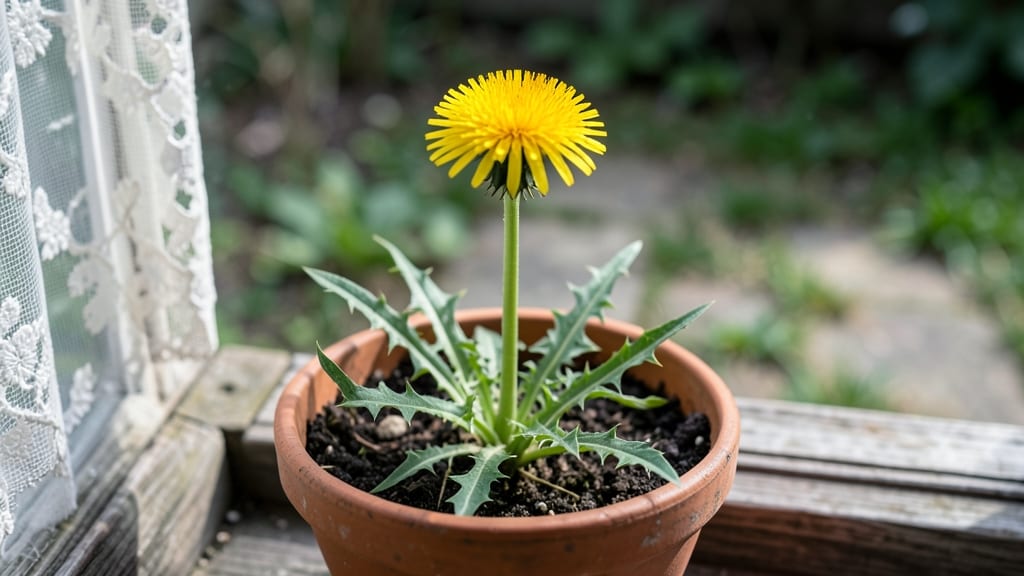
That pesky small yellow-flowered weed popping up everywhere? 🌱 I’ve wrestled with it for years—until I learned the three-step eradication method that actually works. Most gardeners pull them by hand and watch them grow back twice as fast. This approach targets the roots while keeping your garden looking clean.
The key is acting fast—before those tiny yellow blooms turn into a sea of seed heads. Grab a pair of weed-pulling gloves, a sharp hoe, or even a vinegar spray for stubborn patches.
You’ll need about 15 minutes per square yard, but the results last. No more sneaky regrowth if you follow these exact steps.
📚 In This Guide
- What you need
- Instructions
- Tips and common mistakes
- Wrapping up and next steps
What you need
- ● Hand weeding tools: Dandelion digger or weed puller (1-2 units) – for deep-rooted weeds
- ● Garden trowel (1 unit) – for precision digging
- ● Gloves (1 pair) – nitrile or leather for grip and protection
- ● Natural eradication supplies: White vinegar (1 gallon) – 5% acetic acid or higher for herbicidal properties
- ● Dish soap (1 tbsp) – as a surfactant to help vinegar stick
- ● Spray bottle (1 unit, 16 oz) – for mixing solutions
- ● Boiling water (1-2 gallons) – for spot treatment
- ● Prevention & cleanup: Mulch (2-3 bags) – straw, wood chips, or shredded leaves to suppress regrowth
- ● Garden fork (1 unit) – for aerating soil post-weeding
- ● Trash bag (1-2 units) – for disposal
- ● Hoe (1 unit) – for cutting weeds at the soil line before they seed
- ● Corn gluten meal (1 lb) – natural pre-emergent herbicide for long-term prevention
- ● Kneeling pad (1 unit) – because comfort matters during long sessions!
- ● Magnifying glass (1 unit) – to spot tiny weeds hiding in grass or cracks
How to identify and eradicate small yellow-flowered weeds
Here's my battle-tested approach to eliminating those stubborn yellow blooms before they spread.
🌱 Step 1: Positive Identification and Targeted Observation
Start by examining the weed's key characteristics—leaf shape, stem structure, and flower arrangement. Most common yellow-flowered weeds like dandelions or chickweed have deeply lobed leaves or tiny star-shaped blossoms. I always check for these three visual cues: flower cluster pattern, leaf arrangement, and root structure when pulled gently.
Here's the thing—some weeds like dandelions develop a deep taproot, while others like clover have shallow fibrous roots. Grab a small section of the weed and pull gently to see what comes up. If the root breaks easily, you're dealing with a shallow-rooted species that's easier to eradicate. If it pulls up cleanly in a long taproot, you'll need a different approach.
I recommend taking a clear photo of the plant in all stages—flowering, leafy, and root—before removal. This helps with future identification and prevents misidentification with desirable plants. The University of California's Weed Identification Guide is my go-to resource when I'm unsure.
✂️ Step 2: Strategic Removal Methods Based on Root Type
For shallow-rooted weeds like chickweed or henbit, I use the hand-pulling method on dry soil. Wait until after rain or water the area thoroughly—this loosens the soil and makes removal easier. Grab the weed at the base and pull upward with steady pressure. You'll know you've got the whole root when the soil comes up cleanly.
For deep-rooted species like dandelions or creeping buttercup, I switch to the digging tool method. Use a small hand trowel to cut the root 1 inch below the soil surface—this prevents regrowth from the remaining root fragments. I always wear gloves for this step; some weeds like stinging nettle have irritating hairs that can cause skin reactions.
Here's what I've learned the hard way: Never leave any root fragments behind. Even a ½-inch piece of taproot can regenerate into a full plant. For stubborn patches, I'll repeat the process every 3-5 days until the area is completely clear. Patience is key—rushing leads to regrowth.
💧 Step 3: Preventative Measures and Long-Term Control
After removal, I apply a 2-inch layer of organic mulch to the bare soil. This blocks sunlight from reaching weed seeds and prevents germination. For high-traffic areas, I use landscape fabric under the mulch to create an additional barrier. The key is maintaining this layer consistently—once it breaks down, new weeds will appear.
For persistent problem areas, I've had success with targeted spot treatments. A vinegar-based herbicide (5% acetic acid) works well for established weeds, but I only apply it on dry, sunny days to prevent plant damage. Always avoid spraying desirable plants—vinegar kills everything it touches. I use a small spray bottle with a ¼-inch nozzle for precision application.
Real talk: Prevention is easier than eradication. I now inspect garden beds weekly during the growing season and remove weeds before they flower. This interrupts their life cycle and reduces seed production by up to 90%. For lawn areas, I maintain proper mowing height and watering practices to create conditions unfavorable for weed establishment.
Tips & tricks for perfect weed eradication
These battle-tested strategies will help you tackle those pesky yellow-flowered weeds with precision and confidence.
Visual Identification Tricks: Pay special attention to the flower arrangement—yellow-flowered weeds often have either a single stem with one flower (like dandelions) or clusters of tiny blossoms (like chickweed). I always check the leaf base where it meets the stem: dandelions have jagged, lobed leaves while clover has trifoliate leaves. This simple visual cue helps me avoid misidentifying desirable plants.
Root Inspection Technique: When you pull a weed, examine the root structure immediately. For shallow-rooted species like chickweed, the root should break easily at the soil line. For deep-rooted weeds like dandelions, you'll see a clean taproot that comes out whole. This tells you whether to use hand-pulling or the digging tool method—critical for preventing regrowth.
Timing Matters for Removal: The 3-5 day interval between repeat treatments is non-negotiable for stubborn patches. I schedule these sessions on days after rain when soil is naturally soft. If you're working with dry soil, water the area thoroughly 24 hours before removal to loosen roots without over-saturating the ground.
Preventative Barrier Strategy: After removal, I always apply the 2-inch layer of organic mulch immediately to block sunlight from weed seeds. For high-traffic garden beds, I use landscape fabric under the mulch—this creates a double barrier that can prevent weed germination for up to 6 months if maintained properly. The key is keeping this layer intact without gaps.
Pro Tips for Small Yellow Flowered Weed
- These battle-tested strategies will help you tackle those pesky yellow-flowered weeds with precision and confidence.
- Visual Identification Tricks: Pay special attention to the flower arrangement—yellow-flowered weeds often have either a single stem with one flower (like dandelions) or clusters of tiny blossoms (like chickweed).
- Root Inspection Technique: When you pull a weed, examine the root structure immediately.
Frequently asked questions
Got questions about that pesky small yellow-flowered weed taking over your yard? You’re not alone! Here are the most common concerns—and how to tackle them.
What is the most common small yellow-flowered weed?
The most likely culprits are dandelions, creeping Charlie (ground ivy), or henbit. Dandelions are the most widespread, with bright yellow flowers and jagged leaves, while creeping Charlie has scalloped edges and spreads aggressively. Henbit has square stems and tiny purple flowers that follow the yellow blooms.
When is the best time to pull or treat small yellow-flowered weeds?
Target weeds before they seed—typically in early spring or late summer. For dandelions, pull when soil is moist (after rain) to avoid breaking the taproot. Apply pre-emergent herbicides in fall to prevent germination, or post-emergent sprays in spring for existing weeds.
Are there natural ways to kill small yellow-flowered weeds without chemicals?
Yes! Try these eco-friendly methods:
- Vinegar spray: Mix 1 gallon white vinegar + 1 oz dish soap. Spray on sunny days to avoid damaging nearby plants.
- Boiling water: Pour directly on roots for instant kill (best for cracks in pavement or sidewalks).
- Corn gluten meal: Sprinkle as a pre-emergent in fall to block weed seeds from sprouting.
- Hand-pulling: Use a weed torch (for large areas) or dig out roots with a hula hoe.
Why do small yellow-flowered weeds keep coming back after I pull them?
Weeds like dandelions have deep taproots—if even a small piece remains, it regrows! Use a dandelion digger or fork to extract the entire root. For creeping Charlie, mow frequently to weaken it, then apply vinegar or corn gluten to prevent regrowth.
Will mulching help stop small yellow-flowered weeds?
A 3–4 inch layer of mulch (wood chips, straw, or pine needles) blocks sunlight, smothering weeds. Just keep mulch away from tree trunks to avoid rot. For stubborn weeds, combine mulch with pre-emergent herbicide in early spring for best results.
Wrapping up and next steps
Identifying and eradicating that pesky small yellow-flowered weed doesn’t have to feel like a losing battle—you’ve got the tools and know-how now! 🌱 Remember, consistency is key: pull early, mulch often, and stay vigilant to keep your garden thriving.
Whether it’s dandelions, chickweed, or something else, you’re already one step ahead by taking action.
Ready to reclaim your yard? Start small: tackle one patch at a time, then expand your efforts. Before you know it, your garden will be weed-free and flourishing—no more unwanted yellow blooms in sight! 🌿