
Flowers
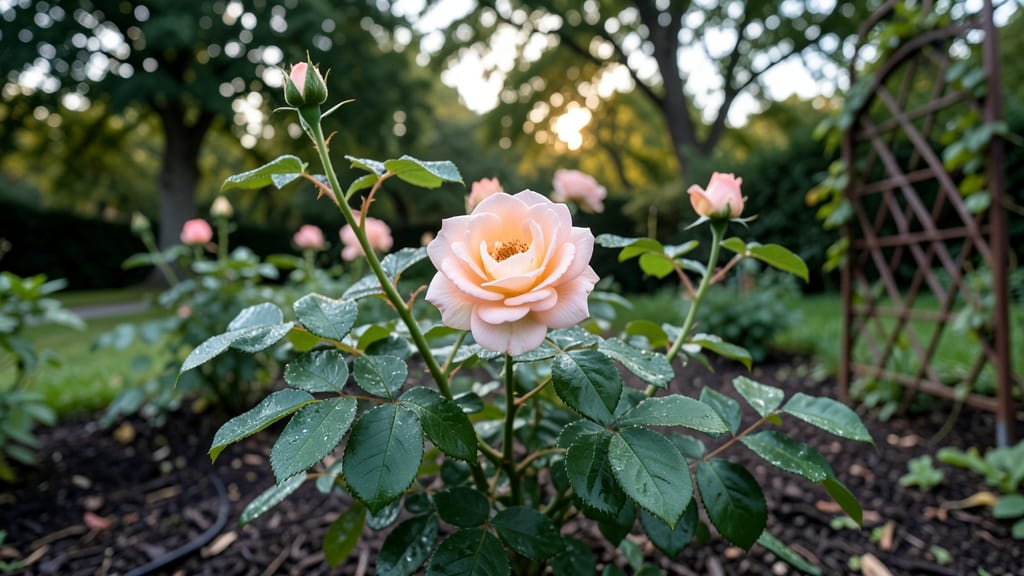
Growing the Sahara rose flower—that striking succulent with its swollen trunk and velvety blooms—feels like bringing a piece of the desert into your home. 🌵 I’ve nurtured these plants through droughts and indoor winters, and they reward patience with bold, cup-shaped flowers that last for weeks.
The secret isn’t complicated: mimic its natural habitat with bright light, fast-draining soil, and occasional deep watering.
This plant thrives on neglect almost as much as it does on attention, making it perfect for busy gardeners or those with black thumbs. Start with a 6-inch pot filled with cactus or succulent mix, and place it where it gets at least 6 hours of direct sun daily.
Overwatering is the fastest way to kill it—let the soil dry completely between waterings, and you’ll avoid the dreaded root rot that plagues so many indoor plants.
By summer, you’ll see those first trumpet-shaped blooms emerge, often in shades of pink, red, or white, with dark centers that look almost painted. The thick, caudex-like trunk stores water like a built-in reservoir, so even if you forget to water for a week, it’ll bounce back.
Prune spent flowers to encourage more blooms, and watch as your plant becomes the conversation piece of your garden or patio.
Whether you’re growing it outdoors in USDA zones 10-12 or indoors near a sunny window, the Sahara rose adapts with surprising ease. Just avoid cold drafts and sudden temperature swings, and you’ll have a plant that feels exotic but requires almost no effort.
Ready to grow one that looks like it belongs in a botanical garden but survives on beginner-level care?
📚 In This Guide
- What you need
- Instructions
- Tips and common mistakes
- Wrapping up and next steps
What you need
- ● Sahara Rose Seeds or Nursery-Grown Seedling: 1-2 seeds (if starting from scratch)
- ● OR 1 healthy nursery-grown seedling (preferred for faster results)
- ● Well-Draining Soil Mix: 50% cactus/succulent soil (or sandy loam)
- ● 30% perlite or pumice (for aeration)
- ● 20% coarse sand or gravel (to mimic desert conditions)
- ● Pot or Garden Bed: Container: 12–18" diameter pot with drainage holes (terracotta or fabric preferred)
- ● Outdoor Planting: Full-sun location with 6+ feet of vertical space (mature trees can grow 30+ feet tall!)
- ● Drainage Layer: 2–3 inches of gravel or broken pottery shards (placed at the bottom of pots)
- ● Watering Can or Drip Irrigation: With a narrow spout to avoid soil erosion
- ○ Gloves (optional but recommended) – Protects hands from thorns and prickly soil.
- ● Trowel or Small Shovel – For transplanting seedlings.
- ● Pruning Shears – For shaping or removing dead branches (sterilize with rubbing alcohol!).
- ○ pH Test Kit (optional) – Ideal soil pH: 6.0–7.5 (slightly acidic to neutral).
- ● Sunlight Access: Full sun (6+ hours/day) – No shade substitutes!
- ● Patience! 🌱 – Sahara Roses grow slowly (up to 12 inches per year in ideal conditions).
- ● Fertilizer: Balanced 10-10-10 or low-nitrogen cactus fertilizer (apply sparingly 2x/year).
- ● Mulch: Gravel or crushed rock (keeps roots cool and deters weeds).
- ● Support Stake: For young seedlings in windy areas (bamboo or metal stakes work well).
- ● Humidity Tray (for seedlings): A shallow tray with pebbles + water to maintain 40–50% humidity.
Step-by-step instructions for cultivating Sahara Rose flowers
Here’s how to grow these drought-tolerant beauties with confidence—no green thumb required.
🌱 Step 1: Choose the Perfect Desert-Friendly Location
Sahara roses thrive where temperatures stay between 60-100°F and sunlight is abundant. Pick a spot with full sun exposure (6+ hours daily)—they’ll wilt dramatically in shade. I always check for well-draining soil first; these plants despise soggy roots. If your yard has heavy clay, amend the soil with 3-4 inches of coarse sand or gravel before planting to mimic their native desert conditions.
Real talk: If you’re in a hotter climate, position them where they get morning sun and afternoon shade to prevent leaf scorch. You’ll know you’ve got the right spot when the plant’s deep green leaves stay crisp and upright—not drooping or yellowing.
☀️ Step 2: Plant at the Right Time and Depth
Wait until spring after the last frost when soil temperatures reach at least 65°F. Dig a hole twice as wide as the root ball but only as deep—planting too deep suffocates the roots. Gently remove the plant from its container and loosen any circling roots with your fingers. Place it in the hole so the top of the root ball sits level with the ground, not buried.
Backfill with native soil, pressing lightly to remove air pockets. Water deeply right after planting—1 gallon per plant—to settle the soil. Here’s the thing: Sahara roses hate being disturbed, so avoid moving them once established. If you’re planting multiple, space them 3-4 feet apart to allow airflow and prevent fungal issues.
💧 Step 3: Water Deeply but Infrequently
These desert survivors only need water every 2-3 weeks once established. The key is deep watering: soak the soil until it’s 6 inches down, then let it dry completely before watering again. Overwatering is the #1 killer—you’ll see yellowing leaves or mushy stems if you’re too generous. I use a soaker hose to deliver water slowly at the base, avoiding the foliage to prevent fungal spores.
Newly planted roses need weekly watering for the first month to help roots establish. After that, let nature take its course. If your area gets less than 1 inch of rain weekly, supplement with ½ gallon per plant. You’ll know you’re nailing it when the soil feels dry 2-3 inches down before the next watering.
✂️ Step 4: Prune for Shape and Encourage Blooms
Prune right after flowering in late spring or early summer to shape the plant and promote next year’s blooms. Use clean, sharp pruners to cut back one-third of the oldest stems at a 45-degree angle, just above a leaf node. This encourages bushier growth and more flowers. Avoid heavy pruning in fall—it stresses the plant before winter.
Remove any dead, diseased, or crossing branches first. You’ll see new growth within 2-3 weeks if you’ve pruned correctly. Here’s where it gets fun: Deadhead spent blooms by snipping the stem just above the next set of leaves. This redirects the plant’s energy into producing more flowers instead of seed pods.
🪴 Step 5: Protect in Winter (If Needed)
Sahara roses are hardy to USDA Zone 8, but if you’re in a colder climate, mulch heavily with 3-4 inches of straw or shredded bark after the first frost. This insulates the roots from freezing temperatures. In Zone 7 or colder, wrap the base of the plant with burlap or frost cloth and cover the entire plant with a large plastic pot for extra protection.
Water sparingly in winter—just enough to keep the soil from drying out completely. You’ll know it’s working if the plant stays dormant but the roots remain alive. In early spring, remove the mulch and protective coverings once daytime temps consistently stay above 50°F. The first sign of new growth is your cue to resume regular care.
Tips & tricks for perfect Sahara Rose flower cultivation
These desert survivors are easier to grow than you think—once you know the secrets. Here's how to turn your Sahara roses into the showstopper of your garden.
Soil Preparation: Before planting, test your soil's drainage by digging a hole and filling it with water. If it doesn't drain within 30 minutes, you'll need to amend that heavy clay soil with 3-4 inches of coarse sand or gravel. I've seen Sahara roses struggle in compacted soil, but with proper drainage, they'll thrive like they're back in their native desert. Think of it as creating their own little oasis—just without the water!
Planting Depth: The top of the root ball should sit level with the ground, not buried. I learned this the hard way—burying too deep suffocates the roots and can lead to rot. Use your finger to press the soil around the base gently, but don't compact it too much. This plant needs room to breathe, just like we do in hot climates. After planting, give it that 1 gallon of water to help settle the soil and encourage root growth.
Watering Strategy: The key to Sahara rose success is deep watering—soak the soil until it's 6 inches down, then let it dry completely before watering again. I use a soaker hose to deliver water slowly at the base, avoiding the foliage to prevent fungal spores. Remember, these plants are used to drought conditions, so they'll thank you for mimicking their natural environment. You'll know you're doing it right when the soil feels dry 2-3 inches down before the next watering.
Pruning Insight: When pruning, focus on removing one-third of the oldest stems at a 45-degree angle just above a leaf node. This encourages bushier growth and more flowers. I've found that using clean, sharp pruners is crucial—dull blades can damage the plant and invite infections. After pruning, you should see new growth within 2-3 weeks if you've done it correctly. And don't forget to deadhead spent blooms to redirect the plant's energy into producing more flowers.
Pro Tips for Sahara Rose Flower
- These desert survivors are easier to grow than you think—once you know the secrets.
- Soil Preparation: Before planting, test your soil's drainage by digging a hole and filling it with water.
- Planting Depth: The top of the root ball should sit level with the ground, not buried.
Frequently asked questions
Got questions about nurturing your Sahara Rose flower? You’re not alone! Here are some of the most common queries—plus quick, no-fuss answers to keep your desert beauty thriving.
How often should I water my Sahara Rose flower?
The Sahara Rose is drought-tolerant, so overwatering is its biggest enemy. Water deeply every 2–3 weeks (or when the top 2 inches of soil are bone-dry). In extreme heat (100°F+), check soil moisture weekly. Pro tip: Use a saucer under the pot to catch excess water—these flowers hate soggy roots!
How long does it take for Sahara Rose flowers to bloom?
With ideal conditions (bright light, well-draining soil, and patience!), you can expect first blooms in 6–12 months. Young plants focus on root growth first, so don’t rush it. Bonus: Once established, they may rebloom sporadically in spring or after pruning. Think of it as a slow-burning reward!
Can Sahara Rose survive winter indoors?
These flowers thrive in USDA zones 9–11, but they’re adaptable. Move pots indoors near a sunny window (south-facing is best) when temps drop below 50°F. Reduce watering to every 3–4 weeks and avoid drafts. A grow light can help if natural light is scarce.
What’s the best soil mix for Sahara Rose?
A fast-draining, mineral-rich blend is key. Mix 50% cactus/succulent soil, 30% perlite or pumice, and 20% coarse sand. Avoid peat moss—it retains too much moisture. For pots, add a layer of gravel or lava rocks at the bottom to prevent root rot. DIY hack: Crush eggshells into the mix for extra calcium!
My Sahara Rose leaves are turning yellow—what’s wrong?
Yellowing leaves usually signal overwatering or poor drainage. Let the soil dry out completely between waterings and check for root rot (smelly, mushy roots = time to repot). If the problem persists, trim affected leaves and reduce fertilizer—these flowers prefer lean soil. Quick fix: Move to a sunnier spot (they need 6+ hours of direct light daily).
Are there any non-toxic alternatives to Sahara Rose for pet owners?
While Sahara Rose (Adenium obesum) isn’t highly toxic, it’s best to keep it away from pets. Safe, pet-friendly alternatives with similar desert charm include:
- Echeveria (succulent, non-toxic)
- Sedum (hardy, drought-resistant)
- Zebra Plant (Haworthia) (low-maintenance)
Wrapping up and next steps
The Sahara Rose (Adansonia deserti) isn’t just a stunning desert beauty—it’s a symbol of resilience, thriving where others falter. With minimal care, you can cultivate this iconic flower, bringing a touch of North African elegance to your garden or patio.
Whether you’re a seasoned gardener or a beginner, its hardy nature makes it a rewarding choice.
Ready to bloom with confidence? Start by gathering your supplies, then plant with patience—your Sahara Rose will reward you with breathtaking blooms for years to come! 🌵✨