
Planting
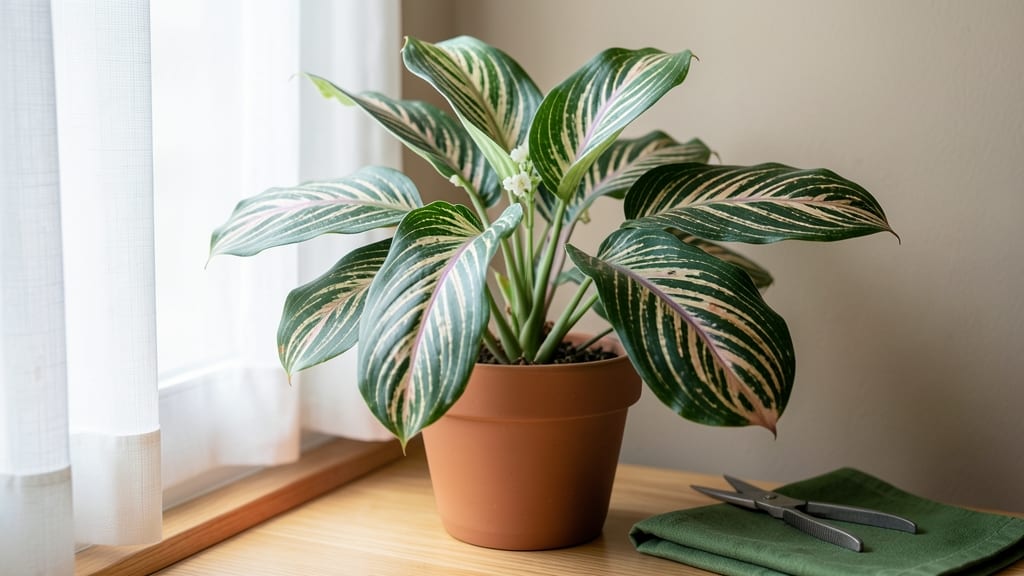
The zebra plant flower (Aphelandra squarrosa) transforms any space with its fiery orange-and-yellow blooms that stand out like tropical beacons. 🌺 I’ve nurtured these striking plants for years, and there’s nothing like watching pollinators flock to their bold, striped flowers—even in cooler months.
The secret to coaxing those vibrant blooms lies in mimicking their native rainforest conditions, which, honestly, isn’t as tricky as it sounds.
You’ll need bright, indirect light—think east or west-facing windows or a grow light—to keep the foliage rich and the flowers popping. The soil should drain well but stay slightly moist, and a humidity tray or pebble tray beneath the pot works wonders if your home’s air feels dry.
Most beginners struggle with overwatering, but with the right balance, your zebra plant will reward you with continuous blooms from spring through fall.
What you’ll love most is how these plants thrive indoors while still attracting bees and hummingbirds to your balcony or patio. The foliage stays lush and velvety, with deep green leaves edged in white, making it a showstopper even when not in bloom.
With the right care, you’ll have a plant that’s both a conversation starter and a pollinator magnet.
Whether you’re growing one as a statement piece or adding a few to a collection, this plant adapts well to indoor spaces—just avoid cold drafts and sudden temperature swings. Let’s get those striped blooms thriving in your home!
📚 In This Guide
- What you need
- Instructions
- Tips and common mistakes
- Wrapping up and next steps
What you need
- ● Zebra plant (Aphelandra squarrosa) – 1 healthy nursery-grown plant (6–8 inches tall) or 3–5 seeds (if starting from scratch). Pro tip: 💡 Buy from a reputable supplier for vibrant, disease-free foliage!
- ● Well-draining potting mix – 1 bag (10–12 quarts) of high-quality, peat-based mix (e.g., African violet or tropical plant soil). Must contain: perlite or orchid bark (20–30%) for aeration.
- ○ Pot with drainage holes – 1 container (6–8 inches in diameter) made of terracotta, ceramic, or plastic. Optional: Add saucers to catch excess water.
- ● Watering can or spray bottle – For gentle hydration (avoid soggy soil!).
- ● Fertilizer – 1 bottle of balanced liquid fertilizer (10-10-10 or 20-20-20, diluted to half-strength). Bonus: Use a slow-release granular fertilizer for convenience.
- ● Humidity dome or plastic wrap – 1 small cover to retain moisture during germination (if growing from seeds).
- ● Grow lights or sunny windowsill – Bright, indirect light (6+ hours daily). Note: Avoid direct sunlight, which can scorch leaves!
- ● Humidifier or pebble tray – To maintain 50–60% humidity (zebra plants love it!).
- ● Pruning shears – For trimming leggy stems or dead leaves to encourage bushier growth.
- ● Soil moisture meter – To check moisture levels without overwatering.
- ● Decorative pebbles or mulch – For aesthetic appeal and slight moisture retention.
- ● Pollinator-friendly companion plants – Like fuchsias or impatiens to attract bees and butterflies!
How to encourage vibrant zebra plant flowers for pollinator-friendly gardens
Here’s how to coax those striking striped blooms from your zebra plant—naturally.
🌱 Step 1: Choose the Right Location for Maximum Sunlight
The zebra plant (Aphelandra squarrosa) thrives in bright, indirect light—think 4-6 hours of morning sun followed by dappled shade. A south-facing window with sheer curtains works well, or place it 3-4 feet from an east-facing window. Too little light? You’ll see sparse, weak blooms. Too much direct sun? Leaves scorch before flowers even appear.
Check your spot by observing how light shifts throughout the day. If leaves start yellowing or stretching toward the window, your plant needs more shade. Rotate the pot a quarter turn weekly so growth stays even. This ensures the striped foliage stays bold and the flowers get the energy they need to open fully.
☀️ Step 2: Maintain Ideal Temperature and Humidity
Zebra plants love warmth between 65-75°F—cooler than most tropicals but not too hot. Keep it away from drafts, vents, or cold windows. Below 60°F, buds may drop before opening. Above 80°F, leaves wilt and flowers fade fast.
Humidity is key—50-60% is perfect. If your home runs dry, group plants together or use a pebble tray with water beneath the pot. Mist leaves lightly in the morning (never at night—wet foliage invites fungal issues). You’ll know humidity’s right when new leaves unfurl with crisp, upright stripes instead of curling edges.
💧 Step 3: Water with Precision to Trigger Blooming
Overwatering is the #1 killer of zebra plant flowers. Let the top 1-2 inches of soil dry out completely between waterings—stick your finger in to check. In summer, this might mean watering every 5-7 days; in winter, stretch it to every 10-14 days. Always water at the base to avoid splashing leaves, which can cause brown spots.
Feed with a balanced liquid fertilizer (10-10-10) every 4-6 weeks in spring/summer—this signals the plant to invest in blooms. Reduce feeding in fall/winter. If leaves yellow between veins, you’re overwatering. If buds form but don’t open, it’s likely underwatering or low light. Adjust one factor at a time to troubleshoot.
✂️ Step 4: Prune and Deadhead for Continuous Blooms
After flowers fade, snip spent blooms back to the nearest leaf node with clean, sharp scissors. This redirects energy to new buds instead of seed production. Prune leggy stems too—cut just above a set of leaves to encourage bushier growth. Never trim more than 1/3 of the plant at once, or you’ll shock it into dormancy.
Pinch back the tips of new growth in early spring to promote branching. You’ll see more compact, flower-heavy stems within 6-8 weeks. Avoid pruning in fall—let the plant rest after its blooming season. A lightly pruned zebra plant rewards you with year-round blooms if conditions stay ideal.
🪴 Step 5: Repot Only When Absolutely Necessary
Zebra plants hate being disturbed. Repot only every 2-3 years or when roots circle the pot. Choose a container just 1-2 inches larger in diameter—too much space = soggy soil and root rot. Use a well-draining potting mix (equal parts peat moss, perlite, and potting soil) and a pot with drainage holes.
Spring is the best time to repot. Water thoroughly 3 days before to reduce transplant shock. Gently remove the plant, tease apart any circling roots, and place it in fresh mix. Press lightly around the edges to secure it. Avoid fertilizing for 4-6 weeks—the plant needs time to adjust before taking up nutrients.
Tips & tricks for perfect zebra plant blooms
Real talk: Getting those bold striped blooms takes patience—but these tricks will help you skip the common pitfalls and create the ideal conditions for your zebra plant.
Light Strategy: The 4-6 hours of morning sun in Step 1 is non-negotiable, but here's what nobody tells you—rotate your plant every 3-4 days instead of weekly. This prevents lopsided growth where the plant stretches toward the light. You'll notice the striped foliage stays perfectly symmetrical, and those flowers will open evenly on all sides.
Temperature and Humidity Hack: If your home dips below 60°F at night, move your zebra plant next to a warm south-facing wall or use a small space heater (safely!) to maintain that 65-75°F range. For humidity, I've had the most success with a pebble tray—just add water up to the pebbles, not the pot. The evaporation creates a microclimate that keeps those crisp stripes from curling.
Watering Wisdom: The top 1-2 inches dry test works, but here's my secret: Use a chopstick or skewer to check moisture deeper in the pot. If it comes out dry at 2 inches but damp at 3, you're golden. Overwatering shows up as yellowing between veins—this is your plant's way of saying "I'm drowning!"—while underwatering causes buds to form but never open.
Pruning Precision: When deadheading in Step 4, make your cuts at a 45-degree angle just above a leaf node. This prevents water from pooling on the cut stem, which can lead to rot. For that early spring pinch-back, focus on the top 3-4 sets of leaves—this encourages branching without shocking the plant. You'll see those compact, flower-heavy stems in exactly 6-8 weeks as promised.
Pro Tips for Zebra Plant Flower
- Real talk: Getting those bold striped blooms takes patience—but these tricks will help you skip the common pitfalls and create the ideal conditions for your zebra plant.
- Light Strategy: The 4-6 hours of morning sun in Step 1 is non-negotiable, but here's what nobody tells you—rotate your plant every 3-4 days instead of weekly.
- Temperature and Humidity Hack: If your home dips below 60°F at night, move your zebra plant next to a warm south-facing wall or use a small space heater (safely!) to maintain that 65-75°F range.
Frequently asked questions
Got questions about coaxing those stunning Aphelandra squarrosa blooms to life? Here are some of the most common queries—and answers—to help you grow a thriving zebra plant with bold, striped flowers!
When will my zebra plant flower?
The zebra plant typically blooms in late summer to early fall, but with the right care (bright, indirect light + consistent warmth), you might see sporadic flowers year-round. Young plants may take 1-2 years to flower. Pro tip: Prune leggy growth to encourage bushier, flower-ready foliage!
Why isn’t my zebra plant flowering?
Common culprits include low light (they need bright, indirect light), overwatering (let soil dry slightly between waterings), or lack of nutrients. Feed with a balanced liquid fertilizer every 4-6 weeks during spring/summer. Troubleshoot: Move it to a sunnier spot and reduce watering if leaves yellow.
Can I grow zebra plants outdoors?
Zebra plants thrive indoors but can adapt to outdoor containers in USDA zones 10-12 during warm months (60°F+). Protect from harsh sun, wind, and temps below 50°F. Alternative: Grow them as houseplants near a sunroom window for year-round enjoyment.
Do zebra plant flowers attract pollinators?
Yes! Their vibrant, striped blooms lure hummingbirds and bees, especially in their native tropical habitats. Even indoors, the flowers’ nectar-rich structure makes them a pollinator magnet when placed near open windows. Bonus: Deadhead spent blooms to encourage more flowers!
What’s a good alternative if zebra plants are hard to grow?
Try Aphelandra ‘Sky Rocket’ (taller blooms) or Calathea ‘Rattlesnake’ for similar striped foliage with easier care. For pollinator-friendly flowers, consider Salvia ‘Black and Blue’ or Lantana. Tip: All three thrive in bright, humid conditions!
Wrapping up and next steps
The zebra plant flower is a stunning, low-maintenance addition to any garden, offering year-round pollinator appeal with its striking striped blooms. Whether you’re a seasoned gardener or just starting, its resilience and beauty make it a perfect choice for vibrant, wildlife-friendly spaces.
Ready to bring some bold stripes to your yard? Start small—plant a few zebra plants in a sunny spot, and watch your garden transform into a pollinator paradise! 🌿🐝