
Flowers
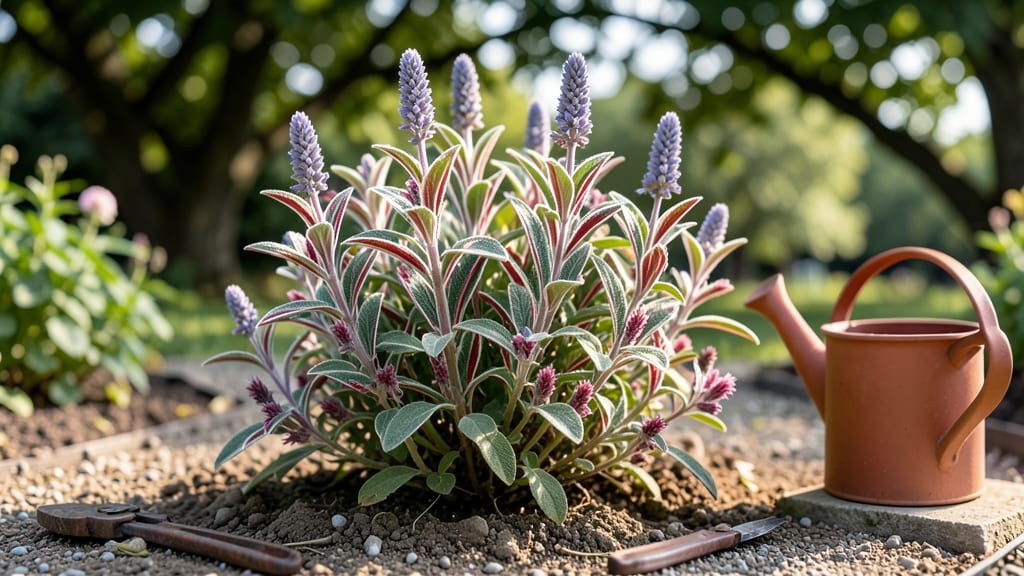
Nothing says "garden drama" like bold red-and-white striped flowers cutting through a border like a living paintbrush. 🌸 These aren't just flowers—they're the star of your design, creating instant contrast that makes every path feel like a curated gallery.
I've used them to frame my front yard, and neighbors now ask which "designer" did the magic (it was me, with a shovel and a little planning).
The beauty of striped varieties like zinnias or salvias is their versatility—plant them in massed drifts for a bold statement, or tuck single stems into containers for a pop of color.
They thrive in full sun and bloom from summer through frost, so you get months of that eye-catching contrast without extra effort. Pair them with deep purples or soft blues to let the stripes truly sing, or keep it monochromatic with white and gray foliage plants for a modern look.
What you'll love most is how they elevate any space: a cottage garden, a minimalist courtyard, or even a small balcony planter.
Their vertical growth habit makes them perfect for borders, while their long stems hold up beautifully as cut flowers—imagine bouquets that look like they belong in a Parisian café. The key is keeping them deadheaded so they keep producing those show-stopping blooms all season.
Works in every garden style, from rustic to contemporary, and adapts beautifully to different climates. Whether you're framing a walkway or adding drama to a container, these striped stars deliver instant impact with minimal fuss. Let's make your garden the talk of the neighborhood!
📚 In This Guide
- What you need
- Instructions
- Tips and common mistakes
- Wrapping up and next steps
What you need
- ● Red and white striped flowers: Salvia ‘May Night’ (6-8 plants) – Deep purple-red blooms with white edges.
- ● Zinnia ‘Crystal Red Lime’ (10-12 plants) – Vibrant red-and-white striped flowers.
- ● Snapdragon ‘Rocket’ series (8-10 plants) – Bicolor striped varieties (check labels).
- ● Dahlia ‘Bishop’ (3-5 tubers) – Classic red-and-white striped dahlias (perennial in warm climates).
- ● Sweet Alyssum ‘Red Velvet’ (1 lb seeds) – Tiny red-and-white striped blooms for filler.
- ● Soil amendments: 5 lbs compost or well-rotted manure (for nutrient-rich soil).
- ● 1 lb slow-release fertilizer (10-10-10 or organic option).
- ● Gardening tools: 1 garden trowel (for transplanting small plants).
- ● 1 hand pruners (for trimming dead foliage).
- ● 1 garden fork (for loosening soil).
- ● 1 watering can (2-3 gallons) or hose with spray nozzle.
- ○ Optional (but helpful!): 1 soil pH test kit (to ensure optimal growing conditions).
- ● 1 mulch (2-3 bags of pine straw or shredded bark to retain moisture).
- ● 1 garden kneeler pad (for comfort during planting).
- ● A sunny garden border (6+ hours of direct sunlight daily).
- ● Well-draining soil (amend clay soil with sand or perlite if needed).
- ● Access to water (consistent moisture is key for striped blooms!).
- ● Spacing plan: Research each plant’s mature size (e.g., zinnias need 6-12" apart; dahlias, 12-18").
How to create a bold red and white striped flower border
Here’s how to design a striking garden border that pops with color contrast.
🌱 Step 1: Choose the Right Striped Varieties for Your Climate
Start with plants that naturally produce bold red-and-white stripes, like Salvia officinalis 'Purpurascens' (striped sage) or Digitalis purpurea 'Pam's Choice' (foxglove). Check your USDA hardiness zone—some varieties thrive in zones 3-9, while others need zones 5-8.
I like to mix perennials with annuals for instant impact. For example, pair Salvia 'May Night' (purple with white stripes) with Zinnia 'Crystal' mix (self-seeding annuals). Your border will stay vibrant longer if you include both short-lived and long-lived options.
If you’re unsure about spacing, err on the side of closer planting—you can always thin later. Most striped flowers need 12-24 inches apart depending on their mature size. Watch for the first true leaves to emerge; that’s your cue to adjust spacing if needed.
🪴 Step 2: Prepare the Border Bed for Even Growth
Clear the area of weeds and loosen the soil to a depth of 12 inches using a garden fork. Amend the soil with 2-3 inches of compost to improve drainage and fertility. Striped flowers often struggle in heavy clay, so test your soil—if it’s compacted, mix in 1 part perlite to 3 parts soil.
Here’s the thing—striped foliage plants like Salvia or Coleus (if using as accents) need well-draining soil. If your garden holds water after rain, raise the bed slightly or install a French drain along the border’s edge. You’ll see healthier growth and fewer disease issues.
Mark planting spots with stakes or a garden hose outline before digging. This keeps your border neat and prevents overcrowding. Once planted, water deeply to settle the roots—you’ll know it’s right when the soil looks evenly damp but not soggy.
☀️ Step 3: Plant for Maximum Contrast and Sunlight Needs
Most striped flowers need full sun (6+ hours daily), but a few, like Heuchera 'Plum Pudding', tolerate partial shade. Group plants with similar sun requirements together—this ensures vibrant stripes and prevents leggy growth.
Dig holes twice as wide as the root ball but only as deep. Place each plant so the top of the root ball sits level with the soil surface. Press gently around the edges to remove air pockets, then water again. You’ll notice the leaves perk up immediately—that’s your signal the roots are happy.
For a true striped border, alternate plants with contrasting textures. For example, pair Salvia 'May Night' (velvety leaves) with Zinnia 'Crystal' (smooth, waxy blooms). This creates visual interest beyond just color.
💧 Step 4: Water and Mulch for Consistent Stripes
Keep the soil evenly moist for the first 2-3 weeks after planting—this helps roots establish. Water at the base, not overhead, to prevent fungal issues that dull the stripes. You’ll see the leaves brighten and the stripes sharpen as the plants adjust.
Apply 2-3 inches of mulch (like shredded bark or straw) to retain moisture and suppress weeds. Avoid piling mulch against stems—leave a 1-inch gap to prevent rot. Replenish mulch as it breaks down; this keeps the border looking tidy and the stripes crisp.
Fertilize lightly with a balanced 10-10-10 formula at planting and again mid-season. Over-fertilizing can wash out the stripes, so follow the package rates. You’ll know it’s working when new growth emerges with bold, defined patterns.
✂️ Step 5: Prune and Maintain for Year-Round Drama
Deadhead spent blooms regularly to encourage more flowers and keep the border looking fresh. For striped foliage plants like Coleus, pinch back the tips to promote bushier growth. You’ll see new leaves with sharper stripes within 3-4 weeks.
In late fall, cut back perennials to 6 inches tall and add a fresh layer of mulch. This protects the roots over winter and ensures vibrant stripes return in spring. Annuals can be removed entirely or composted—no need to wait for frost.
Watch for pests like aphids or spider mites, which can dull the stripes. Spray with neem oil if you spot them early. A healthy border with bold stripes is your reward for consistent care!
Tips & tricks for stunning red and white striped flower borders
Your garden border deserves that extra pop—here's how to make those bold stripes truly stand out.
Climate-Specific Plant Pairing: In Step 1, don't just mix perennials and annuals—think about your microclimate. For cooler zones (3-5), add Heuchera 'Plum Pudding' (partial shade tolerant) alongside your sun-lovers. In warmer zones (8-9), include Coleus 'Black Dragon' for year-round color. The key is creating that perfect contrast without sacrificing stripe clarity.
Soil Prep Secret: When preparing your border bed in Step 2, take an extra 10 minutes to test your soil's pH. Striped foliage plants like Salvia prefer slightly acidic soil (pH 6.0-6.8), while Zinnia thrives in neutral (pH 6.0-7.0). Adjust with sulfur or lime if needed—this makes all the difference in stripe intensity. The 12-inch depth prep is perfect for root establishment.
Planting Pattern Hack: For Step 3, try this pro technique: Plant your boldest striped varieties (like Salvia 'May Night') in a staggered pattern—offset each plant by 6-8 inches from the one beside it. This creates natural movement in your border and prevents that rigid, geometric look while keeping the stripes popping. The 12-24 inch spacing guideline still applies, but this variation adds depth.
Mulch Maintenance: After applying that 2-3 inches of mulch in Step 4, mark the plant stems with small flags or pebbles to remind yourself where they are. When replenishing mulch, avoid piling it against stems—this simple step prevents rot and keeps those stripes sharp. I refresh my mulch every 6-8 weeks, especially in hot climates where it breaks down faster.
Pro Tips for Red And White Striped Flowers
- Your garden border deserves that extra pop—here's how to make those bold stripes truly stand out.
- Climate-Specific Plant Pairing: In Step 1, don't just mix perennials and annuals—think about your microclimate.
- Soil Prep Secret: When preparing your border bed in Step 2, take an extra 10 minutes to test your soil's pH.
Frequently asked questions
Got questions about those eye-catching red and white striped flowers? You’re not alone! Here are answers to the most common queries—from planting tips to troubleshooting—so you can create a show-stopping garden border with confidence.
What are the most popular red and white striped flowers for borders?
Top picks include Salvia ‘May Night’ (with its bold purple-red stripes), Zinnia ‘Benary’s Giant’ (deep red with crisp white edges), and Cosmos ‘Bright Lights’ (pink-red striped blooms). For perennials, try Heuchera ‘Plum Pudding’ (foliage with striped red-and-white veins) or Stachys ‘Hummelo’ (lace-like flowers with striped bracts).
When is the best time to plant red and white striped flowers?
For annuals like zinnias or cosmos, sow seeds 2–3 weeks after your last frost date (spring) or directly in the ground in late summer for fall blooms. Perennials like salvia thrive when planted in early spring or fall, avoiding extreme heat. Stripes on foliage (e.g., heuchera) are best planted in spring for vibrant summer contrast.
How do I keep the stripes sharp and vibrant?
Stripes fade with too much sun or poor soil. Plant in partial shade (4–6 hours of sun) for foliage plants like heuchera. For striped blooms (e.g., zinnias), ensure well-draining soil and regular watering—stripes dull with stress. Deadhead spent blooms to encourage new, crisp stripes!
Can I mix red and white striped flowers with other colors?
Pair them with silver foliage (e.g., lamb’s ear) for drama, deep purples (e.g., salvia ‘May Night’) for contrast, or soft yellows (e.g., coreopsis) for a cheerful look. Avoid overpowering reds with neon hues—stick to cool tones (blues, whites) or warm neutrals (beige, terracotta) for harmony.
Why are my striped flowers losing their stripes or turning spotted?
Fungal diseases (like powdery mildew) or pests (aphids) can distort stripes. Improve airflow by spacing plants 12–18 inches apart. Spray with neem oil if you spot pests, and avoid overhead watering. If stripes blur, it may be nutrient deficiency—add a balanced fertilizer (10-10-10) and monitor soil moisture.
Where’s the best place to buy striped flowers?
Start with local nurseries for healthy, region-adapted plants. Online retailers like Burpee or Baker Creek Heirloom Seeds offer striped varieties (e.g., zinnia ‘Crystal’). For perennials, check Proven Winners or Monrovia. Tip: Buy seeds in bulk for annuals to save money!
Wrapping up and next steps
Red and white striped flowers aren’t just a visual treat—they’re a bold statement for any garden border, blending effortless charm with striking contrast. Whether you’re drawn to Salvia ‘May Night’, Zinnia ‘Crystal’, or Snapdragons, these blooms bring energy, pollinators, and seasonal flair to your outdoor space. 🌸✨
Ready to transform your garden? Start small—pick one or two varieties to test their vibrancy in your space, then expand as you fall in love. Happy planting!
- Next step: Sketch a rough layout or browse local nurseries for your favorites!