
Landscaping
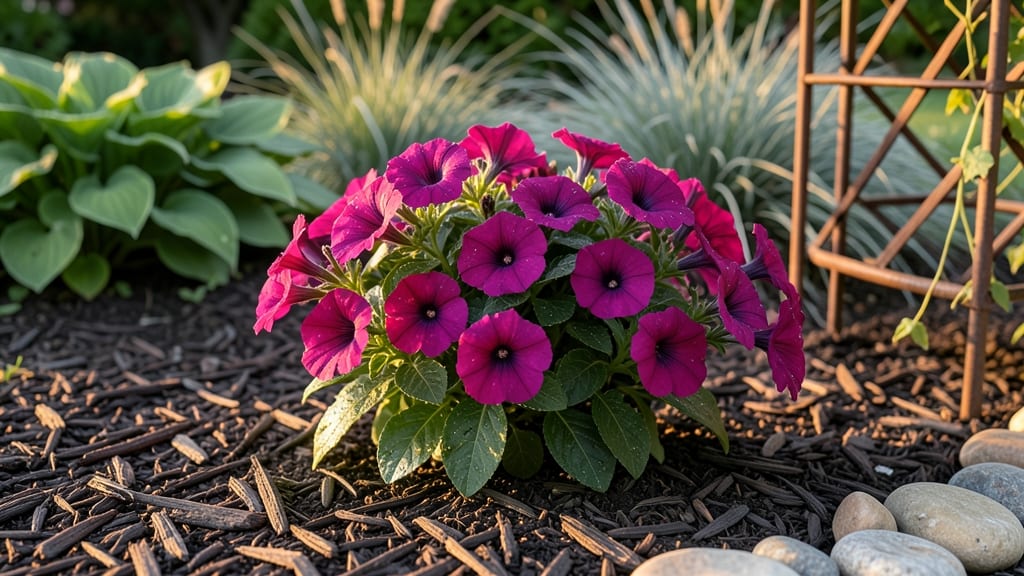
A front yard petunia flower bed in the Pacific Northwest needs more than just pretty blooms—it needs plants that handle cool summers, damp springs, and early frosts.
I’ve designed beds that burst with color from May through October, using petunia varieties that shrug off the region’s quirks and still put on a show. The key? Choosing the right types (like Surfinia or Wave petunias) and pairing them with shade-tolerant companions that extend the season.
Start with a sunny spot (at least 6 hours of light) and well-draining soil—petunias hate soggy feet. Mix in compost for rich, crumbly soil, and space plants 12–18 inches apart for that lush, cascading look.
My favorite color combos? Deep purple with silver foliage for drama, or coral and white for a cheerful cottage vibe. Add in heuchera or ajuga for texture and to fill gaps when petunias need a break.
By late spring, you’ll have a vibrant, low-maintenance display that turns heads and stops cars. Petunias bloom nonstop with minimal deadheading, and their fragrant, velvety blooms attract pollinators while keeping pests at bay.
The best part? They handle our rainy seasons better than annuals from the big-box store—no wilting, no fuss.
This design works for modern borders, cottage gardens, or formal beds—just tweak the spacing and height. Want a year-round look? Add evergreen shrubs like boxwood or hebe behind the petunias. Let’s make your front yard the talk of the neighborhood!
📚 In This Guide
- What you need
- Instructions
- Tips and common mistakes
- Wrapping up and next steps
What you need
- ● Petunia plants: 24–48 plants (depending on bed size). Choose Petunia × hybrida varieties like 'Wave,' 'Supertunia,' or 'Easy Wave' for PNW resilience.
- ● High-quality potting soil: 5–10 cubic feet (for a 4’x4’ bed). Opt for a well-draining mix with compost (e.g., Miracle-Gro Premium Potting Mix).
- ● Organic mulch: 2–3 bags (e.g., cedar chips or pine bark) to retain moisture and suppress weeds.
- ● Slow-release fertilizer: 1–2 lbs (e.g., Osmocote Smart-Release Plant Food) for sustained nutrients.
- ● Watering system: Drip irrigation kit or soaker hoses (e.g., Rain Bird) to keep soil consistently moist.
- ● Garden tools: Trowel, pruners, gloves, and a rake.
- ● Measuring tape & stakes: To mark bed dimensions and plant spacing (10–12" apart).
- ○ Edging material (optional): Metal or plastic edging (e.g., FlexEdge) to define the bed.
- ● Sunlight assessment: Confirm your bed gets 6+ hours of sun daily (petunias thrive in full sun).
- ● Weather prep (PNW-specific): Frost cloth (for early/late seasons) and a heat mat (if planting in cooler microclimates).
Step-by-Step guide for a Pacific Northwest petunia flower bed
Here's how to create a vibrant, resilient petunia display that blooms reliably through our region's unique climate.
Select and Prepare the Planting Site
Choose a location with at least 6 hours of morning sun—petunias tolerate afternoon shade better than full afternoon sun in our cooler summers. The Pacific Northwest's damp winters mean you'll need well-draining soil to prevent root rot. Test your soil first: press a handful when dry—if it forms a tight ball, amend with 2-3 inches of compost and 1 inch of perlite to improve aeration.
Clear existing vegetation within a 3-foot radius of your planned bed. Petunias spread outward as they grow, and competing plants will steal nutrients. I like to mark the area with landscape fabric first—it suppresses weeds without smothering the petunias' shallow roots. For a 4-foot square bed, you'll need about 1 square yard of fabric and 1 cubic yard of amended soil mix (if starting from ground soil).
Choose and Plant Petunia Varieties for Year-Round Color
For Pacific Northwest reliability, select Supertunia Vista Breeze (heat-tolerant) and Wave Petunia (spreading types). Mix in 1-2 disease-resistant varieties like Easy Wave Red to reduce fungal issues from our frequent rain. Plant in early May after the last frost date—petunias won't tolerate temperatures below 50°F. Dig holes twice as wide as the root ball but only as deep to avoid burying stems.
Space plants 12-18 inches apart for bush types, 18-24 inches for spreaders. I plant in slightly staggered rows to create a denser, more natural look. Water deeply immediately after planting to eliminate air pockets—tap the soil gently around each plant. The first flush of blooms will appear in 4-6 weeks, but don't expect full coverage until 8-10 weeks of establishment.
Establish a Watering and Fertilizing Routine
Petunias need consistent moisture—water early in the morning to prevent fungal diseases from evening dampness. In our region, deep watering every 2-3 days works best, but check the top 2 inches of soil—if it's dry, water again. Use a soaker hose placed along the bed's edge to deliver water slowly without disturbing the soil surface. This prevents petunia leaves from getting wet, which reduces powdery mildew risk.
Fertilize every 2 weeks with a balanced 10-10-10 formula diluted to half-strength. Pacific Northwest soils often lack phosphorus, which petunias need for strong roots and blooms. I mix 1 tablespoon of 10-10-10 per gallon of water and apply directly to the soil (not leaves) to avoid burn. Deadhead spent blooms weekly—this encourages continuous flowering, especially important during our cooler, shorter summer days when growth slows.
Prepare for Winter and Extend the Season
When night temperatures drop below 55°F, petunias go dormant. Cut back plants to 2 inches above the soil in late October and apply 3 inches of shredded bark mulch to insulate roots. In February, remove the mulch and prune back any dead growth. You'll see new shoots emerge within 3-4 weeks—this is your signal to resume regular care. For year-round color, plant Supertunia Vista Breeze in early September as well—these varieties handle our mild fall temperatures better than standard petunias.
In March, fertilize with a high-nitrogen formula (like 20-10-10) to jumpstart spring growth. Pacific Northwest petunia beds often bloom earlier than southern gardens because our cooler spring temperatures reduce stress. Watch for aphids in new growth—spray with neem oil at the first sign to prevent infestations before they spread. With proper winter prep, your bed will show continuous blooms from May through October in our climate.
Tips & tricks for a thriving Pacific Northwest petunia flower bed
Creating a petunia bed that blooms reliably through our region's unique climate takes some strategic planning—and I've learned these tricks the hard way after watching too many petunias struggle in our damp, cool summers. Here's what nobody tells you about keeping yours vibrant all season.
Soil Preparation Secret: The 2-3 inches of compost and 1 inch of perlite in Step 1 aren't just recommendations—they're non-negotiable for our climate. I've seen petunias drown in compacted Pacific Northwest soil even with "well-draining" labels. Test your soil first: if it forms a tight ball when dry, you absolutely need that amendment. For extra insurance against our rainy winters, consider adding 1 cup of coarse sand to your cubic yard of amended soil mix—it creates larger air pockets that prevent root suffocation.
Planting Layout Technique: The staggered rows in Step 2 create a visual density that makes your bed look established from the first day. Here's my pro move: plant your tallest varieties (like Supertunia Vista Breeze) in the back row, then medium-height spreaders (Wave Petunia) in the middle, and finally trailing varieties along the front edge. This creates natural layers and prevents leggy growth that our shorter summer days can encourage. Space your plants slightly closer (12 inches apart) if you're using the more compact Easy Wave Red varieties—they'll fill in faster.
Watering Timing Strategy: Those 2-3 days between waterings in Step 3 work perfectly when temperatures stay mild, but during our occasional heatwaves, you'll need to adjust. I set a timer for 6 AM watering and check the top 2 inches of soil every other day—if it's still damp, skip watering. The key is morning watering to let foliage dry before evening, which prevents the powdery mildew that plagues Pacific Northwest gardens. For container petunias, reduce to every 1-2 days in summer heat, but never let them sit in soggy soil.
Winter Survival Hack: The 3 inches of shredded bark mulch in Step 4 is crucial, but there's one extra trick: mix in 1 inch of straw mulch on top of the bark. The straw provides additional insulation while breaking down slowly to feed your plants in early spring. When you remove the mulch in February, leave a thin layer (about ½ inch) of the decomposed material—it acts as a natural fertilizer as new shoots emerge. This simple layering creates a microclimate that protects roots from our freezing winter nights while allowing them to thrive through our mild springs.
Pro Tips for Front Yard Petunia Flower Bed
- Here's what nobody tells you about keeping yours vibrant all season.
- Soil Preparation Secret: The 2-3 inches of compost and 1 inch of perlite in Step 1 aren't just recommendations—they're non-negotiable for our climate.
- Planting Layout Technique: The staggered rows in Step 2 create a visual density that makes your bed look established from the first day.
Frequently asked questions
Got questions about creating a stunning front yard petunia flower bed that thrives in the Pacific Northwest’s unique climate? You’re not alone! Here are some of the most common queries—and answers—to help you get started with confidence.
When is the best time to plant petunias in the PNW?
For year-round color, plant petunias in early spring (March–April) after the last frost. If you want fall blooms, sow seeds or transplant in late summer (August). In milder PNW zones (like Western Washington), you can even extend the season with seasonal containers or frost cloths!
How often should I water my petunia flower bed?
Petunias love consistent moisture—water deeply 2–3 times per week during dry spells (more in summer heat). Mulch with 2–3 inches of shredded bark to retain moisture and suppress weeds. Pro tip: Water in the early morning to reduce fungal risks.
What pests or diseases should I watch for in PNW petunias?
Common issues include aphids, spider mites, and powdery mildew. Neem oil or insecticidal soap tackles pests, while improved airflow (space plants 12–18 inches apart) prevents mildew. Prevention tip: Remove spent blooms regularly to encourage healthy growth!
Can I mix petunias with other flowers in my PNW bed?
Pair petunias with PNW-friendly companions like salvias, ferns, or heucheras for texture. Avoid competitive plants (e.g., aggressive spreaders like mint). For low-maintenance beds, try petunias + calibrachoas (trailing varieties) for a lush, cascading look.
Will petunias survive PNW winters, or do I need to replant yearly?
Most petunias are annuals, but Supertunia® or Wave® varieties (hardy to 25°F) may return in mild winters. For year-round color, treat them as annuals and replant in spring. Bonus: Save seeds from late-season blooms for next year’s garden!
Wrapping up and next steps
Transforming your front yard petunia flower bed into a vibrant, year-round showstopper is totally doable—even in the Pacific Northwest’s unique climate! 🌸 With the right soil prep, sun-smart petunia varieties, and a little seasonal TLC, you’ll enjoy blooms that brighten every season.
Don’t wait for "someday"; start small, experiment with colors, and watch your curb appeal (and joy) grow!
Next step: Grab your gardening gloves and pick one petunia color to plant this weekend—your future front yard will thank you!