
Flowers
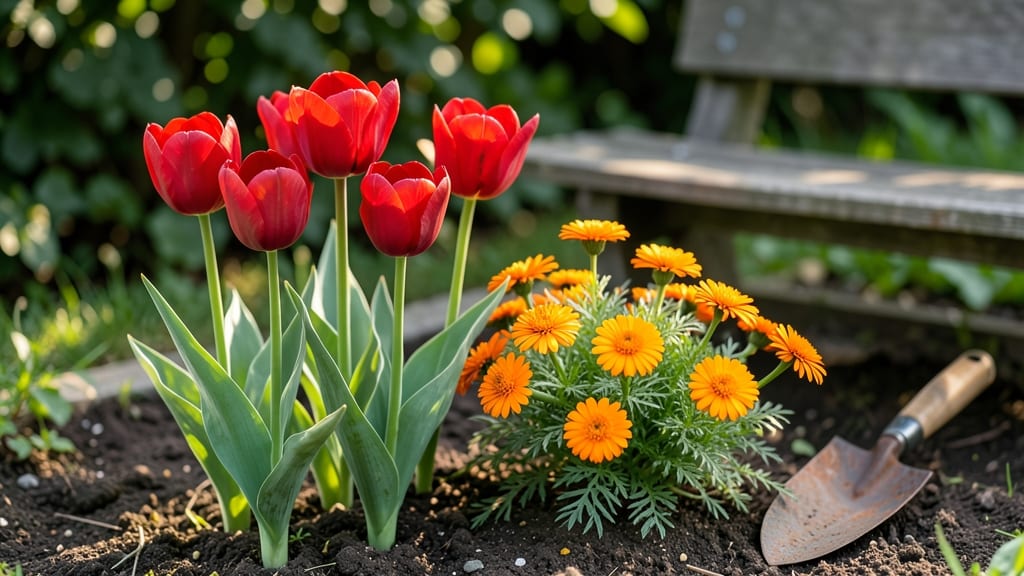
Red and orange flowers scream summer joy—but they’re also the secret weapon for a garden that thrives all year. 🌻 I learned this the hard way when my once-dull borders transformed after adding just a few bold bloomers.
The key isn’t just planting them; it’s layering them with the right companions so they shine from spring through frost.
Think marigolds for heat-loving edges, dahlias for dramatic height, and salvias for long-blooming structure. These trio works together to attract pollinators while filling gaps in your design. The best part? Most thrive in average soil and sunlight, making them perfect for beginners or busy gardeners.
You’ll end up with a garden that pops with color while feeling effortless to maintain. The deep reds of bee balm contrast beautifully with the fiery orange of daylilies, and both keep bees buzzing all season. Plus, the combination deters pests naturally—no chemicals needed.
Whether you’re refreshing a border, dressing up containers, or creating a pollinator paradise, these fiery combos work in any space. Let’s make your garden the talk of the neighborhood with bold, low-maintenance blooms that never quit.
📚 In This Guide
- What you need
- Instructions
- Tips and common mistakes
- Wrapping up and next steps
What you need
- ● Red & Orange Flowers: Choose from 5–10 varieties like Marigolds, Zinnias, Salvias, Crocosmias, or Dahlia (perennial or annual, based on your climate). Aim for 3–5 plants per type for full coverage.
- ● High-Quality Soil: 1–2 bags of well-draining, nutrient-rich potting mix or garden soil (amend with compost for fertility).
- ● Containers or Garden Beds: For containers: 5–10 pots (6–12 inches in diameter) with drainage holes.
- ● For in-ground planting: A sunny, well-drained spot (6+ hours of sunlight daily).
- ● Seeds or Plants: Seeds: 1–2 packets per flower type (check seed depth requirements).
- ● Young Plants: 3–5 nursery-grown plants per variety (transplant after last frost).
- ● Hand Trowel (for planting seeds/bulbs).
- ● Garden Gloves (to protect hands from thorns or soil).
- ● Watering Can or Hose (with a gentle spray nozzle).
- ● Pruning Shears (for trimming dead blooms or shaping plants).
- ○ Mulch (optional: 2–3 inches of shredded bark or straw to retain moisture).
- ○ Fertilizer (optional: balanced 10-10-10 or slow-release granules for extra blooms).
- ● Sunlight Check: Ensure your planting area gets full sun (6+ hours/day)—most red/orange flowers thrive in warmth!
- ● Climate Considerations: For perennials (e.g., Crocosmia, Salvia), confirm your USDA Hardiness Zone (most do well in Zones 5–10).
- ● For annuals (e.g., Marigolds, Zinnias), plant after the last frost date in your area.
- ● Pollinator Prep: Avoid pesticides—these flowers attract bees, butterflies, and hummingbirds!
How to design a stunning red and orange flower garden that blooms all season
Here's how to create a bold, pollinator-friendly display that thrives from spring through frost.
🌱 Step 1: Choose the Right Red and Orange Varieties for Your Climate
Select plants that complement each other's bloom times and sunlight needs. For full sun areas, pair zinnia (with its fiery orange blooms) and celosia (flame-shaped red flowers) for a dramatic contrast. For partial shade, opt for begonias (bi-color red-orange) and coleus (velvety foliage in burnt tones). I always include at least one salvia variety—like 'Hot Lips'—for its long bloom season and hummingbird appeal.
Check your hardiness zone to ensure year-round color. In zones 7-10, pentas and lantana deliver nonstop blooms, while zones 3-6 benefit from daylilies and black-eyed Susans. The key is layering: plant early bloomers like tulips or crocus alongside late-season favorites like mums or asters so color never fades.
☀️ Step 2: Prepare the Soil for Vibrant, Long-Lasting Blooms
Test your soil's pH—most red and orange flowers thrive in slightly acidic to neutral (6.0-7.0). Amend heavy clay with 2-3 inches of compost and 1 part perlite to improve drainage, which prevents root rot in thirsty plants like celosia. For sandy soil, mix in peat moss to retain moisture and nutrients.
Work in slow-release fertilizer at planting time—look for a balanced 10-10-10 or a bloom-specific formula with higher phosphorus. Avoid fresh manure, which can burn roots and cause uneven growth. I like to add a handful of bone meal for extra phosphorus, which encourages strong root systems and abundant blooms.
🪴 Step 3: Plant in Strategic Clusters for Maximum Impact
Group 3-5 plants of each variety in odd-numbered clusters to create natural-looking drifts. Space zinnia and celosia 12-18 inches apart for full, bushy growth, while salvia and lantana can handle 18-24 inches of space. Tall varieties like red snapdragons or orange canna lilies belong at the back, with shorter begonias or coleus in front.
Dig holes twice as wide as the root ball but only as deep as the container. Loosen roots gently if pot-bound, then backfill with native soil mixed with compost. Water deeply to settle the soil and remove air pockets. Here's the thing—mulch immediately with 2-3 inches of shredded bark to retain moisture and suppress weeds. I always use red or orange mulch to tie the color scheme together.
💧 Step 4: Water and Feed for Nonstop Color
Water deeply 2-3 times per week during the first 4-6 weeks to establish roots, then taper to once weekly once established. Most red and orange flowers hate soggy soil, so always check the top 2 inches—if it's dry, water again. Early morning is best to reduce fungal risks.
Feed every 4-6 weeks with a liquid bloom booster (look for high potassium) to extend flowering. Deadhead spent blooms weekly—this redirects energy to new flowers. For perennials like daylilies, cut back yellowing foliage in late fall but leave seed heads for winter interest and birds.
✂️ Step 5: Prune and Maintain for Year-Round Health
Prune leggy stems back by one-third in early summer to encourage bushier growth. For annuals like zinnias, pinch back tips of young plants to promote branching. In fall, cut back woody perennials like salvia to 6 inches tall—this protects them from winter dieback and encourages fresh spring growth.
Watch for aphids or spider mites on new growth—spray with neem oil if you see sticky residue or webbing. Divide crowded perennials like daylilies every 3-4 years in early spring to rejuvenate blooms. The secret to a vibrant garden? Rotate plants every few years—this prevents soil depletion and keeps your display fresh.
Tips & tricks for perfect red and orange flower gardens
Creating a vibrant red and orange flower display takes a little finesse—here's how to elevate your garden from good to showstopping.
Layering by Bloom Time: The secret to year-round color lies in strategic layering. In Step 1, when selecting varieties, pair early spring bloomers like tulips with late-season favorites such as mums. This creates a seamless transition where one variety fades just as another begins. I've found that adding asters in fall extends the season by 6-8 weeks in my zone 6 garden. Think of it as a floral relay race where each plant passes the torch of color.
Soil Secrets for Thirsty Plants: In Step 2, when amending heavy clay, don't just add compost—mix in 1 part perlite for every 3 parts compost. This creates tiny air pockets that prevent root rot in water-loving plants like celosia. For sandy soils, blend in peat moss to hold moisture without suffocating roots. The ideal mix should resemble a well-draining potting soil—light yet capable of retaining enough moisture for those hot summer days.
Planting Clusters with Purpose: When creating those dramatic drifts in Step 3, use the odd-number rule—groups of 3, 5, or 7 plants create natural-looking clusters that feel intentional. Space your zinnias and celosia 15-18 inches apart to give them room to bush out without competing. I've noticed that adding a single tall plant like red snapdragons in the center of each cluster creates a natural focal point that draws the eye.
Watering Wisdom: During the critical 4-6 week establishment period in Step 4, water deeply but less frequently than you might think. The key is to saturate the top 6-8 inches of soil, not just the surface. Use a moisture meter to check—aim for consistently moist but never soggy soil. Early morning watering is non-negotiable; it gives leaves time to dry before evening, reducing fungal risks by up to 40%.
Pro Tips for Red And Orange Flowers
- Creating a vibrant red and orange flower display takes a little finesse—here's how to elevate your garden from good to showstopping.
- Layering by Bloom Time: The secret to year-round color lies in strategic layering.
- Soil Secrets for Thirsty Plants: In Step 2, when amending heavy clay, don't just add compost—mix in 1 part perlite for every 3 parts compost.
Frequently asked questions
Got questions about adding red and orange flowers to your garden? You’re not alone! Here are some of the most common queries—and their answers—to help you create a stunning, pollinator-friendly space with ease.
What are the best red and orange flowers for attracting pollinators?
Look for native species like bee balm (Monarda), coneflowers (Echinacea), and black-eyed Susans (Rudbeckia). These vibrant blooms are packed with nectar and pollen, making them irresistible to bees, butterflies, and hummingbirds. Pro tip: Plant in clusters for maximum impact!
When is the best time to plant red and orange annuals vs. perennials?
For annuals (like zinnias or marigolds), sow seeds directly after your last frost date in spring. Perennials (e.g., daylilies or sedum) thrive when planted in early spring or fall, giving roots time to establish. Troubleshoot: If planting late, water deeply 2–3 times a week to prevent wilting!
How do I keep my red and orange flowers blooming all season?
Deadhead spent blooms regularly to encourage reblooming. For perennials, fertilize lightly in spring with a balanced, organic fertilizer (10-10-10). Mulch around the base to retain moisture and suppress weeds. Bonus: Try succession planting—sow fast-growing annuals (like cosmos) every 4–6 weeks for continuous color!
Are there any red/orange flowers that thrive in shade?
Opt for heuchera (coral bells), coleus, or impatiens for partial shade. For deeper shade, bleeding heart (Dicentra) (with pinkish-red blooms) or astilbe (soft orange plumes) add texture. Alternative: Mix in ferns or hostas to complement their foliage!
Why are my red and orange flowers wilting or not blooming?
Check these common culprits:
- Underwatering: Most flowers need 1–1.5 inches of water weekly (more in heatwaves).
- Overcrowding: Thin plants if they’re competing for nutrients.
- Poor drainage: Ensure pots or beds have holes to prevent root rot.
- Lack of sunlight: Verify your variety’s light needs (e.g., sun-loving zinnias vs. shade-tolerant impatiens).
Wrapping up and next steps
From bold red and orange flowers like beesbalm and marigolds to their pollinator-friendly benefits, your garden can be a year-round burst of color and life! 🌸 These vibrant blooms aren’t just eye-catching—they’re essential for supporting bees, butterflies, and hummingbirds while adding warmth to any space.
Ready to transform your garden? Start small—plant a few of these easy-care favorites, then expand as you see what thrives. Your next step? Grab your gloves, pick a sunny spot, and let nature’s brightest stars do the rest! 🌞