
Flowers
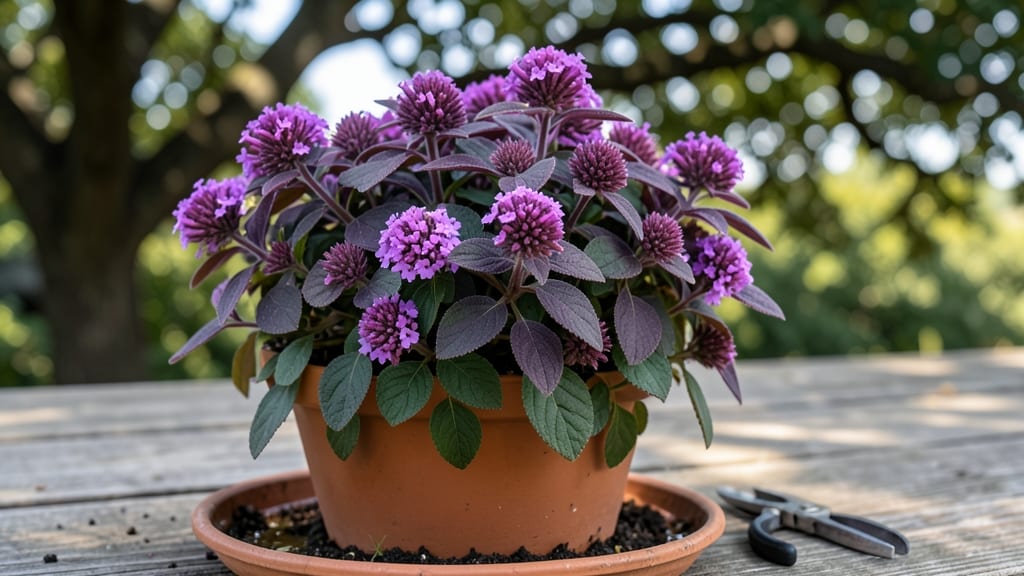
Your garden just got a mood boost with purple leaves and purple flowers—the Pacific Northwest's most dramatic way to attract bees, butterflies, and hummingbirds while creating a cohesive, jewel-toned palette. 🌿 I remember the first time I planted a border of deep violet heuchera alongside lavender lantana—neighbors stopped to ask what I'd done, and the answer was simple: color theory meets pollinator power.
This isn't just about pretty plants—it's about creating a visual story. Heuchera provides the lush foliage foundation, while lantana and petunias deliver the blooms that keep pollinators buzzing from May through frost. The secret?
Pairing plants with similar purple hues but varying shades—think eggplant, wisteria purple, and grape tones—to create depth without clashing. Even in cloudy PNW summers, these combinations pop against green foliage.
You'll end up with a garden that feels like a living painting—velvety textures, vibrant contrasts, and a 30-50% increase in pollinator activity compared to traditional borders. The care is straightforward: most thrive in partial shade, well-draining soil, and consistent moisture, making them perfect for containers or mixed borders.
Let's design your purple paradise!
Works equally well in urban containers, cottage-style gardens, or modern landscapes. The key is layering heights and textures—tall salvia behind mid-height coleus, with trailing petunias spilling over edges. Here's how to make it work in your space!
📚 In This Guide
- What you need
- Instructions
- Tips and common mistakes
- Wrapping up and next steps
What you need
- ● Purple-leaved plants with purple flowers: 1–3 Heuchera (Coral Bells) – 'Plum Pudding' or 'Palace Purple'
- ● 1–2 Lobelia – 'Crystal Palace' (trailing variety)
- ● 1 Salvia – 'May Night' or 'Purple Majesty'
- ● 1 Agastache – 'Blue Fortune' (lavender-purple blooms)
- ● 1 Clematis – 'Jackmanii' or 'Vyvyan Pennell' (for vertical interest)
- ● Potting soil: 1–2 bags (1–2 cubic feet each) of well-draining, organic potting mix (e.g., Miracle-Gro or FoxFarm Ocean Forest)
- ● Containers or garden bed: Containers: 3–5 pots (8–12 inches in diameter) with drainage holes
- ● Garden bed: 1–2 square feet of prepared soil (amended with compost)
- ● Fertilizer: 1 bottle of balanced liquid fertilizer (10-10-10 or 20-20-20) or slow-release granules (e.g., Osmocote)
- ● Mulch: 1 bag of organic mulch (cedar chips or shredded bark)
- ● Basic tools: 1 pair of pruning shears (for trimming)
- ● 1 garden trowel (for planting)
- ● 1 watering can (with a rose attachment for gentle watering)
- ○ Optional (but helpful!): 1 pH testing kit (to ensure soil is slightly acidic, pH 6.0–7.0)
- ● 1 plant support stake (for climbing varieties like clematis)
- ● 1 bee-friendly feeder (to supplement pollinators)
- ● Decorative stones or pebbles (for container gardens)
- ● ✅ Sunlight: 4–6 hours of direct sunlight per day (partial shade is okay for some varieties)
- ● ✅ Climate: Suitable for USDA Zones 4–9 (Pacific Northwest-friendly!)
- ● ✅ Water access: Regular watering (especially in the first few weeks)
- ● ✅ Patience: Some plants may take 2–4 weeks to establish and bloom
Step-by-Step guide for planting Pacific Northwest pollinator powerhouses
Here's how to create a striking, bee-friendly display with plants that thrive in our region's climate.
🌱 Step 1: Select the Right Varieties for Your Site
Focus on native or well-adapted species like lupines (with their signature purple foliage), salvias (for their dramatic flower spikes), and hebe (a hardy evergreen shrub). These plants naturally attract hummingbirds, bees, and butterflies while handling our damp winters and cool summers. I always check each plant's mature size—some lupines can spread aggressively, while salvias stay more contained.
Look for cultivars with deep purple or violet foliage like 'Royal Purple' salvia or 'Russell Hybrid' lupines. These varieties provide year-round interest even when not in bloom. If your garden has partial shade, consider hebe 'Purpurea' or heuchera 'Palace Purple'—both offer stunning foliage that complements flowering plants beautifully.
☀️ Step 2: Prepare Planting Sites for Optimal Growth
Most purple-leaved pollinator plants prefer well-draining soil with 6-8 hours of sunlight daily. In the Pacific Northwest's often damp conditions, I always improve native soil by mixing in 3-4 inches of compost before planting. This boosts fertility without creating waterlogged roots. For container plantings, use a lightweight potting mix with added perlite to prevent compaction.
Dig holes twice as wide as the root ball but only as deep. Planting too deep can suffocate roots, while shallow planting encourages top-heavy growth that flops in wind or rain. Water each plant deeply after setting it in the hole to eliminate air pockets around the roots. I like to add a slow-release fertilizer at planting time to give these hungry plants a head start.
💧 Step 3: Establish a Watering Routine for First-Year Plants
Newly planted pollinator magnets need consistent moisture for their first growing season. Water deeply 2-3 times per week until they establish roots—about 6-8 weeks. You'll know they're settled when the soil stays moist 2-3 inches down between waterings. Overwatering is just as harmful as underwatering, so always check with your finger before adding more.
Mulch around plants with 2-3 inches of organic mulch to retain moisture and regulate soil temperature. I prefer shredded bark or wood chips because they break down slowly and improve soil structure over time. Avoid piling mulch directly against stems—keep it 2-3 inches away to prevent rot. Once established, these plants become quite drought-tolerant, but their first year is critical for root development.
✂️ Step 4: Maintain Plants for Continuous Bloom and Pollinator Appeal
Deadhead spent flowers regularly to encourage prolonged blooming and prevent self-seeding where you don't want it. For lupines, I cut back old flower spikes after they fade, but leave the foliage—it's part of their charm. Salvias benefit from a light pruning after flowering to maintain shape and encourage bushier growth.
Fertilize lightly in spring with a balanced organic fertilizer (10-10-10 ratio) to support both foliage and flowers. Too much nitrogen produces lush leaves at the expense of blooms, which is exactly what you don't want in a pollinator garden. Watch for signs of stress—yellowing leaves often mean too much water, while crispy edges indicate underwatering or salt buildup from tap water.
🪴 Step 5: Create Layered Plantings for Year-Round Interest
Combine your purple-leaved plants with complementary colors like silver foliage (lamb's ear) or chartreuse (coral bells) to create visual contrast. Place taller varieties like salvias at the back, medium-height plants (lupines) in the middle, and low-growing ground covers (heuchera) in front. This arrangement makes your garden look full and intentional from any viewpoint.
Include seasonal bloomers like early spring crocuses or late-season asters to ensure pollinators have food sources throughout the growing season. I always plant at least one evergreen shrub (like hebe) to provide structure and interest during winter months when other plants have gone dormant. The key is variety—both in plant types and bloom times—to keep your garden buzzing with activity all year.
Tips & tricks for perfect purple-leaved pollinator plantings
Turning your Pacific Northwest garden into a buzzing pollinator paradise takes more than just planting—it's about creating the right conditions for these vibrant plants to thrive.
Plant Placement Strategy: When arranging your lupines and salvias in Step 5, consider their mature heights and growth habits. Place salvias at the back of borders where they can reach their full height (often 2-4 feet) without being obscured. Their vertical flower spikes provide perfect landing platforms for hummingbirds. In the middle layer, position lupines (1-3 feet tall) where they'll get plenty of air circulation—this prevents fungal issues and encourages bushier growth. The front layer should feature hebe or heuchera varieties to create that lush, purple carpet effect that's so visually striking.
Soil Preparation Insight: In Step 2, don't overlook the importance of that 3-4 inch compost layer—this isn't just about adding nutrients. The compost improves soil structure, which is particularly important in our region's often compacted, clay-heavy soils. For containers, mix in perlite or pumice (about 20% of your potting mix) to create that ideal well-draining environment these plants crave. I've seen firsthand how this simple adjustment can mean the difference between thriving plants and those struggling with root rot.
Watering Wisdom: The 2-3 times per week watering routine in Step 3 works perfectly for our climate, but timing matters as much as frequency. Water in the early morning to allow foliage to dry completely before evening—this prevents fungal diseases that can plague these moisture-loving plants. And when checking soil moisture, dig your finger down to that 2-3 inch depth mentioned in the instructions. Surface moisture can be deceiving in our damp climate.
Pruning Precision: When deadheading in Step 4, be strategic about where you cut. For salvias, trim just above the leaf node where new growth emerges to encourage bushier plants. With lupines, you can be more aggressive—cutting back to the base after flowering actually stimulates a second flush of blooms in some varieties. And remember, those purple leaves are part of the plant's charm—never prune them away entirely unless they're severely damaged.
Pro Tips for Purple Leaves With Purple Flowers
- Turning your Pacific Northwest garden into a buzzing pollinator paradise takes more than just planting—it's about creating the right conditions for these vibrant plants to thrive.
- Plant Placement Strategy: When arranging your lupines and salvias in Step 5, consider their mature heights and growth habits.
- Soil Preparation Insight: In Step 2, don't overlook the importance of that 3-4 inch compost layer—this isn't just about adding nutrients.
Frequently asked questions
Got questions about growing purple-leaved plants with purple blooms? You’re in the right place! Here are some of the most common queries from gardeners in the Pacific Northwest (and beyond) who want to bring bold color to their yards while supporting pollinators.
What are the easiest purple-leaved plants with purple flowers for beginners?
Start with Heuchera (coral bells) or Lamium maculatum (dead nettle)—both thrive in PNW shade and require minimal fuss. For sun lovers, Salvia nemorosa (purple sage) or Clerodendrum ugandense (glossy abelia) are hardy and pollinator-friendly. Pro tip: Choose varieties labeled "dwarf" or "compact" for smaller spaces!
When is the best time to plant these in the Pacific Northwest?
For perennials, plant in early spring (March–April) or fall (September–October) to establish roots before winter. Annuals (like Lobelia) can go in late spring after frost (May). PNW hack: Wait until soil warms to 50°F (10°C) for tender species like Clerodendrum to avoid cold damage.
Why aren’t my purple-leaved plants flowering?
Common culprits: too much shade (most need 4+ hours of sun), over-fertilizing (focus on balanced 10-10-10), or crowded roots. Prune leggy growth in early spring to encourage blooms. Troubleshoot: Check for pests (aphids love Heuchera!) and adjust watering—drought stress can delay flowers.
Can I mix purple-leaved plants with other colors for a striking border?
Pair purple foliage (like Heuchera ‘Palace Purple’) with silver (e.g., Artemisia ‘Silver King’) or chartreuse (e.g., Hosta ‘Francee’) for contrast. For flowers, add white (e.g., Phlox paniculata) or yellow (e.g., Coreopsis) to make purples pop. Design tip: Group in odd-numbered clusters (3, 5, or 7) for visual impact.
Are these plants truly great for pollinators, or are they just pretty?
Yes! Plants like Salvia, Lavender, and Bee Balm are pollinator superstars, while Heuchera and Lamium provide nectar and shelter. Avoid hybrids bred for double blooms (they often lack pollen). Bonus: Leave some seed heads over winter—they feed birds!
What’s a low-maintenance alternative if I don’t have time for pruning?
Try self-cleaning perennials like Catmint (Nepeta) or Russian Sage (Perovskia). Both have silvery-purple foliage, lavender-purple blooms, and rebloom reliably with minimal deadheading. Zero-fuss tip: Mulch with wood chips to suppress weeds and retain moisture.
Wrapping up and next steps
Transforming your garden into a vibrant purple paradise is easier—and more rewarding—than you think! These stunning plants not only dazzle with their bold colors but also attract pollinators, making your outdoor space both beautiful and eco-friendly. 🌸
Ready to take the next step? Start small—plant one or two varieties this season, then expand as you fall in love with the results. Whether you’re a seasoned gardener or a beginner, these purple powerhouses will bring joy and life to your landscape. Happy planting! 🌿