
Flowers
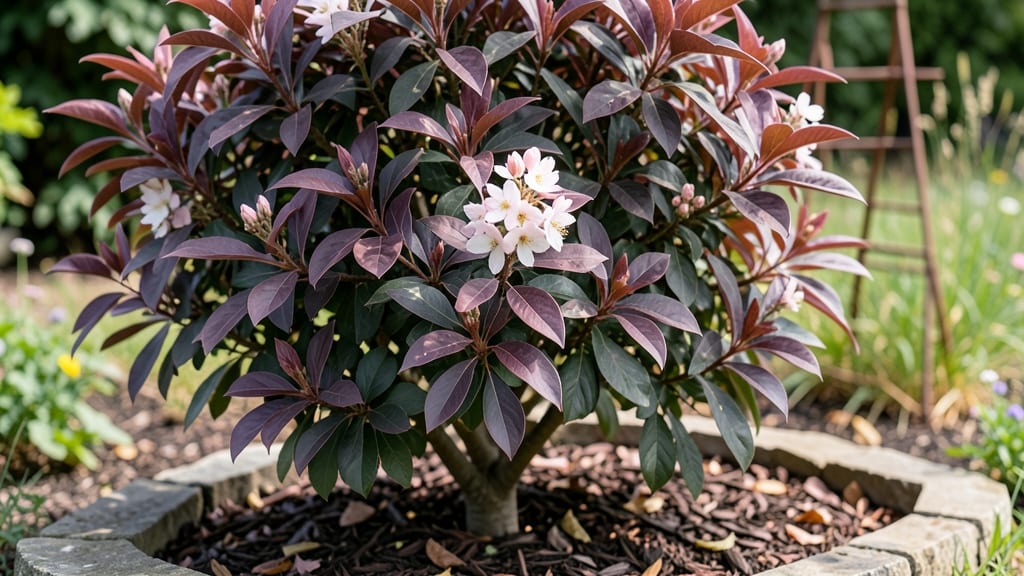
Purple leaf plum flowers bring drama to any garden with their shockingly lush purple foliage and delicate spring blossoms—no deadheading required. 🌿 I planted mine five years ago, and it’s still the star of my front yard, thriving with almost no fuss once established.
The key is getting the soil and sunlight right from the start, because these trees reward patience with vibrant color that lasts from spring through fall.
You’ll need full sun (at least 6 hours daily) and well-draining soil—sandy loam works best, but they adapt to clay if amended with compost. The flowers arrive in early spring, followed by small, edible plums that birds adore (though they’re tart and not great for eating).
Pruning is minimal: just remove dead wood in late winter, and you’re done. No shearing, no constant deadheading—just pure, effortless beauty.
What you’ll love most is how neighbor-jealousy levels of color they bring without high-maintenance care. The foliage turns deeper purple in cooler weather, and the spring flowers attract pollinators like crazy.
Even in winter, the branches hold interest, especially when backlit by sunlight. The only challenge? Watch for scale insects—spray with horticultural oil if you spot sticky residue on leaves.
Perfect for small yards, urban landscapes, or as a focal point in mixed borders. Once planted, they’re practically foolproof—just give them space (they grow 15-20 feet tall), and they’ll reward you with color that outshines most annuals.
Ready to add one to your garden? Let’s get started with the essentials.
📚 In This Guide
- What you need
- Instructions
- Tips and common mistakes
- Wrapping up and next steps
What you need
- ● Purple leaf plum tree: 1–3 Prunus cerasifera (dwarf or standard varieties like 'New Dawn' or 'Atropurpurea')
- ● Choose bare-root (fall/winter) or container-grown (spring/fall) plants
- ● Well-draining soil: Mix 1 part native soil + 1 part compost + 1 part coarse sand/perlite (for sandy or clay-heavy areas)
- ● Fertilizer: Slow-release 10-10-10 or balanced organic fertilizer (e.g., fish emulsion or compost tea)
- ● Mulch: 2–3 inches of wood chips or pine straw (keep 6" away from trunk)
- ● Basic gardening tools: Trowel or spade
- ● Pruners (sterilized)
- ● Garden gloves
- ● Watering can or hose with soaker nozzle
- ○ Optional (but helpful): Soil pH test kit (ideal range: 6.0–7.0)
- ● Epsom salt (for magnesium boost, if leaves yellow)
- ● Tree stakes + ties (for young saplings in windy areas)
- ● 6+ hours of sunlight (full sun for best color)
- ● Protection from strong winds (young trees are fragile!)
- ● Cold-hardy varieties if you’re in Zone 4 or below (e.g., 'Krauter Vesuvius').
How to keep purple leaf plum trees blooming beautifully all year
Here’s the simple care routine that keeps these striking trees flowering nonstop—no deadheading required.
🌿 Step 1: Plant in Full Sun with Well-Draining Soil
Purple leaf plums thrive in 6+ hours of direct sun daily. Choose a spot where they’ll get morning sunlight and afternoon shade if your climate runs hot—too much midday sun can scorch the foliage. The soil should drain quickly but hold moisture; amending heavy clay with 1-2 inches of compost helps prevent root rot.
Dig a hole twice as wide as the root ball but no deeper. Gently loosen the roots if they’re circling the pot, then place the tree so the top of the root ball sits 1 inch above ground level. This prevents water from pooling around the trunk, which can cause disease. Backfill with native soil and water deeply to settle everything.
☀️ Step 2: Water Deeply but Infrequently
Once established, purple leaf plums hate soggy roots. Water once a week during dry spells, giving each tree 1-2 gallons until water runs out the drainage holes. Check moisture by sticking your finger 2 inches into the soil—if it feels dry, it’s time to water. Overwatering stresses the tree and reduces flowering.
Mulch around the base with 2-3 inches of organic mulch, keeping it 6 inches away from the trunk. This conserves moisture, regulates soil temperature, and prevents weeds—just refresh it annually. Avoid piling mulch against the trunk, as it can trap moisture and invite rot.
✂️ Step 3: Prune Strategically in Late Winter
The secret to year-round blooms? Pruning at the right time. Wait until late winter or early spring, just before buds swell, to trim. Remove any dead, crossing, or weak branches first, cutting back to the nearest outward-facing bud. This opens the canopy for better airflow and light penetration.
For shape, thin out 10-20% of the oldest branches to encourage new growth. Never remove more than a third of the tree’s branches at once—this shocks the plant and reduces flowering. After pruning, apply a balanced fertilizer to support the tree’s recovery and blooming energy.
🌱 Step 4: Feed Lightly for Continuous Blooms
Purple leaf plums don’t need heavy feeding, but a light application of 10-10-10 fertilizer in early spring keeps them flowering strongly. Sprinkle ½ cup around the drip line (the edge of the tree’s branches) and water it in thoroughly. Avoid fertilizing in summer, as new growth won’t harden off before winter.
If your tree looks tired, a slow-release granular fertilizer in late fall provides nutrients without encouraging late-season growth that won’t survive cold snaps. Always water after fertilizing to prevent root burn. Healthy roots mean vibrant foliage and abundant blooms.
Tips & tricks for perfect purple leaf plum care
Here's what nobody tells you about keeping these stunning trees blooming all year—no deadheading required.
Sunlight Strategy: The 6+ hours of direct sun mentioned in Step 1 is non-negotiable for vibrant purple foliage and continuous blooms. If your yard gets intense afternoon sun, I've seen dramatic color fading when trees receive more than 4 hours of direct midday rays. Try planting near a northern-facing wall or use shade cloth during peak heat hours to protect those gorgeous leaves.
Root Health Secret: That 1-inch elevation above ground level in Step 1 isn't just about disease prevention—it's about airflow. Compacted soil around the trunk traps moisture and creates the perfect environment for fungal issues. I've had trees with perfect care fail because the soil settled too much after planting, burying that critical 1-inch gap. Use a small mound of soil to maintain this elevation after the first watering.
Pruning Precision: When thinning those 10-20% of oldest branches in Step 3, focus on branches that are thinner than a pencil. These are the ones stealing energy from your blooms. I learned this the hard way after removing too many thick branches and watching my tree struggle to recover. Always make cuts just above an outward-facing bud—this ensures new growth will face outward, maintaining the tree's natural shape.
Fertilizer Timing: The early spring application of 10-10-10 fertilizer in Step 4 is perfect, but here's the pro move: split that ½ cup into two applications. Give half when buds first appear in early spring, then the second half after the first flush of flowers fades. This two-step approach prevents nutrient overload while keeping blooms coming all season. For fall applications, use half the recommended dose—your tree's already storing nutrients for next year's growth.
Pro Tips for Purple Leaf Plum Flowers
- Here's what nobody tells you about keeping these stunning trees blooming all year—no deadheading required.
- Sunlight Strategy: The 6+ hours of direct sun mentioned in Step 1 is non-negotiable for vibrant purple foliage and continuous blooms.
- Root Health Secret: That 1-inch elevation above ground level in Step 1 isn't just about disease prevention—it's about airflow.
Frequently asked questions
Got questions about keeping your purple leaf plum flowers blooming beautifully with minimal fuss? You’re in the right place! Here are answers to the most common queries—because even low-maintenance plants deserve a little TLC.
Do purple leaf plum flowers need deadheading?
Nope! Unlike many flowering shrubs, purple leaf plums (Prunus cerasifera) don’t require deadheading. Their flowers are part of their charm, and they naturally drop petals without needing pruning. Just enjoy the show—no drama, no stress!
When do purple leaf plum flowers bloom?
These stars typically burst into color in early to mid-spring, often February through April, depending on your climate zone. Some varieties may even rebloom lightly in fall. Pro tip: Plant them where they’ll get full sun for the best flowering display!
Can I prune purple leaf plums after they bloom?
Yes! Prune right after flowering (late spring) to shape the shrub and encourage dense growth. Avoid heavy pruning in winter, as it can stress the plant. Use clean, sharp shears to make cuts just above a bud or branch collar for a polished look.
Do purple leaf plums lose their purple leaves?
Not usually! Their foliage stays vibrant purple (or burgundy) year-round in mild climates. In colder zones, leaves may turn greenish in winter but return to their stunning hue in spring. Bonus: They’re evergreen in warmer regions!
What if my purple leaf plum isn’t flowering?
Check these fixes:
- Sunlight: Ensure it gets 6+ hours of sun daily.
- Age: Young plants (under 3 years) may not bloom yet.
- Soil: Amend heavy clay or poor soil with compost for better nutrition.
- Pruning: Avoid over-pruning—leave some old wood for flower buds.
Wrapping up and next steps
Purple leaf plum flowers are a low-maintenance superstar for gardeners craving year-round beauty—no deadheading required! 🌸 Their striking foliage and seasonal blooms add drama with minimal effort, making them perfect for beginners and pros alike.
Whether you're drawn to their vibrant purple hues or their resilient nature, these trees are a game-changer for curb appeal and eco-friendly landscapes.
Ready to transform your space? Start small—plant one purple leaf plum tree this season and watch it become the centerpiece of your garden. For extra flair, pair it with complementary plants like boxwoods or ornamental grasses to amplify the visual impact. Happy gardening! 🌿