Flowers
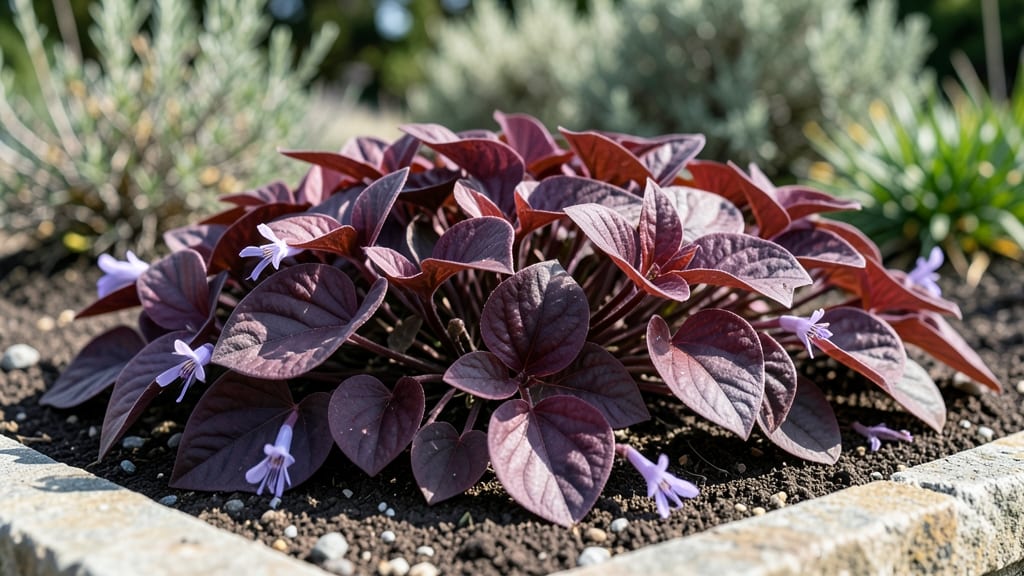
Growing purple heart flower (Setcreasea purpurea) turns your Pacific Northwest garden into a year-round splash of burgundy, even when other plants rest. 🌿 I first spotted this trailing beauty at a Portland nursery and knew it was perfect for my shady balcony—it thrives where ferns struggle.
The secret lies in its adaptability: this plant handles shade, drought, and even indoor pots with ease, making it the ultimate low-maintenance stunner.
The soil doesn’t need to be fancy—just well-draining and slightly acidic, which mimics its native habitat in Central America. A mix of potting soil and perlite works perfectly, and you’ll only need to water when the top inch feels dry.
Unlike finicky annuals, purple heart keeps its deep purple leaves all year, even through our rainy winters, as long as you keep it out of standing water. The trailing stems can spread 3-4 feet, so plan for containers or hanging baskets if you want to control its spread.
You’ll love how this plant fills gaps instantly—whether spilling over a pot, cascading from a shelf, or softening a shady corner. The leaves stay vibrant even in low light, and it rarely attracts pests, meaning fewer headaches than most tropicals.
Best of all, it’s a perennial in zones 9-11, so with the right care, it’ll reward you for years. For Pacific Northwest gardeners, this is the plant that finally delivers year-round color without the fuss.
Propagation is a breeze: just snip off a stem, root it in water or soil, and watch it multiply. I’ve given away cuttings to neighbors who’ve never gardened before, and they always ask for more.
Whether you’re a seasoned gardener or just starting, purple heart is the plant that proves you don’t need a green thumb to grow something stunning.
📚 In This Guide
- What you need
- Instructions
- Tips and common mistakes
- Wrapping up and next steps
What you need
- ● Pro tip: 💡 If starting from cuttings, snip healthy stems (4–6 inches long) and let them callus for 1–2 days before planting to prevent rot!
Step-by-Step guide to growing purple heart flowers in the Pacific Northwest
Here’s how to cultivate vibrant purple heart flowers that thrive year-round in PNW’s mild, damp climate.
🌱 Step 1: Choose the Right Location and Prepare the Soil
Purple heart (Setcreasea pallida) loves warmth and sun, but in the Pacific Northwest’s cooler summers, it still performs beautifully with the right setup. Pick a south-facing spot that gets at least 4-6 hours of direct sunlight daily—even morning sun helps. If your garden is shady, a raised bed or container near a sunny wall works well.
This plant tolerates poor soil but grows best in well-draining, sandy loam with a slightly acidic to neutral pH (6.1-7.0). Amend heavy clay soil with 2-3 inches of coarse sand or perlite to prevent root rot. I like to mix in a handful of compost for nutrients, but don’t overdo it—Purple heart prefers lean conditions. Test your soil’s drainage by digging a 6-inch hole, filling it with water, and checking if it drains within 30 minutes. If not, add more sand.
☀️ Step 2: Plant Purple Heart in Spring or Early Summer
In the Pacific Northwest, spring is ideal—plant after the last frost when soil warms to at least 60°F. If using bare-root plants, soak the roots in lukewarm water for 10-15 minutes before planting to revive them. Dig a hole twice as wide as the root ball but only as deep as the top of the roots—burying too deep suffocates the plant.
Space plants 12-18 inches apart to allow airflow and prevent fungal issues. Gently firm the soil around the roots, then water deeply to settle everything. Avoid compacting the soil too much—purple heart roots need room to breathe. If planting in containers, use a well-draining mix (equal parts potting soil, perlite, and sand) and ensure the pot has drainage holes. A 5-gallon container works for one plant.
💧 Step 3: Water and Maintain for Year-Round Color
Purple heart is drought-tolerant once established, but young plants need consistent moisture for the first 4-6 weeks. Water deeply once a week, soaking the soil 6 inches down—check by sticking your finger in. If the soil feels dry at that depth, it’s time to water. In the PNW’s rainy winters, reduce watering to every 2-3 weeks unless the soil is bone-dry.
This plant thrives on neglect but rewards light fertilization in spring. Mix ½ teaspoon of 10-10-10 fertilizer into the top 2 inches of soil in early April, then again in late June. Avoid heavy feeding—purple heart grows best when slightly hungry. Prune leggy stems in late summer to encourage bushier growth, and remove spent flowers to prolong blooms. Watch for aphids on new growth; spray with neem oil if you see sticky residue.
✂️ Step 4: Protect in Winter and Prune for Spring Growth
The Pacific Northwest’s mild winters let purple heart stay green year-round, but hard frosts (below 25°F) can damage leaves. Mulch with 2-3 inches of straw or shredded bark in late fall to insulate roots. In spring, cut back dead or brown stems to 2-3 inches above the ground—this stimulates fresh, vibrant growth. Don’t rush pruning; wait until new shoots appear (usually by late February or early March).
Here’s the thing—purple heart spreads slowly but steadily. If it outgrows its spot, dig up clumps in early spring and divide them, replanting sections or sharing with friends. The roots are tough, so handle them gently to avoid breakage. After dividing, water deeply and keep the soil moist for 2 weeks to help the plant recover. You’ll see fresh, lush growth within 3-4 weeks—that’s your reward for patience!
Tips & tricks for perfect purple heart flower growth
These game-changing tricks will help your purple heart flowers thrive year-round in the Pacific Northwest's unique climate.
Sunlight Strategy: While purple heart loves sun, the PNW's cooler summers mean morning sun is your secret weapon. If you're planting in less-than-ideal spots, consider using reflective surfaces like white gravel or light-colored mulch near the base to bounce extra sunlight onto the leaves. This can make a noticeable difference in leaf color and plant vigor, especially in cloudy months.
Soil Test Tip: Don't guess about your soil's drainage! The 30-minute water test mentioned in Step 1 is crucial—if water drains slower than that, add more sand or perlite in layers rather than all at once. I've seen gardeners add too much sand at once, which can actually create air pockets that prevent proper root establishment. Build up the drainage gradually over time as you amend the soil.
Root Revival Hack: When soaking bare-root plants for 10-15 minutes before planting (Step 2), add a splash of seaweed extract to the water. This gives the roots an instant boost of nutrients and helps them recover from transplant shock. The roots will look plump and ready to grow when you're done—this is your visual cue that they're happy and ready for their new home.
Winter Protection Upgrade: For that extra layer of frost protection below 25°F, consider using burlap sacks instead of just mulch. Drape them loosely over the plants in late fall, securing with stakes. This creates a microclimate that can raise temperatures by several degrees. In spring, remove the burlap as soon as new shoots appear—usually by late February—to prevent overheating during warm days.
Pro Tips for Purple Heart Flower
- These game-changing tricks will help your purple heart flowers thrive year-round in the Pacific Northwest's unique cl...
- Sunlight Strategy: While purple heart loves sun, the PNW's cooler summers mean morning sun is your secret weapon. If ...
- Soil Test Tip: Don't guess about your soil's drainage! The 30-minute water test mentioned in Step 1 is crucial—if wat...
Frequently asked questions
How fast does a purple heart flower grow?
The purple heart flower is a fast grower! With ideal conditions (bright, indirect light and well-draining soil), it can spread 6–12 inches per year. In warmer months, you might even see new growth in just a few weeks. Prune regularly to control its spread and encourage bushier foliage.
Can purple heart flowers survive winter in the Pacific Northwest?
While purple heart is tropical, it can tolerate brief cold snaps down to 25°F (-4°C). In PNW winters, bring potted plants indoors before hard frosts or mulch heavily if planted in the ground. If leaves blacken, don’t panic—new growth often returns in spring once temperatures warm.
Why are my purple heart flower leaves turning yellow?
Yellowing leaves usually signal overwatering or poor drainage. Let the top 1–2 inches of soil dry out between waterings, and ensure pots have drainage holes. Purple heart also needs bright light—if leaves fade to green, it’s getting too much shade. Rotate the plant occasionally for even growth!
What’s the best alternative if I want a low-maintenance purple plant?
If purple heart feels too high-maintenance, try these PNW-friendly alternatives:
- Heuchera (Coral Bells) – Hardy, drought-tolerant, and comes in deep purples.
- Lamium (Dead Nettle) – Cold-hardy ground cover with silvery-purple foliage.
- Salvia ‘May Night’ – A perennial with striking purple blooms that thrives in PNW summers.
How do I propagate purple heart flowers from cuttings?
Propagating is easy! Snip a 4–6 inch stem, remove lower leaves, and place it in water or moist perlite. Roots form in 2–3 weeks. Transplant once rooted, and your new plant will be ready to grow in 3–4 months. Pro tip: Use a rooting hormone for faster results!
Wrapping up and next steps
The purple heart flower isn’t just a stunning addition to your Pacific Northwest garden—it’s a resilient, low-maintenance plant that rewards patience with vibrant blooms year-round. From choosing the right soil to mastering pruning techniques, you now have all the tools to cultivate this beauty with confidence. 🌸
Ready to transform your outdoor space? Start by selecting a sunny spot in your garden and gather your supplies—then, roll up your sleeves and enjoy the journey. Your purple heart flowers will thank you with bursts of color that brighten every season!