Container Gardens
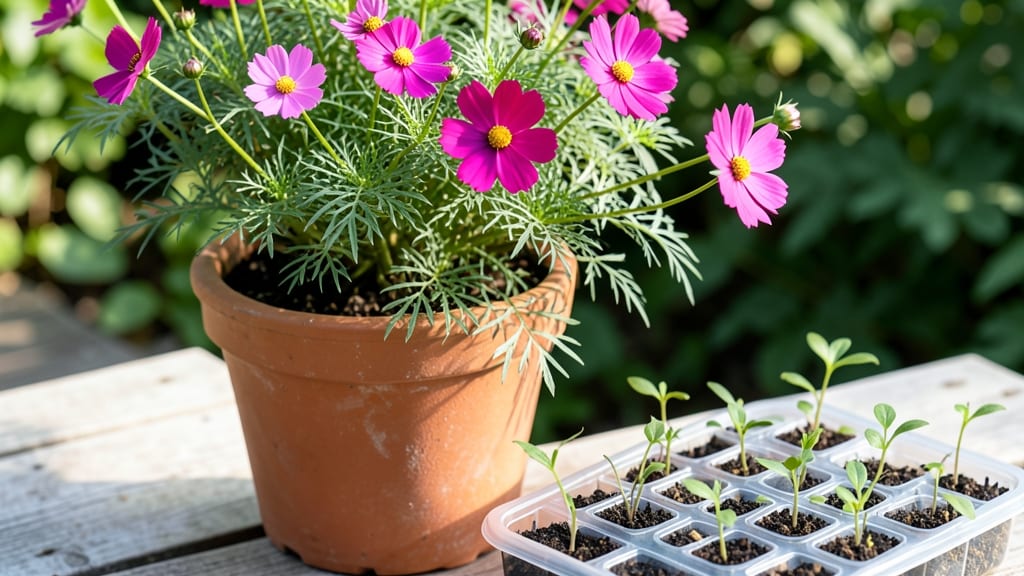
Planting wildflowers in containers is the easiest way to bring that effortless meadow charm to patios, balconies, and even windowsills—no yard needed. I started with a single 12-inch pot on my fire escape, and within weeks, it became a buzzing ecosystem of color.
The key is choosing the right mix of self-seeding annuals and perennial varieties that thrive in tight spaces, like cosmos, sweet alyssum, and black-eyed Susans.
You’ll need well-draining soil, containers with drainage holes, and a sunny spot for at least 4-6 hours daily. I use fabric grow bags for lightweight options and terracotta pots for rustic appeal—both work beautifully.
The soil should be a mix of potting soil and perlite to prevent compaction, and a slow-release fertilizer at planting time ensures vibrant blooms all season.
By mid-summer, your container will be a riot of color, attracting bees and butterflies while requiring almost no maintenance. Just deadhead spent blooms to encourage new growth, and water when the top inch of soil feels dry.
The best part? These containers stay productive for years with minimal effort—no weeding, no replanting, just pure, low-maintenance beauty.
Works for urban balconies, rural porches, or even indoor sunrooms. Once you try it, you’ll wonder why you ever planted wildflowers in the ground. Let’s get those containers blooming!
📚 In This Guide
- What you need
- Instructions
- Tips and common mistakes
- Wrapping up and next steps
What you need
- ● Containers: 1–3 well-draining containers (depth: 6–12 inches; width: 12+ inches for larger blooms). Options: Terracotta pots, hanging baskets, window boxes, or fabric grow bags.
- ● Wildflower Seeds: 1–2 packets of container-friendly wildflower mix (e.g., cosmos, zinnias, or sunflowers; check for "self-seeding" varieties for easy regrowth). Quantity: ~1 tsp per 6-inch pot (or follow seed packet instructions).
- ○ Growing Medium: 1 bag of lightweight potting mix (avoid garden soil—it compacts!). Optional: Add perlite or sand (10–20%) for extra drainage.
- ○ Tools: 1 small hand trowel or spoon. 1 spray bottle (for watering seeds). 1 pair of gardening gloves (optional but handy!).
Step-by-step guide for planting wildflowers in containers
Here's how to transform small spaces into vibrant wildflower displays that thrive year-round.
Select and Prepare Containers for Optimal Drainage
Choose containers with drainage holes—wildflowers despise soggy roots. I prefer terracotta pots or window boxes because they breathe well and prevent moisture buildup. If your containers lack holes, drill them yourself using a ¼-inch bit. Line the bottom with a 1-inch layer of gravel or coarse sand to create a drainage reservoir that prevents compaction.
Wildflowers grow best in lightweight, well-draining soil. Mix equal parts potting mix and perlite to create an airy medium that mimics their natural habitat. Avoid garden soil—it compacts in containers and suffocates delicate wildflower roots. Fill containers to 1 inch below the rim, leaving room for watering. Tap the sides gently to settle the mix without compacting it.
Choose the Right Wildflower Mix for Containers
Not all wildflower blends thrive in confined spaces. Select a container-specific mix labeled for small spaces or pollinator-friendly varieties like cosmos, zinnias, or black-eyed Susans. These tolerate root restriction better than tall grasses or deep-rooted species. Avoid blends with invasive species—check seed packets for "non-aggressive" labels.
Sow seeds ¼ inch deep—wildflowers need light to germinate, so burying them too deeply delays sprouting. Space seeds ½ inch apart in rows, then lightly cover with additional mix. Mist the surface with a spray bottle until evenly moist. Place containers in a warm, sunny spot (65-75°F) and keep soil consistently moist until germination, which typically occurs in 10-20 days.
Provide Light and Water for Healthy Growth
Wildflowers need full sun (6+ hours daily) to bloom prolifically. Place containers on a south-facing patio, balcony, or under grow lights if natural light is limited. If seedlings stretch toward the light (a sign of legginess), move them within 4 inches of the light source to prevent weak stems. Rotate containers weekly so plants grow evenly.
Water deeply every 2-3 days once seedlings emerge, allowing the top 1 inch of soil to dry between waterings. Overwatering causes root rot, while underwatering stresses plants. Use room-temperature water to avoid shocking roots. Fertilize lightly with a balanced, water-soluble fertilizer (10-10-10) every 4-6 weeks—wildflowers prefer lean soil and over-fertilizing encourages leafy growth over blooms.
Maintain and Encourage Continuous Blooms
Deadhead spent blooms by pinching off faded flowers with your fingers or small pruners. This redirects energy to new growth and extends the flowering season. For perennial varieties, trim back one-third of the foliage in early spring to encourage bushier growth. Mulch with ½ inch of shredded bark to retain moisture and suppress weeds.
Wildflowers in containers benefit from seasonal adjustments. In winter, move containers to a sheltered spot or wrap them in burlap to protect roots from freezing. Reduce watering in dormancy but keep soil slightly moist. In spring, refresh the soil surface with 1 inch of fresh potting mix to replenish nutrients. Divide crowded clumps every 2-3 years to maintain vigor.
Tips & tricks for perfect container-grown wildflowers
Transforming small spaces into thriving wildflower gardens requires attention to detail—here’s how to avoid the most common pitfalls while maximizing your blooms.
Container Selection: While terracotta pots are ideal for their breathability, don’t overlook the benefits of fabric grow bags. These lightweight options provide excellent airflow and prevent root circling, which can stifle growth in traditional plastic containers. If repurposing containers without drainage, elevate them on pot feet or a tray filled with pebbles to prevent waterlogging.
Soil Preparation: The equal parts potting mix and perlite blend is crucial, but don’t skip the gentle tapping to settle the soil after filling containers. This step eliminates air pockets that could lead to uneven moisture distribution. For added insurance against compaction, mix in a handful of coconut coir into the soil—it improves water retention without sacrificing drainage.
Light Optimization: When positioning containers for the required 6+ hours of full sun, prioritize morning sunlight exposure. The cooler temperatures during morning hours reduce stress on seedlings, especially in hot climates. If using grow lights, position them 6 inches above the plants and adjust the height as they grow to maintain consistent light intensity.
Seasonal Care: During winter dormancy, reduce watering to every 7-10 days unless you’re in a mild climate. The key is to keep the soil slightly moist—not soggy. For containers in freezing conditions, add an extra layer of insulation by wrapping them in bubble wrap before the burlap, which creates a more effective barrier against temperature fluctuations.
Pro Tips for Planting Wildflowers In Containers
- Transforming small spaces into thriving wildflower gardens requires attention to detail—here’s how to avoid the most ...
- Container Selection: While terracotta pots are ideal for their breathability, don’t overlook the benefits of fabric g...
- Soil Preparation: The equal parts potting mix and perlite blend is crucial, but don’t skip the gentle tapping to sett...
Frequently asked questions
Got questions about growing wildflowers in containers? You’re not alone—here are some of the most common ones, answered for easy, beautiful results!
What’s the best container size for wildflowers?
Most wildflowers thrive in 5–12 inch deep containers with drainage holes. Smaller containers (like window boxes) work for delicate species like Lobelia or Sweet Alyssum, while deeper pots (10+ inches) suit taller varieties like Coneflowers or Black-Eyed Susans. Group 3–5 plants per container for a lush look!
When is the best time to plant wildflowers in containers?
Plant in early spring (after last frost) or late summer (6–8 weeks before first frost) for the best success. Wildflowers are hardy but need time to establish roots. If sowing seeds, start indoors 4–6 weeks before transplanting to avoid bolting (premature flowering).
How often should I water container wildflowers?
Water deeply 2–3 times a week (or daily in extreme heat) until established, then taper to 1–2 times weekly. Containers dry out faster than ground soil—check moisture by sticking your finger 1 inch deep. Drought-tolerant varieties like Blanket Flower need less water once rooted.
Will wildflowers in containers attract bees and butterflies?
Containers packed with native wildflowers (e.g., Milkweed, Goldenrod, or Bee Balm) create mini pollinator hotspots. Place pots near windows or balconies for easy viewing. Avoid pesticides—let the insects do their work!
Can I reuse soil from last year’s wildflower containers?
Not ideal! Wildflower soil depletes nutrients and may harbor pests. Refresh with a 50/50 mix of potting soil and compost, or use a lightweight, well-draining blend. Add a slow-release fertilizer (like 5-10-5) to boost growth. Sterilize containers with a 10% bleach solution if reusing them.
How do I overwinter wildflowers in containers?
Move containers to a protected spot (like a garage or under eaves) before hard frosts. Reduce watering but keep soil slightly moist. Mulch with straw or leaves (1–2 inches) to insulate roots. In spring, trim dead foliage and fertilize lightly. Perennials will bounce back!
Wrapping up and next steps
Planting wildflowers in containers is a joyful, space-friendly way to bring vibrant color and life to any balcony, patio, or windowsill—no green thumb required! 🌸 With the right mix of native seeds, well-draining soil, and a little sunlight, you’ll create a thriving mini ecosystem that supports pollinators and adds charm to your space. Start small, experiment with combinations, and watch your container garden bloom with minimal effort.
Ready to dive in? Pick a container, grab your seeds, and get planting! Once your wildflowers are flourishing, consider expanding with more containers or sharing your newfound passion with friends. Happy gardening! 🌿✨