
Flowers
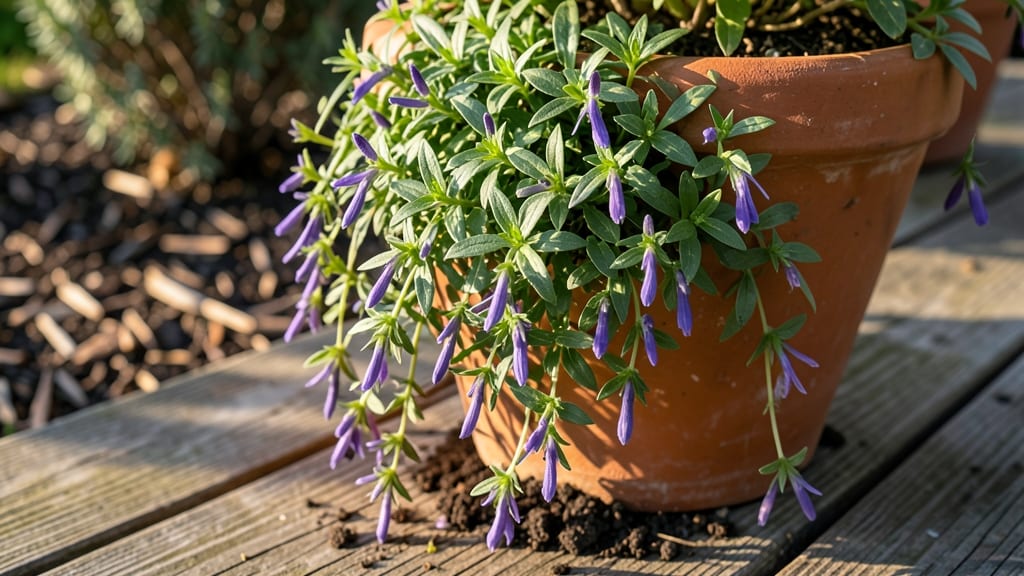
Your garden just got a moody makeover with purple-green flowers—the boldest color combo that stops neighbors in their tracks. 🌿 I fell for this palette after seeing how Heuchera’s deep burgundy leaves paired with Coleus’ neon chartreuse foliage created a jewel-toned jungle that never looked tired.
These plants don’t just survive year-round; they thrive, even in partial shade where other flowers give up.
The magic happens when you mix textures too—velvety Smoke Bush leaves against the crisp edges of Caladium’s arrowhead-shaped foliage. Add a pop of white from variegated hostas or silver-blue from lamb’s ears, and suddenly your garden has depth and drama.
This isn’t just about color; it’s about creating a space that feels like a living painting, where every season brings new shades of purple, green, and everything in between.
By summer’s end, you’ll have a garden that’s impossible to ignore—think velvety foliage backlit by golden afternoon sun, or deep purple leaves catching the morning dew. The best part?
These plants play well with others, so you can layer in perennials like astilbe or annuals like impatiens without losing that moody, sophisticated vibe. Let’s make your yard the talk of the neighborhood.
Whether you’re working with a shady corner, a sunny border, or a container garden, this palette adapts. Start small with a single Heuchera as a focal point, then expand to create swaths of color that feel intentional.
The key is confidence—these plants don’t need rules, just room to shine. Ready to transform your space?
📚 In This Guide
- What you need
- Instructions
- Tips and common mistakes
- Wrapping up and next steps
What you need
- ● Flower Seeds or Plants: Purple flowers: Salvia 'May Night' (6 plants), Lantana 'Bandana Cherry' (4 plants), or Cleome 'Spotted' (3 plants)
- ● Green foliage: Coleus 'W J Innovation' (5 plants), Heuchera 'Plum Pudding' (4 plants), or Sweet Potato Vine (2 trailing plants)
- ● Soil: High-quality potting mix (5 cubic feet) or garden soil amended with compost (10 gallons)
- ● Containers or Garden Bed: Planters: 5–10 gallon pots (6–8 units) with drainage holes
- ● OR a dedicated garden bed (4' x 4' minimum, well-draining)
- ● Fertilizer: Slow-release balanced fertilizer (10-10-10, 1 lb) or organic fish emulsion (1 quart)
- ● Watering Tools: Watering can (2–3 gallons) OR hose with adjustable nozzle
- ● Mulch (2–3 bags of shredded bark or pine straw)
- ● Pruning Shears: Bypass pruners (for shaping and maintenance)
- ● Decorative Elements: Garden stakes, pebbles, or solar-powered lights for ambiance
- ● Soil Amendments: Perlite (for drainage) or worm castings (for nutrients)
- ● Pest Control: Neem oil spray or companion plants (e.g., marigolds)
- ● Seasonal Care: Frost cloth (for tender plants in cooler climates)
How to design a striking purple and green flower garden
Here's how I create a bold, year-round display with just a few key plants.
🌱 Step 1: Choose the Right Purple-Blooming Plants
Start with purple flowers that thrive in your climate. I always include cleome for its dramatic spires, salvia for long bloom seasons, and purple coneflowers for their hardy nature. These plants offer different heights and textures, creating visual interest. Look for varieties that bloom in early, mid, and late season to keep color going all year.
For evergreen foliage, add heuchera with its deep purple leaves or Japanese painted fern for lush green contrast. These plants provide structure even when flowers aren't blooming. Place taller plants at the back of your garden bed and shorter ones toward the front for balanced layers.
🌿 Step 2: Select Green Foliage for Contrast
Mix in plants with chartreuse, silver, or deep green leaves to make the purple flowers pop. Hostas with their broad leaves add texture, while sweet woodruff creates a delicate ground cover. I also include variegated coleus for vibrant foliage that changes with the seasons.
For a more structured look, add boxwood or dwarf yew as foundation plants. These evergreens provide year-round structure while letting your purple flowers take center stage. Arrange them so they frame your flowering plants, creating natural borders that guide the eye through your garden.
☀️ Step 3: Plan for Year-Round Interest
Layer plants with different bloom times to ensure color all season. Start with early spring bloomers like bleeding heart or purple crocus, followed by summer favorites like lavender or purple verbena, and finish with fall bloomers like Japanese anemone or purple asters. This sequence keeps your garden vibrant from spring through frost.
Don’t forget winter interest with plants like purple-leaved wintercreeper or ornamental grasses that hold their color in cold months. Add a few evergreen shrubs like purple smoke bush to maintain structure when other plants are dormant. Place these strategically so they fill gaps naturally as the seasons change.
💧 Step 4: Arrange for Maximum Impact
Group plants with similar water needs together to simplify care. Most purple flowers prefer well-draining soil and moderate moisture, while green foliage plants like hostas and ferns often thrive in shadier, moister conditions. Use mulch to retain moisture and suppress weeds, keeping your garden looking neat.
Create focal points with clusters of three purple flowers surrounded by green foliage. This odd-number grouping draws the eye naturally. Add pathways or stepping stones to weave through your garden, leading visitors through the bold color contrasts. Step back often to check your progress—small adjustments make a big difference in the final look.
Tips & tricks for perfect purple and green flower garden design
Creating a vibrant purple and green garden isn't just about planting—it's about strategic placement and plant selection that makes colors truly pop.
Layer Heights Strategically: In Step 1, when placing your cleome and salvia, remember taller plants like cleome should go at the back to prevent them from overshadowing shorter varieties. I've learned this the hard way—once I planted my cleome too close to the front, and it completely blocked my purple coneflowers from view. The key is to create a natural staircase effect, with each tier slightly shorter than the last.
Color Contrast Secrets: For maximum impact in Step 2, pair your purple flowers with foliage that has distinct green tones. Variegated coleus with yellow or white stripes creates striking contrasts against deep purple blooms. I always group three purple flowers together with one variegated coleus plant in the center—this odd-number grouping draws the eye naturally and creates visual interest.
Seasonal Transition Planning: When arranging your year-round display in Step 3, think about how each plant will look as seasons change. The Japanese painted fern from Step 1 will turn a beautiful rust color in fall, while your purple smoke bush maintains its structure through winter. I like to sketch a simple layout showing how each plant will look in different seasons before planting.
Soil Prep Shortcut: Before planting any of your foundation plants in Step 4, mix compost into the soil for better drainage and moisture retention. This is especially important for hostas and ferns which prefer moister conditions. I use a simple 50/50 mix of garden soil and compost—it makes all the difference in keeping plants healthy and vibrant throughout the growing season.
Pro Tips for Purple Green Flowers
- Creating a vibrant purple and green garden isn't just about planting—it's about strategic placement and plant selection that makes colors truly pop.
- Layer Heights Strategically: In Step 1, when placing your cleome and salvia, remember taller plants like cleome should go at the back to prevent them from overshadowing shorter varieties.
- Color Contrast Secrets: For maximum impact in Step 2, pair your purple flowers with foliage that has distinct green tones.
Frequently asked questions
Got questions about creating a stunning purple and green flower garden? You’re not alone! Here are some of the most common queries—and their answers—to help you plan with confidence.
What are the easiest purple and green flowers to grow together?
Start with cleome (spider flower) for its vibrant purple blooms against lush green foliage, or pair coleus (with its striking purple leaves) with impatiens for a pop of purple flowers. Salvia and heuchera (coral bells) also thrive together, offering bold contrasts with minimal fuss.
When is the best time to plant purple and green flowers for year-round color?
For spring blooms, plant tulips or daffodils in fall. For summer, try cleome or petunias after the last frost. Heuchera and hostas (green foliage) are perennial and can be planted in early spring or fall for year-round interest.
How do I keep my purple flowers from fading in bright sunlight?
Some purple flowers (like lavender) thrive in full sun, but others (e.g., cleome) may fade faster. Solution: Provide partial shade with dappled sunlight or use mulch to retain moisture. Water in the early morning to prevent wilting.
Can I mix purple flowers with green foliage plants instead of flowers?
Swap flowers for ornamental grasses (like maiden grass), hostas, or heuchera for texture. Pair purple sweet potatoes (vine) with green ferns for a low-maintenance contrast. Just ensure they share similar sunlight and water needs!
Why are my purple flowers turning brown or yellow?
Brown edges? Overwatering or salt buildup could be the culprit. Yellow leaves? Check for underwatering or nutrient deficiency. Troubleshoot:
- Adjust watering (aim for 1 inch per week).
- Fertilize lightly with a balanced bloom booster.
- Inspect for pests (aphids, spider mites) and treat with neem oil if needed.
Wrapping up and next steps
Creating a garden bursting with purple and green flowers is a rewarding way to add vibrant contrast and year-round charm to your outdoor space. Whether you’re a seasoned gardener or just starting, these bold blooms bring life, texture, and personality to any landscape.
Let your creativity flourish—experiment with colors, heights, and textures to craft a space that reflects your unique style! 🌸
Ready to take the next step? Start by sketching your dream garden layout, then gather your plants and tools. Before you know it, you’ll be enjoying a stunning, low-maintenance oasis that turns heads and lifts spirits. Happy gardening! 🌿