
Shrubs
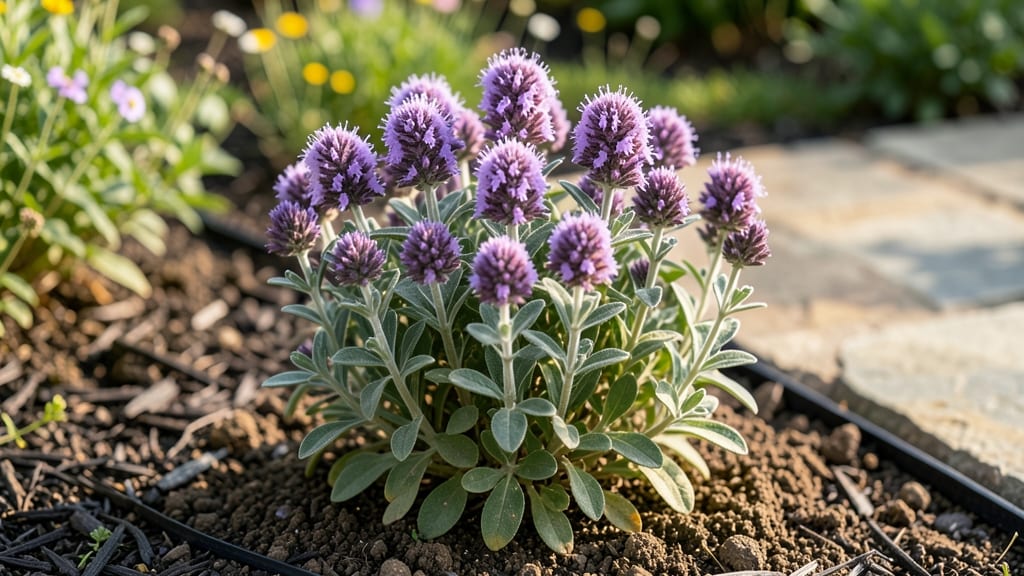
Purple flowering oregano transforms any Pacific Northwest garden with its fragrant foliage and striking lavender blooms—it’s the one plant that works as both a culinary herb and a showstopper. 🌿 I’ve grown it for years, and it’s become my go-to for pollinators, ground cover, and that unmistakable oregano scent that lingers on your hands.
The key to success? Mimicking its Mediterranean roots with well-draining soil and plenty of sun, even in our damp climate.
This hardy perennial thrives in partial to full sun, tolerating our cloudy days better than most herbs. Plant it in sandy or gravelly soil—it hates soggy roots—and water just enough to keep the soil lightly moist.
Once established, it’s nearly drought-proof, making it a low-maintenance star for borders, rock gardens, or even container pots on your patio. The purple flowers attract bees and butterflies all summer long, while the leaves add a subtle anise flavor to dishes.
Prune it back after flowering to encourage bushier growth, and divide clumps every few years to keep it vigorous. Deer and rabbits usually leave it alone, though slugs might nibble—just set out a few beer traps if needed.
By late summer, you’ll have a lush, fragrant mound that doubles as a pollinator magnet and a kitchen staple. The best part? It comes back year after year, stronger than ever.
Pair it with lavender, thyme, or sedum for a drought-tolerant, purple-themed garden bed. Or tuck it near seating areas where you can brush past the leaves and enjoy that classic oregano aroma. Once you plant it, you’ll wonder how you ever grew anything else in your garden.
📚 In This Guide
- What you need
- Instructions
- Tips and common mistakes
- Wrapping up and next steps
What you need
- ● Purple flowering oregano seeds or nursery plants: 2–3 plants (for a small garden bed) or 5–10 plants (for a larger patch)
- ● Choose disease-resistant varieties if possible (ask your local nursery!)
- ● Well-draining potting mix or garden soil: 5–10 gallons (for containers) or amend garden beds with compost
- ○ Optional: Add perlite or sand (1 part per 4 parts soil) for extra drainage
- ● Containers (if not planting directly in the ground): 5–10-inch diameter pots (1 plant per container) or a raised bed (12" deep)
- ● Must have: Drainage holes + saucers to catch excess water
- ● Organic fertilizer: Balanced 10-10-10 or slow-release granular (follow package rates)
- ● Pro tip: Mix in compost (1 cup per plant) at planting time 💡
- ● Garden trowel or small shovel
- ● Pruning shears (for shaping and harvesting)
- ● Watering can or hose with a gentle spray nozzle
- ○ Optional but helpful: Mulch (straw or shredded bark) to retain moisture
- ● Garden gloves (to protect your hands from prickly stems)
- ● pH test kit (ideal soil pH: 6.0–8.0 for oregano)
- ● Full sun exposure (6+ hours daily)
- ● Well-draining soil (oregano hates soggy roots!)
- ● Patience! Purple flowering oregano thrives as a perennial but may take 1–2 years to fully establish 🌱
Step-by-step guide for planting and cultivating purple flowering oregano
This hardy perennial loves the Pacific Northwest's mild climate and rewards you with fragrant foliage and stunning purple blooms.
🌱 Step 1: Choose the Perfect Planting Location
Purple flowering oregano thrives in full sun—at least 6-8 hours daily. In the Pacific Northwest's cooler summers, it can tolerate morning sun with afternoon shade, but you'll get the most vibrant blooms if it gets full sun. I always check the spot's sunlight patterns for a full week before planting to ensure it meets these needs.
Well-draining soil is critical—this Mediterranean native hates soggy roots. If your garden soil feels heavy or stays wet after rain, amend it with 2-3 inches of compost mixed into the top 6 inches of soil. The ideal planting spot should also have 1-2 feet of clearance around it to prevent competition from surrounding plants.
🌿 Step 2: Plant at the Right Time and Depth
Spring is the best time to plant purple flowering oregano in the Pacific Northwest, after the last frost when soil temperatures reach at least 60°F. Dig a hole twice as wide as the root ball but only as deep as the container it came in—planting too deep suffocates the roots. Gently remove the plant from its container and loosen any circling roots with your fingers.
Place the plant in the hole, then backfill with soil while pressing lightly around the edges to eliminate air pockets. Water deeply right after planting to settle the soil and encourage root contact. You'll know it's properly planted when the top of the root ball sits just below soil level—never bury the crown.
☀️ Step 3: Water and Maintain for Vibrant Growth
Water newly planted oregano once a week during the first month, providing 1 inch of water each time. After establishment, it's drought-tolerant once rooted, but you'll get the most fragrant foliage if you maintain moderate moisture. The Pacific Northwest's frequent rain means you'll likely need to adjust your watering schedule—check soil moisture by sticking your finger 1 inch deep; water only when it feels dry.
Deadhead spent blooms regularly to encourage more flowers and prevent self-seeding. I always trim back about ⅓ of the plant after the first flush of blooms to keep it bushy and promote new growth. Avoid heavy pruning in late summer, as this can reduce winter hardiness in colder Pacific Northwest winters.
✂️ Step 4: Protect and Prune for Winter Hardiness
In fall, cut back the plant by about half its height to reduce winter damage from heavy rains. Purple flowering oregano is hardy to USDA Zone 5, but in the Pacific Northwest's milder winters, it often survives unprotected. I always add a 2-inch layer of mulch around the base to insulate roots and retain moisture during winter months.
In early spring, remove any dead or damaged stems before new growth begins. This encourages fresh, vibrant foliage and prevents disease. The plant will reward you with fresh purple blooms by mid-summer if given proper care—watch for the first signs of new growth in early spring as your cue to start regular maintenance.
Tips & tricks for perfect purple flowering oregano
Here's what I've learned after growing purple flowering oregano for years in the Pacific Northwest—these tricks will help you avoid common pitfalls and get the most vibrant plants.
Sunlight Strategy: While the instructions mention 6-8 hours of sun, I've found that in our cooler summers, positioning your plant where it gets morning sun and afternoon shade actually extends its growing season. Watch for the first signs of wilting in hot afternoons—if that happens, move it to a slightly shadier spot for a few hours. The key is balancing sun exposure with heat protection, especially during our famously unpredictable PNW summers.
Soil Prep Secret: Before amending your soil with the recommended 2-3 inches of compost, I always do a quick soil test by digging a small hole and filling it with water. If it drains within 10 minutes, your soil is already well-draining. If not, you'll definitely need that compost layer. For extra insurance, mix in a handful of perlite or coarse sand to improve drainage—this Mediterranean plant will reward you with better growth when its roots aren't waterlogged.
Planting Depth Check: When you're planting and checking that the root ball sits just below soil level, here's what I do: press your finger gently against the soil surface right at the root ball's edge. If you can't see the top of the root ball anymore, you're good. If you can still see it, add a little more soil. This simple visual check prevents the common mistake of either burying the crown or leaving it exposed, both of which can stress your new plant.
Watering Wisdom: The once-weekly watering recommendation works perfectly in our climate, but I've found that checking soil moisture at the 1-inch depth is more reliable than guessing. Here's my trick: use a wooden skewer or chopstick instead of your finger—it gives you a more consistent measurement. In our rainy season, I often find I can skip that weekly watering entirely once the plant is established, but during dry spells, I might water twice a week to maintain that moderate moisture.
Pro Tips for Purple Flowering Oregano
- Here's what I've learned after growing purple flowering oregano for years in the Pacific Northwest—these tricks will help you avoid common pitfalls and get the most vibrant plants.
- Sunlight Strategy: While the instructions mention 6-8 hours of sun, I've found that in our cooler summers, positioning your plant where it gets morning sun and afternoon shade actually extends its growing season.
- Soil Prep Secret: Before amending your soil with the recommended 2-3 inches of compost, I always do a quick soil test by digging a small hole and filling it with water.
Frequently asked questions
Got questions about growing purple flowering oregano? You’re not alone!
Here are answers to the most common ones—from planting to harvest—so you can grow this fragrant beauty with confidence.
When is the best time to plant purple flowering oregano in the Pacific Northwest?
Plant in early spring (March–April) or early fall (September–October) for ideal growth. The PNW’s mild winters let it thrive year-round, but avoid planting in summer heat—it prefers cooler soil temps. If starting from seeds, sow indoors 6–8 weeks before the last frost for a head start!
How often should I water purple flowering oregano?
Water moderately—about 1 inch per week—but let the soil dry slightly between waterings. Overwatering causes root rot, while drought stress makes leaves bitter. Mulch lightly (1–2 inches) to retain moisture without smothering the plant. Once established, it’s quite drought-tolerant!
Can I grow purple flowering oregano in containers, or does it need a garden bed?
It thrives in containers 12+ inches deep with drainage holes. Use a well-draining potting mix (add perlite or sand) and place in full sun. Containers dry out faster, so check soil moisture daily in summer. Just avoid overcrowding—space plants 12–18 inches apart for airflow.
Why isn’t my purple flowering oregano blooming? What can I do?
Blooms thrive with 6+ hours of sunlight daily and well-draining soil. If it’s not flowering, check for:
- Shade: Move to sunnier spot.
- Over-fertilizing: Too much nitrogen = leafy growth, no flowers. Use a low-nitrogen fertilizer or none at all.
- Crowding: Thin plants or divide clumps.
Is purple flowering oregano edible, and how’s it different from regular oregano?
Yes! It’s milder and slightly sweeter than Greek or Mediterranean oregano, with a hint of licorice. Use fresh leaves in salads, teas, or as a garnish. Avoid eating large quantities of flowers—they’re decorative but not culinary. Harvest leaves before flowering for the strongest flavor!
Wrapping up and next steps
Purple flowering oregano isn’t just a stunning addition to your Pacific Northwest garden—it’s a fragrant, low-maintenance perennial that thrives with minimal effort. Whether you’re drawn to its vibrant blooms, culinary uses, or pollinator-friendly benefits, this plant offers something for every gardener.
Ready to transform your outdoor space? Start small—plant a few pots or a dedicated bed—and watch your garden come alive with color and scent!
🌿 Pro tip: Share your harvest with friends or local chefs—your purple oregano will be the talk of the town!