
Flowers
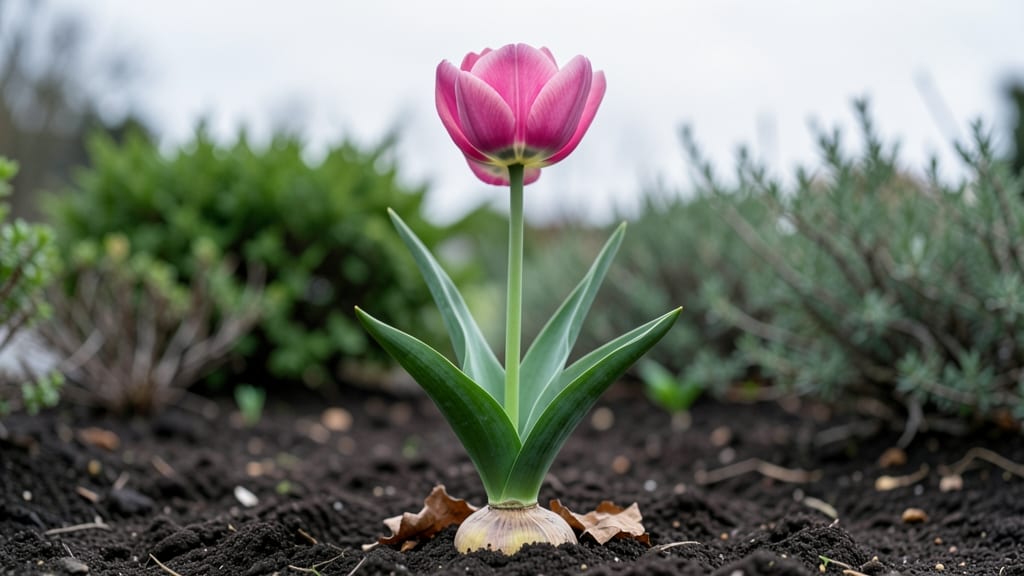
Pink tulips with their striped petals aren’t just pretty—they’re pollinator magnets that turn any garden into a living masterpiece. 🌸 I’ve seen how a single clump of these flowers can transform a dull corner into a buzzing, colorful haven where bees and butterflies linger.
The secret lies in pairing them with the right companions and arranging them in ways that highlight their delicate, layered blooms.
Start with a sunny border where pink tulips shine alongside silver foliage like lamb’s ear or the soft blues of nemesia. For containers, mix them with trailing ivy and snapdragons to create a cascading effect that lasts from spring through early summer.
The key is layering heights and textures—tulips provide the bold pops, while fillers and thrillers soften the look and extend the season.
You’ll end up with a garden that feels like a romantic watercolor painting—soft edges, unexpected pops of color, and movement from fluttering wings. The striped petals catch the light differently than solid blooms, casting dappled shadows that make the scene even more dynamic.
Plus, these flowers attract pollinators that other spring bloomers might miss, giving your garden a thriving ecosystem from day one.
Works for everything from cottage-style gardens to modern minimalist spaces—just adjust the companions to match your vibe. Whether you’re lining a path or filling a pot, these tulips bring effortless charm and a touch of whimsy. Let’s make your garden the talk of the neighborhood!
📚 In This Guide
- What you need
- Instructions
- Tips and common mistakes
- Wrapping up and next steps
What you need
- ● Pink tulip bulbs: 10–20 bulbs per square yard (choose varieties like ‘Pink Parrot’ or ‘Queen of Night’ for bold stripes).
- ● Well-draining soil: Mix 1 part compost with 2 parts native soil (pH 6.0–7.0 ideal).
- ● Organic fertilizer: 5-10-10 or bulb-specific fertilizer (follow package rates).
- ● Mulch: 2–3 inches of straw or shredded bark (to retain moisture).
- ● Watering can or hose: With a gentle spray nozzle.
- ● Garden trowel or bulb planter: For precise planting.
- ● Measuring tape or ruler: To space bulbs 4–6 inches apart.
- ○ Garden gloves: (Optional but highly recommended for messy soil!).
- ● Sunlight access: Full sun (6+ hours/day) for optimal blooms.
- ○ Pollinator-friendly companions: Optional but fun! Add lavender, bee balm, or daffodils for a layered effect.
How to create a stunning pollinator-friendly pink tulip canopy
Here's how to design a blooming, striped pink tulip display that brings bees and butterflies to your garden.
🌱 Step 1: Choose the Right Pink Tulip Varieties
Select striped pink tulips like 'Queen of Night' or 'Parrot' varieties—their bold patterns attract pollinators instantly. I always pick disease-resistant bulbs to avoid fungal issues later. Plant 4 bulbs per square foot for a lush canopy effect, spacing them about 4-6 inches apart in well-draining soil.
Dig holes 6-8 inches deep—that’s twice the bulb’s height. The deeper they go, the stronger the roots grow. If your soil is heavy clay, mix in 2 inches of coarse sand to prevent rot. Tulips love full sun, so pick a spot with at least 6 hours of direct sunlight daily. Too much shade makes blooms sparse and weak.
☀️ Step 2: Plant for Season-Long Pollinator Appeal
Layer bulbs in three depth tiers: shallow for early bloomers (like 'Darwin Hybrid' pinks), medium for mid-season (such as 'Fosteriana'), and deep for late bloomers (like 'Greigii' types). This creates a staggered bloom time, keeping pollinators fed from early spring through late winter in mild climates.
Water deeply right after planting—soak the soil until it’s damp 8 inches down. Then, let it dry slightly before watering again. Overwatering now causes bulb rot. Mulch with 2 inches of shredded bark to retain moisture and suppress weeds. Avoid synthetic mulches—they trap too much heat and can scorch emerging shoots.
💧 Step 3: Maintain for Continuous Blooms
Once shoots reach 4 inches tall, fertilize with a balanced 10-10-10 formula—use ½ teaspoon per bulb. Too much nitrogen makes leaves grow at the expense of flowers. Water once a week during dry spells, aiming for 1 inch of water per week. You’ll know it’s enough when the soil feels damp but not soggy 2 inches down.
Deadhead spent blooms immediately—snip stems ½ inch above the base to redirect energy to next year’s flowers. If leaves yellow after blooming, don’t cut them back—they feed the bulb for next season. Only remove brown, crispy foliage in early summer. This simple step ensures bolder blooms the following year.
🪴 Step 4: Extend the Pollinator Season
Plant companion flowers like lavender, catmint, or bee balm around the tulips—their nectar keeps pollinators lingering. I like to add purple coneflowers for late-season support. Avoid pesticides entirely; even "organic" sprays can harm bees. If slugs appear, set out beer traps (fill shallow dishes with beer) instead of chemical baits.
In fall, top-dress bulbs with 1 inch of compost—this replenishes nutrients without overfeeding. If your garden gets hard freezes, add 3 inches of straw mulch to insulate bulbs. In warm climates, tulips may rebloom—just remove old flower stems to encourage new growth. With this care, your striped pink canopy will thrive for years.
Tips & tricks for perfect pink tulip canopy gardens
Here's what nobody tells you about growing striped pink tulips that actually thrive—and keep pollinators buzzing all season.
Bulb Selection Tip: Always buy bulbs labeled "disease-resistant"—I learned this the hard way after losing half my first planting to gray mold. Look for firm, dry bulbs with no soft spots; these should feel heavy for their size. The 'Queen of Night' variety is my top pick for pollinators because its deep pink stripes create visual contrast that bees can't resist.
Planting Depth Secret: Those 6-8 inches of depth matter more than you think. The deeper you plant (up to twice the bulb's height), the stronger the root system becomes. For extra insurance in heavy clay soil, mix in 2 inches of coarse sand—not just any sand, but horticultural-grade. Regular sand can compact and defeat the purpose.
Sunlight Strategy: The 6 hours of direct sunlight requirement isn't negotiable for vibrant blooms, but placement is key. South-facing beds get the most consistent sun, while east-facing spots provide gentle morning light that's perfect for cooler climates. If your garden has afternoon shade, choose 'Fosteriana' varieties—they tolerate partial shade better than most pink tulips.
Companion Planting Hack: When planting those companion flowers like lavender or catmint, space them 12-18 inches away from your tulips. This gives pollinators a "buffet route" through your garden without overcrowding. I've found that planting purple coneflowers on the outer edges creates a natural border that attracts bees before they reach the tulips.
Pro Tips for Pink Tulips Flowers
- Here's what nobody tells you about growing striped pink tulips that actually thrive—and keep pollinators buzzing all season.
- Bulb Selection Tip: Always buy bulbs labeled "disease-resistant"—I learned this the hard way after losing half my first planting to gray mold.
- Planting Depth Secret: Those 6-8 inches of depth matter more than you think.
Frequently asked questions
Got questions about adding pink tulips—especially those stunning striped varieties—to your pollinator garden? Here are the answers to the most common queries to help you grow with confidence!
When is the best time to plant pink tulips for vibrant blooms?
For striped pink tulips, plant bulbs in fall (6–8 weeks before the first frost) in well-draining soil. In most U.S. zones (3–8), aim for October–November. Early planting ensures strong root growth before winter, leading to bold, striped blooms in spring (March–May).
Do pink tulips attract pollinators like bees and butterflies?
While tulips aren’t a primary pollinator magnet, their bright pink stripes and nectar-rich blooms can draw bees and early-season butterflies. Pair them with native pollinator favorites like lavender or coneflowers for a dynamic garden ecosystem. Avoid hybrid tulips—they’re less appealing to pollinators.
Why are my pink tulips wilting or not blooming?
Wilting or no blooms often signal overcrowding, poor drainage, or lack of sunlight. Ensure bulbs get 6+ hours of sun and space them 4–6 inches apart. If soil stays soggy, add compost or plant on a slight mound. Deadheading spent blooms redirects energy to next year’s flowers!
Can I mix striped pink tulips with other colors for a bold garden?
Striped pink tulips complement deep purples (like ‘Queen of Night’), creamy whites, or even bold reds. For contrast, try pairing them with blue salvia or yellow daffodils. Just avoid overcrowding—give each bulb 6+ inches of space for dramatic, layered displays.
Are there low-maintenance alternatives to striped pink tulips?
If you want easy-care pink blooms, consider:
- Daffodils (pink varieties like ‘Ice Follies’): Deer-resistant and perennial.
- Allium (pink ‘Globemaster’): Drought-tolerant and pollinator-friendly.
- Peonies (pink ‘Sarah Bernhardt’): Long-lived and fragrant.
Wrapping up and next steps
Pink tulips—especially their striped varieties—are more than just a splash of color; they’re a lifeline for pollinators and a dream for gardeners! 🌸 From their vibrant hues to their easy-care charm, these flowers bring joy, biodiversity, and effortless beauty to any space.
Whether you’re a seasoned gardener or just starting, adding them to your pollinator-friendly garden is a rewarding step toward supporting nature.
Ready to transform your garden? Start small: plant a few bulbs this fall, or expand your canopy with a mix of pink tulips and companion plants. Every bloom makes a difference—so grab your gloves and let the magic unfold! 🌱