
Flowers
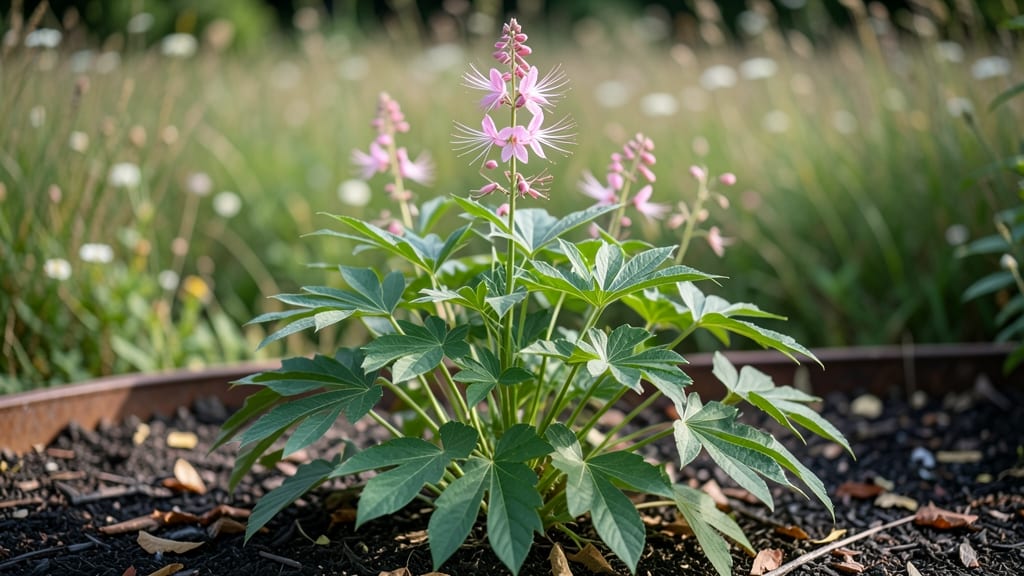
Pink cleome flowers transform any garden into a whimsical fairyland with their towering, balloon-like blooms that dance in the breeze. ✨ I fell in love the first time I saw them swaying along a country lane—each petal shaped like a tiny slipper, their delicate pink hues softening the boldness of cottage gardens.
These airy stalks reach 4-6 feet tall, creating natural vertical drama without needing staking, and their seed pods add architectural interest long after the blooms fade.
The secret to their magic lies in placement: tuck them along borders where they can spill over pathways or let them anchor wildflower meadows as a striking focal point.
Pair them with lavender, catmint, or black-eyed Susans for a dreamy, cottage-core palette that hums with pollinators—bees adore their nectar-rich blooms, and butterflies can't resist the fluttering petals. For contrast, add silver foliage like lamb's ear or deep green hostas to let the pinks pop even more.
You'll get months of seasonal interest—early summer blooms, seed pods that turn papery brown in fall, and even winter silhouette appeal when left standing. Cut them for bouquets too: their unique shape makes them conversation starters in vases, and they last longer than most cut flowers.
The key is to let them grow wild but guide them gently where you want them to shine.
Works equally well in formal borders or relaxed meadows, and thrives in full sun to partial shade—perfect for filling gaps or adding height without fuss. Let's make your garden feel like a storybook with these enchanting towers of pink.
📚 In This Guide
- What you need
- Instructions
- Tips and common mistakes
- Wrapping up and next steps
What you need
- ● Pink cleome seeds: Start with 10–20 seeds (or more for larger gardens). Choose heirloom varieties like ‘Pink Queen’ or ‘Senorita Rosa’ for vibrant blooms!
- ● Well-draining potting mix: 5–10 gallons (sterilized, peat-free blend recommended for seedling health).
- ● Seed-starting trays or biodegradable pots: 50–100 cell trays (or 4-inch pots for transplanting).
- ● Grow lights or sunny windowsill: A full-spectrum LED grow light (12–16 hours/day) or a south-facing window with 6+ hours of sunlight.
- ● Spray bottle: For gentle watering (avoid oversaturating seeds!).
- ● Garden bed or large containers: Minimum 12–18 inches deep (cleomes need room to grow!). Containers should have drainage holes.
- ● Compost or organic fertilizer: 1–2 cups per plant (balanced 10-10-10 or slow-release granular).
- ○ Mulch (optional but helpful): 2–3 inches of straw or shredded leaves to retain moisture.
- ○ Stakes or cages (optional): Tall varieties (like ‘Pink Queen’) may need 5–6 foot stakes for support.
- ● Hand trowel or transplanting tool: For digging and seedling transfer.
- ● Pruning shears: To trim spent blooms and encourage new growth.
- ● Watering can or hose with gentle nozzle: Avoid blasting seeds or seedlings!
- ○ Gloves (optional): Protect your hands from prickly stems.
- ● Patience! 🐢 Cleomes grow fast (60–90 days to bloom), but they love warmth—wait until soil is at least 60°F to plant outdoors.
- ● 🌡️ Soil temp matters: Use a seedling heat mat (70–80°F) indoors if your climate is cool.
- ● ✨ Deadhead regularly: Snip spent blooms to prolong flowering and attract more pollinators!
- ● 🎯 Full sun = happy cleomes: Plant in 6+ hours of direct sunlight daily for the boldest pinks.
How to grow stunning pink cleome flowers for your pollinator garden
Here's how to cultivate these playful, towering blooms that hummingbirds adore.
🌱 Step 1: Choose the Perfect Planting Location
Cleomes thrive in full sun, so select a spot that receives at least 6-8 hours of direct sunlight daily. They're drought-tolerant once established, so avoid low-lying areas where water pools. The reason we prioritize sun is that cleomes need strong light to develop their signature whimsical, balloon-like flowers and sturdy stems.
Test your spot by observing how quickly soil dries—if it stays damp for more than a day after rain, amend with 2-3 inches of coarse sand or perlite to improve drainage. I always check the soil's moisture by digging down 2 inches—if it feels compacted, the roots will struggle to push through.
💧 Step 2: Prepare the Soil and Plant Seeds Directly
Cleomes hate being transplanted, so sow seeds directly in the garden after the last frost when soil reaches 60°F. Scatter seeds ¼ inch deep and 12 inches apart—they self-thin naturally, so don't worry about spacing too precisely. The seeds are large and easy to handle, but I always tap the packet gently to release one seed at a time.
Use a well-draining garden soil mix enriched with 1-2 inches of compost—this encourages deep root growth. Water lightly after planting, keeping the soil evenly moist but not soggy until germination. You'll see sprouts in 7-14 days, depending on your climate. Here's the thing—don't overwater now. Damping-off will wipe out seedlings overnight.
☀️ Step 3: Support Growth and Encourage Tall Stems
As cleomes grow, they'll reach 4-6 feet tall but need support to prevent flopping. Install bamboo stakes or tomato cages at planting time—these plants grow fast, and waiting until they're leggy makes staking difficult. I like to bury stakes 6 inches deep for stability and tie stems loosely with soft garden twine as they grow.
Fertilize lightly once with a balanced 10-10-10 fertilizer when plants are 6 inches tall, but avoid heavy feeding—cleomes produce their best blooms when grown organically. Watch for first true leaves (the second set after the initial seed leaves) to confirm healthy growth. If stems grow too fast and become weak, reduce water slightly to slow their ascent.
✂️ Step 4: Deadhead and Maintain Blooms All Season
Pinch back the top set of leaves when plants are 12 inches tall to encourage bushier growth. This is the moment that matters—it triggers lateral branching, leading to more flowers. Remove spent blooms regularly to prolong flowering, but don't cut back more than ⅓ of the plant at once. Cleomes are prolific self-seeders, so you'll often find volunteers popping up next season.
Watch for pink-tinged new growth—this signals healthy, active stems. If you notice leaves curling or yellowing, it's usually a sign of aphids or powdery mildew, common in humid climates. Treat with neem oil spray if needed, but cleomes are generally low-maintenance once established. Real talk: these flowers are so easy, even beginners succeed with them.
Tips & tricks for perfect pink cleome flowers
Here's what nobody tells you about getting those signature balloon blooms to thrive.
Sunlight Strategy: While 6-8 hours of direct sunlight is ideal, cleomes actually reward you for pushing it to 8-10 hours when possible. The extra light triggers more intense pink coloring in the blooms and thicker stems. I've noticed my plants develop deeper hues when they get afternoon sun—this is especially true in cooler climates where sunlight is less intense.
Seedling Survival Secret: The 7-14 day germination window can be tricky—don't be tempted to water more frequently to speed things up. I've learned the hard way that damping-off fungus thrives in constantly moist soil. Instead, use a spray bottle for gentle watering and cover seedlings with a lightweight row cover until they're 2 inches tall. This creates a humid microclimate that encourages germination without the risk of fungal infection.
Support System: Those bamboo stakes or tomato cages need to go in at planting time, but here's the trick: don't bury them too deep. I've seen gardeners bury stakes 8-10 inches, thinking deeper means more stable, but cleomes develop shallow root systems. Burying stakes 6 inches deep gives you stability without restricting root growth. You'll also want to tie stems loosely with twine—too tight and you'll restrict growth, too loose and they'll flop.
Fertilizer Timing: That single application of 10-10-10 fertilizer when plants reach 6 inches is crucial, but the real magic happens in what you don't do. Cleomes are light feeders—too much nitrogen creates lush foliage at the expense of flowers. I've found that adding a handful of bone meal at planting time provides slow-release phosphorus, which encourages better root development and more abundant blooms without the need for additional fertilizer.
Pro Tips for Pink Cleome Flower
- Here's what nobody tells you about getting those signature balloon blooms to thrive.
- Sunlight Strategy: While 6-8 hours of direct sunlight is ideal, cleomes actually reward you for pushing it to 8-10 hours when possible.
- Seedling Survival Secret: The 7-14 day germination window can be tricky—don't be tempted to water more frequently to speed things up.
Frequently asked questions
When is the best time to plant pink cleome flowers?
Plant cleome hassleriana after the last frost in spring, once soil temperatures reach at least 50°F (10°C). They thrive in warm weather and can even be sown directly in the garden or started indoors 6-8 weeks before the last frost. Just avoid transplanting seedlings until they’ve developed their first true leaves!
Are pink cleomes good for pollinators like bees and butterflies?
These flowers are a magnet for pollinators, attracting bees, butterflies, and hummingbirds with their nectar-rich blooms. Their unique, spider-like flowers provide easy access for insects, making them a must-have for pollinator-friendly gardens. Plus, they’re non-toxic, so they’re safe for pets and kids too!
How much water do pink cleomes need?
Once established, cleomes are drought-tolerant and prefer well-draining soil. Water deeply 1-2 times per week during dry spells, but avoid overwatering—soggy soil can cause root rot. Mulch around the base to retain moisture and suppress weeds. Young seedlings may need more frequent watering to keep soil evenly moist.
Why aren’t my cleome flowers opening, or are they drooping?
Drooping or unopened blooms often signal stress from heat, thirst, or poor drainage. Check soil moisture first—cleomes wilt quickly if underwatered. If the soil is soggy, improve drainage by amending with sand or compost. Morning watering helps prevent fungal issues, and pruning leggy stems can encourage bushier growth and more flowers!
Can I grow pink cleomes in containers, or do they need a garden bed?
Yes! Cleomes adapt well to containers, as long as the pot is at least 12-18 inches deep and has drainage holes. Use a lightweight, well-draining potting mix and place them in a sunny spot. For larger varieties, opt for fabric grow bags or deep pots to support their towering height. Just keep an eye on watering—containers dry out faster than garden beds!
What’s the secret to getting cleomes to rebloom?
To encourage second flushes of blooms, deadhead spent flowers regularly (pinch off faded blooms with your fingers). Also, fertilize lightly with a balanced, low-nitrogen fertilizer (like 10-10-10) every 4-6 weeks during the growing season. Cleomes are fast growers, so they’ll reward consistent care with nonstop color!
Wrapping up and next steps
From their dramatic, cloud-like blooms to their role as a pollinator magnet, pink cleome flowers bring joy and life to any garden. Whether you’re a seasoned gardener or just starting, these easy-to-grow beauties are a fantastic addition—packed with color, movement, and ecological benefits. 🌸
Ready to transform your outdoor space? Start small—plant a few seeds or a single pot—and watch your garden bloom with whimsy. Next up: Share your progress or tag us in your cleome photos—we’d love to see your pollinator paradise in action! 📸