
Flowers
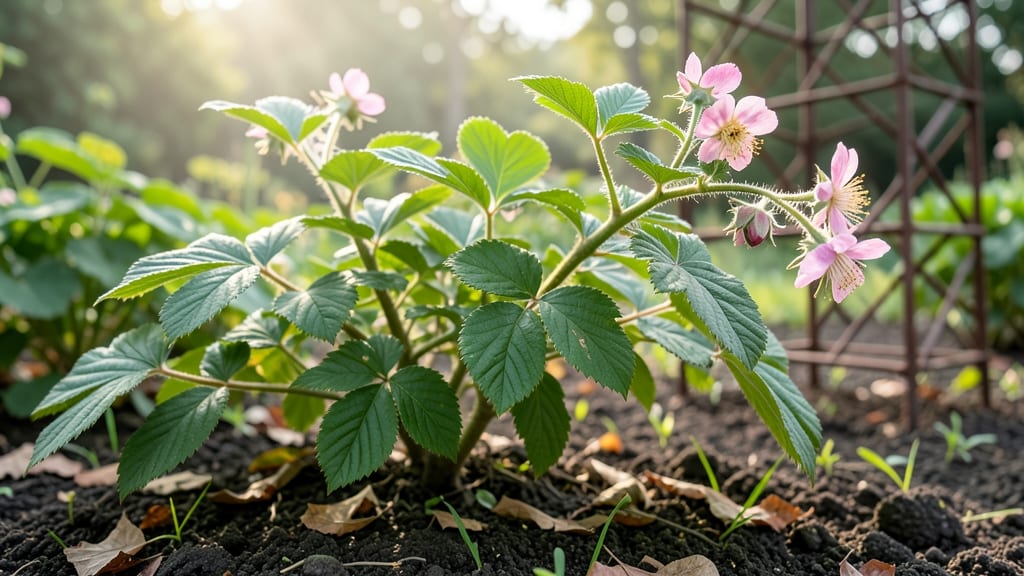
Pink blackberry flowers add a dreamy touch to Pacific Northwest gardens—soft blush blooms that attract pollinators while promising juicy berries. 🌸 I’ve grown these frost-tough varieties for years, and they thrive where regular blackberries struggle, especially in zones 5-8.
The key isn’t just the pink flowers (though they’re stunning) but their ability to handle late frosts and wet springs.
These plants need well-draining soil rich in organic matter—think compost mixed into garden beds or raised beds. They’ll reward you with 3-5 years of reliable harvests if you give them 6+ hours of sun daily and protect young canes from winter winds.
Pruning in late winter (before buds swell) keeps them productive and tidy, while summer pruning encourages more flowers.
What sets pink varieties apart is their delicate, candy-pink blooms that last longer than standard blackberries, plus berries with a sweeter, less tart flavor. The trade-off? They’re slightly less vigorous than thornless types, so choose a sunny, sheltered spot to maximize their potential.
With the right care, you’ll end up with a low-maintenance, high-reward shrub that’s as pretty as it is practical.
Whether you’re a beginner or a seasoned gardener, these blackberries adapt well to trellises, fences, or even containers. The Pacific Northwest’s cool, damp climate actually suits them—just avoid soggy soil, and you’re golden. Let’s get those canes planted!
📚 In This Guide
- What you need
- Instructions
- Tips and common mistakes
- Wrapping up and next steps
What you need
- ● Pink Blackberry Flower Plants: 1–3 Rubus varieties (e.g., 'Pink Icing,' 'Pink Champagne,' or 'Pink Panda')—choose disease-resistant cultivars suited for Zones 5–9.
- ● Option: Seeds (if propagating from scratch; germination can be tricky—see tips below!).
- ● Soil: 6–8 cubic yards of well-draining, slightly acidic soil (pH 5.5–6.5). Amend with compost or peat moss for fertility.
- ○ Optional: Mulch (straw or wood chips) to retain moisture and protect roots from frost.
- ● Fertilizer: Balanced 10-10-10 fertilizer (1 lb per 100 sq ft) or organic options like fish emulsion.
- ○ Optional: Slow-release granules for seasonal feeding.
- ● Garden gloves (heavy-duty for thorny canes!)
- ● Trowel or transplant spade
- ● Pruning shears (sterilized with rubbing alcohol)
- ● Watering can or hose with a gentle spray nozzle
- ○ Optional: Trellis or arbor (for vertical support—blackberries love to climb!)
- ● Row cover fabric (to protect young plants from late frosts).
- ● Sunlight: Full sun (6+ hours daily)—partial shade in hot afternoons is fine for PNW summers.
- ● Space: 6–8 feet apart (canes spread aggressively; plan for a barrier if needed).
- ● Knowledge: Basic pruning skills (blackberries thrive with winter pruning—we’ll cover this in the guide!).
- ● Patience: Flowers may take 2–3 years to bloom fully from seed; established plants reward you sooner!
How to cultivate pink blackberry flower varieties in cool climates
Here's my battle-tested approach for thriving pink blackberry blooms—perfect for the Pacific Northwest's damp, chilly springs.
🌱 Step 1: Select the Right Cultivar and Site
Choose a thornless pink-fruited variety like 'Pink Icing' or 'Pink Cascade'—both handle Zone 5-8 winters beautifully. Plant in full sun (at least 6 hours daily) with morning sunlight to prevent afternoon moisture stress. The PNW's acidic soils suit blackberries naturally, but amend with 2 inches of compost if your soil feels dense or clay-heavy.
Here's the thing—blackberries need room to sprawl. Space canes 8-10 feet apart in rows 6-8 feet wide. I always stake the outer row with T-posts at planting to support future trellising. Avoid low-lying areas where cold air pools—even frost-resistant varieties can suffer in frost pockets.
⏰ Step 2: Plant at the Right Time and Prepare the Soil
Plant bare-root canes in early spring (March-April) or potted plants in fall (September-October). The soil should be workable but not frozen—stick your finger in; if it resists, wait a week. Dig a hole twice as wide as the root ball but only as deep—blackberries hate being buried too deep, which encourages rot.
Soak the roots in lukewarm water for 15-20 minutes before planting to revive them. Mix the 2 inches of compost you set aside into the bottom of the hole, then place the cane so the crown sits just above soil level. Backfill with native soil, firm gently, and water deeply—until 6 inches of soil feels damp. This prevents air pockets that strangle roots.
💧 Step 3: Water and Mulch for Frost Resistance
Water deeply once a week during the first growing season, aiming for 1 inch of water per week. You'll know you're doing it right when the soil feels moist 6 inches down but not soggy. Blackberries are drought-tolerant once established, but young canes need consistent moisture to develop strong roots for winter.
Spread 3-4 inches of wood chips or straw mulch around the base (but not touching the crown) to insulate roots. This keeps soil temps 5-10°F warmer in winter and cooler in summer. Replenish mulch annually—it breaks down fast in the PNW's wet climate. Avoid synthetic mulches; they trap too much moisture and invite rot.
☀️ Step 4: Prune for Winter Hardiness and Spring Blooms
Prune annually in late winter (February) before new growth starts. Remove dead, diseased, or crossing canes first—these compete with healthy growth. Then cut back last year's fruited canes to the ground (they won't produce again). Keep 3-5 of the strongest new canes per plant; these will bear fruit this season.
Here's where it gets fun—watch for pink flower buds in early spring. These appear on second-year canes, so don't panic if you see none the first year. Once buds form, avoid heavy pruning; you're shaping the plant's energy for vibrant blooms and fruit. A light trim of tips only encourages bushier growth and more flowers.
🌿 Step 5: Protect Flowers and Fruit from Rain and Wind
The PNW's frequent rain can wash away pollen or cause fruit to split. Install lightweight row covers over flowers during heavy rain periods (March-May). Secure them with stakes and clips—blackberry canes are too vigorous for flimsy setups. Remove covers when dry to allow pollinators access.
For extra insurance, hand-pollinate on dry days by gently shaking canes to release pollen. You'll see pink flowers transition to green berries within 2-3 weeks if pollination succeeds. Harvest when fruit turns deep pink and slightly soft to the touch—usually late June to early July in the PNW. This timing avoids the worst summer rains.
Tips & tricks for cultivating frost-resistant pink blackberry flowers
Let me share the insights I've gathered after years of growing these stunning pink varieties—especially in the PNW's challenging climate.
Site Selection Matters: In Step 1, when choosing your location, prioritize areas with morning sun exposure to dry dew quickly and prevent fungal issues. Avoid south-facing slopes where afternoon heat can stress plants. I've found that planting near a south-facing fence (for winter wind protection) while still getting morning sun creates the perfect microclimate. The 6 hours of daily sunlight requirement is non-negotiable—pink varieties need that light intensity to develop vibrant blooms.
Root Revival Technique: That 15-20 minute lukewarm water soak in Step 2 is where many gardeners cut corners. I've seen canes fail to establish because roots weren't properly revived. Use a clean bucket of water at about 70°F—too hot or cold stresses the roots further. For extra insurance, add a rooting hormone to the water before planting. This small step dramatically improves survival rates in our damp climate.
Mulching Strategy: The 3-4 inches of mulch in Step 3 deserves special attention. In our region, I recommend using cedar chips specifically—they naturally repel pests while breaking down slowly. Apply mulch in early spring after the last frost when soil temps begin warming. This creates a gradual temperature transition that's gentler on emerging roots than sudden warming. The 5-10°F temperature modulation mentioned is crucial for preventing root shock during our unpredictable PNW winters.
Pruning Visual Cues: When pruning in Step 4, look for canes with smooth, brown bark—these are healthy and should be kept. Remove any with rough, cracked bark or blackened areas. For the 3-5 strongest new canes, select those with the most vigorous growth at the base. These visual cues help ensure you're maintaining a productive plant structure that will support those gorgeous pink blooms.
Pro Tips for Pink Blackberry Flower
- Let me share the insights I've gathered after years of growing these stunning pink varieties—especially in the PNW's challenging climate.
- Site Selection Matters: In Step 1, when choosing your location, prioritize areas with morning sun exposure to dry dew quickly and prevent fungal issues.
- Root Revival Technique: That 15-20 minute lukewarm water soak in Step 2 is where many gardeners cut corners.
Frequently asked questions
Got questions about growing pink blackberry flowers?
You’re not alone! Here are some of the most common concerns—plus quick, practical answers to keep your garden thriving.
When do pink blackberry flowers bloom in the Pacific Northwest?
Pink blackberry flowers (often part of Rubus varieties) typically bloom in late spring to early summer—around May to June—when temperatures rise above 50°F (10°C). In the PNW’s cooler climate, they may bloom slightly later than in warmer regions. Watch for pinkish-white clusters followed by thorny canes—your cue to enjoy (or harvest!) soon after.
Are pink blackberry flowers frost-resistant like the berries?
Yes! Pink blackberry flowers are hardy to USDA Zones 5–9, making them perfect for the PNW’s frosty winters. However, late spring frosts (after buds form) can damage blooms. Protect young plants with frost cloth or mulch heavily in winter. Once established, they bounce back resiliently—just like their berry relatives!
Will pink blackberry flowers produce edible berries?
These flowers belong to thornless blackberry varieties (like ‘Cheyenne’ or ‘Natchez’), which yield sweet, juicy berries in late summer. The pink hue in flowers doesn’t affect flavor—just aesthetics. Pro tip: Prune canes after harvest to encourage more blooms next year!
What if my pink blackberry flowers don’t bloom?
No blooms? Check these fixes:
- Sunlight: Ensure 6+ hours of direct sun daily.
- Pruning: Cut back old canes in late winter to stimulate new growth.
- Fertilizer: Use a balanced 10-10-10 in early spring.
- Water: Keep soil consistently moist (not soggy).
Can I grow pink blackberry flowers in containers?
Yes! Use a large pot (15+ gallons) with drainage holes and well-draining soil. Choose thornless varieties for easier maintenance. Move containers to sunny spots in summer and sheltered areas in winter. Just be ready to prune aggressively—they spread fast!
Wrapping up and next steps
The pink blackberry flower isn’t just a stunning addition to your Pacific Northwest garden—it’s a resilient, low-maintenance beauty that thrives even in cooler climates. With the right soil, sunlight, and care, you can enjoy its delicate blooms and delicious harvests for years to come! 🌸
Ready to bloom with confidence? Grab your gloves, pick a sunny spot, and start planting—your garden (and future berry treats!) will thank you. Happy growing! 🌱