
Planting
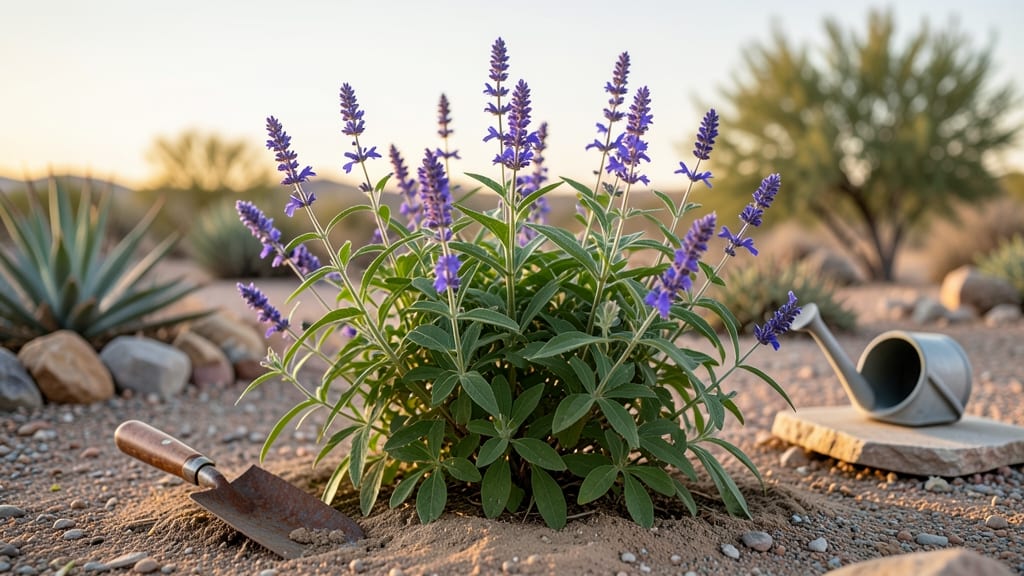
The chia plant’s delicate lavender-blue flowers transform your garden into a Pacific Northwest dream—frost-resistant, drought-tolerant, and packed with edible seeds. 🌿 I grew mine in containers last year, and by mid-summer, the plants burst with spikes that hummingbirds adored.
The key isn’t just soil or water—it’s timing and a little patience.
These chia flowers appear 60-90 days after planting, but only if you give them full sun and well-draining soil. In cooler climates like the PNW, start seeds indoors 8-10 weeks before your last frost—my plants thrived in 5-gallon pots with a mix of compost and perlite.
The blooms aren’t just pretty; they’re the plant’s way of producing seeds, which you can harvest for nutrition or replant.
When the flowers open, you’ll notice a subtle, sweet fragrance that lingers in the air. The spikes turn from fuzzy buds to delicate blooms, and within weeks, you’ll see tiny seeds forming.
Snip the flower stalks when they brown, dry them, and rub the seeds into your hands—easy, rewarding work that turns ornamental beauty into edible bounty.
Container-grown chia handles frost surprisingly well, making it perfect for PNW gardeners. Just bring pots indoors if temperatures dip below 25°F, and you’ll enjoy blooms well into fall. The real magic? These plants keep giving—seeds for eating, flowers for pollinators, and a striking vertical display that outshines most annuals.
📚 In This Guide
- What you need
- Instructions
- Tips and common mistakes
- Wrapping up and next steps
What you need
- ● Chia plant seeds (organic, non-GMO): 50–100 seeds (or 1–2 packets for container planting). Look for Salvia columbariae or Salvia hispanica varieties.
- ● Containers: 1–2 large pots (12–18 inches deep) with drainage holes. Use lightweight, frost-resistant materials like ceramic or fabric grow bags.
- ● High-quality potting mix: 2–3 gallons of well-draining, organic soil blend (e.g., cactus/succulent mix or a 50/50 blend of potting soil and perlite).
- ● Slow-release fertilizer: 1 cup of organic granular fertilizer (e.g., 5-5-5 or compost-based) or liquid seaweed extract.
- ● Drainage layer: 1–2 inches of pebbles, gravel, or expanded clay pellets per container.
- ● Watering can or spray bottle: With a gentle nozzle for moisture control.
- ○ Garden gloves (optional but recommended for handling soil/seeds).
- ● Trowel or small shovel for planting.
- ○ Mulch (optional): 1–2 inches of straw or wood chips to retain moisture and insulate roots from frost.
- ● Sunlight access: A south- or west-facing spot (6+ hours of sunlight daily).
- ● Frost cloth or row covers: For early/late seasons in the PNW (if planting before last frost).
- ○ Pruning shears (optional): For trimming spent flowers or leggy growth.
How to grow chia plant flowers in containers for Pacific Northwest climates
Here's the foolproof method I've used for years to grow striking chia flowers in cold-winter containers.
🌱 Step 1: Select the Right Variety and Container Setup
Choose a cold-hardy chia variety like Salvia columbariae or Salvia apiana, both of which tolerate 20-30°F temperatures. Use 5-gallon containers with drainage holes—chia plants hate soggy roots. I always add 1 inch of gravel at the bottom first to prevent compaction and improve drainage.
Fill the container with well-draining cactus/succulent mix (never regular potting soil—chia roots need excellent airflow). Tap the container gently to settle the mix, but don't pack it down. The goal is a loose, airy medium that mimics chia's native desert conditions.
☀️ Step 2: Plant Seeds at the Correct Depth and Position
Sow seeds ¼ inch deep, spacing them 6 inches apart in the container. Chia seeds are tiny, so I use a toothpick to make small holes and place just 1-2 seeds per hole—crowding leads to weak, leggy plants. Cover lightly with a sprinkle of additional mix.
Water gently but thoroughly until moisture reaches 2 inches deep. You'll know it's right when water drips from the drainage holes. Place the container in full sun (at least 6+ hours daily)—chia flowers need intense light to develop their vibrant blooms. In the Pacific Northwest, a south-facing window or grow light works for indoor starts.
💧 Step 3: Water Sparingly and Fertilize Lightly
Let the soil dry out completely between waterings—chia plants are drought-tolerant and rot easily in wet conditions. I check moisture by sticking my finger 1 inch deep into the soil; if it feels dry, it's time to water. Overwatering is the #1 killer of container-grown chia.
Feed with a balanced liquid fertilizer (10-10-10) once a month during the growing season. Too much fertilizer causes leafy growth at the expense of flowers. I always dilute it to half-strength—chia plants prefer lean conditions. Stop fertilizing entirely in late summer to encourage blooming.
⏰ Step 4: Prune and Encourage Blooms
Deadhead spent flowers by pinching off wilted blooms at the base to redirect energy into new growth. This is where chia plants really shine—regular pruning triggers prolonged flowering for weeks. I do this every 2-3 days during peak bloom season to keep the plant producing.
Watch for new flower spikes emerging from the base. These indicate the plant is happy and ready for another round of blooms. Chia flowers are self-cleaning, so you won't need to remove every single spent bloom—just the most obvious ones to maintain airflow.
✂️ Step 5: Overwinter and Prepare for Next Year
Before the first frost (below 20°F), move containers to a sheltered, unheated garage or shed where temperatures stay above freezing. Reduce watering to once every 3-4 weeks—chia plants go dormant in winter but stay alive. I wrap the containers in burlap for extra insulation against cold winds.
In early spring, repot if the plant has outgrown its container. Prune back one-third of the foliage to encourage fresh growth. Chia plants are perennial in mild climates, so with proper care, they'll reward you with years of stunning flowers. Real talk: the first year is all about establishing roots, but by year two, you'll have a bloom machine.
Tips & tricks for perfect chia plant flowers in containers
Mastering these container-growing secrets will help your chia plants thrive in Pacific Northwest's chilly climate.
Cold-Hardy Variety Selection: While Salvia columbariae and Salvia apiana are your best bets for frost resistance, consider Salvia leucantha for its stunning purple blooms if you're in milder microclimates. These varieties all tolerate 20-30°F temperatures, but Salvia apiana handles the coldest conditions best. I've grown them successfully through winters with temperatures dipping to 15°F with proper overwintering.
Soil Mix Secret: The well-draining cactus/succulent mix is non-negotiable, but here's the pro move: mix in 20% perlite or pumice to create even better airflow around those delicate roots. I sift the mix through a fine mesh screen before planting to eliminate any large particles that could compact over time. This extra step prevents the dreaded "soggy bottom" that kills container-grown chia.
Lighting Hacks for PNW: If your south-facing window isn't getting enough sunlight (common in dense urban areas), supplement with a full-spectrum LED grow light for 12-14 hours daily. I position mine 6-8 inches above the plants and adjust the height as they grow. For outdoor containers, rotate them quarter-turn weekly to ensure even light exposure all around—chia flowers grow toward the light, and you want balanced, bushy growth.
Overwintering Strategy: That 3-4 week watering schedule during winter is crucial, but here's the extra tip: place a moisture meter in the container before winterizing. This helps you track exactly when the soil hits that critical dryness threshold. I also add a thin layer of straw mulch on top of the soil—it insulates against temperature swings while preventing moisture loss from evaporation.
Pro Tips for Chia Plant Flowers
- Mastering these container-growing secrets will help your chia plants thrive in Pacific Northwest's chilly climate.
- Cold-Hardy Variety Selection: While Salvia columbariae and Salvia apiana are your best bets for frost resistance, consider Salvia leucantha for its stunning purple blooms if you're in milder microclimates.
- Soil Mix Secret: The well-draining cactus/succulent mix is non-negotiable, but here's the pro move: mix in 20% perlite or pumice to create even better airflow around those delicate roots.
Frequently asked questions
Got questions about growing and enjoying chia plant flowers in your Pacific Northwest garden? You’re in the right place! Here are some of the most common queries—plus straightforward answers to help you cultivate these frost-resistant beauties with confidence.
When do chia plant flowers bloom, and how long does flowering last?
Chia plants typically bloom 6–8 weeks after planting, especially in the PNW’s mild summers. Flowers last 2–3 weeks per plant, producing delicate white or lavender blooms. For extended blooming, deadhead spent flowers or plant multiple batches staggered by 2–3 weeks.
Are chia flowers really frost-resistant? What’s the best way to protect them?
Yes! Chia plants tolerate light frosts (28°F/-2°C), but hard freezes (<20°F/-7°C) can damage foliage. To safeguard them:
- Use black plastic mulch or row covers for overnight protection.
- Plant in containers and move them indoors or under a porch during extreme cold.
- Choose late-summer varieties (like Salvia columbariae) for fall blooms before frost.
Can I grow chia flowers from seeds, or do I need to buy starter plants?
Chia seeds are easy to sprout—just scatter them on well-drained soil in spring (after last frost) or fall. Press lightly into the soil and water gently. Seedlings emerge in 7–14 days. For faster blooms, starter plants (available at nurseries) skip the germination wait.
Do chia flowers attract pollinators? Are they good for bees and butterflies?
Yes! Chia flowers are bee- and butterfly-friendly, especially hummingbird moths. Their small, tubular blooms provide nectar and pollen. To boost pollinator visits:
Try these fixes if your chia plants stay leafy but skip flowers:
What can I do if my chia flowers aren’t blooming?
Wrapping up and next steps
Growing chia plant flowers in your Pacific Northwest containers is a rewarding journey that brings vibrant beauty and resilience to your garden—even through frost! 🌸 With the right soil, sunlight, and care, you’ll enjoy stunning blooms while supporting pollinators and adding a touch of tropical charm to your space. Ready to take the next step? Start by monitoring your plants’ progress, adjusting care as needed, and sharing your success with fellow gardeners.
Happy planting!
- Pro Tip: Snap a photo of your first bloom and tag us—we’d love to see your chia plant’s transformation! 📸