
Planting
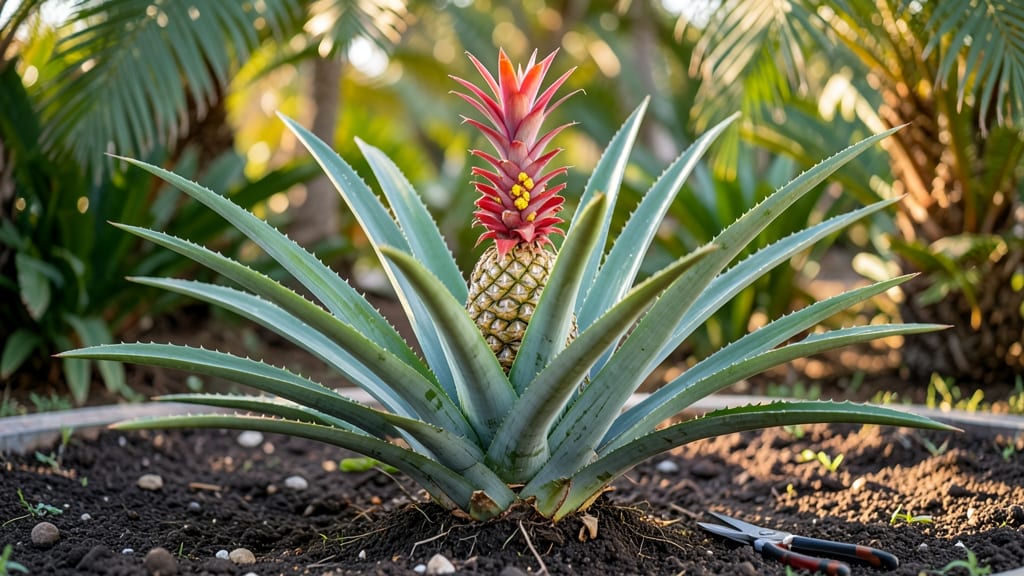
The pineapple plant flower is the star of a gardening adventure that starts with a single leaf and ends with a harvest you’ll brag about at your next potluck. 🌱 I’ve grown these tropical plants for years, and the moment that spiky crown emerges—followed by the sweetest fruit you’ve ever tasted—makes every step worth it.
The key? Understanding their bloom cycle, which isn’t as mysterious as it seems.
Here’s the thing—pineapples will flower eventually, but they need the right push. Your plant needs bright, indirect light (think 6-8 hours of sunlight daily), well-draining soil, and warm temperatures (above 65°F).
The real magic happens when you trick the plant into thinking winter’s coming—like covering it with a plastic bag for a few days to release ethylene gas. Once it flowers, you’ve got 4-6 months until harvest, depending on your climate.
When that first bloom appears, you’ll see a striking purple or red spike with tiny florets. The fruit that follows is fragrant, golden, and packed with flavor—nothing like the grocery store version.
With the right care, you can even coax multiple flowers from one plant over time, turning your patio into a year-round tropical oasis.
Whether you’re growing in pots on a balcony or in a sunny corner of your yard, the process is simpler than you’d think. The biggest mistake? Overwatering or letting the soil get too cold. Stick with me, and you’ll be harvesting pineapples that taste like sunshine—no tropical vacation required.
📚 In This Guide
- What you need
- Instructions
- Tips and common mistakes
- Wrapping up and next steps
What you need
- ● Pineapple plant (Ananas comosus) – Start with a healthy, mature plant (or a crown/slip from a store-bought pineapple).
- ● Well-draining potting mix – Cactus/succulent mix (or blend with perlite/coir for aeration). Quantity: 1–2 gallons per plant.
- ● Pot with drainage holes – Size: 12–18 inches in diameter (terracotta or fabric pots work best).
- ● Balanced fertilizer (10-10-10 or 20-20-20) – Dose: Diluted to half-strength, applied every 4–6 weeks during growing season.
- ○ Slow-release fertilizer pellets – Optional but helpful for steady nutrition (Quantity: 1–2 tbsp per pot).
- ● Pruning shears or sharp knife – For trimming dead leaves or harvesting slips.
- ● Spray bottle – For misting (pineapples love humidity!).
- ● pH testing kit – Ideal soil pH: 4.5–6.5 (slightly acidic).
- ○ Grow lights (optional) – If indoors, use full-spectrum LEDs (12–14 hours/day).
- ● Thermometer/hygrometer – Monitor temperature (60–90°F) and humidity (40–70%).
- ● Sunlight: Full sun (6+ hours/day) – South/west-facing windows or outdoor direct light.
- ● Temperature: Warmth is key! Avoid frost (below 32°F is deadly).
- ● Water: Drought-tolerant but consistent – Water when top 1–2 inches of soil are dry (avoid soggy roots!).
- ● Space: 1–2 feet apart if growing multiple plants (they’re not heavy feeders).
Step-by-step guide to encouraging pineapple plant flowering
Here’s how to coax those stunning tropical blooms from your pineapple plant—no greenhouse needed.
🌱 Step 1: Provide the Right Temperature and Light
Pineapple plants need consistent warmth to flower. Keep your plant in a spot where temperatures stay between 70-85°F during the day and never dip below 60°F at night. A sunny south-facing window or grow lights for 12-14 hours daily are ideal.
If your home runs cooler, move the plant near a heat source like a sunny patio or under a heat lamp. Watch for yellowing leaves—this signals stress from cold drafts. Pineapples thrive in bright light, so if leaves stretch or turn pale, it’s time to adjust.
☀️ Step 2: Mimic Tropical Rainfall Patterns
Water your pineapple plant deeply once a week—soak the soil until water drains from the bottom, then let it dry slightly before the next watering. Overwatering causes root rot, while underwatering stresses the plant and delays flowering.
For best results, use room-temperature water and avoid wetting the leaves to prevent fungal issues. In winter, reduce watering to every 10-14 days since growth slows. If the soil feels damp after a week, wait before watering again.
💧 Step 3: Apply a Balanced Fertilizer for Bloom Stimulation
Feed your pineapple plant with a balanced, water-soluble fertilizer (like 10-10-10) every 4-6 weeks during spring and summer. Reduce feeding in fall and winter since growth slows. Always dilute fertilizer to half-strength to avoid burning roots.
Look for new, vibrant growth as a sign your plant is thriving. If leaves turn brown at the tips, you’re over-fertilizing—rinse the soil with water to flush out excess salts. Healthy foliage is the first step toward flowering.
⏰ Step 4: Trigger Flowering with Ethylene or Temperature Shifts
Pineapples often need a temperature drop or ethylene exposure to bloom. Place an apple or banana near the plant (ethylene gas from ripening fruit can stimulate flowering). Alternatively, move the plant to a cooler spot (55-60°F) for 2-3 weeks, then return it to warmth.
Watch for a tight cluster of small leaves at the top—this is the flower stalk forming! Once you see this, keep the plant in bright light and maintain consistent watering. Flowering can take 3-6 months, so patience is key.
🌿 Step 5: Care for the Bloom and Prepare for Fruit
Once the flower appears, keep the plant in bright, indirect light to support the heavy fruit. Water slightly more frequently (every 5-7 days) as the plant works harder to produce fruit. Avoid fertilizing during flowering—focus on stable conditions instead.
If the flower drops off, don’t worry—pineapples sometimes need multiple attempts. With the right care, you’ll eventually see a small, green pineapple forming. Harvest when the fruit turns golden-yellow and smells sweet—usually 6-9 months after flowering.
Tips & tricks for perfect pineapple plant flowering
Real talk: Getting that first pineapple flower can feel like waiting for a miracle—but these tricks will help you skip the guesswork.
Lighting Strategy: If your south-facing window isn't enough, supplement with a simple LED grow light on a timer for those 12-14 hours. I place mine about 6 inches above the plant and adjust the height as the leaves grow. Watch for leaves stretching toward light—that's your plant begging for more.
Watering Wisdom: The "soak and dry" method in Step 2 is key, but here's what I learned the hard way: Use a moisture meter to check soil moisture before watering again. Pineapple roots hate soggy feet, so if the top 2 inches are dry, that's your cue. In winter, I reduce to every 14 days and check for dampness—this prevents the dreaded root rot.
Temperature Transition: For the 2-3 week cool treatment in Step 4, I move my plant to a garage with open windows (55-60°F) rather than risking drafts indoors. The key is consistency—fluctuations confuse the plant. After those 3 weeks, I bring it back to warmth gradually over 24 hours to avoid shock.
Bloom Care Secret: Once you spot that tight cluster of leaves, switch to distilled water for watering. Regular tap water can contain chemicals that stress the plant during this delicate phase. I also avoid fertilizing during flowering—healthy foliage is already doing the work for you.
Pro Tips for Pineapple Plant Flower
- Real talk: Getting that first pineapple flower can feel like waiting for a miracle—but these tricks will help you skip the guesswork.
- Lighting Strategy: If your south-facing window isn't enough, supplement with a simple LED grow light on a timer for those 12-14 hours.
- Watering Wisdom: The "soak and dry" method in Step 2 is key, but here's what I learned the hard way: Use a moisture meter to check soil moisture before watering again.
Frequently asked questions
Got questions about your pineapple plant’s flowering cycle? You’re not alone! Here are some common concerns—and their answers—to help you nurture that sweet tropical bloom.
How long does it take for a pineapple plant to flower after planting?
A pineapple plant typically takes 18–36 months to flower after planting, depending on conditions like sunlight, warmth, and care. Pro tip: Use a high-nitrogen fertilizer early on to boost growth, then switch to a phosphorus-rich feed (like 5-10-10) to encourage flowering. Patience is key—rush it, and you might delay the bloom!
Why isn’t my pineapple plant flowering? What can I do?
Pineapple plants need consistent warmth (70–85°F), bright indirect light (6+ hours/day), and well-draining soil to flower. If it’s not blooming after 2+ years, check for:
- Cold drafts (keep it away from AC/doors).
- Overwatering (let soil dry between waterings).
- Lack of sunlight (supplement with grow lights if needed).
How do I know when the pineapple flower is ready to pollinate?
The flower is ready when the bracts (petal-like structures) turn pink or red and emit a sweet, tropical scent. For pollination:
- Use a soft paintbrush to transfer pollen from one flower to another.
- Or, let bees do the work (if outdoors).
- Avoid shaking the plant—this can damage the delicate bloom.
Can I eat the pineapple if I don’t let it flower?
Yes! Pineapples can grow without flowering (called "suckers" or "pups"), but they’ll be smaller and less sweet. To encourage fruit without flowers:
- Harvest suckers (side shoots) and replant them.
- Use ethylene gas (like ripe apples in a bag with the plant) to trigger flowering.
- Be patient—non-flowering pineapples take 2–3 years to mature.
What should I do with my pineapple plant after it flowers?
Once the fruit ripens (6–8 months after flowering), the plant’s life cycle slows. Don’t prune it yet! Wait until the fruit is fully ripe, then:
- Cut the fruit at the base with a clean knife.
- Remove any dead leaves but leave healthy ones to feed the plant.
- Keep watering and fertilizing lightly—new suckers will grow at the base!
Wrapping up and next steps
Watching your pineapple plant flower bloom is a rewarding journey—one that leads to sweet, tropical harvests! 🌱 From nurturing the right conditions to recognizing the inflorescence stage, each step brings you closer to enjoying homegrown pineapples.
Whether you’re a beginner or a seasoned gardener, patience and care will pay off in delicious results.
Ready to take the next step? Start by monitoring your plant’s progress and share your blooming milestones with fellow plant enthusiasts. Who knows? Your tropical oasis could inspire others to grow their own!