
Planting
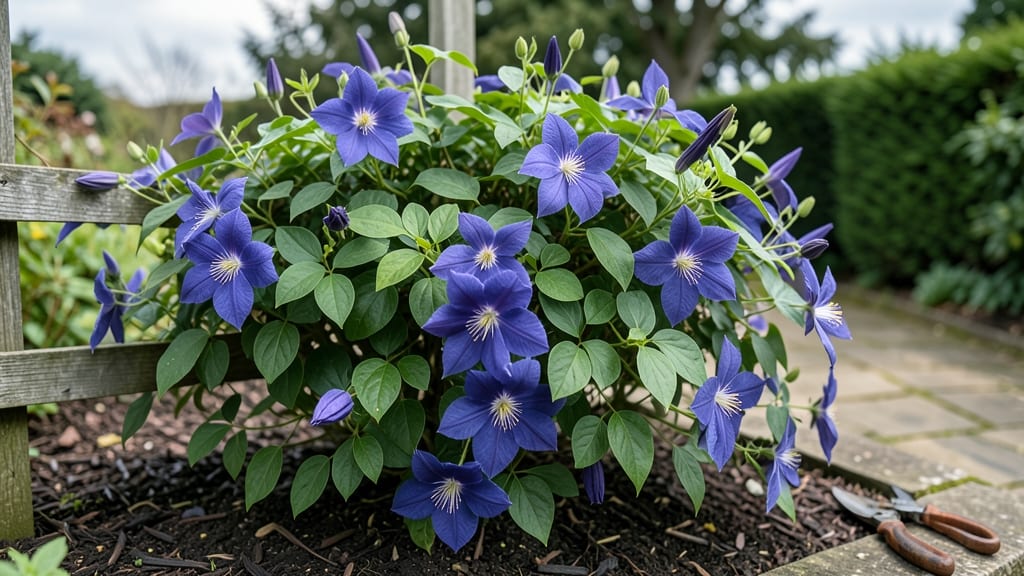
Perennial flowering vines in Zone 5 don't just survive winter—they come back stronger every spring with bold blooms that transform any space. 🌿 I've grown clematis, honeysuckle, and trumpet vine through five winters, and the secret lies in choosing the right varieties for our harsh climate.
These plants aren't just tough; they reward you with fragrant blooms from early summer through fall, often into frost.
The key starts with soil prep: amending heavy clay or sandy soil with compost creates the perfect foundation for deep roots. Most of these vines thrive in full sun to partial shade, but afternoon shade prevents scorched foliage in our hot summers.
My trumpet vines, for example, explode with orange blooms when given a sturdy trellis and morning sunlight—something store-bought annuals can't match.
You'll get vibrant displays of color that last for months, with some varieties like clematis producing multiple bloom cycles. The real magic happens when you time your pruning right: cutting back in early spring before new growth appears ensures stronger stems and bigger flowers.
Winter protection is simple—just add a thick layer of mulch around the base and a light cover of burlap if temperatures drop below zero.
These vines adapt beautifully to fences, arbors, or even container growing on patios. Whether you're filling a vertical space or creating a fragrant living screen, the right perennial vine will outperform annuals year after year. Let's get yours established for a show that never ends.
📚 In This Guide
- What you need
- Instructions
- Tips and common mistakes
- Wrapping up and next steps
What you need
- ● Perennial flowering vines (Zone 5-hardy varieties like Clematis, Honeysuckle, or Virginia Creeper): 3–5 plants (depending on desired coverage).
- ● Well-draining potting mix: 1–2 bags (or compost-amended soil for in-ground planting).
- ● Organic mulch (e.g., shredded bark or straw): 2–3 cubic feet to retain moisture and insulate roots.
- ● Balanced fertilizer (10-10-10 or similar): 1–2 lbs for initial planting.
- ● Garden gloves and knee pads (for comfort during planting).
- ● Watering can or hose with a gentle spray nozzle (for hydration without soil displacement).
- ● Trowel or small shovel (for digging holes 12–18 inches deep).
- ● Pruning shears (to trim dead foliage or shape vines).
- ● Measuring tape (to space plants 3–6 feet apart, depending on variety).
- ● Trellis, arbor, or fence (for vertical support; 6–8 feet tall for climbing vines).
- ● Garden twine or soft ties (to secure vines to supports initially).
- ● Slow-release fertilizer granules (for long-term nutrient boosts).
- ● Drip irrigation system (to automate watering in dry spells).
- ● Epsom salt (for magnesium-rich soil, especially for Clematis).
- ● Frost cloth (for young plants during late spring frosts).
Step-by-Step guide to planting and maintaining perennial flowering vines in Zone 5
Here's how I transform bare spots into vibrant vertical gardens that return every spring.
🌱 Step 1: Choose the Right Vine Varieties for Zone 5
Start with cold-hardy perennials like clematis, hops, or virgin's bower—these thrive through Zone 5 winters. I always pick varieties labeled for your specific hardiness zone to avoid disappointment. For example, clematis 'Jackmanii' handles our winters beautifully, while hops 'Aura' produces reliable foliage and flowers.
Check the mature size of each vine—some like trumpet vine grow aggressively, while others like climbing hydrangea stay more contained. The goal is to match the vine's growth habit to your space. I sketch a rough outline of my trellis or fence first to visualize how much coverage I'll get.
🪴 Step 2: Prepare the Planting Site with Proper Drainage
Perennial vines need well-draining soil to prevent root rot during our wet springs. I always test my soil first—if it's heavy clay, I mix in 2-3 inches of composted leaves or coarse sand to improve drainage. The planting hole should be twice as wide as the root ball but only as deep.
Place a 2-inch layer of gravel at the bottom of the hole to create a drainage layer. For container planting, I use pots with drainage holes and fill the bottom 1/3 with gravel. The key is preventing water from pooling around the roots during our frequent Zone 5 rainfall.
☀️ Step 3: Plant at the Correct Depth and Position
Set the vine so the top of the root ball sits just below soil level—this prevents stem rot from sitting water. I always plant in early spring after the last frost date when soil temperatures reach 50°F. For climbing vines, install supports immediately before planting so you won't disturb roots later.
Position vines where they'll get their preferred light conditions—most flowering vines need full sun to partial shade. I plant taller varieties on the north side of supports so they don't shade shorter plants. Water deeply after planting to settle the soil and remove any air pockets around the roots.
💧 Step 4: Establish a Consistent Watering Routine
Newly planted vines need 1 inch of water per week during the first growing season. I water deeply every 4-5 days rather than daily shallow watering. The soil should feel moist 2 inches below the surface—this encourages deep root growth that makes vines more winter-hardy.
After the first year, established vines become more drought-tolerant. I check soil moisture by sticking my finger in—if it's dry at 2 inches, that's when I water. Mulch with 2-3 inches of shredded bark to retain moisture and protect roots during our cold winters.
✂️ Step 5: Prune for Health and Better Flowering
Most perennial vines benefit from late winter pruning before new growth starts. I remove dead or weak stems first, then cut back others to about 1/3 of their height. For clematis, I follow the "three cuts" method: remove dead wood, shape the plant, then cut back last year's flowers.
Regular pruning encourages bushier growth and more flowers. I always sterilize my pruners with rubbing alcohol between cuts to prevent disease spread. The best time to prune is on a dry day when temperatures are above 50°F—this helps wounds heal faster.
Tips & tricks for perfect perennial flowering vines in Zone 5
Let me share the insights that'll help your Zone 5 vines thrive for years to come—these are the lessons I learned after a few too many winter die-offs.
Variety Selection Matters: When choosing cold-hardy varieties like clematis 'Jackmanii' or hops 'Aura', check the mature size label carefully. I once planted trumpet vine against a small trellis—it took over my entire fence in just two seasons! Sketch your space first and measure where you'll plant. This prevents overcrowding and makes pruning easier later.
Soil Prep is Non-Negotiable: That 2-3 inches of composted leaves or sand in Step 2 isn't optional—it's what keeps roots from rotting in our wet springs. For clay-heavy soil, I mix in perlite too for extra drainage. The 2-inch gravel layer at the bottom of the hole is your insurance policy against waterlogging, especially important for container plants where drainage is critical.
Timing is Everything: Planting when soil temperatures reach 50°F (Step 3) gives roots time to establish before summer heat arrives. I use a soil thermometer to check—cold soil slows root growth and makes plants more vulnerable to winter stress. The same 50°F rule applies when pruning in late winter—warmer temps help wounds heal faster and prevent disease.
Watering Wisdom: The 1 inch per week guideline during the first year is perfect, but timing matters just as much. Water deeply every 4-5 days rather than daily light watering—this encourages roots to grow downward where they'll find moisture during droughts. I always water in the morning so foliage dries quickly, reducing fungal risks in our humid summers.
Pro Tips for Perennial Flowering Vines Zone 5
- Let me share the insights that'll help your Zone 5 vines thrive for years to come—these are the lessons I learned after a few too many winter die-offs.
- Variety Selection Matters: When choosing cold-hardy varieties like clematis 'Jackmanii' or hops 'Aura', check the mature size label carefully.
- Soil Prep is Non-Negotiable: That 2-3 inches of composted leaves or sand in Step 2 isn't optional—it's what keeps roots from rotting in our wet springs.
Frequently asked questions
Got questions about growing perennial flowering vines in Zone 5? You’re not alone!
Here are some of the most common concerns—and expert answers—to help you succeed with these cold-hardy beauties.
Which perennial vines are the easiest to grow in Zone 5?
Start with Clematis (like ‘Jackmanii’), Honeysuckle (e.g., ‘Annabelle’), or Climbing Roses (e.g., ‘Blaze’). These thrive in Zone 5 with minimal fuss, offering stunning blooms and resilience to winter. For beginners, Virginia Creeper is another low-maintenance option—just be mindful of its invasive roots!
How do I protect perennial vines from Zone 5 winters?
Mulch heavily with 3–4 inches of straw or shredded leaves around the base in late fall. For tender vines (like Clematis), wrap the crown with burlap or frost cloth and mound soil or mulch over it. Prune back dead foliage in early spring—never in winter, as new growth is vulnerable to frost.
When is the best time to plant perennial vines in Zone 5?
Plant in early spring (April–May) or early fall (September–October) for the best root establishment. Avoid late summer/fall planting—vines need time to harden off before winter. If transplanting mature vines, water deeply for the first 2–3 weeks to reduce shock.
What pests or diseases should I watch for in Zone 5 vines?
Keep an eye out for aphids (spray with soapy water), Japanese beetles (handpick or use neem oil), and powdery mildew (improve airflow, avoid overhead watering). Clematis wilt (a fungal disease) is common—remove infected stems immediately and rotate planting spots every few years to prevent soil buildup.
Can I grow perennial vines in containers in Zone 5?
Choose compact varieties like ‘Princess Diana’ Clematis or ‘Gold Flame’ Honeysuckle. Use a large pot (15+ gallons) with well-draining soil and overwinter it in a garage or unheated shed (bury the pot in straw for insulation). Water sparingly in winter to prevent root rot.
Pro Tip: Label your vines!
Perennial vines can spread quickly, and some (like Wisteria) need annual pruning to control growth. A simple stake with the vine’s name saves headaches in spring when blooming time rolls around.
Wrapping up and next steps
Choosing the right perennial flowering vines for Zone 5 means adding lasting beauty and resilience to your garden—without the hassle of replanting every year! 🌿 From the hardy Clematis to the vibrant Honeysuckle, these cold-tolerant stars bring color, texture, and seasonal interest while surviving harsh winters.
With the right care, they’ll reward you with stunning blooms for decades.
Ready to transform your space? Start small—pick one vine to test in a sunny or partially shaded spot, then expand as you gain confidence. Your future garden (and pollinators!) will thank you. 🌸