
Light Requirements
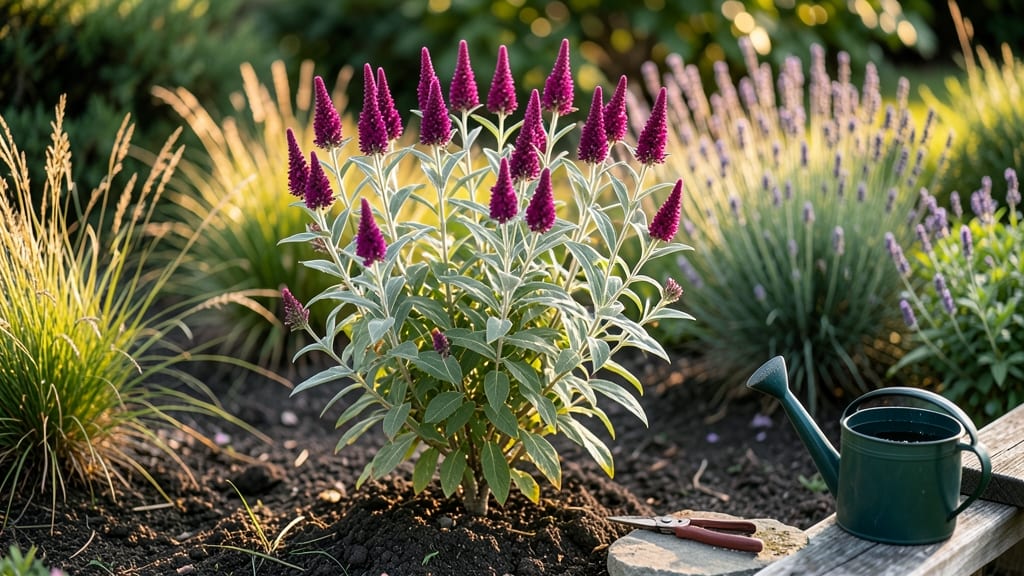
Perennial flowering bushes in full sun are the backbone of a no-fuss, high-impact garden that blooms from spring to frost. 🌻 I’ve designed my front yard around them—no wilting annuals, no dead zones, just reliable color that hums with bees and butterflies all season long.
The key lies in choosing plants that handle heat, drought, and heavy sunlight without breaking a sweat.
Think butterfly bush for summer drama, coneflower for late-season cheer, or lavender for fragrant structure—these bushes thrive where others fade. They demand little beyond occasional pruning and a well-drained spot, making them perfect for borders, hedges, or mixed beds.
My favorite combo? A butterfly bush as the star, flanked by Russian sage for texture and black-eyed Susans for height contrast.
What you’ll get is a garden that stays vibrant from May through October with minimal effort. The blooms attract pollinators, the foliage provides year-round interest, and the structure lets you play with layers—tall in back, midsize in middle, and spillers like salvia up front.
Even my neighbor’s skeptical “I don’t have time for a garden” turned into a request for cuttings after seeing the results.
Works for city patios, rural borders, or anything in between—just pick the right plants for your zone. Here’s how to arrange them for maximum impact without the upkeep headaches.
📚 In This Guide
- What you need
- Instructions
- Tips and common mistakes
- Wrapping up and next steps
What you need
- ● Perennial flowering bushes (3–5 plants, depending on desired coverage): Butterfly Bush (Buddleia davidii) – 1–2 plants (drought-tolerant, attracts pollinators)
- ● Dwarf Butterfly Bush (Buddleia ‘Lo & Behold’) – 3+ plants (compact, great for small spaces)
- ● Russian Sage (Perovskia atriplicifolia) – 1–3 plants (silvery foliage, long bloom time)
- ● Coneflower (Echinacea purpurea) – 3–5 plants (cheerful purple blooms, low-maintenance)
- ● Black-Eyed Susan (Rudbeckia hirta) – 5+ plants (golden-yellow daisies, thrives in heat)
- ● High-quality potting soil or native soil mix – 1–2 bags (50 lb each) for planting
- ● Organic compost or slow-release fertilizer – 1 bag (10–20 lb) for nutrient boost
- ● Mulch (pine bark or shredded leaves) – 1–2 bags (2–3 cubic feet) to retain moisture
- ● Garden gloves – 1 pair (for protection and grip)
- ● Hand trowel or transplant spade – 1 (for digging and planting)
- ● Watering can or hose with adjustable nozzle – 1 (for gentle watering)
- ● Pruning shears – 1 pair (for shaping and deadheading)
- ● Drip irrigation system – For automated, low-stress watering
- ● Slow-release granular fertilizer – 1 bag (for seasonal feeding)
- ● Epsom salt (magnesium sulfate) – Small container (boosts blooms in heavy clay soil)
- ● Decorative rocks or gravel – For mulch-free landscaping
- ● Plant stakes or decorative trellis – For taller varieties like Butterfly Bush
How to plant and maintain perennial flowering bushes in full sun
Here's how I transform sun-drenched spaces into year-after-year blooming havens—no fuss, just color.
🌱 Step 1: Choose the Right Bushes for Your Climate and Soil
Start with perennials that match your hardiness zone and soil type. Butterflies love black-eyed Susans and coneflowers, while shasta daisies and daylilies thrive in almost any well-drained soil. I always check the plant tag for sun requirements—some "full sun" bushes tolerate partial shade, but true sun-lovers like bee balm or Russian sage need at least 6 hours of direct sun daily.
Amend heavy clay soil with 2-3 inches of compost before planting. I dig it in a foot deep to encourage strong root growth. If your soil tests acidic, add lime to raise the pH for bushes like hydrangeas or azaleas—they won’t bloom well in acidic conditions. The key is preparing the site so the bushes focus on flowering, not struggling.
🪴 Step 2: Plant at the Correct Depth and Spacing
Dig holes twice as wide as the root ball but only as deep as the container’s root base. I always check the root flare—the swollen area where roots meet the stem—should sit just above soil level. Planting too deep suffocates the roots, while too shallow exposes them to drying out.
Space bushes according to their mature size. Coneflowers and black-eyed Susans need 2-3 feet apart, while daylilies can handle 18-24 inches. Crowding leads to competition for water and nutrients, which weakens blooms. Backfill with native soil mixed with compost, then water deeply to eliminate air pockets. A good rule: if the soil doesn’t settle slightly when watered, pat it down gently.
☀️ Step 3: Water Deeply and Mulch for Retention
Water once a week for the first month, soaking the soil 12-18 inches deep. You’ll know it’s deep enough when the water runs out the bottom of the hole. After that, water only when the top 2 inches of soil feel dry. Overwatering in full sun causes root rot—something I learned the hard way with hydrangeas.
Spread 2-3 inches of mulch around the base, keeping it 3 inches away from the stem to prevent rot. I use shredded bark or straw because they break down slowly and improve soil over time. Mulch locks in moisture, regulates temperature, and suppresses weeds—three wins for low-maintenance gardening.
✂️ Step 4: Prune for Shape and Encourage More Blooms
Deadhead spent blooms regularly to prompt new flowers. I snip just above a set of leaves or bud, which encourages the bush to redirect energy into growth rather than seed production. For shasta daisies and coneflowers, I prune back one-third of the plant in early spring to shape it and remove damaged stems.
Wait until late winter or early spring to prune hardy perennials like butterfly bush or Russian sage. These bushes bloom on new wood, so cutting back too early removes next season’s flowers. I always use clean, sharp shears to avoid tearing stems—ragged cuts invite disease. A light pruning after blooming keeps the plant tidy without sacrificing next year’s display.
🌿 Step 5: Fertilize Lightly for Long-Lasting Color
Feed bushes in early spring with a balanced, slow-release fertilizer (10-10-10 ratio). I sprinkle it around the drip line—not the base—and water it in immediately. Too much fertilizer leads to lush foliage but fewer blooms, which is the opposite of what we want. For native perennials, I skip fertilizer entirely—they thrive with minimal intervention.
In mid-summer, top-dress with compost to replenish nutrients. This is especially helpful for heavy feeders like daylilies or bee balm. I avoid high-nitrogen fertilizers—they promote leafy growth at the expense of flowers. The goal is steady, abundant blooms from spring through fall, not a single burst of color followed by floppy stems.
Tips & tricks for perfect perennial flowering bushes in full sun
Real talk: The difference between a thriving perennial garden and one that fades after the first season often comes down to these small but critical details.
Sunlight Strategy: While all your bushes need at least 6 hours of direct sun daily, some like bee balm or Russian sage actually perform best with 8-10 hours. If your space gets intense afternoon sun, consider adding afternoon shade cloth during peak summer months to prevent leaf scorch—especially for delicate varieties like shasta daisies. I've seen firsthand how this simple adjustment can extend the blooming season by 2-3 weeks.
Soil Preparation Payoff: The 2-3 inches of compost you mix in before planting isn't just about nutrients—it's about creating the perfect air-to-water ratio. For heavy clay soil, I recommend adding perlite or coarse sand to improve drainage. This prevents the very root rot issues I struggled with when first planting hydrangeas in my backyard. Think of it as giving your plants' roots room to breathe while holding onto moisture.
Watering Wisdom: That first month of weekly deep watering is non-negotiable, but here's the secret: Water in the early morning when evaporation rates are lowest. I've found that watering at noon can actually stress plants more than help them. And when checking soil moisture, dig your finger down 2 inches—if it feels dry, that's your cue. The goal is consistent moisture, not soggy soil.
Pruning Precision: When you're deadheading shasta daisies or coneflowers, always cut back to a set of leaves or bud. I see people snipping too close to the stem all the time, which creates open wounds that attract pests. For the early spring pruning of butterfly bush, I never cut more than one-third off at a time—this prevents shock and maintains next year's flowering potential.
Pro Tips for Perennial Flowering Bushes Full Sun
- Real talk: The difference between a thriving perennial garden and one that fades after the first season often comes down to these small but critical details.
- Sunlight Strategy: While all your bushes need at least 6 hours of direct sun daily, some like bee balm or Russian sage actually perform best with 8-10 hours.
- Soil Preparation Payoff: The 2-3 inches of compost you mix in before planting isn't just about nutrients—it's about creating the perfect air-to-water ratio.
Frequently asked questions
Got questions about choosing, planting, or caring for perennial flowering bushes in full sun? You’re not alone! Here are answers to the most common queries to help you create a vibrant, low-maintenance landscape.
What are the best low-maintenance perennials for full sun?
Top picks include Butterfly Bush (Buddleia), Dwarf Fountain Grass, Russian Sage (Perovskia), and Coneflower (Echinacea). These thrive with minimal fuss, offering bold blooms and drought tolerance once established. Pro tip: Pair them with Sedum or Black-Eyed Susan for year-round interest!
How long does it take for these bushes to bloom after planting?
Most perennials take 1–2 years to reach full maturity and bloom vigorously. For faster color, opt for established plants (1–2 years old) at nurseries. Patience pays off! First-year plants focus on root growth, so expect sparse flowers—think of it as an investment in future seasons.
Do these bushes need extra watering in full sun?
While many are drought-tolerant once established, newly planted bushes need consistent watering (1–2 inches per week) for the first year. Mulch helps retain moisture. After that, most handle dry spells well. Watch for wilting leaves—a sign they’re thirsty!
Are there deer-resistant options for full-sun perennials?
Yes! Russian Sage, Lavender, Salvia, and Yarrow are deer-resistant and thrive in sun. Avoid Butterfly Bush (deer love it!) and opt for fragrant or fuzzy-leaved varieties. Bonus: These plants also deter pests like rabbits and Japanese beetles.
Can I plant these in containers or just in the ground?
Dwarf varieties like Compact Butterfly Bush or Miniature Coneflower work well in containers (5+ gallon pots). Use well-draining soil and repot every 2–3 years. Container tip: Place pots in south-facing spots for maximum sun exposure.
How do I protect these bushes in winter?
Most full-sun perennials are hardy, but young plants benefit from mulch (2–3 inches) to insulate roots. Avoid heavy pruning in late winter—wait until early spring. Russian Sage and Sedum often die back but regrow robustly in spring.
Wrapping up and next steps
Transforming your sunny garden into a vibrant, low-maintenance paradise is easier than you think! Perennial flowering bushes like Butterfly Bush or Dwarf Fothergilla deliver year-round color with minimal effort—just plant, water, and enjoy.
Their resilience in full sun makes them the perfect choice for busy gardeners or beginners eager to add beauty without the hassle.
Ready to get started? Pick your favorite perennials, prep your soil, and plant with confidence! Your garden will thank you with blooms that last—and so will you. 🌸✨