
Succulent
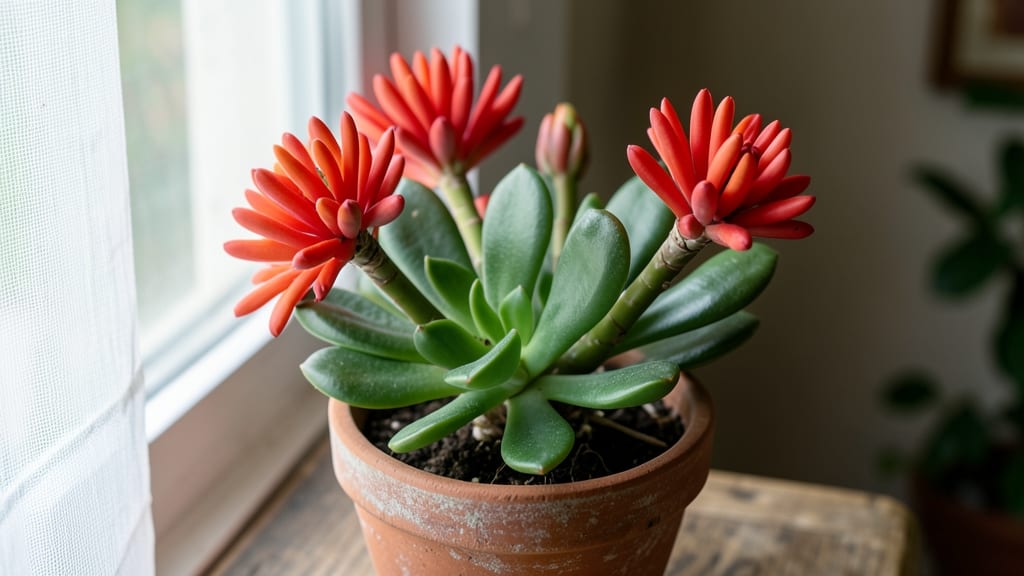
That first burst of bright orange blooms on a succulent feels like winning the lottery—especially when it’s orange-flowering Kalanchoe lighting up your windowsill or garden.
I’ve grown these little powerhouses for years, and they never fail to deliver that cheerful pop of color when most plants are still sulking through winter.
The secret isn’t complicated: they thrive on neglect almost as much as they do on sunlight, and a single cutting can multiply into a whole collection.
You’ll need minimal supplies: a 4-inch pot for starters, well-draining cactus mix, and a sunny spot where temperatures stay above 50°F. Water only when the soil is bone-dry—overwatering is the fastest way to kill these tough plants.
Once established, they’ll reward you with clusters of vibrant orange flowers that last for weeks, often reblooming if you deadhead spent blooms. The best part? They’re just as happy on a kitchen counter as they are in a sunny garden bed.
By spring, you’ll have a plant so full of blooms it looks like a tiny desert sunset. The fragrance isn’t overpowering, but it lingers in the air with a sweet, citrusy hint—perfect for cutting and tucking into vases.
And if you snip a leaf or stem, you’ve got free propagation material for gifts or expanding your collection. It’s the kind of plant that makes gardening feel effortless, yet still delivers jaw-dropping results.
Works equally well in containers, hanging baskets, or in-ground plantings—just adjust watering based on your climate. Here’s how to keep them thriving year-round without the fuss.
📚 In This Guide
- What you need
- Instructions
- Tips and common mistakes
- Wrapping up and next steps
What you need
- ● Orange flower succulent plant: 1 healthy nursery-grown specimen (choose a blooming variety like Kalanchoe blossfeldiana for vibrant orange flowers).
- ● Pot or container: 1 with drainage holes (6–8 inches in diameter for a mature plant; terracotta or ceramic works best).
- ● Well-draining soil: 1 bag of cactus/succulent mix (or DIY: 60% potting soil + 40% perlite/pumice).
- ● Gravel or pebbles: Small-sized (¼ inch) for a 1–2 inch layer at the pot’s bottom.
- ● Watering can with a narrow spout: 1 (to avoid overwatering).
- ● Pruning shears: Small, sharp pair for trimming dead leaves or stems.
- ● Sunlight access: A sunny windowsill (south-facing) or grow lights (12–14 hours/day for indoor plants).
- ● Fertilizer: Balanced diluted succulent fertilizer (5-10-5 NPK ratio) for blooming varieties.
- ● Humidity tray: For indoor plants in dry climates (add pebbles + water).
- ● Plant labels: To track varieties if growing multiple succulents.
- ● Garden gloves: For handling prickly varieties like Sedum morganianum.
- ○ Slow-release granules: Optional for nutrient boost (follow package instructions).
Step-by-step guide to cultivating fragrant orange-blooming succulents
Here’s how to coax vibrant, fragrant blooms from these drought-tolerant beauties—whether in pots or garden beds.
🌱 Step 1: Select the Right Variety and Prepare the Soil
Start with a proven orange-flowering succulent like Kalanchoe blossfeldiana or Aptenia cordifolia, both known for their bright blooms and sweet fragrance. These thrive in well-draining soil that mimics their arid native habitats. Mix 2 parts cactus/succulent mix with 1 part perlite or coarse sand to ensure excess water drains away immediately.
Fill your container or garden bed with this blend, leaving 1 inch of space at the top to prevent overflow during watering. Tap the soil lightly to settle it—this removes air pockets that could trap moisture and rot roots. If planting in a pot, ensure it has drainage holes; without them, roots will suffocate in soggy soil.
☀️ Step 2: Plant in Bright, Indirect Light and Water Sparingly
Place your succulent in a spot with 4–6 hours of morning sun and afternoon shade, especially in hot climates. Too much direct afternoon sun scorches leaves, while too little light weakens stems and delays blooming. Watch for pale, stretched growth—a sign it’s reaching for more light. If this happens, move it closer to the window or under a grow light.
Water only when the top inch of soil feels completely dry, usually every 2–3 weeks. Stick your finger in the soil—if it’s damp, wait. Overwatering is the fastest way to kill succulents, so err on the side of drought. After watering, empty the saucer under pots to prevent root rot from sitting water.
💧 Step 3: Encourage Blooms with Strategic Care
To trigger flowering, mimic seasonal changes by reducing water slightly in late summer and providing 12–14 hours of darkness per night for 4–6 weeks. This mimics winter conditions, signaling the plant to bloom. Place it in a dark closet or cover with a box after sunset, then return it to light in the morning. You’ll see buds form within 6–8 weeks if conditions are right.
Feed lightly with a balanced, water-soluble fertilizer (10-10-10) diluted to half strength once a month during spring and summer. Skip fertilizer in fall and winter—succulents store energy in their leaves and stems, not in frequent feeding. Yellowing leaves often mean over-fertilizing, so cut back immediately if you see this.
✂️ Step 4: Prune and Propagate for Long-Term Growth
After blooms fade, trim spent flower stems back to the base with clean, sharp scissors. This redirects the plant’s energy into new growth rather than seed production. Remove any yellow or mushy leaves—these are signs of stress or rot. Healthy leaves should feel firm and plump, not wrinkled or translucent.
Propagate easily by snapping off healthy leaves or stem cuttings in spring. Let them dry for 1–2 days to callous over, then place on top of fresh soil. Keep lightly moist until roots form, usually in 2–4 weeks. This is the best way to expand your collection without spending money.
🪴 Step 5: Overwinter for Next Year’s Blooms
In cooler months, reduce watering to once every 4–6 weeks and move indoors if temperatures drop below 50°F. Succulents go semi-dormant in winter, so don’t fertilize. Check soil moisture carefully—overwatering in winter is a common mistake that leads to rot.
By late winter, resume normal care. You’ll often see new growth spurt in early spring, followed by buds for another round of fragrant blooms. With consistent light, minimal water, and a little patience, your orange-flowering succulent will reward you with years of vibrant color and sweet scent.
Tips & tricks for perfect orange flower succulent blooms
These simple strategies will help you coax vibrant, fragrant blooms from your orange-flowering succulents with minimal effort.
Soil Mix Precision: When mixing your 2 parts cactus/succulent soil with 1 part perlite, sift the perlite first to remove any fine particles that could compact and reduce drainage. I learned this the hard way after seeing roots rot in dense soil—now I use a fine mesh strainer for perfect consistency. The 1-inch gap at the top of your container is crucial too; it prevents water from pooling during those rare watering sessions.
Light Positioning: The 4-6 hours of morning sun is non-negotiable, but I've found a simple trick to maximize this: rotate your plant 90 degrees every 2 weeks. This ensures even growth and prevents the plant from leaning toward the light source. Watch for that pale, stretched growth—it's your plant's way of screaming for more light, and acting quickly prevents permanent damage.
Darkness Trick for Blooms: For the 12-14 hours of darkness needed to trigger blooming, I use a blackout box made from cardboard boxes with aluminum foil on the inside. This creates a completely dark environment without needing a closet. Place your plant inside after sunset and remove it in the morning—consistency is key here, and missing even a few nights can delay blooming by weeks.
Fertilizer Timing: When you're fertilizing with that half-strength 10-10-10 solution, I've noticed the best results come when you apply it in the morning. This gives the plant all day to absorb nutrients before nightfall. And here's what nobody tells you—if you see those yellow leaves appear, flush the soil immediately by watering thoroughly with plain water. This helps prevent salt buildup from the fertilizer.
Pro Tips for Orange Flower Succulent
- These simple strategies will help you coax vibrant, fragrant blooms from your orange-flowering succulents with minimal effort.
- Soil Mix Precision: When mixing your 2 parts cactus/succulent soil with 1 part perlite, sift the perlite first to remove any fine particles that could compact and reduce drainage.
- Light Positioning: The 4-6 hours of morning sun is non-negotiable, but I've found a simple trick to maximize this: rotate your plant 90 degrees every 2 weeks.
Frequently asked questions
Got questions about growing your orange flower succulent? You’re not alone! Here are some of the most common concerns—plus quick, expert-backed answers to keep your plant thriving.
How often should I water my orange flower succulent?
Water your orange flower succulent only when the soil is completely dry—usually every 2–3 weeks in warm months and even less in winter. Overwatering is the #1 killer of succulents! Stick your finger 1–2 inches into the soil; if it’s damp, wait. Pro tip: Use a pot with drainage holes to prevent root rot.
When will my orange flower succulent bloom?
Patience is key! With proper care, your succulent may bloom in 1–3 years, often in late spring or summer. To encourage flowers, give it bright, indirect light and a cool nighttime temperature (50–60°F). Avoid fertilizing heavily—too much can delay blooms. Bonus: Deadhead spent flowers to redirect energy to new growth!
Can I grow an orange flower succulent indoors?
Place it near a sunny south- or west-facing window for 6+ hours of light daily. If natural light is lacking, supplement with a grow light (12–14 hours/day). Just ensure the room stays above 50°F—drafts and AC vents can stress the plant. Tip: Rotate the pot weekly for even growth.
Why are my orange flower succulent leaves turning yellow or mushy?
Yellow/mushy leaves usually mean overwatering or poor drainage. Check for:
- Root rot: Let the soil dry out completely, then repot in fresh, well-draining cactus/succulent mix.
- Pests: Inspect for mealybugs or aphids (wipe with soapy water if found).
- Sunburn: Move to indirect light if leaves look reddish or translucent.
What’s a good alternative if I can’t find an orange flower succulent?
Try these fragrant, orange-blooming succulent lookalikes:
Plant
Bloom Color
Care Notes
Jade Plant (Crassula ovata)
Pink/white (but stunning foliage!)
Drought-tolerant; blooms with bright light.
Echeveria ‘Lola’
Pink (but compact and easy)
Loves morning sun; great for containers.
Kalanchoe blossfeldiana
Orange/red flowers!
Thrives indoors; needs less light than true succulents.
Pro tip: Check local nurseries for Kalanchoe—it’s the closest match for vibrant orange blooms!
Wrapping up and next steps
Growing an orange flower succulent is a rewarding journey that brings vibrant color and sweet fragrance to your space—whether in a sunny window or a lush garden. With the right light, soil, and care, these stunning plants thrive effortlessly, making them perfect for both beginners and seasoned gardeners. 🌸
Ready to transform your green thumb into a blooming success? Start by choosing your favorite variety, gather your supplies, and follow the steps above. Before you know it, you’ll be enjoying fragrant, sun-kissed blooms that turn heads—and maybe even inspire your friends to start their own succulent collection!
Next step: Pick a pot, grab some soil, and let your orange flower succulent shine! 🌱