
Flowers
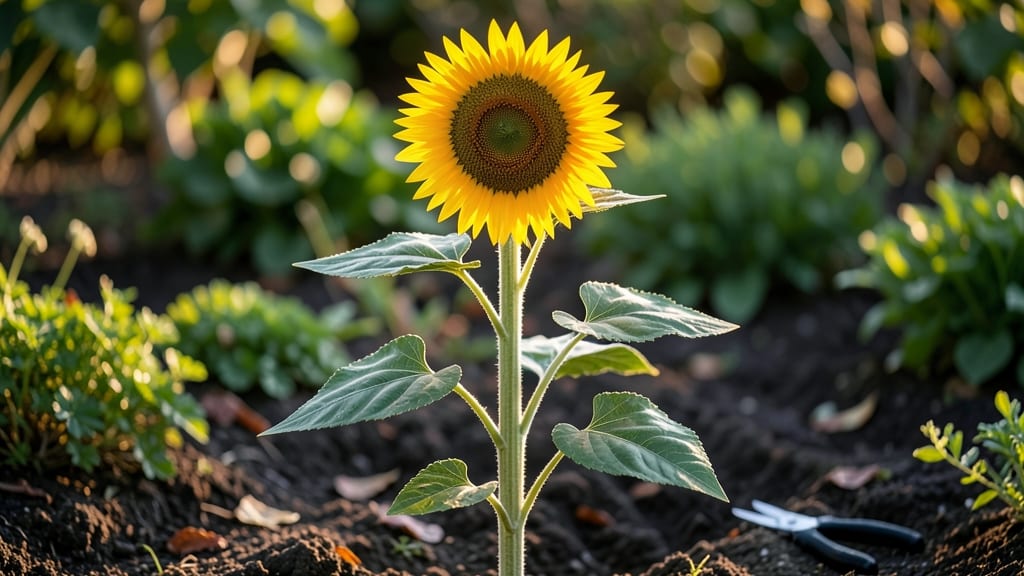
The oil sunflower plant thrives not just for its striking blooms but for its bounty of golden seeds, brimming with rich, premium oil. I learned the hard way that not all sunflowers are created equal when I planted ornamental varieties expecting high oil yield.
The right selection, paired with precise growing techniques, transforms your garden into a small-scale oil production powerhouse.
Start with high-oleic varieties like 'NuSun' or 'SunOleic,' which thrive in well-drained soil with pH 6.0-7.5. Plant seeds 1 inch deep, 6-12 inches apart, and 18-24 inches between rows—crowding reduces yield.
These sunflowers demand full sun (6-8 hours daily) and consistent moisture, especially during flowering. A balanced 10-10-10 fertilizer applied mid-season boosts seed production, but avoid over-fertilizing or you'll get leafy stalks instead of seed heads.
By late summer, you'll spot the first brown seed heads—this is your harvest window. Let them dry completely on stalks before stripping seeds. For cold-pressed oil, aim for 30-40% oil content in mature seeds.
The payoff? A rich, stable oil perfect for cooking or skincare, straight from your backyard. Just don’t rush the harvest—green seeds mean lower yield and bitter oil.
Adapt this method to your climate: in cooler zones, plant after last frost (May-June) for a fall harvest; in warm areas, early spring works too. The key is timing—get it right, and you’ll turn sunlight into liquid gold. Ready to grow your own oil stash?
📚 In This Guide
- What you need
- Instructions
- Tips and common mistakes
- Wrapping up and next steps
What you need
- ● Sunflower seeds: 10–20 lbs (4.5–9 kg) (non-GMO, organic preferred for best flavor and yield)
- ● Cold-press oil extractor: Manual or electric (capacity: 1–5 lbs/hour)
- ● Seed cleaning station: Fine mesh sieve (1/8-inch or smaller)
- ● Magnet or metal detector (to remove debris)
- ● Storage containers: Food-grade buckets (5-gallon)
- ● Glass jars (quart-sized for oil storage)
- ● Filtration supplies: Cheesecloth or muslin bags
- ● Fine filter paper (Whatman #1 or coffee filters)
- ● Safety gear: Nitrile gloves
- ● Safety glasses
- ● Apron (oil stains happen!)
- ● Seed dehuller (for cleaner oil)
- ● Hydrometer (to test oil purity)
- ● Food-grade solvent (if refining further)
- ● Label maker (for tracking batches)
- ● Portable generator (if power access is limited)
Step-by-step guide for cold-pressing sunflower oil at home
Cold-pressing sunflower seeds yields rich, nutrient-dense oil without heat damage. Here’s how to maximize your harvest.
Harvest and Dry Sunflower Heads
Wait until sunflower heads turn completely brown and dry before harvesting. Use sharp pruners to cut the entire head from the stem, leaving about 2 inches of stem attached. This prevents seeds from scattering during processing. Spread the heads on a clean, dry surface in a well-ventilated area for 5-7 days, turning them daily to ensure even drying. Fully dried seeds will rattle inside the head when shaken.
Once dry, remove the seeds by gently rubbing the head between your hands or using a small sieve. Store seeds in an airtight container until ready to press. Avoid moisture exposure—even slight dampness can spoil the oil during extraction.
Clean and Prepare the Seeds
Spread the seeds on a clean cloth or sieve to remove any remaining chaff or debris. Discard any seeds that appear discolored, damaged, or infested. For optimal oil yield, aim for 1 pound of clean seeds per batch. Place the seeds in a food processor or dedicated seed grinder and pulse until they form a fine, meal-like consistency. Avoid overheating—process in short bursts to prevent heat buildup, which can degrade oil quality.
Transfer the ground seeds to a clean, dry bowl and mix thoroughly. This step ensures even pressing and maximizes oil extraction. If using a manual press, ensure the seeds are uniformly ground to avoid clogging the mechanism.
Press the Seeds for Oil Extraction
Place the ground seeds into your cold-press extractor, following the manufacturer’s instructions for loading. For manual presses, fill the chamber to ¾ capacity to allow room for the oil to collect. Apply steady pressure—either by hand or with the press’s mechanism—until the seeds are fully compressed. This typically takes 10-15 minutes for a small batch. The oil will begin dripping into the collection vessel as pressure increases.
Once pressing is complete, remove the cake (the remaining seed pulp) and discard it. The collected oil should be clear to pale yellow, with a slight nutty aroma. If the oil appears cloudy or has a strong bitter smell, the seeds may have been contaminated or improperly processed. Strain the oil through a fine cheesecloth or coffee filter to remove any remaining impurities before storing.
Store the Oil Properly
Transfer the filtered oil into a dark glass bottle with an airtight seal. Store the bottle in a cool, dark place—such as a pantry or refrigerator—to prevent oxidation and rancidity. Properly stored sunflower oil retains its quality for 3-6 months. Label the bottle with the date to track freshness. Avoid exposure to light and heat, as these accelerate oil degradation.
Use the oil within the recommended timeframe for the best flavor and nutritional benefits. If you notice any off smells or tastes, discard the oil immediately. Cold-pressed sunflower oil is ideal for dressings, marinades, and low-heat cooking where heat-sensitive nutrients matter most.
Tips & tricks for perfect cold-pressed sunflower oil
A few key strategies will help you maximize yield and quality when cold-pressing sunflower oil at home.
Seed Selection: Choose sunflower heads that are completely brown and dry before harvesting. The seeds should rattle when shaken—this indicates they're fully mature and ready for pressing. I've found that heads left on the plant too long can develop mold, while those harvested too early yield less oil. Store seeds in an airtight container in a cool, dry place until ready to process, but never let them sit for more than a week before pressing.
Grinding Technique: For Step 2, when grinding your seeds, work in short bursts with your food processor to prevent overheating. I typically pulse for 30 seconds, then let the seeds cool for 1 minute before repeating. Overheating can turn the seeds into a paste and degrade the oil quality. Aim for a fine, meal-like consistency that resembles coarse flour—this texture gives the best extraction results during the 10-15 minute pressing time.
Pressing Pressure: Apply steady, even pressure during the 10-15 minute pressing phase. If using a manual press, I recommend working in 30-second intervals with 10-second rests to avoid overheating. The oil should begin dripping within the first 5 minutes—if it doesn't, check that your seeds are properly ground and that your press isn't clogged. The final yield should be about 30-40% oil by weight, so 1 pound of seeds should yield approximately 4-6 ounces of oil.
Storage Wisdom: After pressing, transfer your oil to dark glass bottles immediately to protect it from light exposure. I've found that storing the bottles in the refrigerator extends shelf life to 6 months, though the flavor becomes more pronounced after just 1-2 months. Label each bottle with the pressing date—this helps you track freshness and ensures you use the oldest oil first for best flavor and nutritional benefits.
Pro Tips for Oil Sunflower Plant
- A few key strategies will help you maximize yield and quality when cold-pressing sunflower oil at home.
- Seed Selection: Choose sunflower heads that are completely brown and dry before harvesting.
- Grinding Technique: For Step 2, when grinding your seeds, work in short bursts with your food processor to prevent overheating.
Frequently asked questions
Got questions about growing and extracting oil from sunflower plants? Here are some of the most common ones—plus quick, practical answers to help you get the best yield!
How long does it take for sunflower plants to produce oil-rich seeds?
Sunflower plants typically mature in 80–100 days from seed germination, depending on the variety and climate. For maximum oil content, wait until the seed heads are fully brown and dry before harvesting. Harvesting too early reduces yield and oil quality.
Can I extract oil from sunflower seeds at home, and what’s the easiest method?
Yes! The simplest method is cold-pressing using a manual oil press or even a high-powered blender followed by straining through cheesecloth. For better results, dry the seeds thoroughly (moisture <10%) and crush them into a fine paste before pressing. Pro tip: Store the oil in a cool, dark place to preserve freshness.
Are there any alternatives to sunflower oil if I don’t want to grow my own plants?
If growing isn’t an option, consider buying cold-pressed, organic sunflower oil from trusted brands or exploring other high-quality oils like avocado, olive, or flaxseed oil. Each has unique benefits—sunflower oil is rich in vitamin E, while olive oil offers heart-healthy fats.
Why are my sunflower seeds not producing oil, even after harvesting?
Low oil yield can stem from immature seeds, poor drying, or pest damage. Ensure seeds are fully mature (dry and hard) before pressing. If pests like birds or insects are a problem, use netting or harvest seeds early in the morning when they’re less active. Pro tip: Store seeds in airtight containers to prevent mold or contamination.
What’s the best temperature for storing sunflower seeds before oil extraction?
Store seeds in a cool (50–70°F), dry, and dark environment to prevent rancidity. Avoid humidity or heat, which can degrade oil quality. If storing long-term, freeze seeds in sealed bags for up to 6 months to lock in freshness.
Wrapping up and next steps
Growing your own oil sunflower plant for cold-pressed extraction is a rewarding journey that combines sustainability with delicious results! 🌻 By understanding the right materials, techniques, and troubleshooting tips, you can maximize yield and enjoy the rich, nutritious oil at home.
Whether you're a seasoned gardener or just starting out, this process empowers you to create something truly special.
Ready to take the next step? Start small—plant a few seeds, experiment with extraction methods, and refine your approach. Share your progress with fellow enthusiasts or even consider scaling up for larger harvests. The possibilities are as bright as the sunflowers themselves!