
Trees
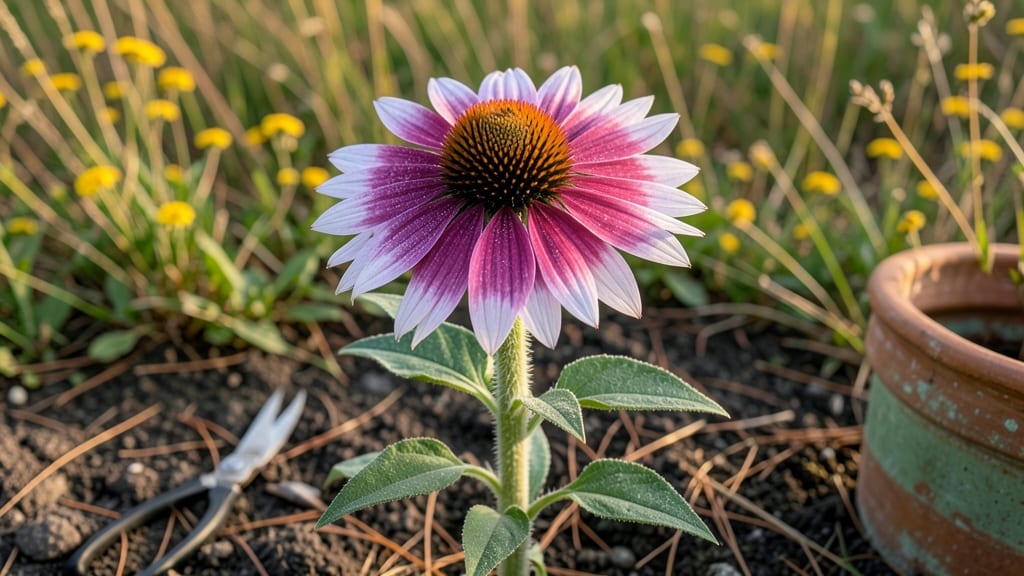
Massachusetts native wildflowers turn your yard into a buzzing, blooming sanctuary without the fuss of exotic imports. 🌿 I still remember the first time I saw a meadow filled with goldenrod and black-eyed Susans—it wasn’t just pretty, it was alive with bees, butterflies, and birds doing their natural dance.
The best part? These plants thrive in our climate, need almost no pampering, and keep your garden vibrant from spring through frost.
What you’ll love is how effortlessly they blend into any landscape—woodland edges, sunny meadows, or even container gardens. Pair shade-loving trillium with ferns for dappled light spots, or let sun-lovers like butterfly weed and purple coneflower take center stage in full sun.
The secret to year-round color? Layering early bloomers like bloodroot with mid-season stars like wild bergamot, and late-season showstoppers like asters.
You’ll end up with a garden that’s not just beautiful but working hard for local ecosystems. Hummingbirds will sip from trumpet honeysuckle while monarch caterpillars munch on milkweed, and your soil will stay rich from deep-rooted plants that prevent erosion.
Plus, the colors—deep purples, sunny yellows, and soft whites—change with every season, giving you a living tapestry that no annual bed could match.
Whether you’re starting with a single container or transforming an entire yard, these wildflowers adapt to almost any space. The key is letting nature lead—once planted, they’ll spread, thrive, and keep your garden humming with life for decades. Let’s get your Massachusetts meadow started!
📚 In This Guide
- What you need
- Instructions
- Tips and common mistakes
- Wrapping up and next steps
What you need
- ● Native wildflower seeds: Choose a mix of Massachusetts-native species like New England Aster, Purple Coneflower, Black-Eyed Susan, or Wild Bergamot. Aim for 1–2 lbs of seed per 100 sq ft for optimal coverage.
- ● Well-draining soil: Native wildflowers thrive in loamy or sandy soil with pH 5.5–7.0. Test your soil or amend with compost if needed.
- ● Sunlight access: Most native wildflowers prefer full sun (6+ hours/day), though some tolerate partial shade.
- ● Water source: A hose or drip irrigation system for consistent moisture during germination (first 2–3 weeks).
- ● Garden gloves (to protect hands while handling seeds/soil).
- ● Hand trowel or rake (for light soil prep and seed scattering).
- ○ Broadcast spreader (optional but helpful for even seed distribution over large areas).
- ● Mulch (straw or pine needles) (1–2 inches thick to retain moisture and suppress weeds).
- ● Native plant guidebook or app (e.g., iNaturalist or Massachusetts Wildflower Society’s ID tool) for species identification.
- ● Pollinator-friendly companion plants (e.g., Milkweed for monarchs or Goldenrod for bees).
- ● Bird feeders or baths (to attract birds that control pests naturally).
- ● Native plant nursery support (local experts can recommend region-specific varieties).
- ● Wildflower seed paper (for creative planting in pots or vertical gardens).
How to design a Massachusetts native wildflower meadow
Here’s the method I’ve used for three seasons—it’s simple, effective, and brings bees, butterflies, and hummingbirds to your yard.
🌱 Step 1: Choose the Right Site and Prepare the Soil
Select a sunny to partially shaded spot with 6+ hours of sunlight daily—most Massachusetts natives thrive in full sun but tolerate light shade. Avoid low-lying areas where water pools, as soggy soil invites fungal diseases. Clear existing grass or weeds by smothering with 6-12 sheets of cardboard for 4-6 weeks before planting. This breaks down naturally and enriches the soil without chemicals.
Once the cardboard decomposes, loosen the top 6 inches of soil with a broadfork or tiller. Native wildflowers prefer well-draining, slightly rocky soil—don’t amend with compost unless your soil is extremely poor. The goal is to mimic natural conditions, so leave the soil as close to its native state as possible. If your yard has heavy clay, mix in 20% coarse sand to improve drainage.
🌿 Step 2: Select and Plant Native Wildflower Seed Mixes
Choose a pre-mixed seed blend tailored to your region—look for Massachusetts-specific wildflower mixes that include early bloomers like wild columbine and bloodroot, mid-season stars like black-eyed Susan, and late-season favorites such as goldenrod. Scatter seeds evenly over the prepared area, aiming for 1-2 pounds of seed per 1,000 square feet. Lightly rake the seeds into the soil to ensure good soil contact, but don’t bury them deeper than ¼ inch—most native seeds need light to germinate.
Water gently but thoroughly after planting to settle the seeds into the soil. Use a fine mist setting on your hose or a watering can to avoid displacing the seeds. Keep the soil consistently moist for the first 4-6 weeks—this is critical for germination. Once seedlings emerge, reduce watering to once weekly, allowing the soil to dry slightly between waterings to prevent damping-off.
☀️ Step 3: Maintain and Encourage Pollinator Growth
After the first year, your meadow will look sparse, but don’t be discouraged—this is normal as native plants establish deep root systems. In year two, you’ll see a dramatic increase in blooms. Mow once per year in late fall or early winter (after the first frost) to prevent weeds from dominating. Set your mower blade to 4 inches to leave enough foliage for pollinators and to protect emerging seedlings.
Leave seed heads standing through winter to provide food for birds and to naturally reseed the meadow. If you notice invasive plants like multiflora rose or Japanese knotweed encroaching, pull them by hand or spot-treat with vinegar-based weed killer in early spring before native plants leaf out. Over time, your wildflowers will outcompete weeds naturally.
✂️ Step 4: Extend the Season with Strategic Plantings
For year-round color, stagger plantings by adding spring ephemerals like trillium and spring beauty in early spring, and fall-blooming asters in late summer. These plants fill gaps left by earlier bloomers and ensure pollinators have continuous access to nectar. Group plants by bloom time in 3-5 foot clusters to create visual impact and make it easier for bees to navigate.
Monitor your meadow for signs of stress, like yellowing leaves or stunted growth. These often indicate soil compaction or nutrient deficiencies. If needed, top-dress with a light layer of compost in early spring, but avoid heavy fertilization—native plants thrive in lean soils. Observe which species flourish in your specific microclimate and adjust future plantings accordingly.
Tips & tricks for perfect Massachusetts native wildflower meadows
Transforming your yard into a thriving pollinator haven takes more than just planting—here's how to maximize success with these battle-tested strategies.
Site Selection Secrets: While the instructions mention 6+ hours of sunlight, I've found that eastern exposures (morning sun) actually perform better in our climate. The cooler afternoon shade prevents heat stress on delicate native species like bloodroot. Test your site by observing sunlight patterns for a full week before committing—you might discover microclimates that work even better than full sun.
Soil Preparation Pro Tip: The 4-6 week cardboard smothering method works wonders, but here's the trick: after removing cardboard, run a soil test through your local Cooperative Extension office. If your soil pH is below 6.0, native wildflowers will struggle. Most Massachusetts natives prefer slightly acidic to neutral soil (pH 6.0-7.0), and you can adjust with crushed limestone if needed. This small step makes all the difference in establishing healthy plants.
Seed Scattering Strategy: When scattering your 1-2 pounds of seed per 1,000 square feet, I recommend working in small sections (about 10'x10') and mixing in a handful of native grass seed for each section. The grasses help stabilize soil and outcompete weeds while the wildflowers establish. This creates a more natural ecosystem that thrives long-term. The ¼ inch depth guideline is perfect—any deeper and you'll inhibit germination.
Watering Wisdom: That critical 4-6 week moist period is non-negotiable, but here's how to do it efficiently: use drip irrigation or soaker hoses placed along the edges of your planting area. This delivers water directly to roots without disturbing seeds. Water in the early morning to prevent fungal issues, and consider using rainwater if possible—it's naturally softer and contains beneficial microbes that help seed germination.
Pro Tips for Massachusetts Native Wildflowers
- Transforming your yard into a thriving pollinator haven takes more than just planting—here's how to maximize success with these battle-tested strategies.
- Site Selection Secrets: While the instructions mention 6+ hours of sunlight, I've found that eastern exposures (morning sun) actually perform better in our climate.
- Soil Preparation Pro Tip: The 4-6 week cardboard smothering method works wonders, but here's the trick: after removing cardboard, run a soil test through your local Cooperative Extension office.
Frequently asked questions
Got questions about Massachusetts native wildflowers?
You’re not alone! Whether you're a gardener, eco-enthusiast, or curious homeowner, these answers will help you grow a thriving pollinator-friendly garden with ease.
When is the best time to plant Massachusetts native wildflowers?
The ideal time to plant most native wildflowers in Massachusetts is early spring (March–April) or early fall (September–October). Spring planting gives roots time to establish before summer heat, while fall planting allows seeds to germinate with winter moisture. For perennials, fall is often best—just ensure the ground isn’t frozen!
Which wildflowers attract the most pollinators in Massachusetts?
Top pollinator magnets include New England aster, purple coneflower, black-eyed Susan, and wild bergamot. These flowers bloom in succession, providing nectar from early summer to frost. For year-round appeal, pair them with goldenrod (late summer) and wintergreen (early spring). Pro tip: Cluster plants in groups of 3+ for maximum impact!
How much water do Massachusetts native wildflowers need?
Once established, most native wildflowers are drought-tolerant, but seedlings need consistent moisture. Water deeply 1–2 times per week during the first growing season, then taper off as roots develop. Mulch lightly to retain soil moisture—just avoid smothering plants. Overwatering can harm roots, so let soil dry slightly between waterings.
Can I grow native wildflowers in containers or small spaces?
Compact natives like wild columbine, lobelia, or butterfly weed thrive in containers, window boxes, or even vertical gardens. Use well-draining soil and ensure pots are at least 6–8 inches deep. For small spaces, opt for ground covers like wild strawberry or creeping phlox to add color without sprawling.
Why aren’t my wildflowers blooming this year?
Common culprits include over-fertilizing (natives prefer lean soil), poor sunlight (most need full sun), or immature plants (some take 2+ years to bloom). Check for pests (like aphids) or disease (e.g., powdery mildew). If soil is too rich, mix in sand or compost to improve drainage. Patience pays off—many perennials reward you in their second year!
Wrapping up and next steps
Massachusetts’ native wildflowers aren’t just a feast for the eyes—they’re vital lifelines for pollinators and a celebration of the state’s natural beauty. From the delicate Trillium grandiflorum to the bold Liatris spicata, these plants offer year-round color while supporting bees, butterflies, and hummingbirds.
Whether you’re planting a pollinator garden or simply admiring the wild, you’re nurturing ecosystems one bloom at a time.
Ready to take action? Start small—plant a single native wildflower in your yard or join a local conservation effort. Every effort counts, and your garden could become the next pollinator paradise! 🌸🐝